

August’s long, sunny days and overflowing garden beds make it the ideal time to dive into composting. As a gardener who’s wrestled with kitchen waste buckets and parched soil beds alike, I know how satisfying it is to see vegetable peelings and yard trimmings transform into rich, crumbly humus! By beginning your compost journey in late summer, you’ll harness the season’s heat, abundant feedstocks, and lively soil fauna to build a thriving compost ecosystem.
I understand how frustrating it feels when you run out of soil amendment just as fall plantings beckon. But with a few simple steps—like balancing nitrogen-rich “greens” and carbon-rich “browns,” turning the pile regularly, and welcoming earthworms and beneficial insects—you’ll create black-gold compost ready to nourish next spring’s seedlings. Here are nine compelling reasons to start composting this August!
Abundant Kitchen and Garden Scraps
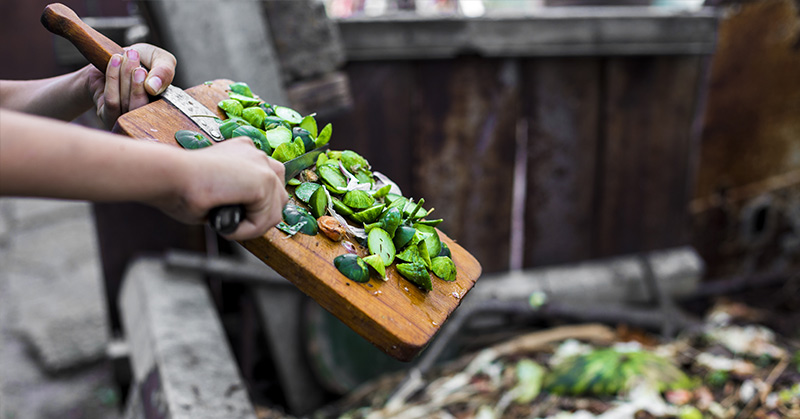
In August, your kitchen overflows with summer produce: zucchini (Cucurbita pepo, native to the Americas), pepper skins (Capsicum annuum, native to Central and South America), and tomato trimmings (Solanum lycopersicum, native to western South America). These nitrogen-rich “greens” provide the fuel microbes need to heat up your pile!
Pair these with garden clippings—spent basil (Ocimum basilicum, native to tropical Asia), oregano stalks (Origanum vulgare, native to the Mediterranean), and wilted lettuce leaves (Lactuca sativa, origin Europe)—and you’ve got a nutrient-packed feedstock. As these materials break down, red wiggler earthworms (Eisenia fetida, originally from Europe but naturalized worldwide) and springtails flock in, aerating and fragmenting organic matter for faster decomposition.
High Temperatures Speed Up Decomposition

Late-summer heat turns your compost pile into a microbial hotbox, reaching internal temperatures of 130–140°F—hot enough to kill weed seeds and accelerate bacterial and fungal activity. I love lifting the lid and seeing wisps of steam at dawn, a sign that thermophilic microbes are hard at work!
These warm conditions draw in heat-loving compost beetles and predatory mites, which patrol the pile for fly larvae and other pests. Starting now means you maximize microbial power before cooler temperatures slow everything down.
Plenty of Dry “Browns” Available

August’s faded grasses, straw from strawflower beds (Xerochrysum bracteatum, native to Australia but non-invasive), and shredded fallen leaves offer ample carbon-rich “browns.” Layering these dry materials with moist kitchen scraps prevents odors and compaction, ensuring the pile remains airy and aerobic.
Within those brown layers, pill bugs and millipedes find shelter, shredding tough fibers into smaller fragments. Their nesting behavior expands the pile’s surface area, giving microbes more access to resources and speeding up the transformation into humus.
Prepare Soil for Fall Plantings

By starting compost now, you’ll have mature amendment ready to enrich autumn beds planted with kale (Brassica oleracea var. sabellica, Mediterranean origin), spinach (Spinacia oleracea, Central Asia), and garlic (Allium sativum, native to Central Asia). Incorporating finished compost in October gives nutrients time to integrate before cooler weather arrives.
As you spread compost, watch for solitary bees nesting in adjacent bare soil—they’re drawn to rich floral resources and undisturbed ground. Your composting efforts not only feed plants but also support pollinators that extend the growing season.
Reduce Waste Before Leaf Drop

August is the calm before the storm of falling leaves. By composting now, you’ll clear out garden debris—spent annuals, pruning trimmings, and summer weeds—before they accumulate. This proactive approach saves time come November and prevents mold buildup under leaf blankets.
Collecting material now keeps slugs and earwigs from overwintering in dense litter. When you turn your pile, you’ll spot ground beetles and rove beetles hunting for prey, reinforcing natural pest control in your garden.
Encourage Beneficial Soil Fauna
A fresh compost pile is a magnet for earthworms, springtails, and enchytraeids, all crucial for soil structure and nutrient cycling. By starting in August, you provide them a warm, moist habitat to reproduce. Their tunnels improve aeration and drainage in your beds once you apply the finished compost!
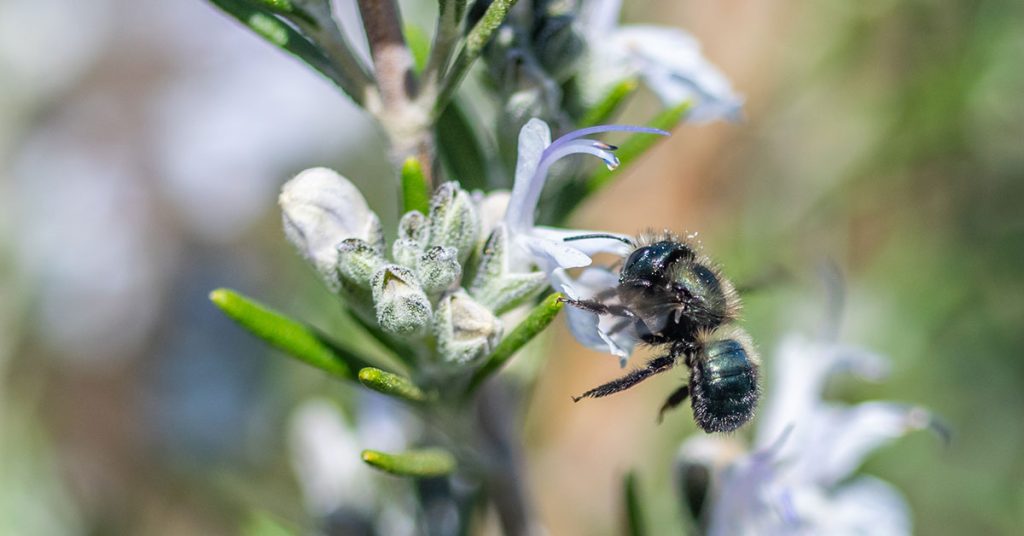
I often find tiny mason bees exploring loose soil near my compost bins, scouting for nesting sites. Encouraging diverse soil fauna now jumpstarts a living soil community that benefits both your compost and garden plants.
Control Odor and Pests Early
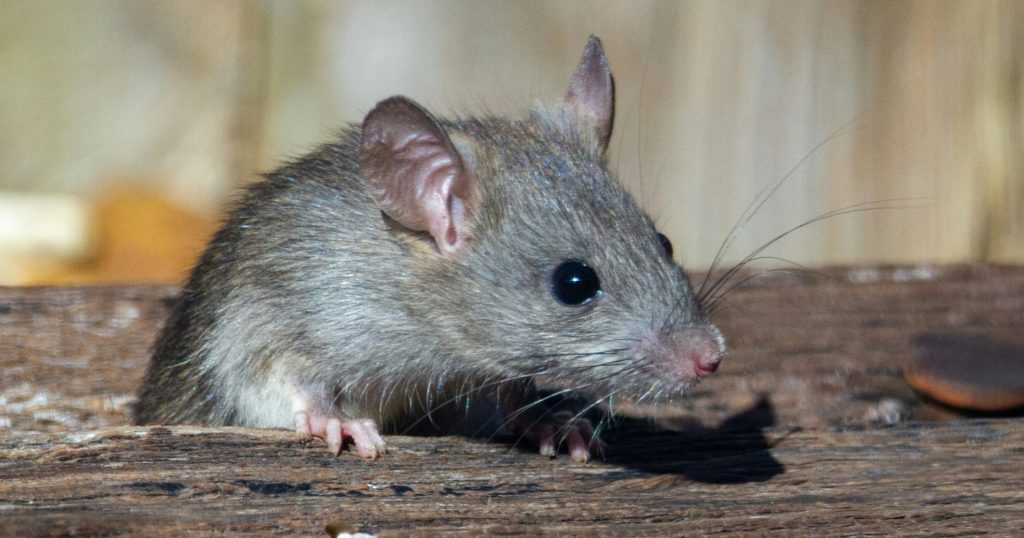
Composting in high summer temperatures helps decompose odorous compounds before stink becomes an issue. Proper layering of greens and browns and regular turning prevents anaerobic pockets that attract fruit flies or rodents. I always keep a tight-fitting lid on my bin and turn twice weekly to keep everything smelling fresh!
When fruit flies do appear, predatory mites and rove beetles move in to feast on their larvae. By establishing your compost early, you let beneficial predators build populations that keep pests in check.
Trial Composting Methods Now

August’s mild nights make it a great time to experiment with compost techniques—tumblers, vermicomposting bins, or simple bin piles—to see what works best in your space. I once tried a three-bin system and discovered the middle bin reached composting temperature fastest, thanks to improved airflow!
As you test methods, you’ll observe which setups attract the most worms or bee activity. Those insights guide your long-term compost strategy, ensuring efficient breakdown and minimal maintenance through the following seasons.
Build Composting Habits for Year-Round Success

Starting in August helps you develop a regular routine—collecting scraps, turning the pile, and monitoring moisture—while garden tasks are still fresh in your mind. By the time fall chores arrive, composting is second nature, and you won’t skip pile maintenance when the weather cools!
Consistent habits also maintain habitat for overwintering insects. I’ve found that a well-tended compost site offers refuge for beneficial wasps and lady beetles seeking shelter, ensuring they emerge in spring to support my plants.