
Hello, fellow garden enthusiasts! If you’ve ever felt frustrated by the endless cycle of mowing, weeding, and re-mulching your traditional grass lawn, you’re not alone. I’ve been there—wishing there was a more natural, sustainable way to keep my garden floor lush and vibrant all year long. That’s when I discovered living mulch, a low-growing ground cover that not only looks gorgeous but also performs a host of ecological functions. Living mulch can reduce water usage, improve soil health, and even attract beneficial insects that help protect your other plants. It’s a natural solution that transforms your outdoor space into an eco-friendly oasis without the hassle of constant maintenance!
In this article, I’m excited to share 9 compelling reasons why growing living mulch is a game-changer for your garden and introduce you to 7 fantastic living mulch plants that can elevate your landscape. From enhancing soil fertility and suppressing weeds to attracting pollinators and providing nesting sites for tiny critters, living mulch is a sustainable, multi-functional alternative to traditional lawns. Whether you’re a seasoned gardener or just beginning your green journey, these tips and plant suggestions will help you create a garden that’s both beautiful and beneficial—naturally, sustainably, and with minimal upkeep!
Water Conservation and Soil Moisture Retention

Living mulch is a true champion of water conservation! Because many living mulch species are native to dry, Mediterranean or prairie regions, they have evolved to require minimal irrigation once established. I’ve seen firsthand how a living mulch carpet retains moisture far more effectively than a traditional grass lawn, significantly reducing your water bill during those hot summer months. Their extensive, fibrous roots help to capture and hold water, ensuring that your garden remains hydrated even during drought conditions.
Moreover, the natural organic matter from living mulch decomposes slowly, continuously enriching the soil with nutrients while reducing evaporation. This moisture-retaining quality creates a stable microhabitat that supports the growth of beneficial soil microbes and attracts pollinators. With living mulch, you can enjoy a lush, green garden that stays gorgeous year-round without the constant need for watering!
Natural Weed Suppression and Erosion Control
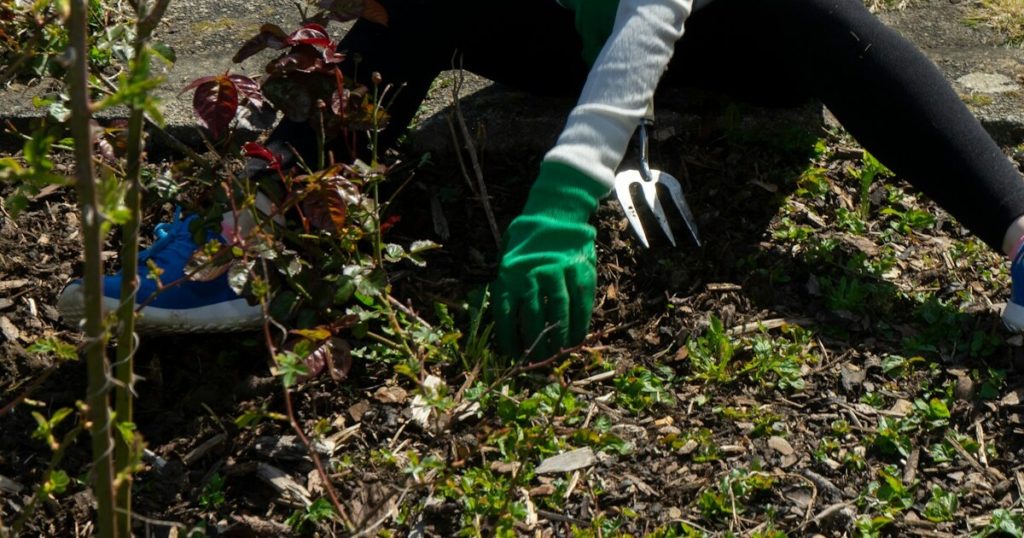
One of the standout benefits of living mulch is its remarkable ability to suppress weeds naturally. When planted as a dense ground cover, these plants form an impenetrable carpet that denies weeds the space and light they need to grow. I’ve often marveled at how my living mulch keeps weeds at bay, allowing my garden’s true stars to flourish without interference—a natural, chemical-free solution that saves time and frustration!
In addition to weed suppression, living mulch helps control soil erosion. Its spreading growth habit stabilizes the soil, reducing the risk of erosion during heavy rains or strong winds. The overlapping leaves and consistent organic matter create a natural barrier that holds the soil in place, much like the natural understory in native ecosystems. This dual function not only maintains a neat garden appearance but also preserves the integrity of your landscape.
Enhanced Soil Fertility and Microbial Activity

Living mulch is a natural fertilizer for your garden. As the mulch plants grow and shed leaves, they add organic matter back into the soil, which nourishes beneficial microbes and improves soil structure. I’ve seen how a living mulch system enriches the soil, providing a fertile foundation for all your plants without the need for synthetic fertilizers! This continuous cycle of growth and decay creates a thriving ecosystem beneath the surface that boosts overall plant health.
Furthermore, the intricate root systems of living mulch help break up compacted soil, promoting better aeration and nutrient cycling. This process not only improves the soil’s natural fertility but also creates a habitat for earthworms and other beneficial invertebrates. In essence, living mulch works as a natural soil enhancer, ensuring that your garden remains productive and sustainable throughout the year.
Attracts Beneficial Pollinators and Natural Predators
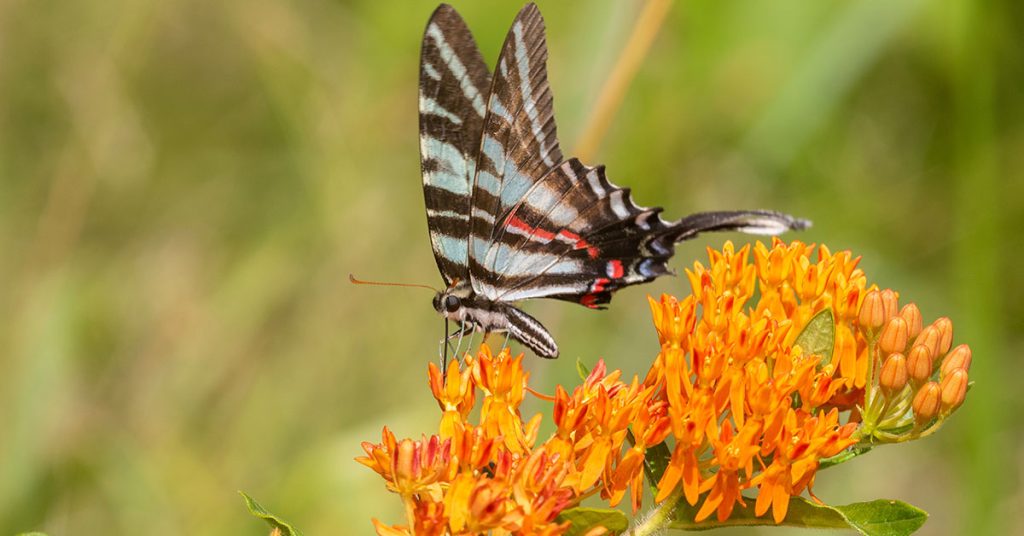
One of my favorite things about living mulch is how it attracts a diverse array of beneficial insects. Many living mulch species produce small, nectar-rich flowers that serve as an irresistible treat for bees, butterflies, and other pollinators. I’m always thrilled to see my garden buzzing with activity as these little helpers visit the mulch, which in turn supports natural pest control and improves the pollination of surrounding plants!
In addition to pollinators, living mulch often provides shelter for natural predators like ladybugs and lacewings that keep pest populations in check. Their presence creates a dynamic, self-regulating ecosystem that minimizes the need for chemical interventions. By choosing living mulch, you’re not only beautifying your garden but also fostering a natural environment where every plant supports the next—ensuring that your garden remains healthy and balanced all year long!
Improves Aesthetic Appeal and Garden Texture

Living mulch brings a unique, organic beauty to your garden that’s hard to match with traditional lawns. Its low-growing, lush foliage provides a soft, verdant carpet that enhances the visual appeal of your landscape. I absolutely love the textural contrast it offers—whether it’s the fine, delicate leaves of creeping thyme or the bold, vibrant spread of clover, each type adds its own charm and character to the garden!
Moreover, the natural color variations and subtle blooms of living mulch create a layered, dynamic look that complements taller plants and ornamental features. It’s not just about beauty—this diverse ground cover adds depth and dimension to your garden, making it appear more intricate and thoughtfully designed. With living mulch, your garden becomes a living work of art, where every inch is filled with natural texture and enduring elegance!
Reduces Maintenance and Labor Costs

Living mulch is a gardener’s dream when it comes to reducing maintenance and labor costs. Unlike a traditional grass lawn that demands frequent mowing, watering, and fertilizing, living mulch is low-maintenance and self-sustaining once established. I’ve experienced the joy of spending less time on tedious upkeep and more time enjoying the beauty of my garden! This reduction in labor not only saves you precious time but also decreases your overall gardening expenses—making it a smart choice for sustainable, cost-effective landscaping.
Additionally, the natural weed suppression and soil improvement provided by living mulch mean fewer interventions and less reliance on herbicides and fertilizers. The self-sustaining nature of living mulch creates an efficient, eco-friendly system where everything works together harmoniously. It’s a practical solution that delivers both beauty and economic benefits, ensuring that your garden remains gorgeous and productive with minimal effort.
Supports Sustainable and Eco-Friendly Gardening

One of the most inspiring reasons to grow living mulch is its contribution to sustainable, eco-friendly gardening practices. Many living mulch species are native to arid or nutrient-poor regions and have evolved to thrive without heavy inputs of water or synthetic fertilizers. I’m always excited to see how a garden filled with living mulch can transform into a low-maintenance, sustainable ecosystem that works in harmony with nature! By choosing living mulch, you’re reducing your environmental footprint while creating a resilient, thriving landscape.
Furthermore, living mulch promotes biodiversity by supporting a wide range of beneficial organisms—from pollinators and soil microbes to small birds and invertebrates. This natural synergy not only minimizes the need for chemical interventions but also enhances the overall health of your garden. Embracing living mulch is a powerful step towards a more sustainable future, where your garden becomes a model of ecological balance and natural beauty.
Provides Natural Habitat and Nesting Sites
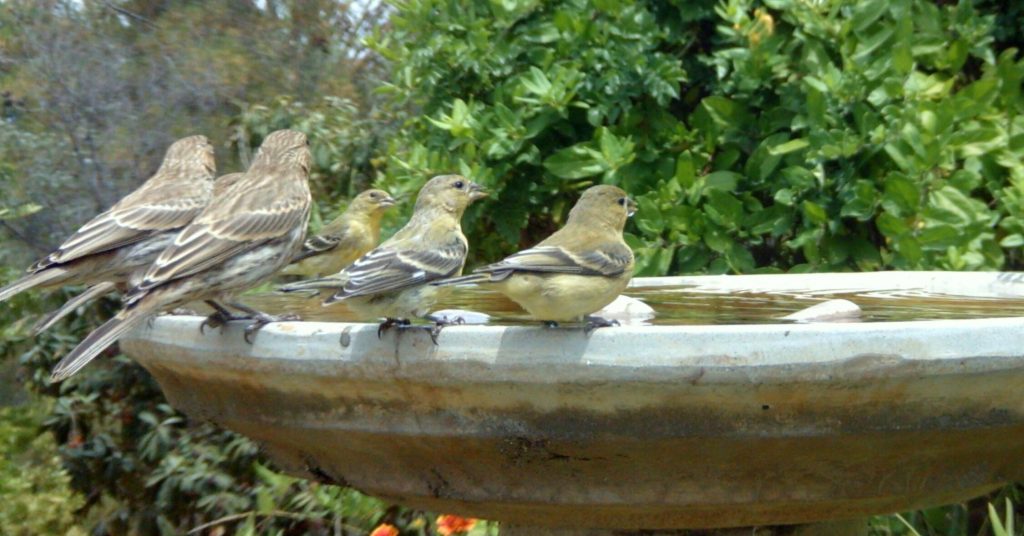
Living mulch does more than just cover your soil—it provides a natural habitat that supports a diverse array of wildlife. The interlacing, low-growing foliage creates ideal nesting sites for beneficial insects, such as solitary bees, and even offers shelter for small birds. I’ve seen how these microhabitats encourage natural pest control and enrich the garden’s ecosystem, making your outdoor space a bustling haven of life! It’s incredibly rewarding to know that your living mulch isn’t just beautiful; it’s actively supporting nature’s delicate balance.
Moreover, the consistent cover provided by living mulch helps protect soil-dwelling creatures and promotes a steady, natural food web. The plant’s native characteristics often include attracting pollinators and beneficial organisms, ensuring that every corner of your garden is alive with activity. This natural support system is a sustainable alternative to synthetic habitats, creating a resilient ecosystem where every plant and creature plays a vital role. It’s a perfect way to keep your garden gorgeous and ecologically vibrant all year round!
Enhances Overall Garden Resilience
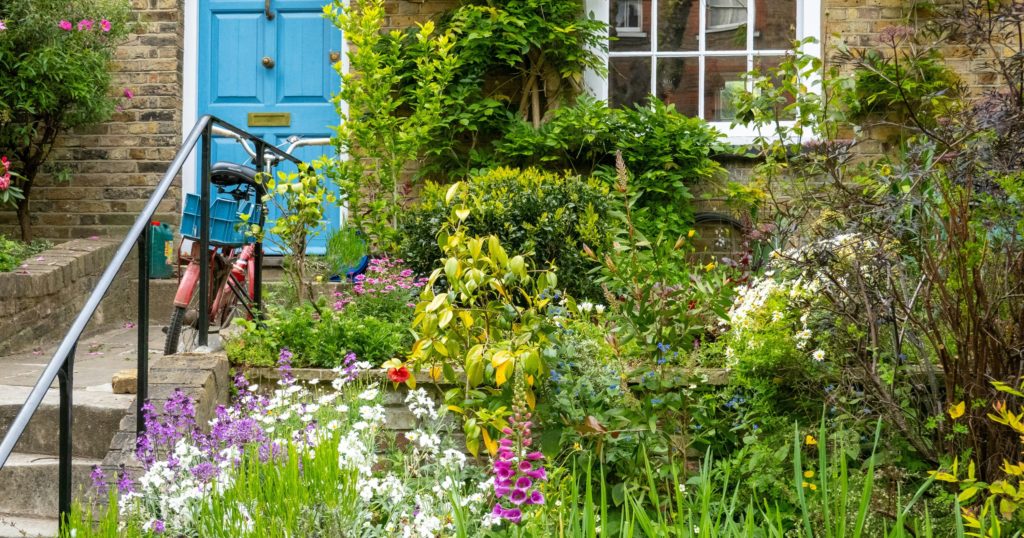
Living mulch is a powerhouse when it comes to enhancing the overall resilience of your garden. Its ability to improve soil structure, conserve moisture, and suppress weeds means that your garden is better prepared to withstand environmental stresses like drought, heavy rains, and temperature fluctuations. I’ve found that a garden rich in living mulch is not only more beautiful but also more resilient—a true testament to nature’s strength and adaptability! This resilience minimizes the need for external inputs, ensuring that your garden thrives naturally and sustainably.
Furthermore, living mulch creates a diversified ecosystem where beneficial organisms support each other, resulting in robust plant growth and natural pest control. The increased biodiversity makes your garden more resistant to disease and invasive species, providing a self-sustaining environment that endures through the seasons. It’s a long-term investment in the health and vitality of your outdoor space—a living shield that keeps your garden gorgeous year-round.
7 Living Mulch Plants
White Clover

White Clover (Trifolium repens), native to Europe, is a fantastic living mulch option that enriches the soil by fixing nitrogen. Its small, trifoliate leaves create a dense, low-growing carpet that not only suppresses weeds but also attracts beneficial pollinators like bees and butterflies. I’m always delighted by how white clover transforms a garden bed into a vibrant, living carpet, while also adding a subtle, natural charm that enhances the overall aesthetic! Although it can spread naturally in the wild, when cultivated in a managed garden it remains non-invasive and offers steady, year-round growth.
Moreover, white clover improves soil fertility by naturally adding nitrogen, which benefits neighboring plants. Its rapid growth and cheerful, white blossoms create a microhabitat that supports small insects and ground-dwelling creatures. By integrating white clover into your garden, you not only boost productivity but also promote a balanced ecosystem that thrives without synthetic fertilizers. It’s a sustainable, eco-friendly living mulch that truly elevates your garden’s health and beauty!
Creeping Thyme

Creeping Thyme (Thymus serpyllum), native to the Mediterranean, is a versatile living mulch that offers both aromatic delight and practical benefits. Its low, sprawling habit forms a dense, attractive carpet that naturally suppresses weeds and retains moisture in the soil. I’m always thrilled by how creeping thyme adds a burst of fragrance and delicate color to any garden, making it a perfect alternative to traditional lawns! Its non-invasive nature ensures that it remains contained and easy to manage, even in the most compact garden spaces.
In addition to its aesthetic appeal, creeping thyme attracts beneficial pollinators such as bees and butterflies, thanks to its small, nectar-rich flowers. The plant’s resilience and ability to thrive in well-drained, poor soils make it an excellent choice for sustainable, low-maintenance landscaping. As it blooms, creeping thyme provides a natural, living mulch that supports a healthy microhabitat and enriches the overall garden ecosystem. It’s a delightful, multifunctional ground cover that’s both beautiful and practical!
Creeping Jenny

Creeping Jenny (Lysimachia nummularia), native to Europe, is a charming ground cover known for its bright, golden-green foliage. Its trailing habit creates a vibrant, living carpet that is ideal for use as living mulch, providing excellent weed suppression and soil stabilization. I’ve been captivated by the way Creeping Jenny cascades over garden borders and along pathways, adding a splash of unexpected color and texture that elevates the overall landscape! While it can be invasive in some wild settings, when cultivated in a controlled garden, it remains non-invasive and easy to maintain.
Moreover, Creeping Jenny enhances the garden’s microhabitat by offering a natural, low-growing layer that attracts beneficial insects and soil organisms. Its rapid spreading habit and bright, shiny leaves help to cover bare soil, reducing erosion and improving moisture retention. Growing Creeping Jenny as a living mulch not only adds visual interest but also contributes to a healthier, more sustainable garden ecosystem. It’s a versatile ground cover that brings both beauty and function to your outdoor space!
Creeping Sedum
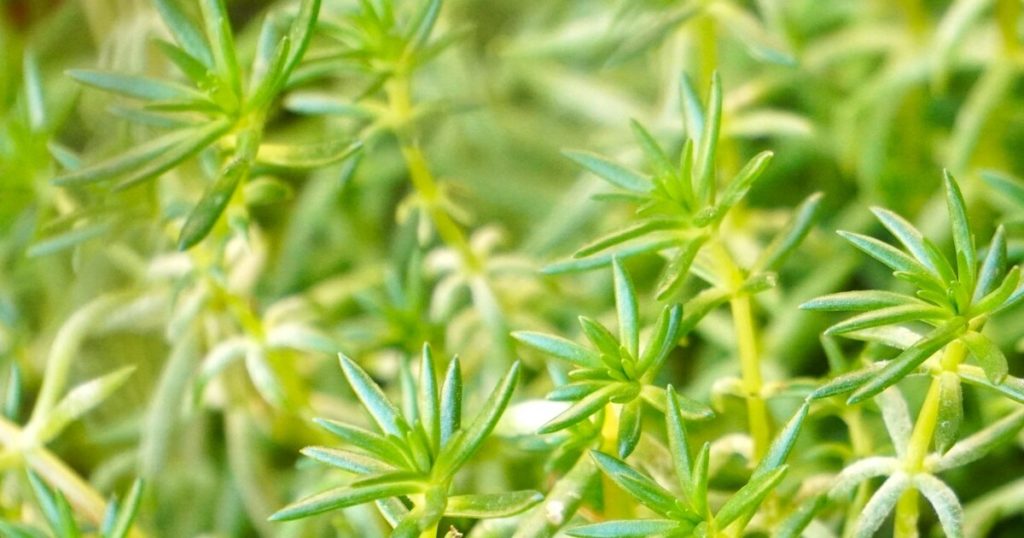
Creeping Sedum (Sedum acre), native to Europe, is an excellent succulent choice for a living mulch that thrives in sunny, dry conditions. Its small, fleshy leaves form a dense mat that effectively suppresses weeds and conserves soil moisture—ideal for rock gardens and container plantings. I’m always impressed by the way Creeping Sedum adds a subtle, natural texture to my garden while requiring minimal care, making it a perfect, low-maintenance alternative to traditional ground cover! Its non-invasive nature ensures that it won’t overwhelm your garden, allowing the beauty of its vibrant, star-shaped flowers to shine through.
Additionally, Creeping Sedum attracts a variety of beneficial insects, including pollinators and soil-dwelling organisms, which help improve overall garden health. Its hardy, drought-tolerant nature means that it flourishes even in arid conditions, mirroring the resilience of plants in its native habitats. By incorporating Creeping Sedum into your landscape, you create a natural, living mulch that not only looks beautiful but also supports ecological balance. It’s a sustainable, eco-friendly option that enhances both form and function in your garden!
Ajuga (Bugleweed)

Ajuga, commonly known as Bugleweed and native to Europe, is a versatile ground cover that offers both ornamental beauty and practical benefits as a living mulch. Its attractive, glossy leaves and spikes of blue or purple flowers create a striking display that naturally attracts pollinators and beneficial insects. I’m always excited by how Ajuga can brighten up garden borders and pathways with its vivid colors while suppressing weed growth—a true win for low-maintenance gardening! Although it spreads moderately in the wild, when cultivated in a garden it remains non-invasive and can be easily managed with occasional trimming.
In addition to its visual appeal, Ajuga provides a natural habitat for small invertebrates and soil microbes that contribute to overall garden health. Its dense, mat-forming growth improves soil stability and moisture retention, creating a balanced microhabitat that supports adjacent plants. Growing Ajuga as a living mulch enhances the garden’s biodiversity, ensuring that beneficial species have a safe space to thrive. It’s a charming, eco-friendly ground cover that combines aesthetic beauty with practical functionality!
Purslane

Purslane (Portulaca oleracea), native to warm regions of the Mediterranean, is an edible succulent that makes an excellent living mulch. Its fleshy, succulent leaves form a low, spreading mat that is both drought-tolerant and nutrient-rich, providing a natural barrier against weeds and soil erosion. I’ve discovered that pursuing a garden with Purslane not only yields a delicious, tangy addition to salads and teas but also creates a resilient, living carpet that thrives in full sun. Although wild Purslane can sometimes be seen as a weed, when cultivated intentionally it remains non-invasive and an invaluable component of sustainable gardening!
In addition to its culinary benefits, Purslane attracts a surprising array of beneficial insects, including bees and ground beetles, which help support natural pest control. Its bright, fleshy foliage creates a microhabitat that improves soil health through its efficient water retention and organic matter contribution. By using Purslane as living mulch, you’re not only enhancing the aesthetic appeal of your garden but also bolstering its overall resilience and productivity. It’s a versatile, eco-friendly option that brings both flavor and function to your outdoor space!
Chamomile
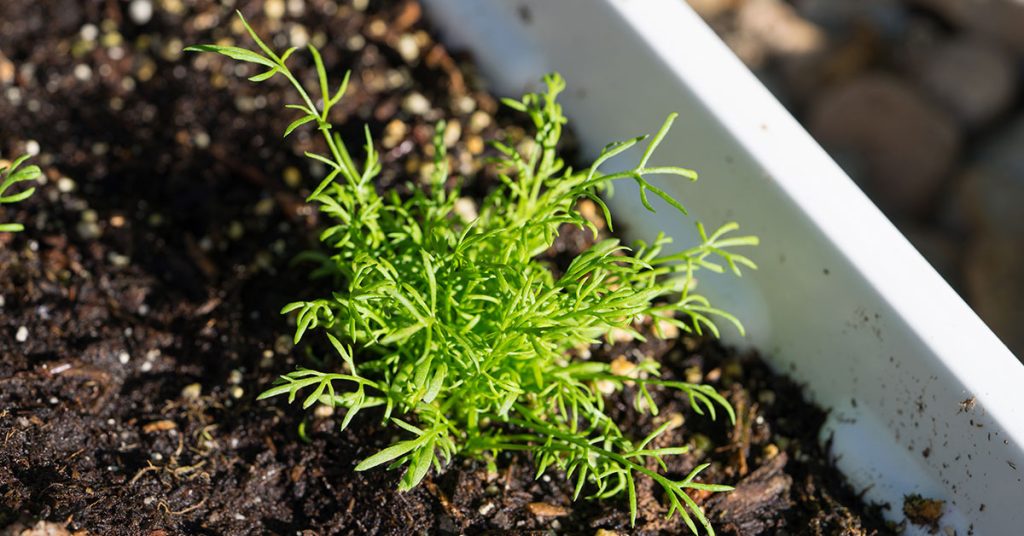
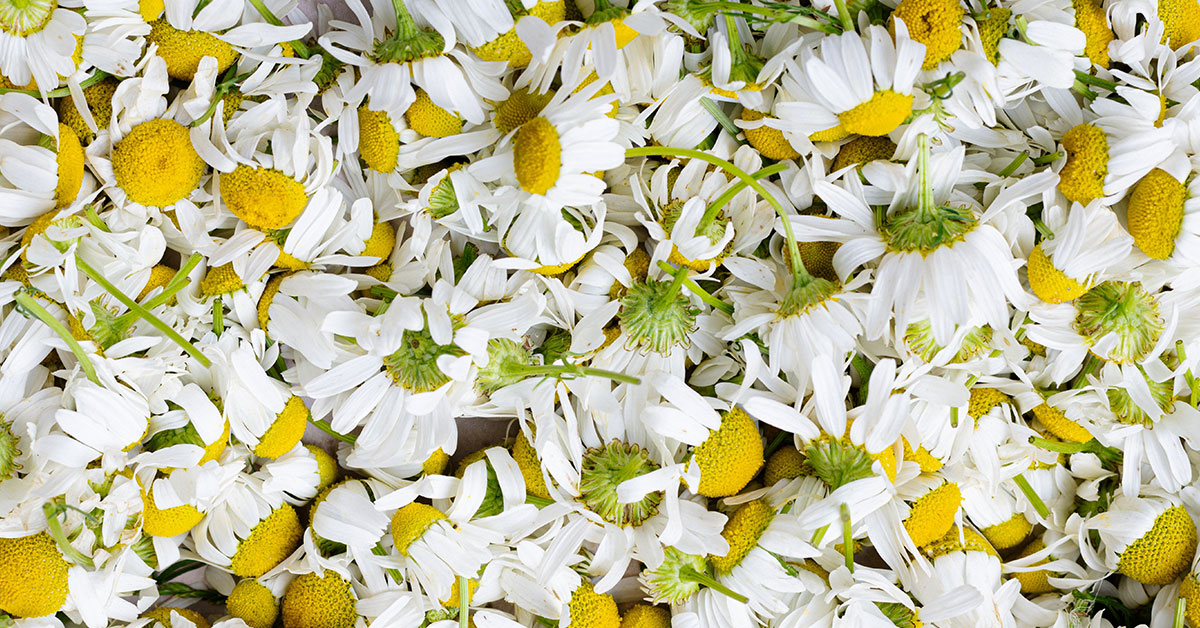
Chamomile (Matricaria chamomilla), native to Europe and Western Asia, is a delicate yet powerful herb that works wonderfully as a living mulch. Its small, daisy-like flowers and finely divided foliage create a soft, natural carpet that suppresses weeds and helps conserve soil moisture. I love how chamomile infuses my garden with a gentle, soothing fragrance that attracts beneficial pollinators like bees and butterflies—each bloom a tiny reminder of nature’s calming touch! Although chamomile can self-seed in the wild, cultivated varieties in a managed garden remain non-invasive and are easy to care for.
Beyond its visual and aromatic charm, chamomile is prized for its medicinal properties and culinary uses. As it decomposes, its delicate leaves add organic matter to the soil, fostering beneficial microbial activity and enhancing overall soil fertility. Growing chamomile as a living mulch not only beautifies your garden but also creates a nurturing microhabitat that supports natural pest control and promotes robust plant growth. It’s a delightful, multi-functional herb that enriches both your garden and your well-being!