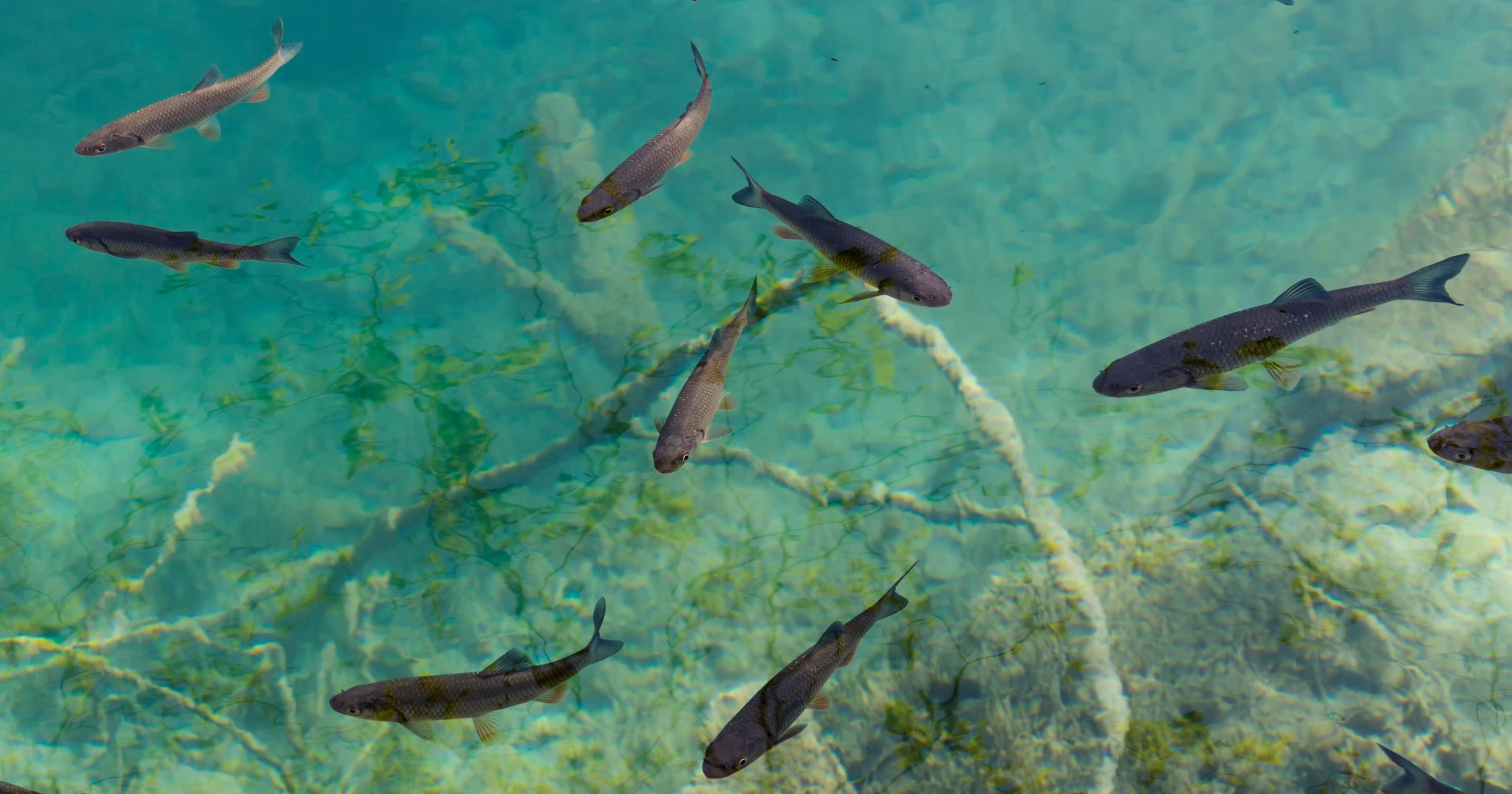

Pond gardening is such a rewarding adventure—but balancing that ecosystem can be tricky! If you’ve ever battled murky water, out-of-control algae, or pond plants that just seem to struggle no matter what you do, I completely understand. It’s such a bummer when you’ve carefully selected your water lilies or floating hearts, only to find them floundering instead of flourishing. But here’s a delightful secret: adding fish to your pond can completely change the game—for the better!
Fish do more than just add movement and color to your pond. They actively support the health of your aquatic plants through nutrient cycling, pest control, and even aeration. Whether you keep koi, goldfish, mosquito fish, or minnows, their presence plays a vital role in creating a thriving, balanced environment. Let’s explore how these little swimmers help make your pond plants stronger, greener, and more beautiful than ever!
Fish Waste Feeds Pond Plants
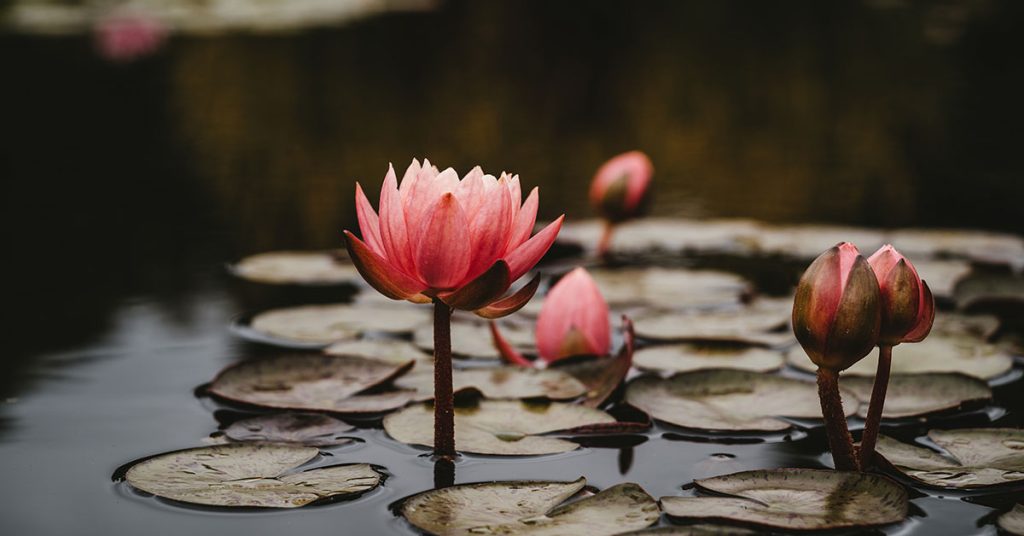
Fish don’t just swim—they fertilize! Their waste is full of nutrients like nitrogen and phosphorus, which aquatic plants need for strong, healthy growth. In a pond without fish, you might have to supplement with liquid fertilizers, but with fish present, nature handles the feeding for you in a gentle, continuous cycle.
One of the best things about this relationship is how organic it is. Your plants absorb the nutrients before they can fuel algae blooms, creating a natural balance. I’ve seen marginal plants like Pontederia (pickerel weed) and Iris pseudacorus really take off once fish are introduced. It’s a natural boost that leads to lusher foliage and stronger blooms without any synthetic input!
They Control Algae by Supporting Plant Competition
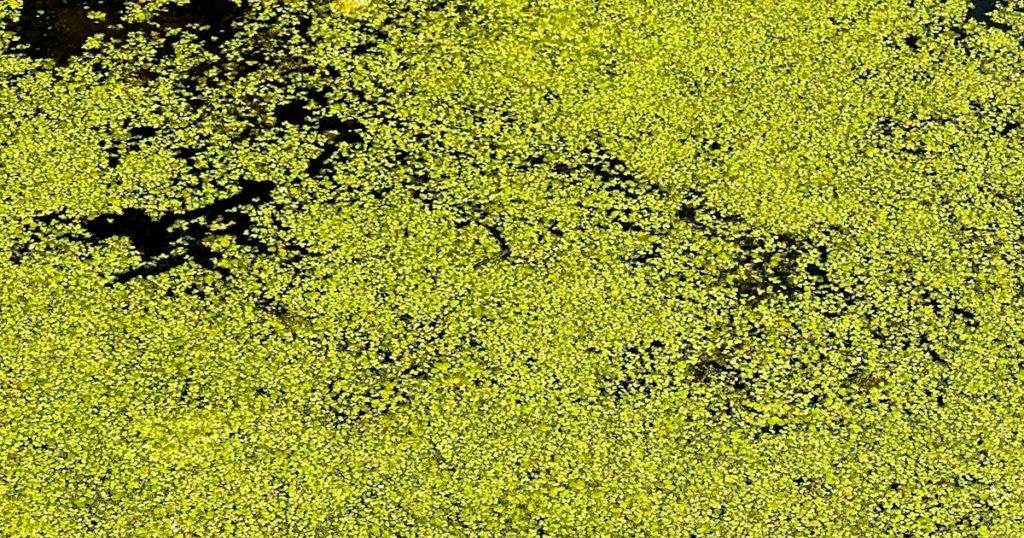
When nutrients build up without proper absorption, algae takes over—clouding the water and choking out other plant life. Fish help prevent this not just by producing waste, but by indirectly feeding the rooted and floating plants that outcompete algae for light and nutrients. It’s all about balance!
I’ve found that when you maintain a healthy fish population alongside a variety of submerged plants like Hornwort and Anacharis, you get clearer water and far fewer algae issues. These submerged plants thrive on the nutrient load that fish contribute and block sunlight from reaching algae spores. It’s like having a team of invisible helpers working behind the scenes to keep your pond beautiful.
Fish Eat Insect Larvae That Harm Plants
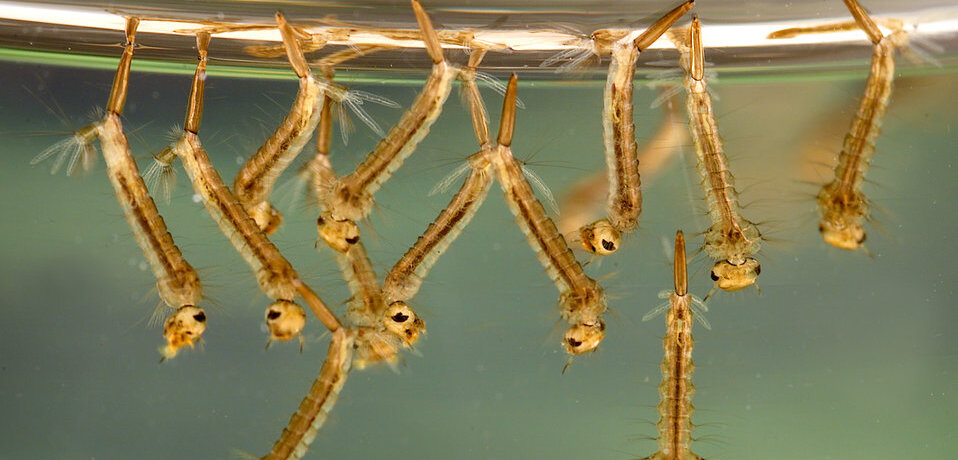
Mosquito larvae and other aquatic insect pests can nibble or lay eggs on your pond plants, causing unsightly damage. Fortunately, fish love snacking on these larvae. By keeping populations of pests in check, fish protect delicate floating and emergent plants from being overrun or chewed to bits.
Watching goldfish hunt mosquito wigglers near water lettuce or frogbit is a regular joy in my pond. It’s not just entertaining—it’s effective! This also helps reduce the need for chemical pest control. Healthy plants mean less disease, better flowering, and more resilience against stress—and it all starts with good predator-prey balance.
Fish Stir the Water and Improve Oxygen Flow

Some fish, like koi and larger goldfish, gently stir the bottom layers of the pond as they forage. This subtle movement helps circulate water and prevents dead zones where nutrients or debris can build up. Better circulation also improves oxygenation, which is essential for both plants and beneficial bacteria.
In still, stagnant water, plants can suffer from poor nutrient uptake and root rot. I’ve noticed a big improvement in the vigor of submerged oxygenators and even my water lilies when fish help keep things moving. The gentle stirring mimics what wind or wildlife would do in a natural pond, keeping everything just a little more active and alive.
Fish Help Break Down Plant Debris

Dead leaves, decaying roots, and leftover plant matter can create sludge if left unchecked. While fish don’t break down this material directly, their constant movement keeps organic matter suspended long enough for microbes and bacteria to do their job. Some species, like koi and certain minnows, even nibble on decaying leaves themselves.
This leads to cleaner water and happier plants! If you’ve ever had trouble with floating leaves smothering duckweed or water hyacinth, fish can help keep the mess under control. It’s not a substitute for manual cleanup, but it makes the maintenance much easier and helps support a healthier cycle overall.
They Keep Snail Populations in Balance

While some snails are helpful, others can damage young aquatic plants by eating tender shoots and stems. Fish help manage snail populations, especially smaller fish like mosquito fish and goldfish, who will pick off baby snails before they become a problem. A well-balanced pond won’t tip too far in either direction.
In my own pond, once I added a few goldfish, the mystery snail explosion I’d been dealing with calmed right down. Plants like Hydrocotyle and Nymphoides stopped showing signs of chewing damage, and the overall plant health improved dramatically. A few fish go a long way when it comes to keeping things in check!
Fish Attract Other Beneficial Wildlife

By adding fish to your pond, you invite a cascade of wildlife interactions that benefit the entire system. Birds, frogs, and dragonflies are all drawn to a dynamic pond environment. Frogs and toads often nest in fish-populated ponds, and their tadpoles further clean the water and help break down algae.
That added wildlife activity brings in pollinators and beneficial insects that might nest near aquatic plants. I’ve even seen birds use the dense reeds and rushes for nesting material, and dragonflies lay eggs among pickerelweed. It creates a thriving, vibrant habitat where pond plants feel like part of a much larger, interdependent community.
They Encourage a Balanced Microbial Community
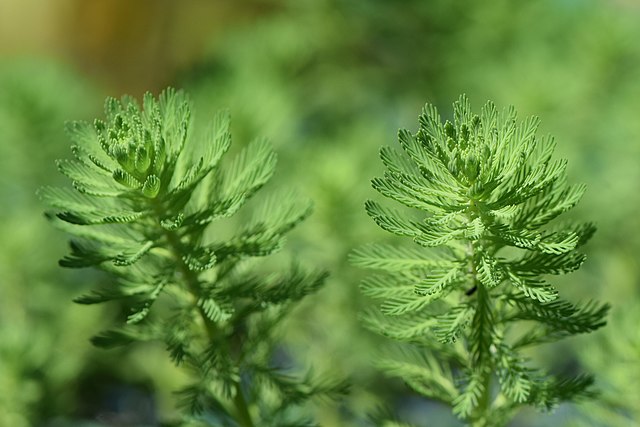
Fish waste feeds beneficial bacteria, which in turn help process nutrients into forms that pond plants can readily absorb. This invisible microbial workforce lives in the gravel, on plant roots, and throughout the water column. A strong bacterial population leads to better water clarity and stronger plant growth.
I’ve noticed that once fish were introduced and the bacterial colonies had time to adjust, the water lilies bloomed longer, and even finicky plants like Parrot’s Feather started thriving. It’s one of those behind-the-scenes benefits that takes a little time to kick in but makes a big impact over the course of a growing season.