
Spring is a time of renewal and hope, and what better way to celebrate Easter than by surrounding your home with vibrant blooms steeped in symbolism? In my years of gardening, I’ve found that these nine flowers not only bring breathtaking color to any space but also carry deep, meaningful messages that resonate with the spirit of rebirth. Their elegant hues and delicate forms remind us of new beginnings and inspire us to embrace change with open hearts!
I know how frustrating it can be when pests invade your garden or when plants don’t thrive despite your best efforts. Trust me, I’ve experienced those moments too—scrambling to rescue a wilting bloom or battling unwanted growth. That’s why I’ve curated this guide with a gardener’s passion and plenty of practical details. Each section dives into the origins, care habits, and even the little behaviors (like attracting pollinators and offering nesting spots) of these popular Easter flowers.
Tulip
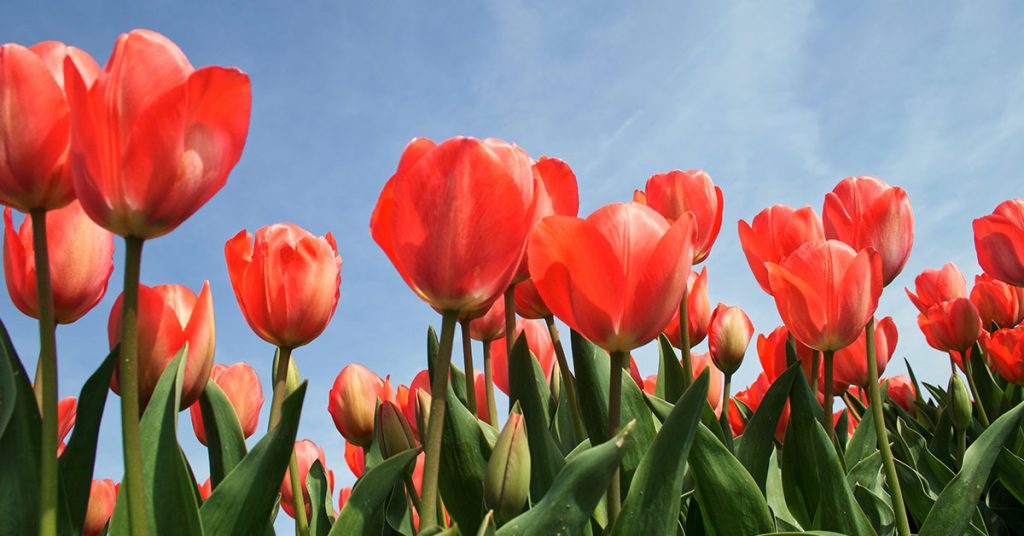
Tulips are a timeless symbol of perfect love and elegance, renowned for their bold, cup-shaped blooms that come in an array of vivid colors. Native to Central Asia and famously cultivated in Turkey and the Netherlands, these flowers have long been cherished for their dramatic flair. I’m always thrilled by the way tulips seem to capture the essence of spring—each bloom a joyful burst of color that can instantly elevate your home décor! Their rich hues, which sometimes mirror the soft blush of a rose, make them a striking choice for those who appreciate nature’s artistic touch.
In addition to their visual appeal, tulips attract a variety of pollinators, from buzzing bees to delicate butterflies, who find the vibrant petals irresistible. Despite their popularity, tulips are not considered invasive when grown indoors, making them ideal for container gardening. Their graceful, cup-like structure sometimes even offers tiny creatures a cozy perch, turning your indoor garden into a dynamic ecosystem. With minimal care and maximum charm, tulips bring both beauty and a hint of wild, natural magic to any Easter celebration!
Easter Lily
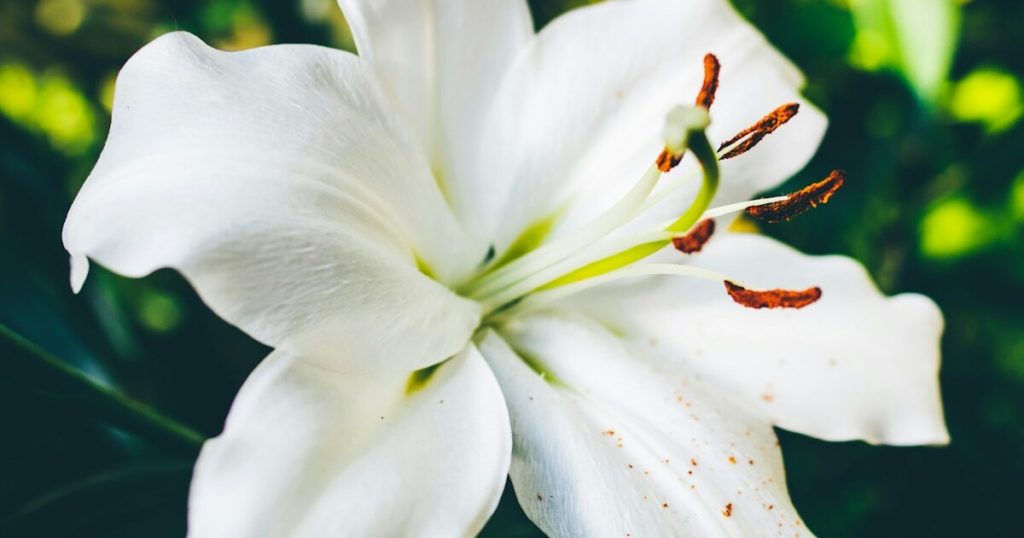
Easter Lilies are perhaps the quintessential symbol of resurrection and purity, celebrated for their elegant, trumpet-shaped white blooms that exude a heavenly fragrance. Native to Japan and widely cultivated in the United States, these lilies hold a special place during the Easter season. I always marvel at the way their luminous petals seem to radiate hope and serenity, transforming even the simplest space into a spiritual haven! Their classic beauty and symbolic meaning make them a favorite for those who want to celebrate the essence of renewal.
Beyond their spiritual significance, Easter Lilies are wonderful at attracting beneficial pollinators such as bees and butterflies, which sometimes find safe nesting sites among their lush foliage. While they thrive in warm, humid environments, they remain non-invasive when grown in pots indoors. Their robust yet refined nature not only purifies the air but also serves as a gentle reminder that beauty and resilience can flourish with just a little care. For anyone looking to infuse their home with a sense of divine renewal, the Easter Lily is an inspiring and manageable choice!
Crocus
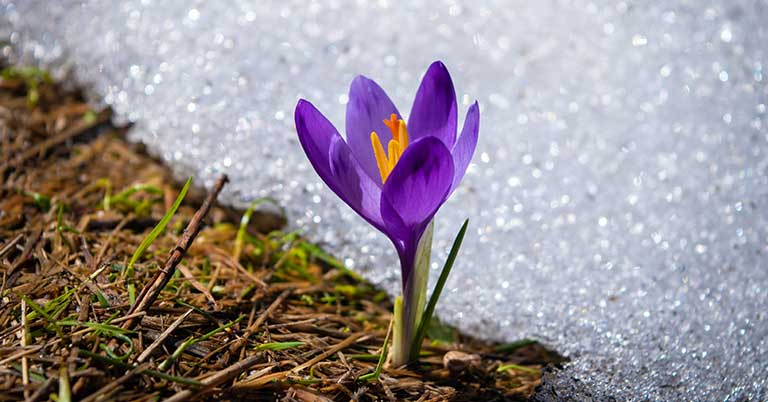
Crocuses are among the first harbingers of spring, offering delicate blooms that often sport hues reminiscent of soft, rose-like pinks and purples. Native to regions stretching from the Mediterranean to Central Asia, these charming flowers symbolize rebirth and the end of winter’s gloom. I find it incredibly uplifting to see a patch of crocuses emerging from the soil—it’s like nature’s way of celebrating the promise of a new season! Their subtle yet radiant colors bring a quiet sophistication to any indoor space.
Crocuses are also known for attracting a host of early-season pollinators, including bees that eagerly flit from one bloom to another. Their compact growth habit and non-invasive nature make them perfectly suited for container planting, ensuring that even a small space can burst into life with minimal fuss. The way crocuses open up in the early light, revealing their soft, petal-clad centers, is a true delight for any gardener seeking to capture the essence of spring and the gentle allure of rose-toned beauty!
Daffodil
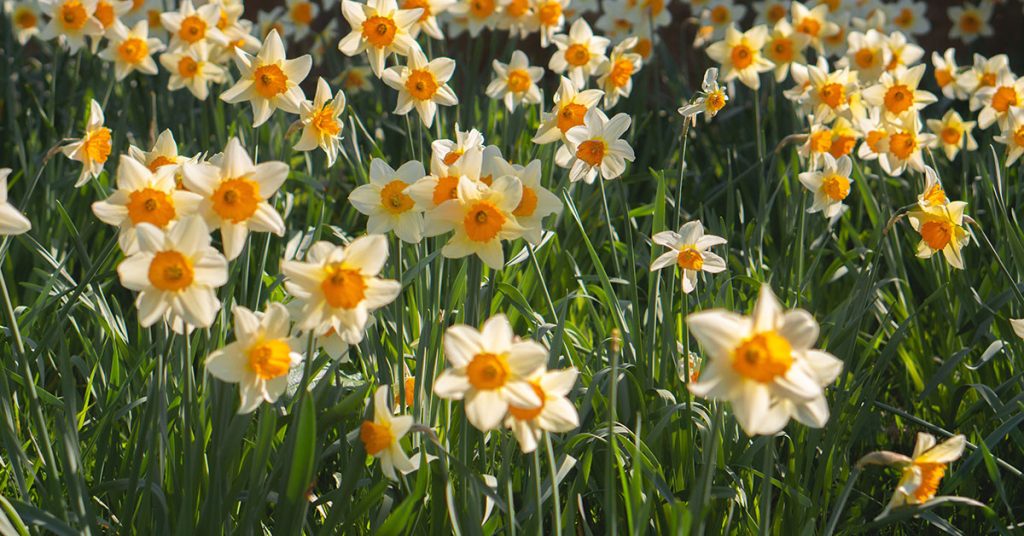
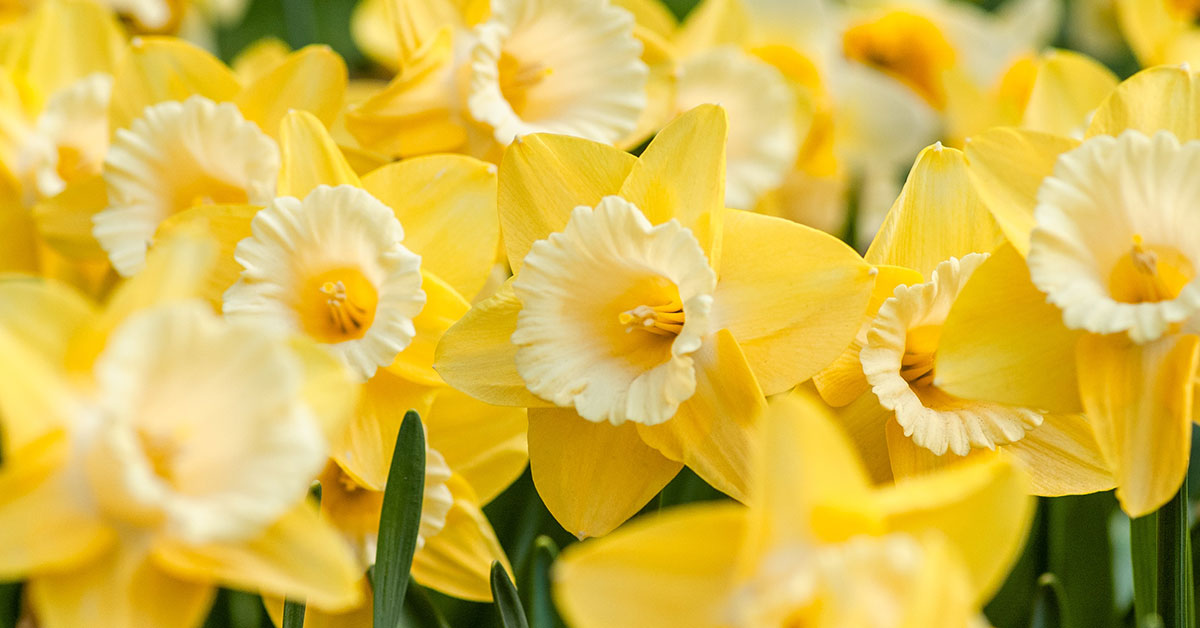
Daffodils, with their sunny yellow and sometimes blush-toned trumpets, have long been associated with new beginnings and hope. Native to Europe and North Africa, these resilient blooms herald the arrival of spring and are celebrated for their uplifting symbolism during Easter. I’m always excited by the cheerful burst of color that daffodils bring into a room—each blossom seems to whisper promises of renewal and joy! Their radiant appearance is a gentle reminder that after every winter, there comes a season of brightness and rebirth.
These hardy flowers are not only delightful to the eye but also serve as a magnet for various pollinators who contribute to a balanced indoor ecosystem. Daffodils remain non-invasive when cultivated in containers, making them an excellent choice for gardeners who appreciate beauty without the burden of overgrowth. Their natural ability to purify the air while simultaneously adding a burst of sunny optimism makes daffodils a treasured addition to any Easter celebration, ensuring your home stays both vibrant and healthy!
Iris
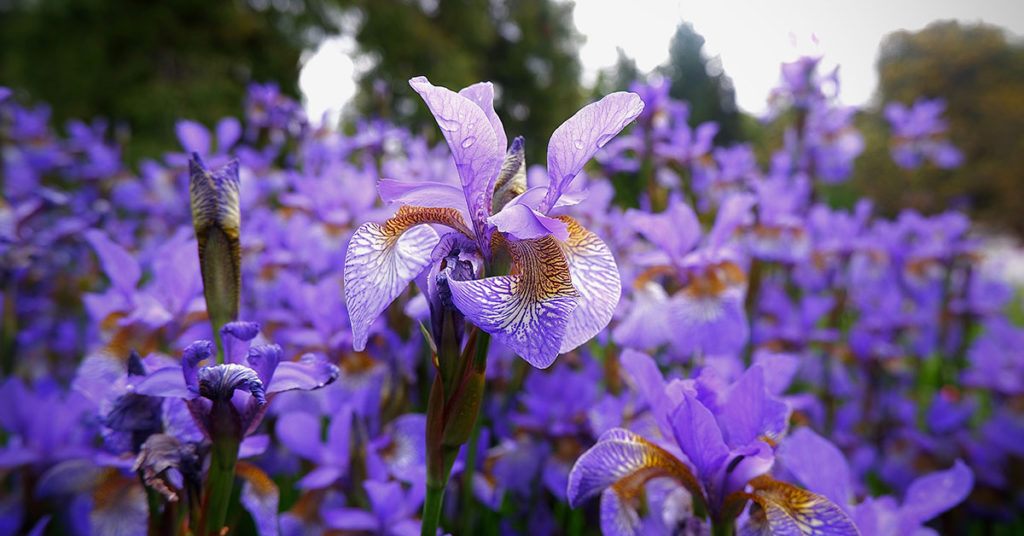
Iris plants are known for their dramatic, sword-like leaves and elegant, rose-toned blooms that evoke a sense of regal beauty. Native to regions spanning the Mediterranean to Central Asia, irises carry a rich history of symbolism, often representing hope, wisdom, and valor. I find their intricate patterns and striking colors absolutely mesmerizing—each bloom seems to capture a delicate balance of strength and grace that makes them perfect for celebrating the transformative spirit of Easter! Their sophisticated hues can rival the soft, romantic colors of roses, offering a refined aesthetic to any indoor garden.
In addition to their stunning appearance, irises are great at attracting beneficial insects that contribute to the health of your indoor ecosystem. They thrive in well-drained soil and remain non-invasive when grown in containers, so you can enjoy their beauty without worrying about overgrowth. Their elegant structure sometimes even provides little perches for tiny pollinators, turning your indoor space into a lively, interconnected habitat. With minimal care and maximum impact, irises are a stellar choice for those seeking to infuse their home with both beauty and meaning this Easter!
Hyacinth
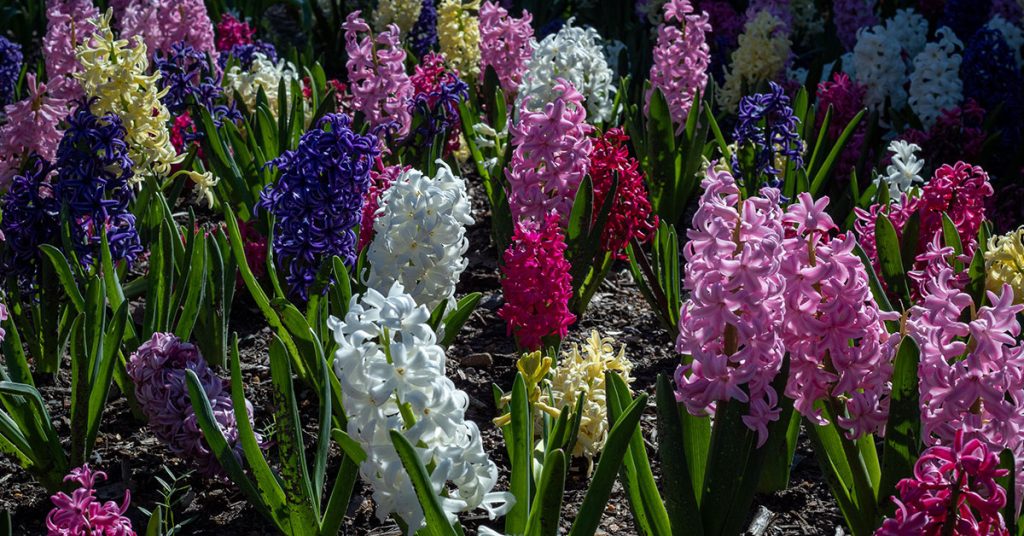
Hyacinths burst forth with clusters of densely packed, fragrant flowers that often come in delicate shades akin to soft roses. Native to the Eastern Mediterranean and widely cultivated across Europe, these blooms are rich in symbolism, representing both playfulness and the promise of new beginnings. I’m always captivated by the heady aroma of hyacinths—it’s as if each cluster releases a whisper of spring, inviting you to celebrate life’s beauty! Their vibrant color palette adds a luxurious touch to any indoor space, making them a popular choice during the Easter season.
Besides their intoxicating fragrance, hyacinths play a vital role in attracting beneficial pollinators such as bees, who are drawn to the rich nectar hidden within their blossoms. They are well-behaved indoors and non-invasive, thriving in a container where their clustered growth adds depth and texture to your decor. Their robust nature means they can endure periods of neglect while still managing to brighten your home with their lush, rose-like hues. For any gardener seeking a delightful fusion of scent, color, and symbolism, hyacinths are a true treasure!
Anemone
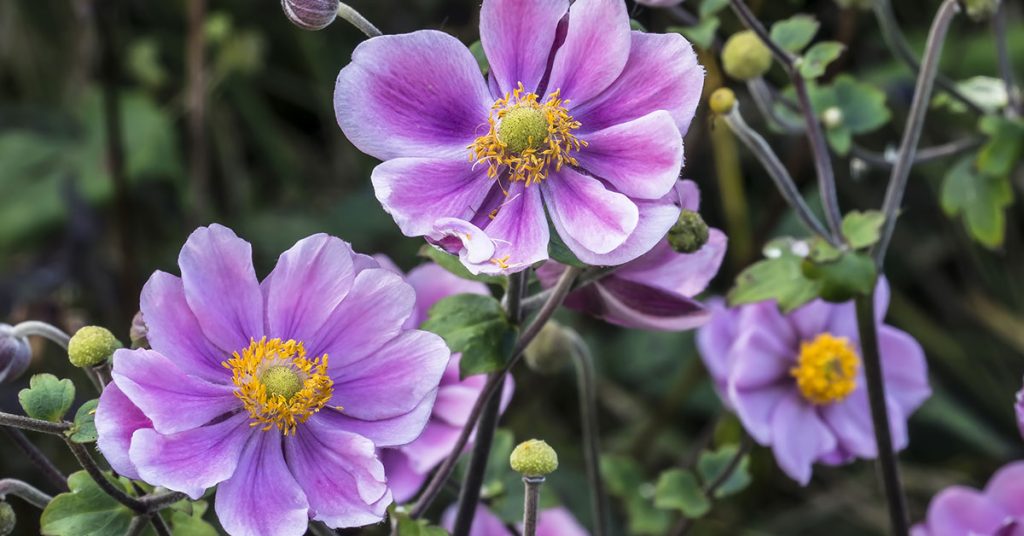
Anemones are charming flowers that grace the spring with their delicate, papery petals and subtle color palettes, often featuring soft pinks that echo the gentle tone of roses. Native to various regions including the Mediterranean and parts of Asia, anemones have long been associated with anticipation and fragility. I’m fascinated by how their airy, wind-swept appearance creates an impression of movement and grace, as if they’re dancing to the rhythms of the spring breeze! Their understated elegance makes them a refreshing addition to any indoor setting, perfectly capturing the ephemeral beauty of the season.
Anemones are also known to attract small pollinators, including tiny bees and butterflies, who are drawn to their open, inviting blooms. Their growth habit is compact and non-invasive, ensuring that they add beauty without overwhelming your indoor garden space. The soft, rose-inspired hues of anemones bring a touch of romance and subtle sophistication to your decor, reminding you that even the most delicate flowers can carry profound meaning. With minimal care and a quietly enduring charm, anemones offer a poetic celebration of Easter’s promise!
Pansy
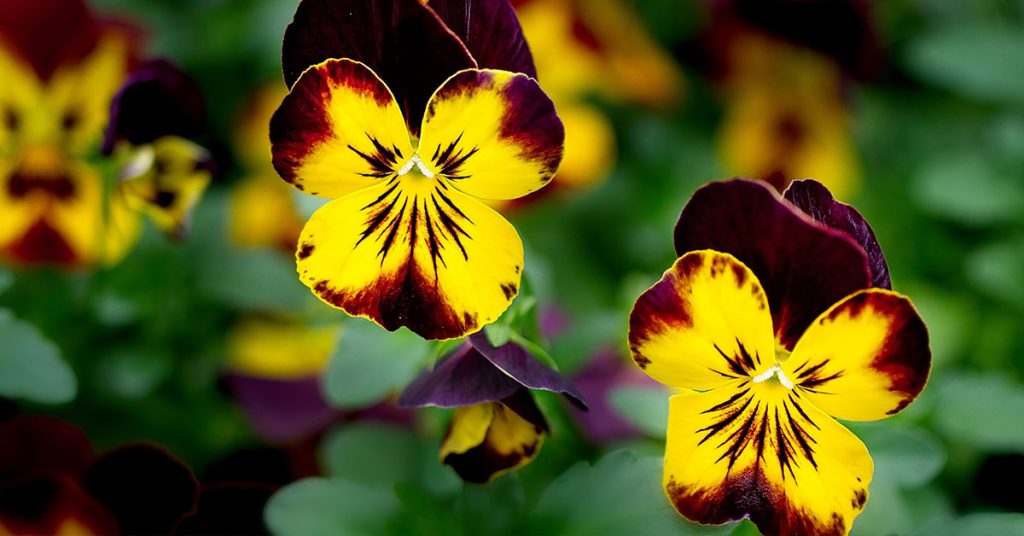
Pansies are beloved for their velvety petals and richly hued blooms that often feature colors reminiscent of classic roses. Native to regions of Europe and introduced across many parts of the world, pansies symbolize love, admiration, and thoughtfulness. I’m particularly taken by how these cheerful flowers bring a splash of color and warmth to indoor spaces, creating a welcoming atmosphere that is both comforting and inspiring! Their expressive faces seem to smile at you, inviting beneficial insects to visit and contribute to a thriving, natural microcosm.
These versatile blooms are ideal for container gardening and remain non-invasive when cared for properly indoors. Pansies attract a variety of pollinators, including bees that relish the sweet nectar hidden within their velvety petals. Their ability to adapt to a range of light conditions makes them a practical choice for busy gardeners who want beauty without the extra hassle. With their rich, rose-like tones and delightful personality, pansies are a testament to nature’s capacity to blend charm, resilience, and meaningful symbolism—making them a perfect addition to your Easter celebration!
Ranunculus
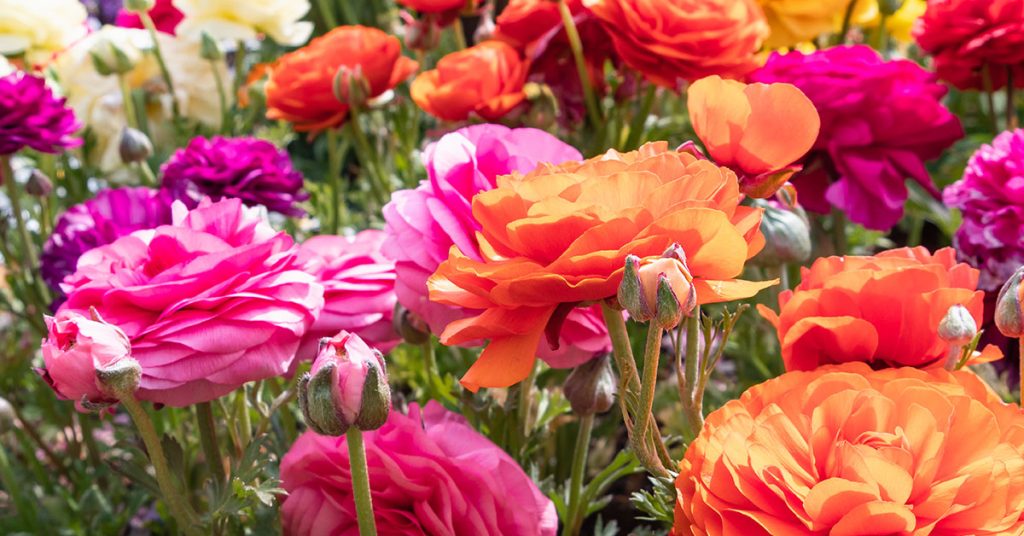
Ranunculus captivates with its intricately layered petals and brilliant, rose-inspired hues that evoke passion and vibrant energy. Native to the Mediterranean region and parts of Asia, this flower is celebrated for its lush, almost paper-thin petals that unfurl in a cascade of color. I find the exquisite form of ranunculus absolutely enchanting—each bloom seems to embody the delicate beauty of a rose, yet with a distinct, ethereal quality that makes it truly unforgettable! Their lavish display is a visual feast, perfect for marking the joyful spirit of Easter.
Beyond their striking appearance, ranunculus flowers are also known for attracting a range of pollinators that help enliven your indoor garden. Their compact growth habit and non-invasive nature mean that they can be enjoyed in pots or small garden beds without overwhelming the space. The graceful curves of their petals often provide tiny shelters for beneficial insects, subtly contributing to a balanced ecosystem. With a blend of stunning aesthetics and practical resilience, ranunculus is a captivating choice that brings both beauty and symbolic meaning to your home during this season of renewal!