

Gardening in heavy clay soil can feel like a constant battle, but with the right plants, your garden can truly flourish even in the most challenging conditions! I know how disheartening it is when your favorite blooms struggle in compact, water-retentive soil, but don’t lose hope—there are many hardy perennials that not only survive but thrive in clay. In this article, I’m excited to share nine resilient plants that are perfect for transforming heavy clay soil into a lush, vibrant landscape. Each plant comes with its own fascinating native story and unique characteristics, from attracting beneficial pollinators to offering natural nesting spots for insects!
Whether you’re a seasoned gardener or just beginning your green journey, these perennials promise to bring structure, color, and ecological balance to your garden. I’ve handpicked these selections based on their proven performance in heavy clay conditions, ensuring that you’ll enjoy both beauty and functionality. With regular care and a bit of patience, these plants will turn your clay soil into a thriving oasis. So, roll up your sleeves, and let’s dive into a randomized mix of garden champions that will help you conquer clay with confidence and joy!
Coneflower (Echinacea purpurea)

Coneflower, native to the prairies of central and eastern North America, is a perennial that brings both resilience and stunning beauty to your garden. These daisy-like blooms not only add a burst of purplish-pink color but also attract a host of beneficial insects such as bees and butterflies that are essential for a balanced garden ecosystem. I’ve seen coneflowers create a natural haven where these pollinators seem to gather in abundance, making them a real treat for anyone who loves a lively garden!
In addition to their beauty, coneflowers are known for their hardiness in various soil types, including heavy clay. They have deep, fibrous roots that help break up compact soil and improve drainage over time. While coneflowers are generally non-invasive, a bit of deadheading encourages prolonged blooming and prevents unwanted self-seeding. Their robust nature and ecological benefits make them an ideal choice for gardeners aiming to transform challenging soils into thriving landscapes!
Daylily (Hemerocallis)
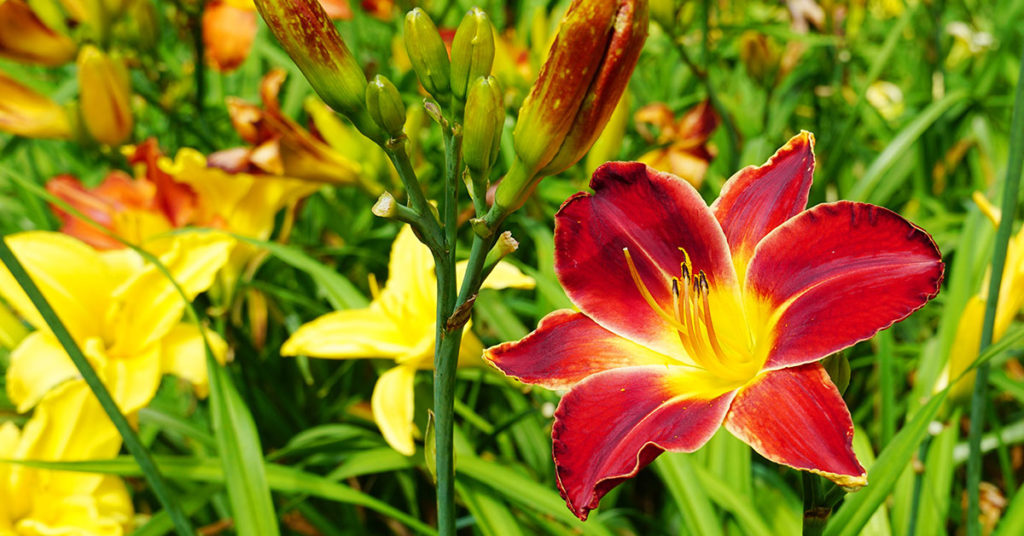
Daylilies are beloved for their showy blooms and impressive adaptability, making them a superb choice for heavy clay soils. Although originally native to Asia, these perennials have been embraced worldwide for their hardiness and minimal maintenance needs. I’m always thrilled by the cascade of vibrant flowers that daylilies provide, each one lasting just a day but collectively creating a spectacular, ongoing display throughout the growing season!
Their fibrous root system is particularly adept at penetrating and breaking up dense clay, which improves soil structure over time. Daylilies also attract pollinators like bees and even small butterflies, which occasionally use the clumps as shelter or nesting spots. While they rarely become invasive, regular division every few years keeps them in top form. Their remarkable resilience and stunning floral display make daylilies a must-have for gardeners dealing with heavy clay soils!
Russian Sage (Perovskia atriplicifolia)
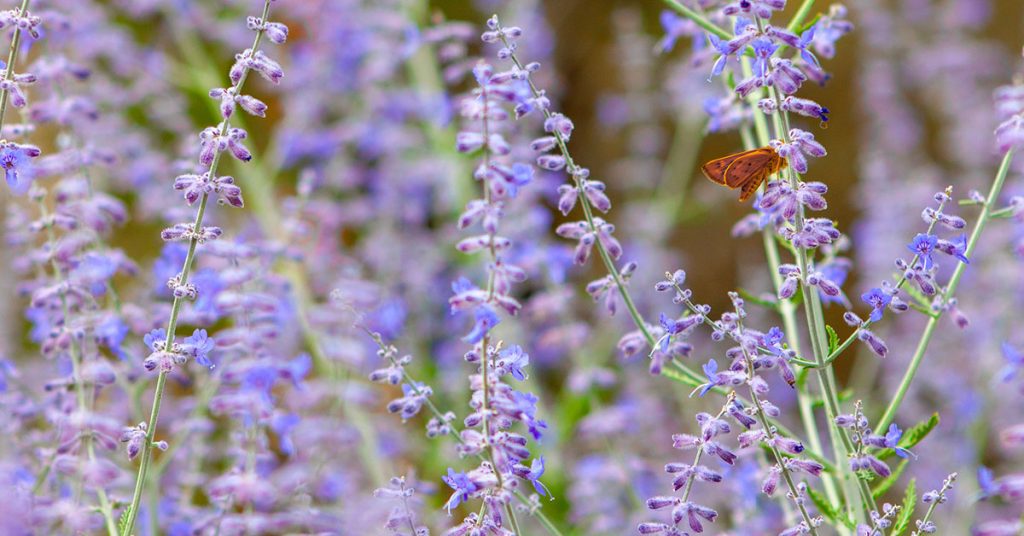
Russian Sage, native to the steppes of Central Asia, is a woody perennial known for its silvery foliage and spiky clusters of violet-blue flowers. This plant thrives in a variety of soils, including heavy clay, thanks to its deep-root system that helps it access moisture and nutrients efficiently. I’m continually impressed by Russian Sage’s ability to create a soft, airy texture in the garden while standing up to the challenges of compact, clayey ground!
Not only does Russian Sage provide visual interest, but it also attracts a variety of pollinators such as bees and butterflies. Its aromatic foliage offers a natural repellent for certain pests while serving as a potential nesting ground for beneficial insects. Though it is generally non-invasive, it can spread slightly in optimal conditions—so a little pruning can help maintain its shape. Its drought tolerance and vigorous performance make Russian Sage an excellent choice for any gardener determined to conquer heavy clay soil!
Bee Balm (Monarda didyma)

Bee Balm, native to North America, is a perennial known for its vibrant, red to purple flower clusters that are as eye-catching as they are beneficial. These blossoms are particularly adept at attracting ladybugs, bees, and hummingbirds, which help control garden pests and pollinate neighboring plants. I love how Bee Balm creates a lively hub of activity, turning your garden into a natural sanctuary that buzzes with life!
Its clump-forming habit and robust root system allow Bee Balm to thrive even in the challenging conditions of heavy clay soil. While its native range is primarily in moist meadows, Bee Balm adapts well to a variety of soils if provided with enough sunlight. It is generally non-invasive when managed with periodic division, making it an ideal candidate for hedges or border plantings. With its striking blooms and natural pest control benefits, Bee Balm is a superb addition to any garden facing the challenges of clay soil!
Yarrow (Achillea millefolium)
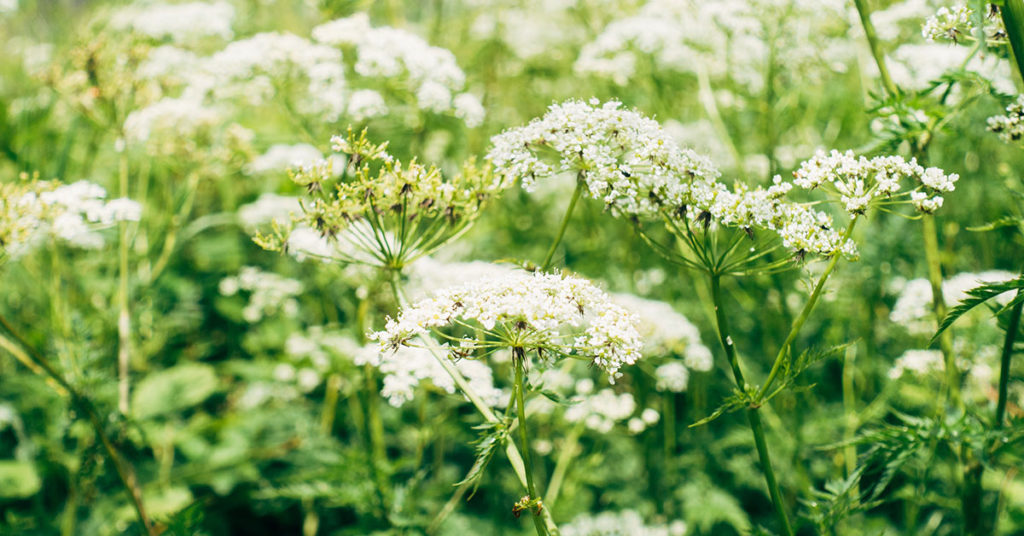
Yarrow, a hardy perennial native to temperate regions of the Northern Hemisphere, is celebrated for its clusters of small, daisy-like flowers and ferny foliage. This plant is exceptionally tolerant of heavy clay, where its deep taproot and fibrous system help break up compacted soil. I find yarrow’s bright blooms and rugged texture to be a perfect complement to the more refined elements in my garden, adding both color and a touch of wild beauty!
Yarrow’s flowers are not only attractive to the eye but also serve as a magnet for beneficial insects, including ladybugs and predatory wasps, which help control pests naturally. While yarrow is generally non-invasive, its ability to self-seed in favorable conditions means that a little regular thinning might be necessary. Its resilience, ecological benefits, and natural charm make yarrow an indispensable plant for gardeners dealing with heavy clay soils.
Black-eyed Susan (Rudbeckia hirta)

Black-eyed Susan, native to North America, is a cheerful perennial that thrives in challenging soils, including heavy clay. These bright yellow blooms with dark centers bring a burst of sunshine to any garden, drawing in bees, butterflies, and other beneficial pollinators. I always delight in the way Black-eyed Susan seems to infuse my garden with energy, making even the toughest soils come alive with color and vibrancy!
Their fibrous root system is remarkably efficient at penetrating dense clay, which improves soil aeration and drainage over time. While Black-eyed Susan can self-seed under optimal conditions, it is generally well-behaved and non-invasive when properly maintained. With their enduring appeal and ecological contributions, Black-eyed Susans offer both beauty and functionality, making them a top choice for gardeners determined to make heavy clay soil a flourishing part of their landscape!
Switchgrass (Panicum virgatum)

Switchgrass, a native perennial from North America, is an excellent choice for adding both height and texture to gardens with heavy clay soils. This robust ornamental grass forms graceful clumps and produces airy seed heads that sway in the breeze, attracting a variety of beneficial insects and birds. I’m always impressed by switchgrass’s ability to create a natural, meadow-like feel, even in areas where the soil is dense and challenging.
Its extensive root system not only stabilizes the soil but also improves drainage and organic matter over time. While switchgrass is generally non-invasive when managed properly, it can spread modestly in ideal conditions—making regular maintenance important to preserve its intended form. The combination of ornamental appeal, ecological benefits, and adaptability to clay soils makes switchgrass a versatile and attractive option for gardeners looking to enhance their outdoor spaces!
Coreopsis
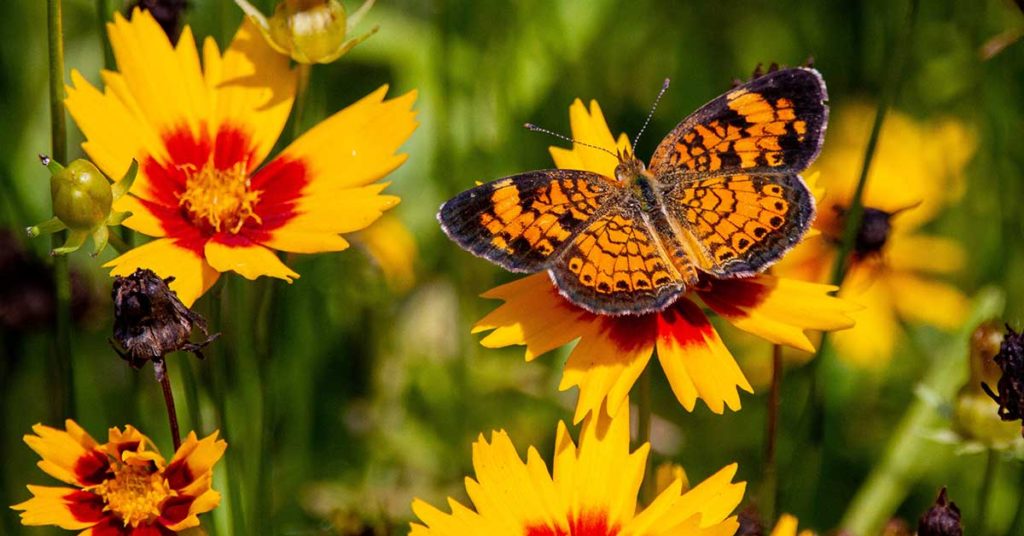
Coreopsis, also known as Tickseed, is a native North American perennial celebrated for its bright, daisy-like flowers that come in vivid shades of yellow, orange, and red. Its cheerful blooms attract a host of pollinators, including bees and butterflies, that help maintain a balanced garden ecosystem. I’m always excited to see Coreopsis in bloom—it’s as if every flower is a little sunburst, brightening even the gloomiest patch of heavy clay soil!
This resilient plant boasts a deep root system that makes it exceptionally tolerant of heavy clay, where it works to improve soil structure over time. While Coreopsis is generally non-invasive, in ideal conditions it may naturalize, forming charming clusters that add texture and continuity to the landscape. Its hardiness, vibrant display, and ecological advantages make Coreopsis a wonderful addition for gardeners looking to turn challenging soil into a thriving garden oasis!
Miscanthus (Maiden Grass)
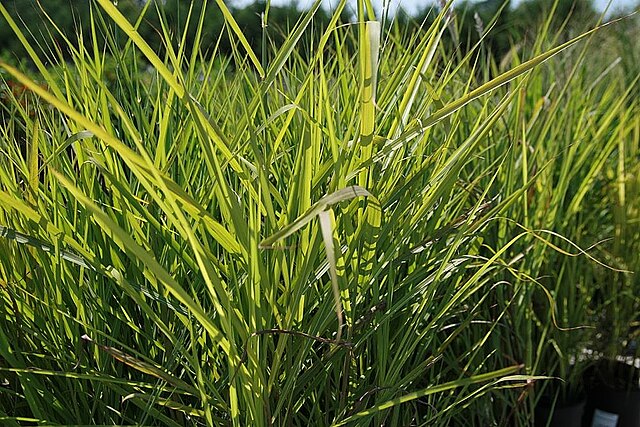
Miscanthus, commonly known as Maiden Grass, is a striking ornamental grass native to Asia that adapts well to heavy clay soils. Its tall, arching blades and feathery plumes create a dramatic visual effect that serves as a beautiful backdrop for other garden plantings. I find Miscanthus to be a captivating addition, offering not only elegance and movement in the garden but also providing shelter for beneficial insects that might use its dense clumps as temporary nesting sites!
This hardy perennial is particularly adept at thriving in challenging soil conditions, thanks to its extensive root system that breaks up clay and improves drainage. While Miscanthus is generally non-invasive, it does spread slowly under optimal conditions, making it easy to manage with occasional trimming. Its blend of architectural beauty and functional soil improvement makes Miscanthus an excellent choice for gardeners seeking to enhance the structure and appeal of a heavy clay landscape!