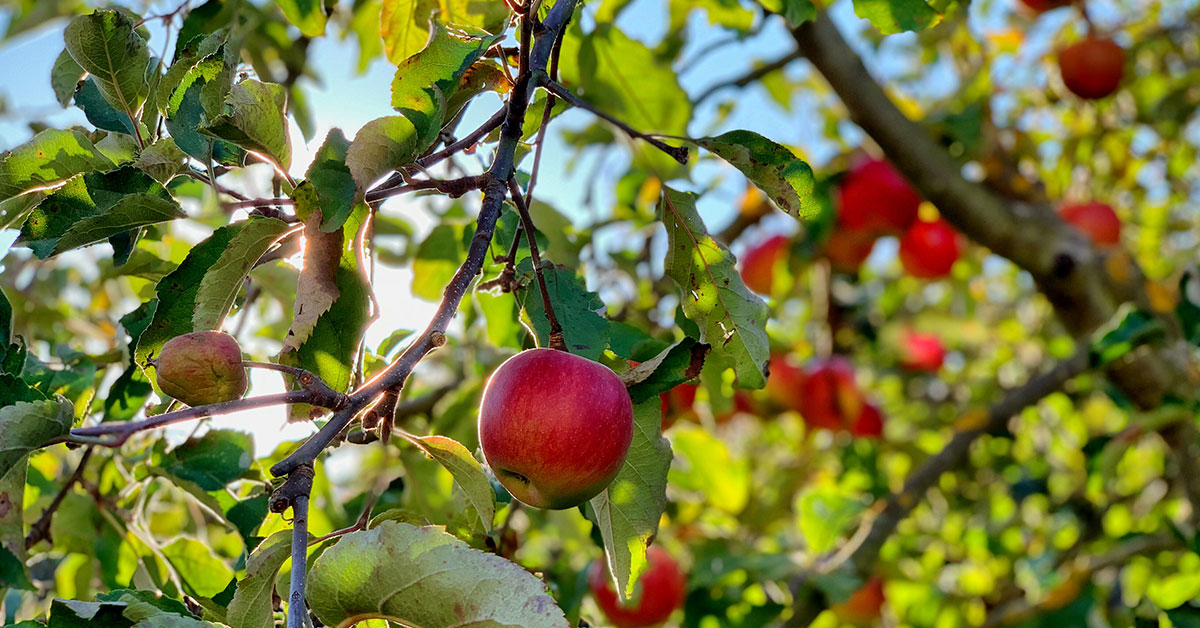

Living in a cold climate doesn’t mean you have to say goodbye to a thriving fruit garden—far from it! As an avid gardener, I completely understand the frustration of planning a fruitful yard only to be let down by frost and harsh winter conditions. I’ve encountered my fair share of disappointments when lesser trees succumb to the cold, but nothing beats the excitement of discovering fruit trees that not only survive but flourish when the mercury drops. With a little care and the right variety, you can enjoy delicious, homegrown fruits even in the chilliest regions!
Over the years, I’ve experimented with numerous species and honed my techniques to create a resilient orchard in my own backyard. Each of the nine fruit trees highlighted in this article has been handpicked for its superior cold tolerance, non-invasive growth habits, and added bonus of attracting beneficial wildlife—from buzzing pollinators to nesting birds. Join me as we explore these botanical champions that transform the challenges of cold climates into bountiful rewards and lively garden scenes!
Cold-Hardy Apple (Haralson Apple)
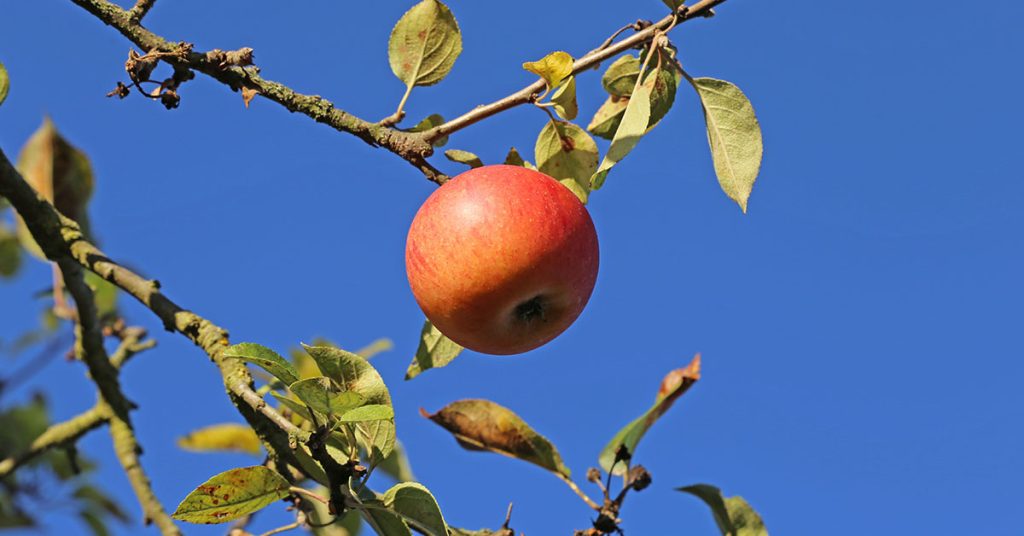
Cold-hardy apple trees like the Haralson are a dream come true for gardeners in frosty regions! Native to the northern prairies of North America, the Haralson apple is renowned for its ability to withstand severe winters while producing crisp, tangy fruits. These non-invasive trees thrive in full sun and well-drained soil, making them a reliable choice for orchards and backyard gardens alike. Their blossoms not only signal the arrival of spring with a brilliant display of white and pink hues but also attract bees and butterflies that buzz around eagerly to collect nectar.
In my own garden, the Haralson apple has become a favorite addition thanks to its exceptional resilience and robust yields. I love watching early pollinators visit its fragrant flowers—sometimes even witnessing tiny bees landing gently on the petals for a quick rest! The tree’s ability to merge ornamental beauty with a delicious harvest makes it a stellar choice for anyone looking to create a sustainable fruit garden even in the harshest winter conditions.
Hardy Pear (Ukrainian Pear)
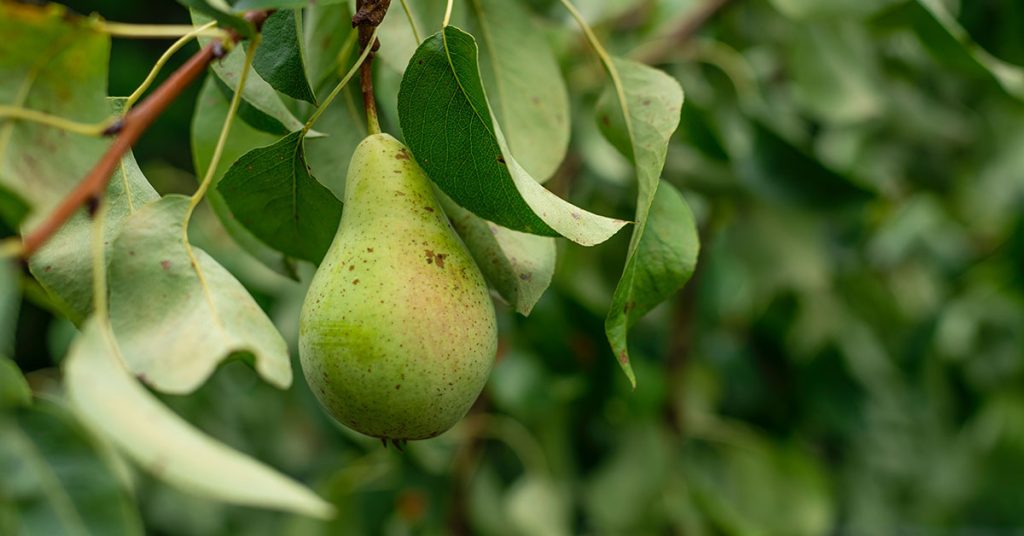
The Ukrainian Pear is another superb fruit tree that stands strong in cold climates. Native to Eastern Europe, this hardy pear variety is celebrated for its durability and high-quality, sweet-tart fruit. It thrives in a variety of soils and is non-invasive, making it a perfect option for small spaces or larger landscapes where you want a fruit tree that doesn’t demand excessive maintenance. Its early spring blossoms are a cheerful sight, attracting a host of pollinators that ensure a bountiful set of fruits as the season progresses.
In my yard, the Ukrainian Pear not only provides a delicious harvest but also plays an essential role in attracting beneficial insects. The delicate white blooms often serve as a sanctuary for bees, and occasionally, small birds are seen using its thick branches as temporary nesting spots. Its consistent performance and robust character make the Ukrainian Pear one of my most reliable choices for a winter-hardy, wildlife-friendly fruit tree that delights throughout the season!
Cold-Tolerant Plum
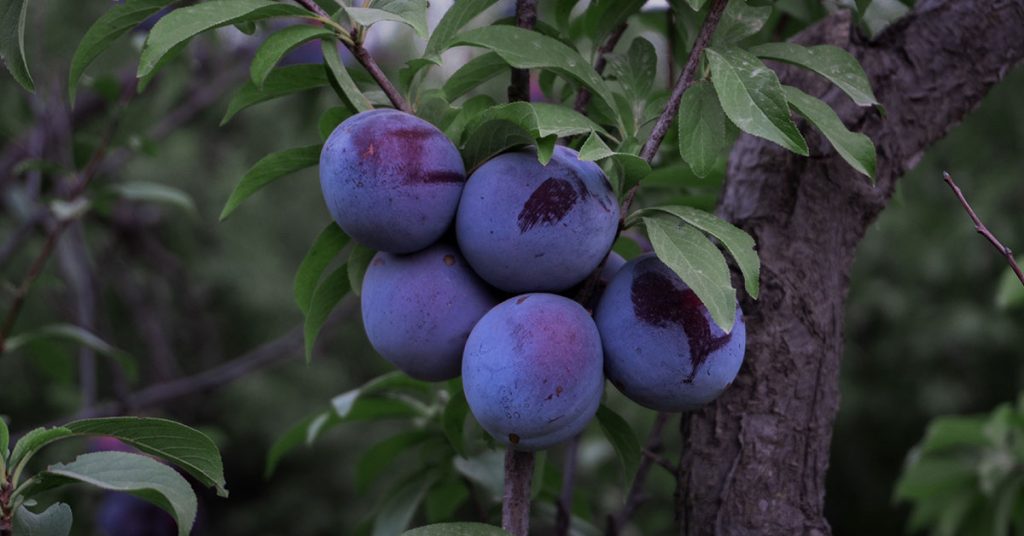
Cold-tolerant plum varieties, such as the Alderman Plum, are a blessing for gardeners facing harsh winters. Native to regions with temperate climates, these plums are specifically bred to endure severe frosts while producing luscious, sweet fruits in the summertime. They grow best in full sun with well-drained soil and are non-invasive when cared for properly, ensuring that even small yards can host a mini plum orchard without worry.
In my own garden, the vibrant blossoms of the Alderman Plum attract a variety of beneficial pollinators, including buzzing bees and fluttering butterflies. I’ve witnessed these delicate creatures sometimes taking refuge in the thick canopies of plum branches, which adds an extra layer of life to the landscape. The resilient nature and delicious fruits of these plums make them a standout addition for anyone looking to enjoy a taste of summer, even when winter’s chill persists!
Sour Cherry (Montmorency Cherry)
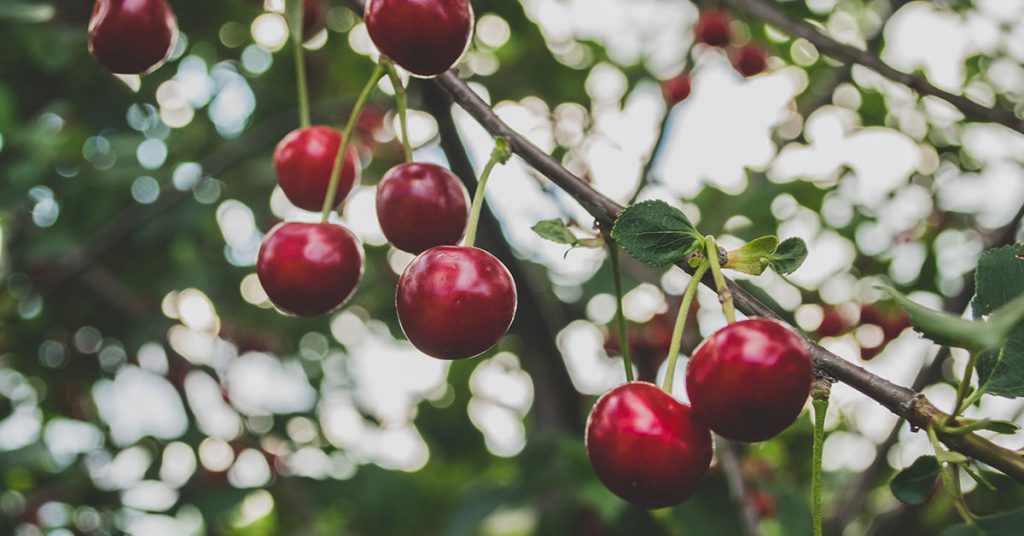
For gardeners who relish a tangy twist, the Sour Cherry—often represented by the Montmorency variety—is an excellent choice for cold climates. Native to North America, this cherry tree is well-adapted to withstand freezing temperatures while producing a generous crop of vibrant, tart cherries that are perfect for pies, jellies, and fresh snacking. It is non-invasive and thrives in full sun with well-drained soil, making it ideal for compact yards and larger landscapes alike.
In my garden, the Sour Cherry’s delicate pink blossoms not only herald the arrival of spring but also attract a flurry of bees and butterflies, which enhance the tree’s overall vitality. I’ve seen tiny pollinators using the branches as quick resting spots before darting off to the next flower, creating a natural buzz of life throughout the season. Its impressive cold tolerance coupled with its culinary versatility makes the Sour Cherry a cherished fruit tree for anyone looking to add a dash of tang and vitality to their winter-challenged garden!
Cold-Hardy Peach (Reliance Peach)
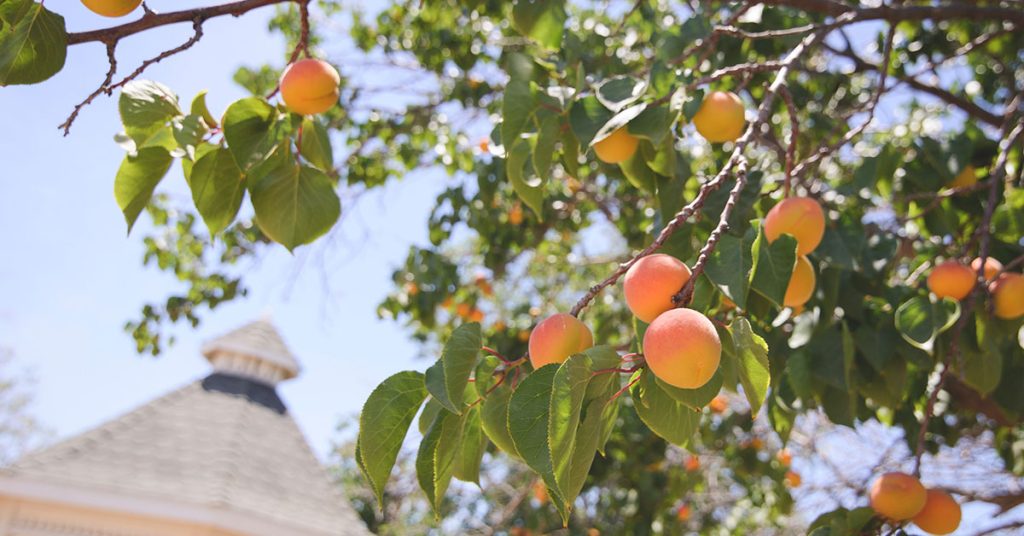
Peaches typically struggle with cold, but the Reliance Peach is a hardy champion that has been bred specifically to withstand frost while still producing juicy, flavorful fruits. Native to North America, this tree thrives in regions where most peaches would falter, thanks to its deep roots and sturdy build that allow it to endure chilly winters. It is non-invasive when managed properly and adapts remarkably well to full sun and fertile, well-drained soil.
In my outdoor space, the Reliance Peach is a delightful surprise—it not only puts on a magnificent show of delicate pink blossoms in early spring but also attracts a variety of pollinators, including bees and small butterflies, that help set the stage for a robust fruit set. The tree’s ability to offer both ornamental beauty and a sweet harvest in cold climates is truly inspiring. Its sheer resilience and practicality make it an ideal candidate for gardeners who believe that even a frosty winter should not stand in the way of a bountiful, homegrown peach!
Pawpaw
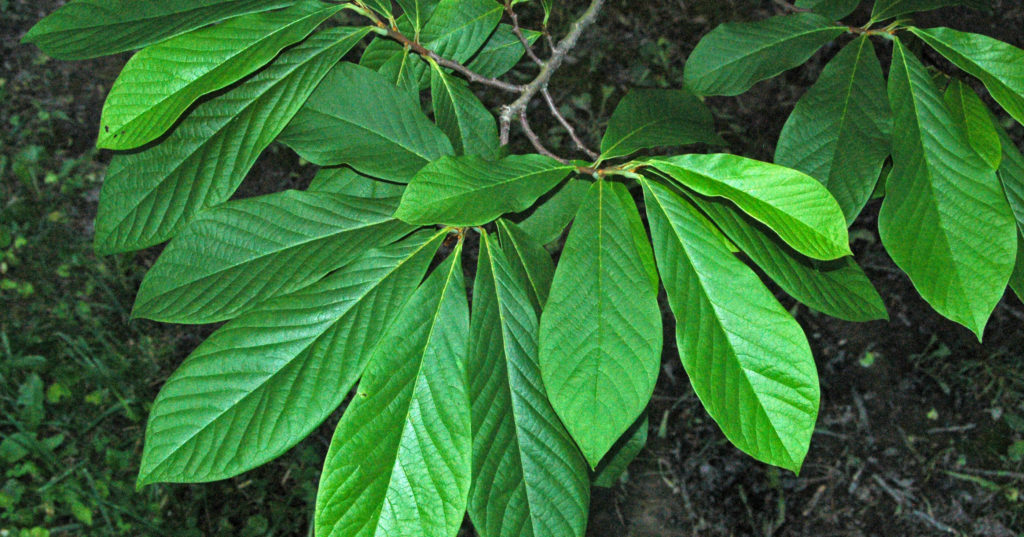
Pawpaw is one of nature’s most intriguing fruit trees, known for its custardy, tropical-flavored fruit and exceptional cold tolerance. Native to the understory of North American forests, Pawpaw thrives in shaded, well-drained soils and is entirely non-invasive, making it an excellent option for urban and rural settings alike. Despite its tropical taste, this tree is hardy enough to survive freezing winters, offering a unique harvest that contrasts beautifully with the stark winter landscape.
In my garden, Pawpaw has become a conversation piece—not only does it produce unusually delicious fruits that remind me of a tropical treat, but its dark green leaves and subtle flowers also attract a host of beneficial insects, including native bees that help pollinate the blossoms. Occasionally, small birds have been spotted nesting in the tree’s outlying branches, adding to its charm and ecological value. Its resilience and the delightful mystery of its fruit have earned Pawpaw a special place in my heart as a true testament to nature’s surprises!
American Persimmon

American Persimmon is an extraordinary fruit tree renowned for its sweet, custard-like fruit and incredible cold tolerance. Native to Eastern North America, this tree thrives in a wide range of soils, from rich loams to sandy terrains, and is non-invasive, making it a reliable addition to any garden exposed to harsh winters. Its rugged nature and deep, extensive roots allow it to withstand extreme cold, ensuring a fruitful harvest even when the weather is unforgiving.
In my own yard, American Persimmon is not only a source of delicious fruit but also a beacon for local wildlife. Its early spring blossoms attract an array of pollinators, including bees and butterflies, while its dense canopy offers perfect shelter and nesting opportunities for small birds during chilly mornings. The combination of its nutritional bounty, robust growth, and wildlife-friendly nature makes American Persimmon a must-have for anyone looking to enrich their garden despite the cold!
Quince
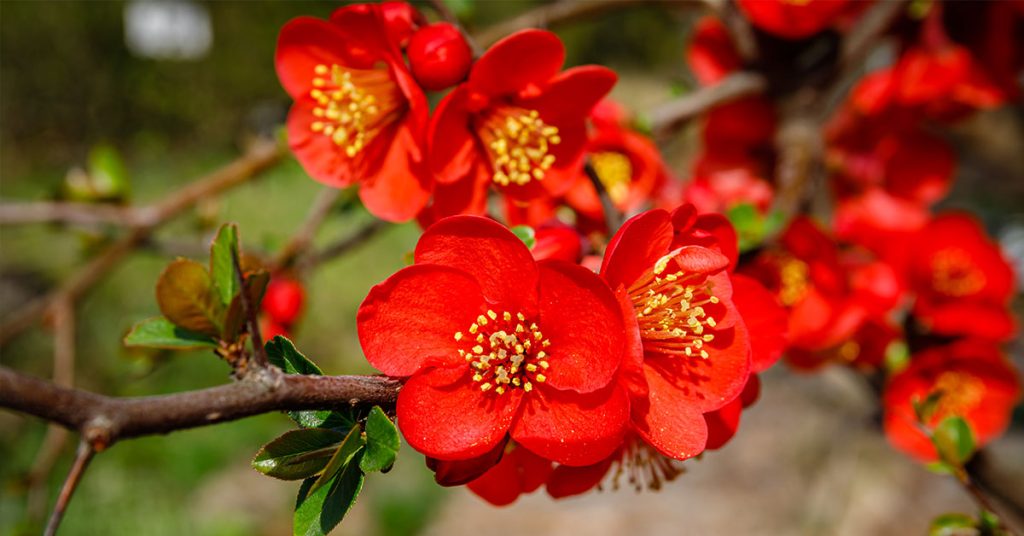
Quince is a beautifully fragrant fruit tree that provides a hardy, versatile option for cold climates, producing aromatic fruits that are perfect for jams, jellies, and culinary creativity. Native to the regions of the Caucasus and Western Asia, quince thrives in full sun and well-drained soils, and it is non-invasive, ensuring its suitability for both small and large orchards. The tree’s blossoms are a soft, delicate white that gradually gives way to yellow, golden fruits, which are as ornamental as they are practical.
In my garden, quince offers a remarkable combination of elegance and functionality—it not only attracts bees and butterflies with its subtly sweet flowers but also becomes a habitat for small birds that appreciate its sturdy branches for occasional nesting. The gentle transformation from flower to fruit is a testament to its enduring charm and resilience. Quince stands out as a versatile fruit tree that can add both visual appeal and a unique culinary twist to any garden facing cold weather challenges!
Nanking Cherry
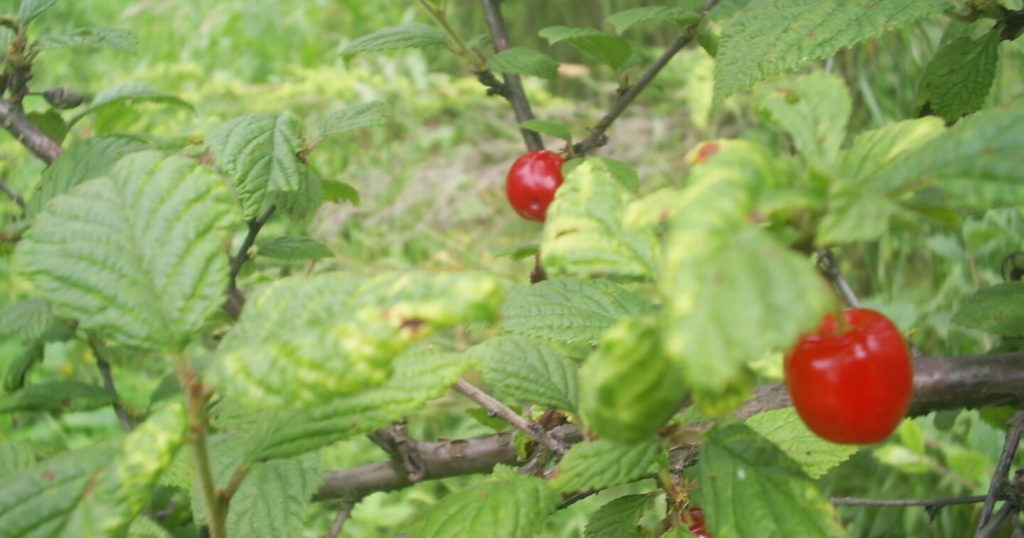
Nanking Cherry, a small, deciduous fruit tree, is a brilliant choice for gardeners looking to add a splash of color and a burst of flavor in cold climates. Native to China, Nanking Cherry thrives in a variety of soils and requires full sun to partial shade, growing in a non-invasive manner that makes it ideal for small yards and urban gardens. This shrub produces clusters of bright, red berries that are not only attractive but also a delightful treat for birds and sometimes humans who enjoy their tangy, sweet flavor.
In my own garden, the Nanking Cherry’s profuse flowering in early spring sets the stage for an exciting fruiting season that attracts diverse beneficial insects and even small birds that use its dense branches for nesting. Its compact size and remarkable adaptability to cold conditions have made it one of my favorite fruit trees for limited spaces. The dynamic display of flowers turning into vibrant berries is a captivating sight that symbolizes resilience and the joy of homegrown harvests in any climate