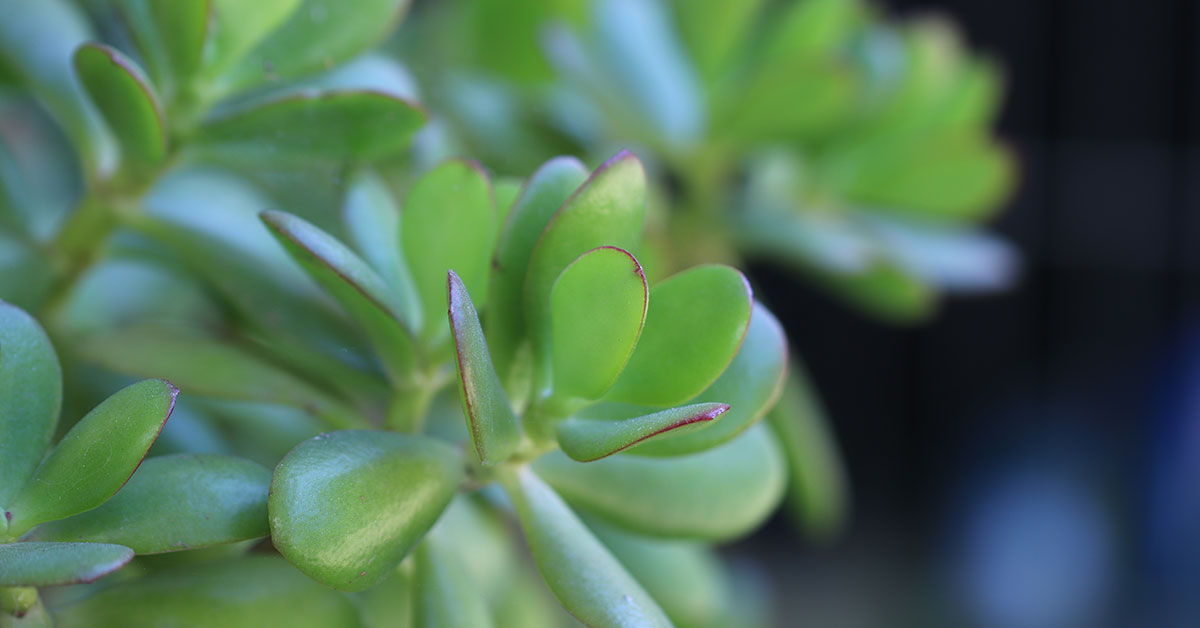

Jade plants (Crassula ovata), native to the dry regions of South Africa and Mozambique, are beloved for their plump, glossy leaves and easy-going nature. Despite their hardy reputation—and the fact that they’re not considered invasive—these succulents can surprisingly be quite finicky. One of my favorite succulents to share with friends, I’ve seen even the most attentive gardeners accidentally send their jades into decline with just one misstep!
It’s such a bummer when you spot a sad, drooping leaf or unsightly brown spots after weeks of care. Whether you’ve inherited a mature specimen or started from a tiny cutting, understanding these nine pitfalls will help you keep your jade thriving. From watering woes to temperature tantrums, let’s dive into the mistakes to dodge so you can enjoy those sweet winter blooms that even attract foraging bees and hoverflies to your windowsill!
Ignoring pests until it’s too late
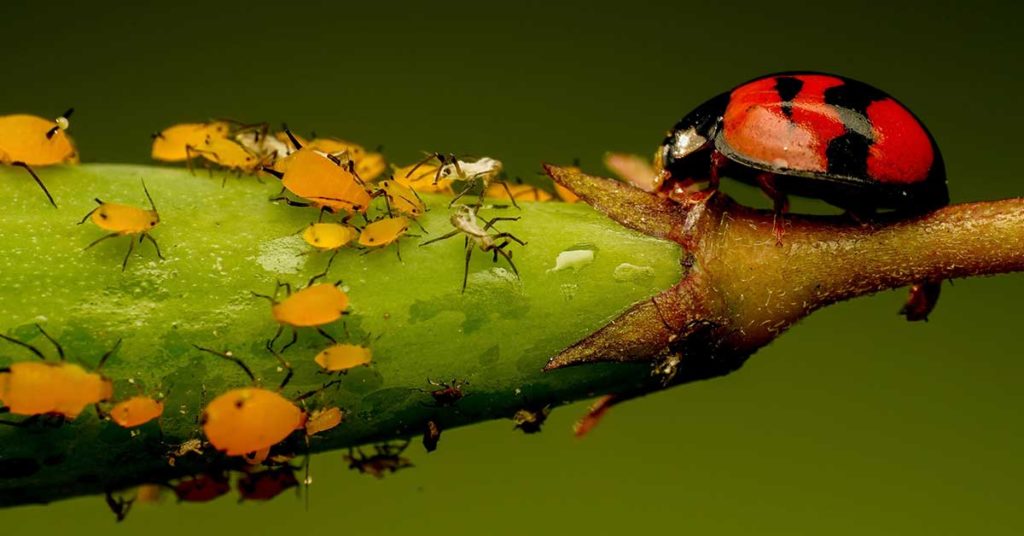
It’s tempting to think succulents are pest-proof, but jade plants can fall victim to mealybugs, scale insects, and aphids. I once admired my jade’s new buds only to find cottony masses hiding in leaf axils the next day! Left unchecked, these pests suck sap, causing yellowing leaves and stunted growth.
Early detection and gentle removal are key. When your jade starts flowering—its tiny white star-shaped blooms are a winter treat for bees—inspect tightly for insects seeking nectar or refuge. Wiping leaves with a cotton swab dipped in rubbing alcohol or using insecticidal soap keeps mealybugs at bay without disturbing beneficial pollinators!
Overwatering like there’s no tomorrow
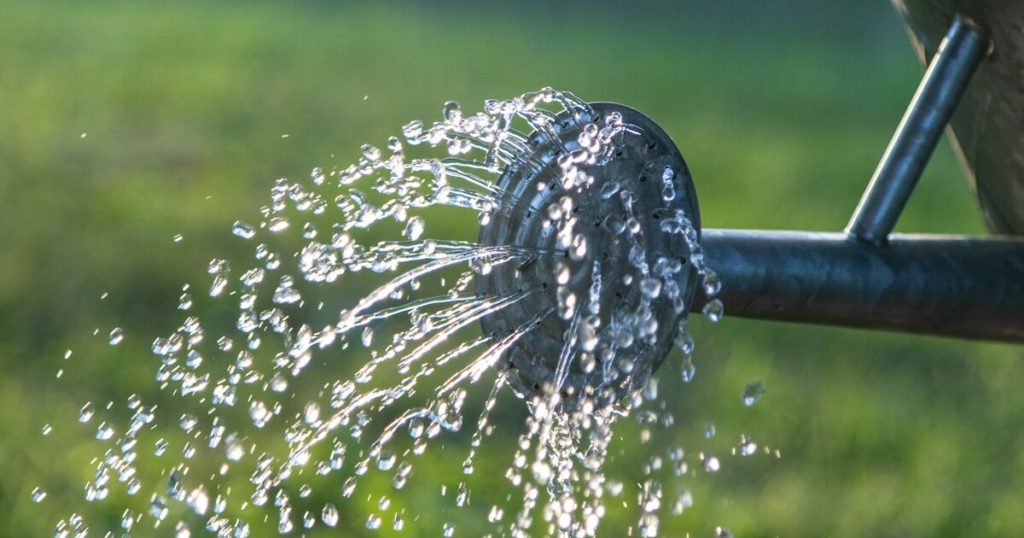
Jades store water in their thick leaves, so they hate sitting in soggy soil. Too much water suffocates roots and leads to rot—the most common killer of jade plants. I once overzealously misted my plant daily, only to find its base mushy within weeks!
Let the soil dry out completely between waterings, especially in cooler months when jades enter semi-dormancy. When you do water, soak thoroughly and then allow excess to drain. Good airflow around the pot helps any residual moisture evaporate, preventing the rot fungi that feast on damp roots.
Using a dense, non-porous soil mix
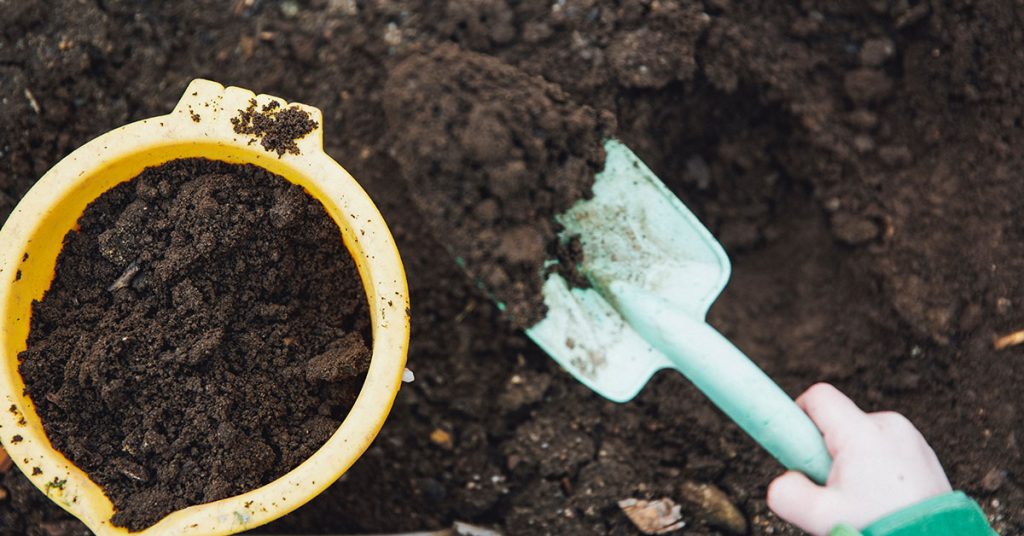
Jade roots crave aeration. Planting in heavy garden soil or standard potting mix can trap moisture, inviting root rot and fungal issues. I learned this the hard way when my jade’s leaves yellowed overnight in a garden-soil blend too compact for its needs!
Opt for a specialized succulent or cactus mix enriched with coarse sand, perlite, or pumice. This mimics the gritty, well-draining substrates of its South African homeland. Loose soil also makes a cozy home for beneficial soil arthropods that help break down organic matter without overwhelming your jade!
Insufficient light in the wrong spot

In the wild, jade plants bask in bright, indirect sun. Placing yours in a dim corner—especially during winter—results in leggy, pale growth. I once kept my jade on a north-facing shelf and wondered why its leaves stretched toward any sliver of light!
Aim for six hours of bright light daily: a sunny windowsill or a spot under grow lights works wonders. When the plant flowers, that extra light not only encourages bud set but also helps nectar-rich blooms attract pollinators like bees, which may briefly nest in crevices of nearby décor!
Exposing plants to freezing temperatures

Jades tolerate cool nights but not frost. Temperatures below 40°F (4°C) damage leaf cells, causing blackened spots and drooping. I watched helplessly as a sudden frost sneaked in through my back door, leaving my jade shivering and scarred!
Keep your plant above 50°F (10°C) and away from drafty windows or uninsulated walls. If you live in a chilly climate, consider moving potted jades indoors through winter. Their resilience shines in warmth—plus, those winter blooms are a beacon for indoor bees if you’re lucky enough to keep a hive nearby!
Watering with ice-cold water
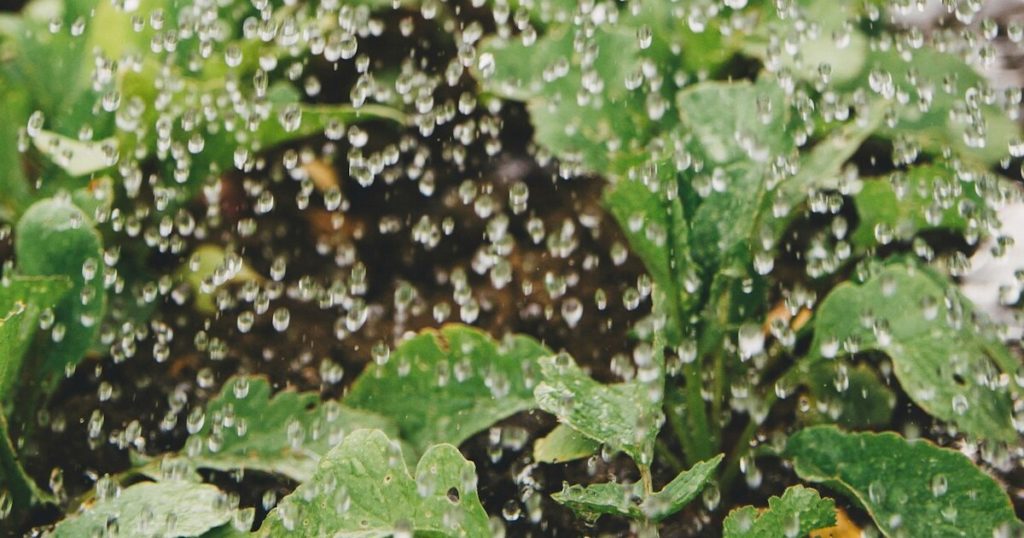
This one surprised me: watering directly from a cold tap can shock jade roots, leading to stress and leaf drop. Sudden temperature changes are like an unexpected frost in summer—jarring and damaging!
Let your watering can sit for a few hours so the water reaches room temperature. This gentle approach helps roots absorb moisture without trauma. Warm water also dissolves nutrients more effectively, reducing the risk of shock when you feed at the start of the growing season.
Over-fertilizing in the growing season
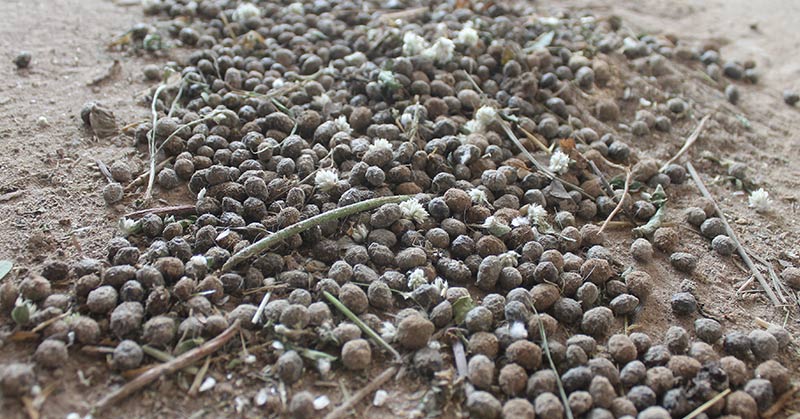
Jades are slow growers and don’t need heavy feeding. I once followed a succulent fertilizing guide too zealously and ended up with weak, airy stems that snapped under their own weight! Excess nitrogen pushes foliage at the expense of root strength and overall plant health.
Feed sparingly—once every two to three months in spring and summer—with a balanced, diluted fertilizer formulated for cacti and succulents. This light touch supports steady growth without tempting pests that target lush new shoots or disturbing the plant’s natural rhythm.
Planting in a pot without drainage holes

No drainage equals a death sentence for jade roots. Standing water at the base of the pot invites rot and invites fungus gnats to lay eggs in moist soil. I once used a decorative pot without holes and mourned my jade’s collapse before I realized the culprit!
Always choose containers with ample drainage holes, and elevate them on pebbles or a tray to allow water to escape freely. This setup keeps roots dry between waterings and discourages unwanted pests from nesting in soggy substrates.
Repotting too frequently or using an oversized pot
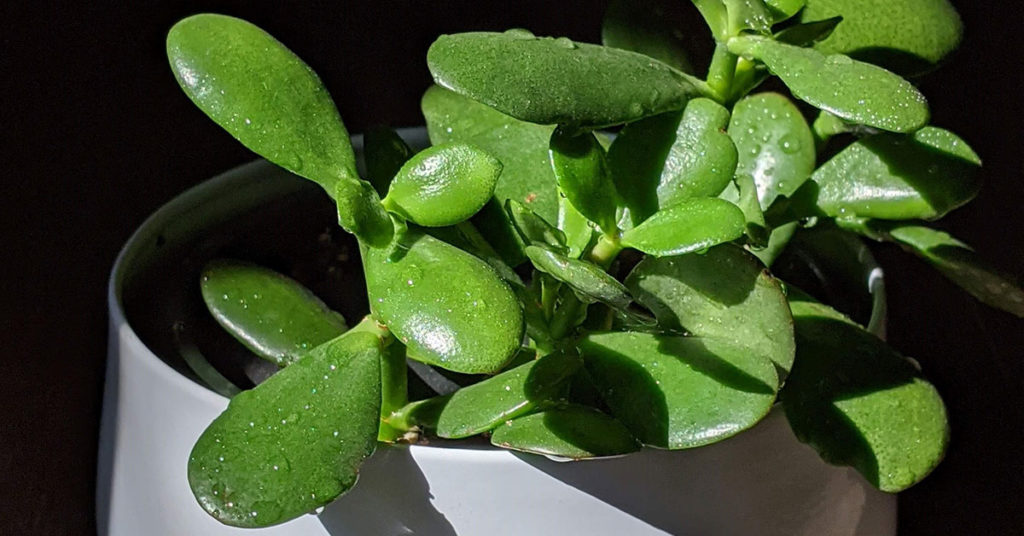
While it’s tempting to give your jade room to grow, too much soil around the roots holds excess moisture and can lead to rot. I repotted mine annually into progressively larger pots—and watched its growth slow to a crawl as the root zone stayed damp for days after watering!
Repot only when the plant is root-bound—typically every two to three years—and choose a pot barely 1–2 inches wider than the root ball. This controlled environment helps roots access moisture evenly and keeps the plant happily balanced.