

Late August is a transitional time in the garden—summer’s peak blooms are waning, and you might feel that pang of “what now?” as you stand before tired beds. I know how frustrating it is to invest energy in spring favorites only to watch them fade under the late-summer sun. But there’s a solution that turns dull into dazzling: planting fast-spreading ground covers that burst into bloom before fall arrives!
As an avid gardener, I get genuinely excited about these low-growing dynamos. Whether native or well-behaved exotics, each of these nine plants will carpet bare soil with color, attract beneficial insects, and even offer tiny nesting nooks for solitary bees and hoverflies. Let’s dive into these late-August gems that spread like crazy and promise a spectacular late-summer show!
Sedum spurium ‘Dragon’s Blood’ (Dragon’s Blood Sedum)
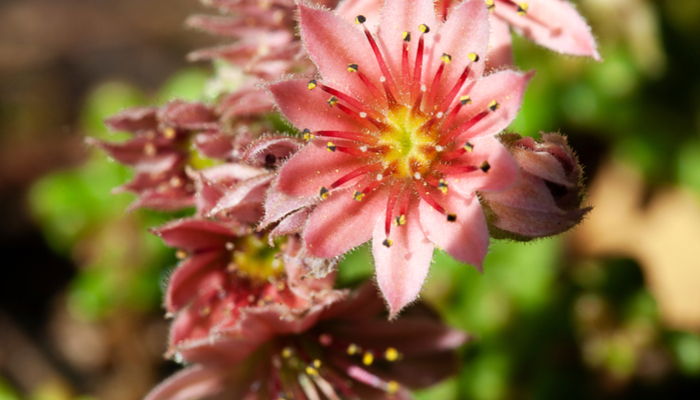
Native to the Baltic region, Dragon’s Blood sedum forms a tight, succulent carpet whose leaves turn deep burgundy in autumn. Late August sees bright pink star-shaped flowers that attract hoverflies—whose larvae feast on aphids, reducing pest pressure nearby. Butterflies also sip the nectar, turning your groundcover into a bustling insect hub!
This hardy sedum roots readily from trailing stems, quickly filling gaps and stabilizing slopes. It’s drought-tolerant thanks to its water-storing leaves, so once established, it laughs at dry spells. Non-invasive and easy to manage, it delivers color and ecological benefits with minimal fuss.
Sanvitalia procumbens (Creeping Zinnia)
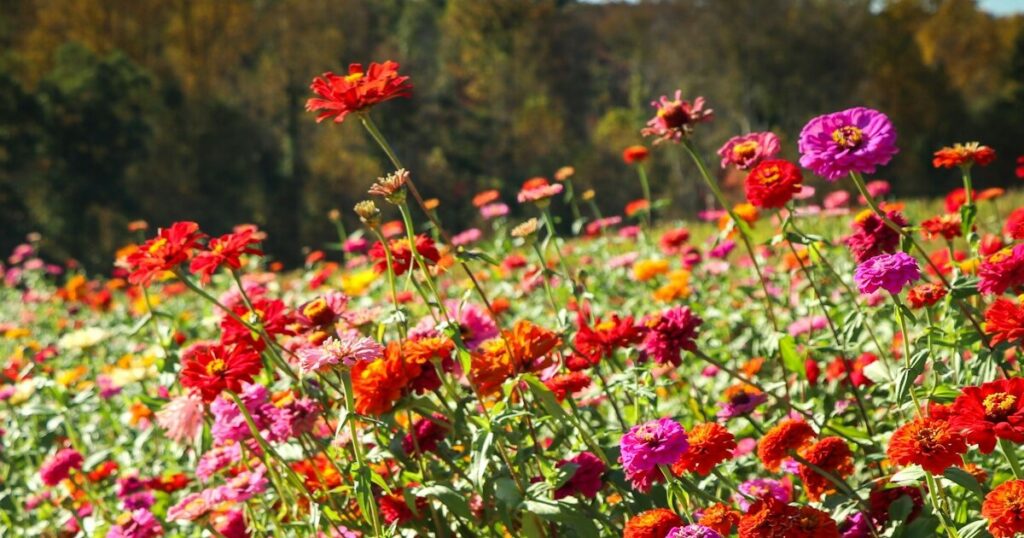
Creeping zinnia, native to Mexico, offers sunshine-yellow daisy blooms edged in dark orange from August through frost. These cheerful flowers draw butterflies—particularly fritillaries—seeking late-season nectar. Small solitary bees often nest in the loose soil beneath its mat, using empty stems as protective tunnels.
This annual spreads vigorously by rooting at stem nodes, covering bare patches in a matter of weeks. Because it completes its life cycle each year, there’s no risk of runaway invasion—just reliable late-summer coverage and a consistent pop of color when other blooms fade!
Thymus serpyllum (Creeping Thyme)

Creeping thyme hails from Europe’s dry grasslands and rocky slopes, adapted to full sun and lean soils. In late August, its tiny pink to purple flowers carpet the mat-like leaves, drawing honeybees and tiny bumblebees that sometimes nest in crevices beneath the foliage. It’s a sensory delight underfoot, releasing herbal scents as you walk!
This drought-tolerant ground cover spreads by rooting at stem tips, forming a soft, heat-resistant carpet. It’s non-invasive yet robust, making it ideal for filling gaps between pavers or edging paths. Plus, its low growth smothers weeds, reducing maintenance work later in the season.
Delosperma cooperi (Ice Plant)
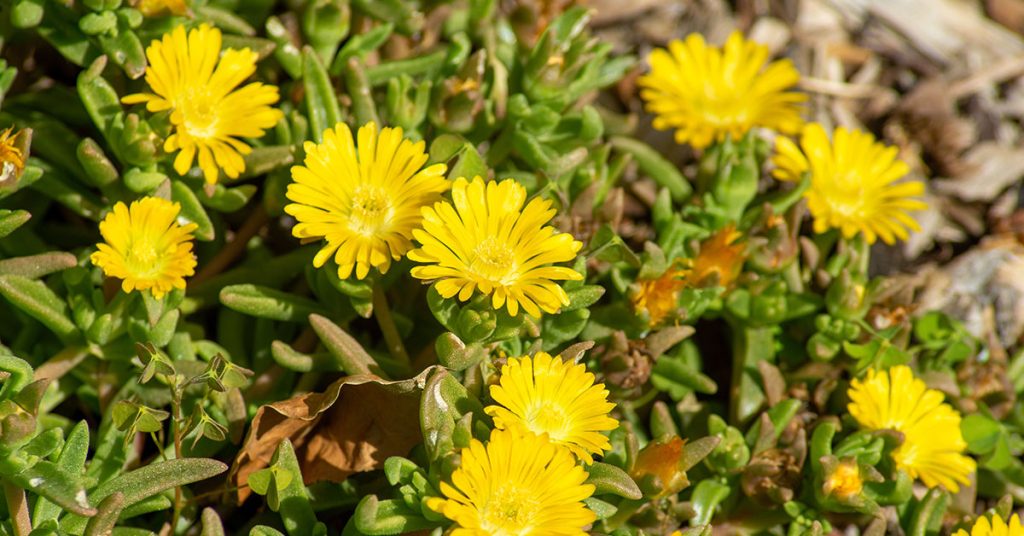
Ice plant, native to South Africa’s arid regions, dazzles with magenta-orange blooms in late August. Its succulent leaves sparkle under dew like frosted jewels—hence the name! These daisy-like flowers attract bees and butterflies seeking late-season nectaries, while the fleshy foliage provides moisture reserves to endure dry spells.
This spreading perennial roots at intervals along its trailing stems, forming a succulent blanket that suppresses weeds. Non-invasive outside its native range, it’s perfect for sunny, well-drained beds and rock walls, adding a vivid textural contrast to late-summer landscapes.
Gazania rigens (African Daisy)
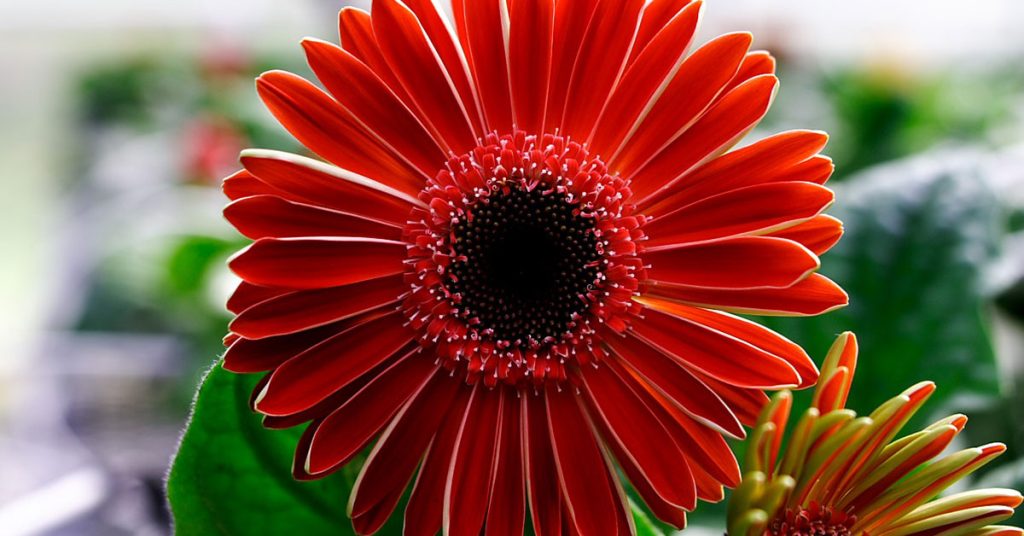
African daisy comes from South Africa’s grasslands and coastal dunes, where it thrives in hot, sunny conditions. Its late-August blooms unfurl in fiery reds, oranges, and golds, attracting sun-loving butterflies. The broad petals close on overcast days, protecting delicate pollen and creating a dynamic daytime display!
This low-growing perennial spreads by underground rhizomes, filling bare patches quickly. Although it can naturalize in mild climates, it rarely becomes invasive in garden settings. Its watertight foliage and tolerance for poor soils make it a standout for low-maintenance color.
Lysimachia nummularia ‘Aurea’ (Golden Creeping Jenny)

Golden creeping Jenny originates from Europe’s damp woods and riverbanks, where it forms glowing mats of coin-shaped leaves. In late summer, it produces clusters of small, starry yellow flowers that attract native mining bees, which nest in shallow soil tunnels. The interplay of golden foliage and sunny blooms brightens even the shadiest corners!
This vigorous perennial spreads by stolons and is hardy in USDA zones 3–9. Though it can be aggressive in moist sites, it’s rarely invasive in standard garden beds. A simple root barrier keeps it contained, while its dense cover chokes out weeds and retains soil moisture.
Coreopsis auriculata ‘Nana’ (Dwarf Coreopsis)
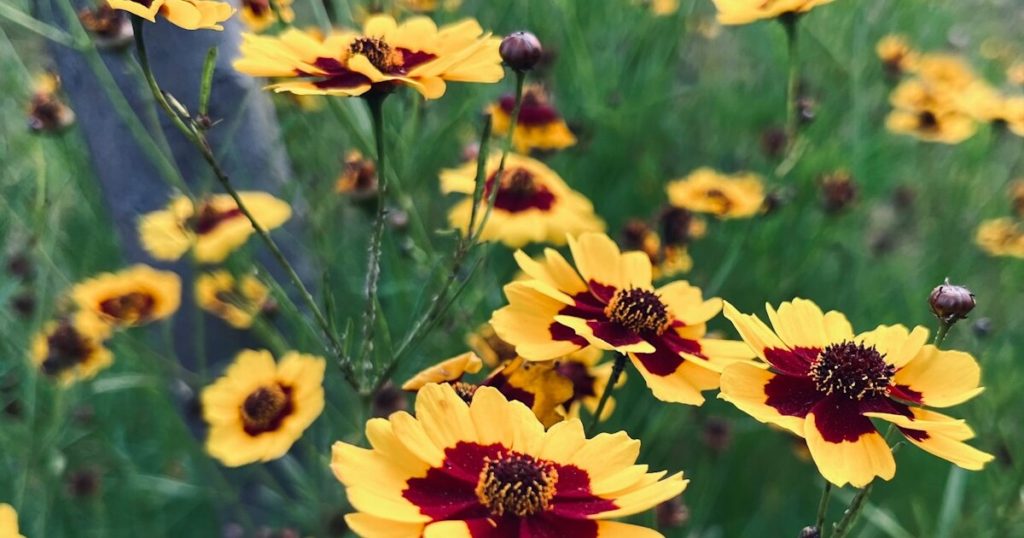
Dwarf coreopsis, native to the southeastern United States, sends up neat mounds of finely cut foliage topped with bright yellow daisies in late summer. These nectar-rich flowers are magnets for butterflies like swallowtails and painted ladies, which sometimes lay eggs on surrounding foliage.
This clump-forming perennial spreads via short rhizomes, filling the ground without overtaking other plants. It tolerates dry, sandy soils where other covers falter, and its cheerful blooms extend into September. Best of all, it’s non-invasive and perfect for sunny borders and rockeries.
Sutera cordata (Bacopa)
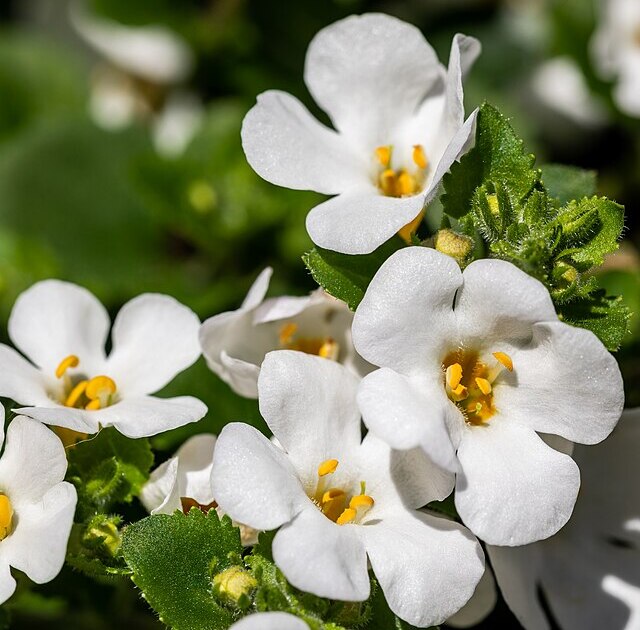
Bacopa hails from South Africa’s wetlands, where it cascades along streambanks in soft sprays of white, lavender, or pink blooms. In late summer, it flowers profusely, providing nectar for small native bees that nest in nearby loose soil. Its delicate, trailing stems create a cloud of blooms ideal for hanging baskets or ground cover.
This tender perennial reseeds lightly but isn’t considered invasive in most regions. It roots at stem tips when in contact with soil, allowing rapid coverage of open spaces. Its continuous bloom through August ensures a steady nectar source as other flowers begin to fade.
Calibrachoa spp. (Million Bells)
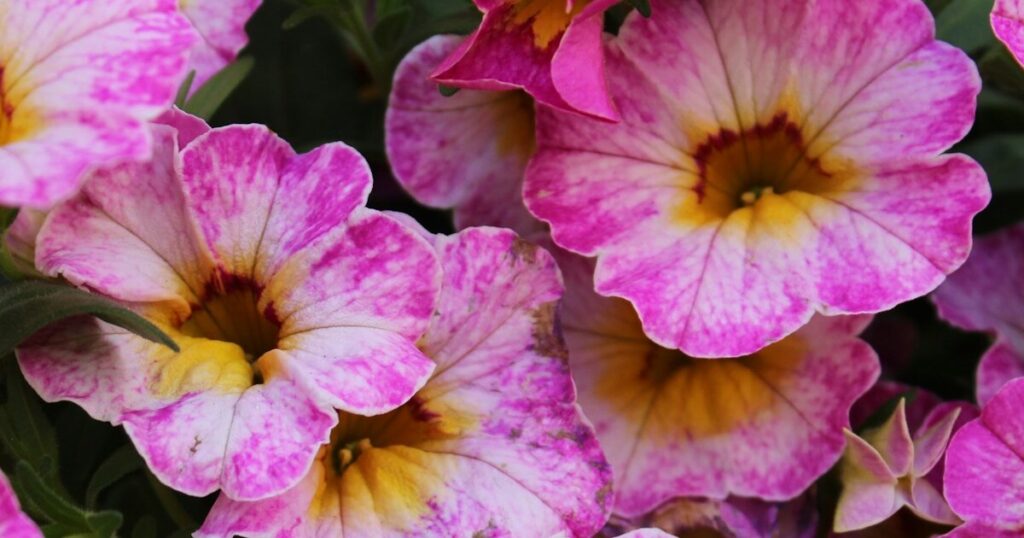
Million bells, native to South America, combine petunia-like blooms in a cascade of colors—from soft pastels to vivid magentas—that flower nonstop into late August. Hummingbirds and bumblebees favor these trumpet-shaped petals, often perching on nearby rocks or soil edges while feeding.
Though typically grown as an annual in cooler climates, calibrachoa self-branches and roots at stem nodes, forming a thick mat of flowers. It’s non-invasive and easily contained in beds or containers, offering prolific color that spreads to fill every visible gap.