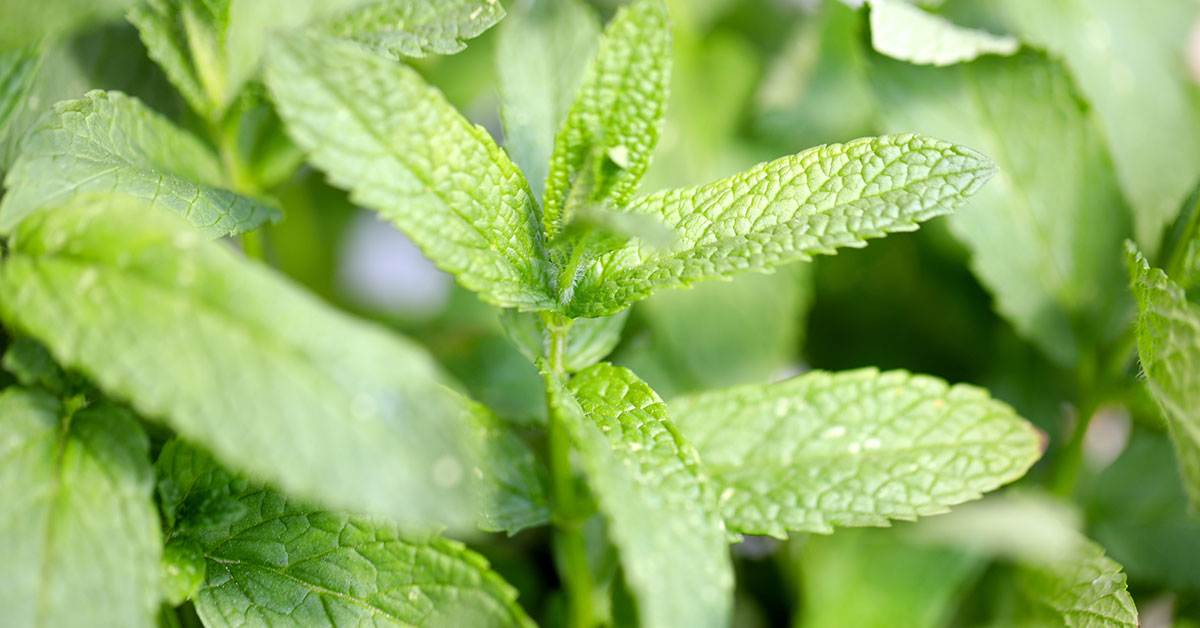

Mint is one of those plants that feels like a gift that keeps on giving—fresh sprigs for tea, aromatic leaves for cooking, and that lush green spread that brightens any garden bed. But as summer begins to wind down, mint needs a little bit of attention to keep it thriving well into fall and ready for the following spring. It’s such a bummer to see once-vibrant mint plants become scraggly, pest-ridden, or choked by their own roots simply because they didn’t get a late-season check-up. I’ve learned over the years that a bit of TLC before September can make all the difference in how this herb performs.
Native to Europe, Asia, and parts of Africa, mint is a vigorous perennial that can adapt to a variety of conditions. It’s also famously invasive if left unchecked, spreading by underground rhizomes that can quickly overtake garden beds. But with careful end-of-summer care, you can channel that growth into healthy, productive plants instead of a tangled, weedy mess. Whether you’re growing peppermint, spearmint, or one of the many other varieties, these tasks will keep your plants flavorful, fragrant, and under control.
Trim Back Overgrown Stems
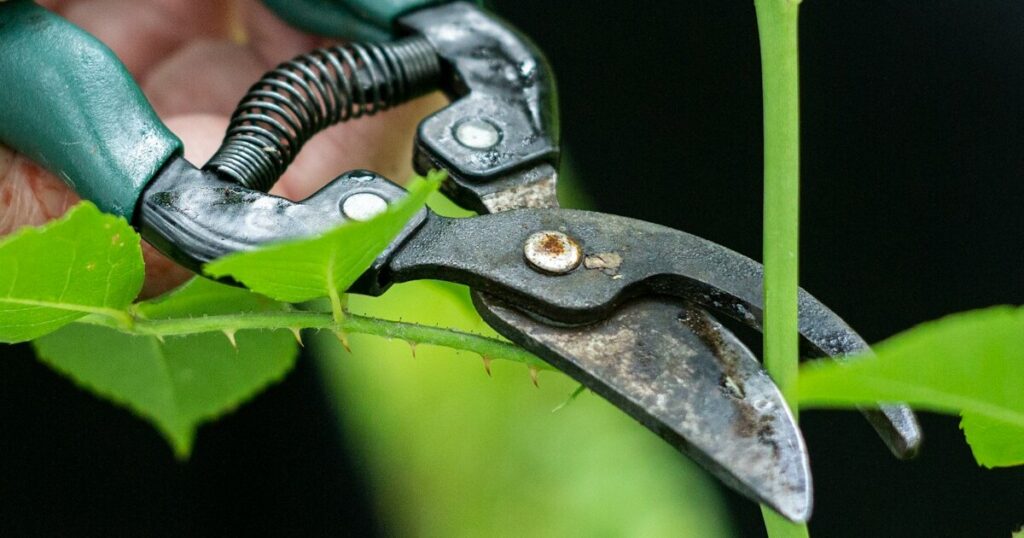
By late summer, mint plants often get tall, leggy, and less productive. Trimming them back now encourages fresh growth before cooler weather sets in. Cut stems back by about a third, focusing on removing woody or damaged sections. This not only improves the look of your plants but also makes them less inviting to pests like aphids, which love hiding in dense, unpruned foliage.
Trimming is also a great way to maintain flavor quality, as older leaves can become tough and lose their punch. Once cut, you can dry or freeze the trimmings for later use. I’ve found that mint responds almost immediately to pruning—within a week, you’ll see a burst of bright green leaves emerging, eager to soak up the last of the summer sun.
Check for Pest Activity

Mint is generally hardy, but pests can still cause trouble if they go unnoticed. Spider mites, aphids, and flea beetles are common late-season visitors, especially when plants are stressed from heat. These pests not only damage leaves but can spread diseases, making it harder for your mint to bounce back next season.
Inspect leaves closely, especially the undersides, and remove any heavily infested stems. You can rinse plants with a strong stream of water or use an insecticidal soap if needed. Keeping your mint healthy now will help ensure it remains a strong pollinator-friendly plant in the fall, providing nectar for late-season bees.
Divide and Replant Crowded Clumps

If your mint patch has been in the same spot for a couple of years, the roots can become crowded, leading to smaller, less flavorful leaves. Late summer is the perfect time to dig up clumps, split them into sections, and replant them with fresh soil. This rejuvenates the plants and gives them space to grow before cooler weather arrives.
Dividing mint also offers a chance to share it with friends or start new containers. Since mint is invasive in the ground, replanting in pots or raised beds can help control its spread while still giving you plenty to harvest. Just remember to keep newly divided plants well-watered until they establish.
Harvest and Preserve for Winter Use
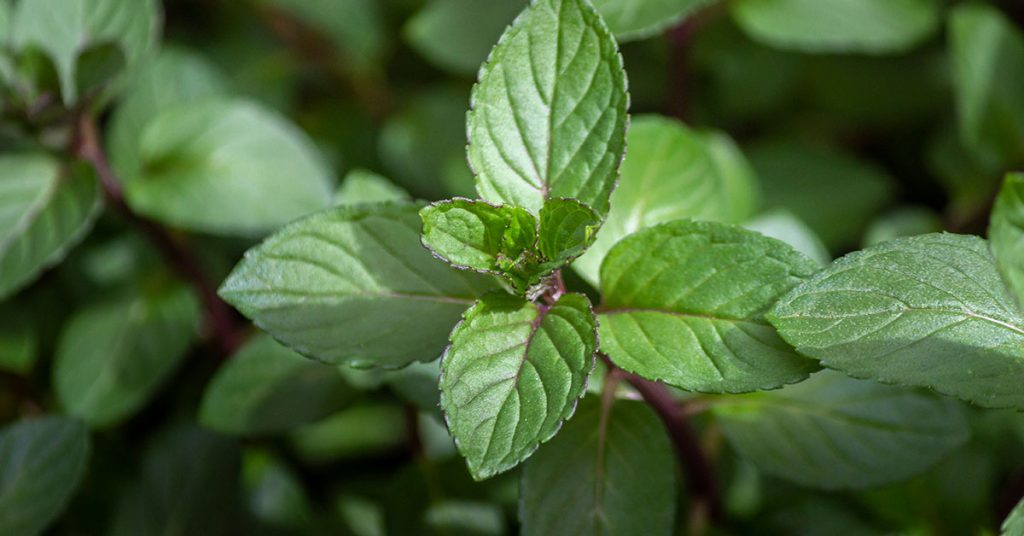
Before growth slows in cooler weather, take advantage of the abundance by harvesting generously. The more you pick, the more the plant will produce, so don’t be shy. Cut stems in the morning after dew has dried but before the midday heat, when oils are most concentrated.
Drying mint is as simple as hanging small bundles upside down in a cool, dark space, or you can freeze leaves for fresher flavor retention. Preserving now means you’ll have that refreshing minty goodness on hand for teas, sauces, and desserts all winter long without relying on store-bought herbs.
Refresh Soil Nutrients
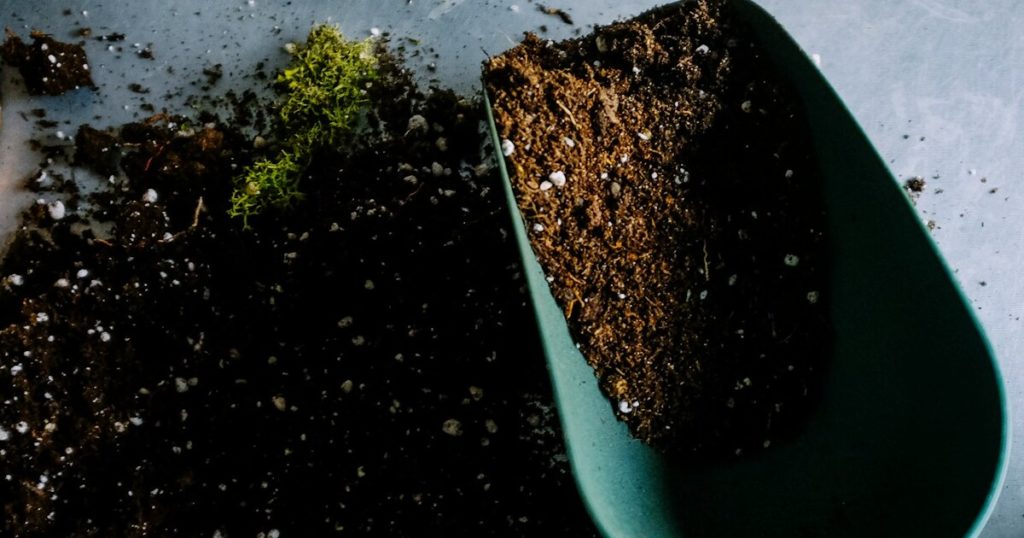
After a full season of growth, mint can deplete the soil of key nutrients. Adding a light layer of compost or a balanced organic fertilizer before September helps replenish what’s been lost. This not only supports continued growth this fall but also ensures strong root health going into winter dormancy.
Healthy soil also supports the beneficial insects that hang around mint patches. Bees, hoverflies, and other pollinators are drawn to mint’s flowers, and nutrient-rich soil helps produce blooms that are loaded with nectar right until frost.
Thin Out Flowering Stems

While mint flowers are beautiful and beloved by pollinators, letting too many bloom can reduce the intensity of leaf flavor. If your goal is culinary use, it’s worth selectively removing some flower spikes while leaving a few for the bees.
This balance ensures that you keep attracting beneficial insects while still encouraging the plant to focus its energy on producing lush, aromatic leaves. I’ve found that when I thin flowers mid to late summer, my mint stays both flavorful and pollinator-friendly.
Mulch to Retain Moisture
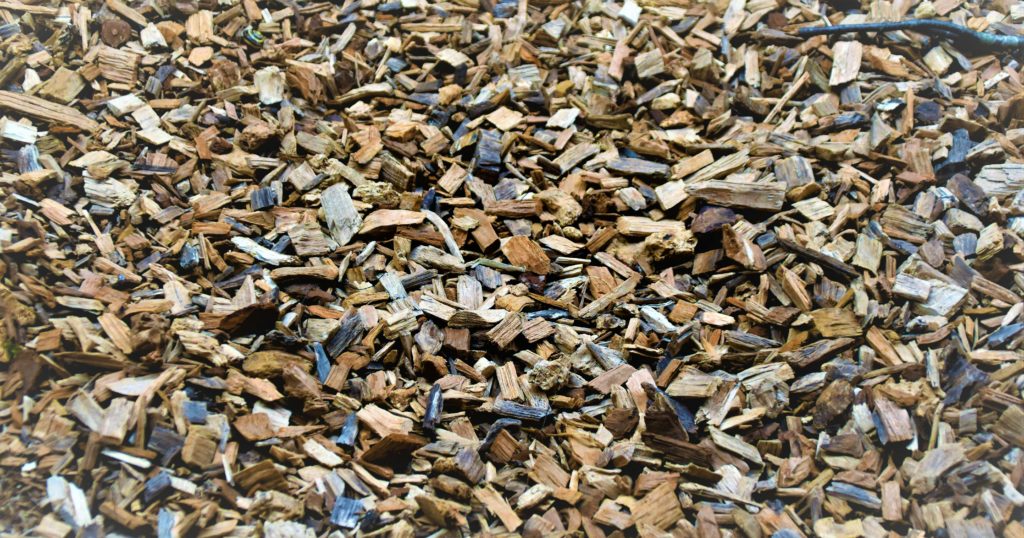
Even as temperatures cool, late-summer heat can still stress mint plants, especially in dry climates. Adding a layer of mulch helps retain soil moisture, suppress weeds, and protect the root system as the season transitions. Organic mulches like shredded leaves or straw are ideal because they break down over time, adding nutrients back into the soil.
Mulching also creates a more stable environment for ground-dwelling pollinators and beneficial insects that may seek shelter among the mint’s roots. Just avoid piling mulch directly against the stems to prevent rot.
Contain Spreading Rhizomes
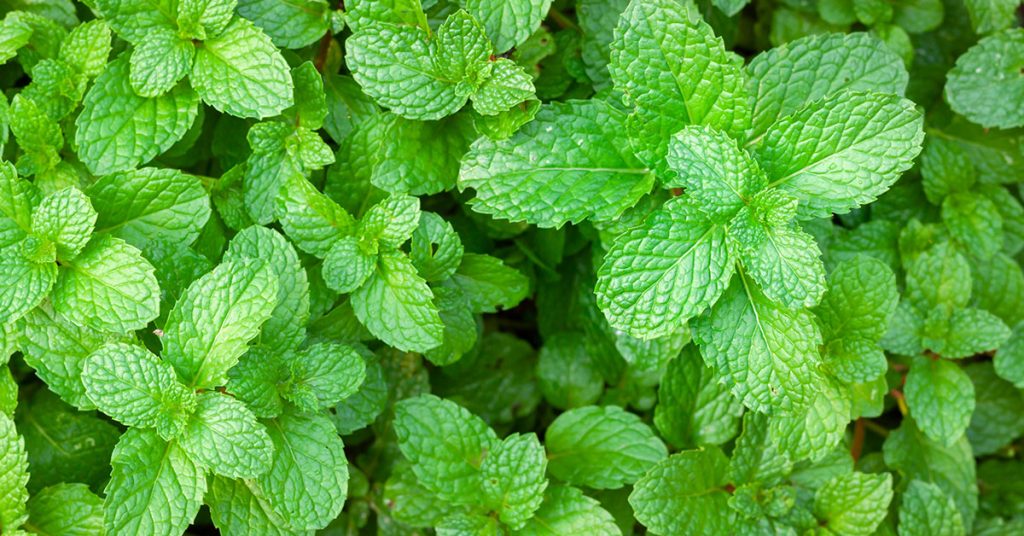
If your mint is in the ground, now is the time to check its boundaries. Mint’s underground runners can spread surprisingly far in one season, sometimes popping up in neighboring beds. Installing a root barrier or digging up stray shoots will save you a lot of work next spring.
Containment also helps keep your mint healthier by preventing overcrowding and competition for resources. Invasive tendencies aside, mint is a valuable plant when kept in check, offering beauty, fragrance, and a steady supply of fresh leaves.
Water Deeply Before Cooler Weather
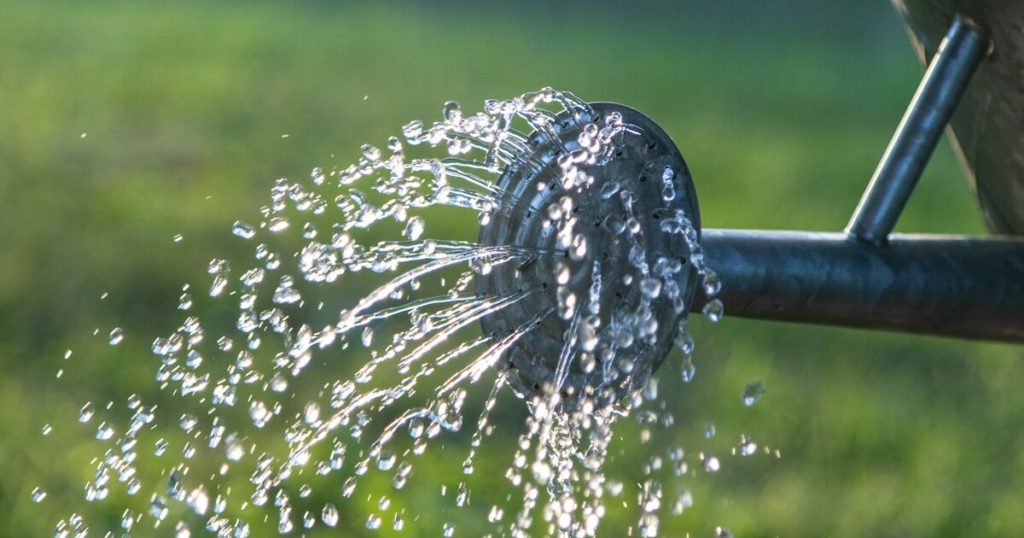
While mint is fairly drought-tolerant, giving it a deep watering before September helps prepare it for the seasonal shift. This encourages deeper root growth, which is key to surviving temperature fluctuations in early fall. It’s especially important if you’ve recently pruned or divided plants.
Well-watered mint is also less vulnerable to pest invasions and stress-related leaf drop. I like to follow a deep watering with a quick inspection for any last-minute maintenance needs—this way, I know my plants are set up for a healthy, productive transition into autumn.