
Philadelphia sits at the center of a region rich with documented history, and several nearby sites carry longstanding reputations for unexplained activity tied directly to real events and repeated reports from visitors and staff. These locations stand out because their stories rest on verifiable records rather than manufactured effects, offering day-trippers a chance to explore both the past and the persistent legends that surround it. From former prisons to battlefields, the options range from quick local stops to drives of a few hours.
Philadelphia’s In-City Haunts
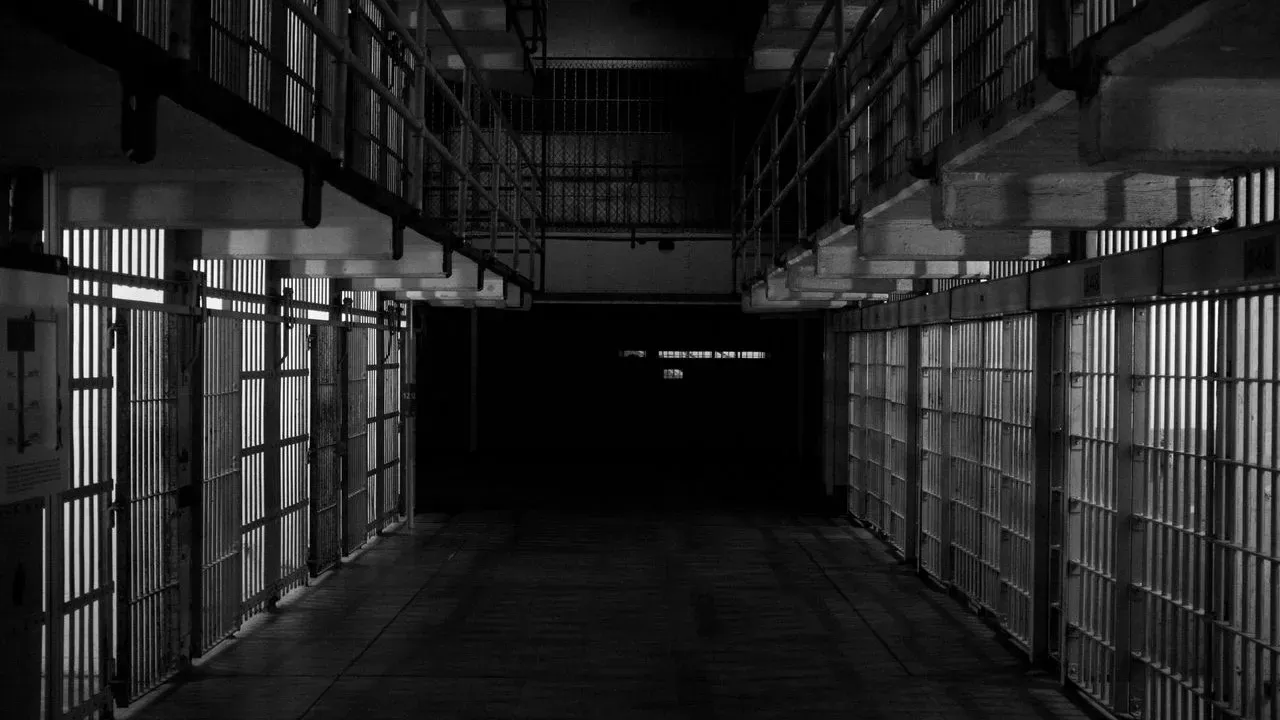
Three notable sites lie within the city limits and require no driving at all. Eastern State Penitentiary opened in 1829 as one of the nation’s first facilities to use solitary confinement as a reform tool. Al Capone served time there in 1929 and reportedly complained of being haunted by a rival killed in the St. Valentine’s Day Massacre. The prison closed in 1971 and now operates as a museum with daytime tours available year-round.
Fort Mifflin, commissioned in 1771 along the Delaware River, endured the heaviest bombardment of the Revolutionary War during a six-week siege in 1777. More than half of its roughly 400 defenders were killed or wounded. Philadelphia police have responded multiple times to reports of a woman’s screams at the site, with no source ever located.
The fort also served as a Civil War prison with harsh conditions. Grumblethorpe, built in 1744 in the Germantown neighborhood, was seized by British forces during their occupation of Philadelphia. Brigadier General James Agnew was carried there after being shot in the Battle of Germantown and bled to death on the parlor floor; the stain remains visible today. Staff have reported seeing a fast-moving dark shape near the stain on multiple occasions.
Sites with Documented Institutional Histories
Two locations stand out for their well-recorded institutional pasts. Pennhurst Asylum opened in 1908 as a state facility for people with intellectual and physical disabilities. It gained national attention after a 1968 television exposé and a 1974 federal lawsuit that exposed severe overcrowding and abuse.
The site closed in 1987 and now includes a museum focused on disability rights alongside a separate seasonal attraction. The Old Jail Museum in Jim Thorpe operated as Carbon County Prison from 1870 until 1995. Several members of the Molly Maguires, Irish-American coal miners, were held and executed there in 1877 following trials historians have described as biased.
In Cell 17, condemned man Alexander Campbell pressed his hand to the wall declaring his innocence; the handprint has reportedly resisted repeated attempts to cover it.
Further Afield: Inns, Battlefields, and Historic Towns
Four additional destinations require longer drives but reward visitors with layered stories. The Logan Inn in New Hope dates to 1727 and is considered one of the oldest continuously operating inns in the country. Local historical records note its use during the Revolutionary era, and it carries a persistent association with Aaron Burr after his 1804 duel with Alexander Hamilton.
Devil’s Den and the adjacent Triangular Field form part of Gettysburg National Military Park. The area saw intense fighting on the second day of the Battle of Gettysburg in 1863. A famous Civil War photograph taken there was later revealed to have been staged by moving a soldier’s body, yet reports of equipment malfunctions and apparitions continue among visitors to the public land.
The Emlen Physick Estate in Cape May, designed by architect Frank Furness and completed in 1879, serves as the town’s primary Victorian house museum. Staff have described distinct presences linked to different family members, including cold spots and reported sightings of a woman in period clothing.
Harpers Ferry, West Virginia, changed hands eight times during the Civil War and was the site of John Brown’s 1859 raid on the federal armory. The town runs what is billed as America’s oldest ghost tour, operating since 1974, with stops at locations tied to Brown and other documented events.
Planning Considerations
Most of these sites offer standard daytime historical access separate from any evening programming. Devil’s Den remains free as National Park Service land, while the others charge modest admission for tours. October brings peak demand for any ghost-related events, so advance reservations are advisable for popular attractions.
A measured approach helps visitors appreciate the documented context behind each location. The combination of verified historical events and consistent eyewitness accounts gives these day trips lasting appeal beyond seasonal scares.
AI Disclaimer: This article was created with the assistance of AI tools and reviewed by a human editor.