
It’s such a bummer when pathways in your garden turn into barren mud pits or stubborn weeds—the very spots you meant to walk on become eyesores and trip hazards! As a gardener who’s had my fair share of compacted soil disasters, I know how frustrating it is to try growing plants in high-traffic zones. That’s why selecting tough, resilient groundcovers is key to keeping your garden both beautiful and functional.
In this article, we’ll explore nine stellar groundcover options that can take a daily trample without complaint. You’ll learn each plant’s native origins, whether it has invasive tendencies, and how it welcomes beneficial wildlife—from bees nesting in its flowers to ladybugs sheltering under its leaves. Let’s give your well-worn paths a makeover with living carpets that thrive under pressure!
Mazus reptans

Mazus reptans, native to the moist, rocky regions of the Himalayas, forms a low mat of glossy foliage that tolerates regular foot traffic admirably. This spring-blooming groundcover sends out purple and white snapdragon-like flowers that attract bumblebees and hoverflies, which dart among the blooms for pollen and nectar. Because it prefers moist soils, I often plant Mazus along damp garden edges where other plants struggle, and it rarely escapes its bounds in temperate climates.
One of my favorite moments is spotting tiny mason bees investigating the mossy gaps between Mazus stems for nesting cavities! The dense cover also provides shelter for predatory beetles that help control slug populations. If you’ve wrestled with muddy walkways or slug damage, Mazus can create a stable, life-filled carpet that demands little maintenance and keeps its compact shape under light to moderate foot traffic.
Creeping Thyme (Thymus serpyllum)

Creeping thyme hails from Europe’s rocky hillsides and remains non-invasive in most home gardens. Its tiny purple blooms blanket the mat in early summer, and the aromatic foliage emits a delightful fragrance with each footstep—an instant sensory reward! Bees, especially solitary Andrena species, flock to the nectar-rich flowers, often nesting in nearby sandy soil where thyme grows best.
I love how creeping thyme can fill the gaps between stepping stones, enduring regular treads while still offering a soft, cushioned feel underfoot. If you’ve ever despaired at mud staining your shoes, this hardy herb transforms pathways into scented runways—plus, that lemony aroma seems to deter certain pests, making it both beautiful and practical!
Dichondra repens

Originating from Australia and New Zealand, Dichondra repens—often called kidney weed—spreads rapidly into a lush, round-leafed carpet that tolerates moderate foot traffic. While it can naturalize if conditions are ideal, it seldom becomes aggressively invasive outside its native range. In spring, small greenish-white blooms emerge, attracting hoverflies that patrol for aphids and other minor pests.
I know how frustrating it is when bare earth erodes away; planting Dichondra in sloped paths held up soil like a champion, preventing washouts during heavy rains! Its tender foliage also offers tiny crevices where beneficial ground beetles nest, turning what might have been a weedy patch into an ecological hotspot supporting diverse wildlife.
Blue Star Creeper (Isotoma fluviatilis)

Isotoma fluviatilis, commonly called blue star creeper, is native to Australia’s damp regions and adapts well to temperate gardens without rampant spreading. Its petite sky-blue flowers cover the mat from spring through early summer, attracting honeybees and small native bees alike. I often sow it between flagstones, where its delicate blossoms peek through and offer pollinators a delightful landing pad.
Beyond its floral appeal, blue star creeper’s thin stems tangle together to form a resilient carpet that rebounds even under children’s playful footsteps! If you’ve struggled to balance aesthetic charm with durability, this groundcover provides both—a soft, starry blanket that encourages beneficial insects while standing up to everyday use.
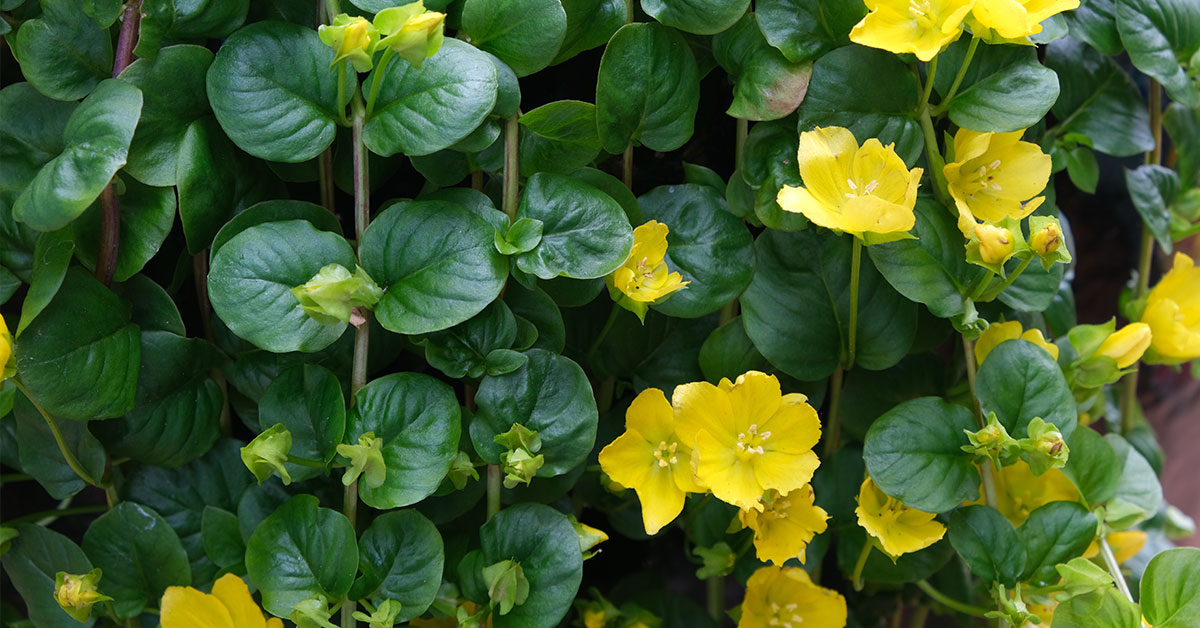
Golden Creeping Jenny (Lysimachia nummularia ‘Aurea’)

Golden creeping jenny, native to Europe, brings vibrant chartreuse foliage that contrasts beautifully with darker garden beds. While Lysimachia nummularia can be invasive in wet soils, the ‘Aurea’ cultivar is less aggressive when planted in well-drained areas. Its yellow cup-shaped flowers in early summer attract hoverflies, syrphid flies, and small solitary bees, all of which feed on nectar and control aphids.
One of my favorite uses is edging a lawn path with golden creeping jenny—its luminous leaves bounce back after each step, and the dense growth helps suppress weeds. If you’ve ever lamented a lackluster border, this plant’s bold color and hardy nature will make your walkways both inviting and alive with buzzing activity!
Irish Moss (Sagina subulata)

Sagina subulata, or Irish moss, originates from temperate parts of Europe and isn’t known to escape cultivation aggressively. It forms a dense, velvety cushion of bright green that thrives in cool, moist spots under partial shade. In late spring, it produces tiny white flowers that charm honeybees and small pollinators, turning your stepping stones into miniature wildflower meadows.
I often install Irish moss between pavers where grass won’t grow, creating a plush carpet that cushions footsteps and absorbs sound. And if you’ve been discouraged by bare, compacted ground under trees, this resilient mat offers both beauty and function—welcoming soil organisms like springtails and beneficial mites that decompose organic debris and enrich the soil!
Woolly Thyme (Thymus pseudolanuginosus)
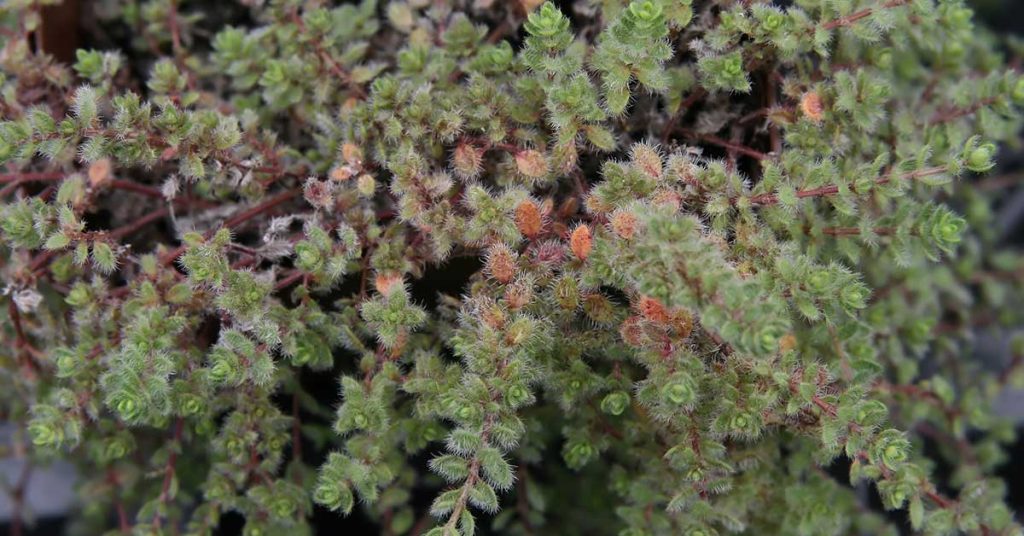
Native to the Mediterranean region, woolly thyme sports silvery, fuzzy foliage that stands up to heavy foot traffic better than many other thymes. Its tiny pink flowers in early summer attract tiny sweat bees and solitary bees, which hover above the mat looking for nectar. Unlike creeping thyme, woolly thyme’s dense woolly leaves protect stems from wear and tear.
One of my favorite memories is watching a group of juvenile bumblebees practice landing on woolly thyme blooms—its springy surface makes an excellent landing strip! If you’ve ever worried that floral groundcovers can’t withstand regular use, this fuzzy variety proves otherwise, retaining its texture even in high-traffic zones.
Ajuga reptans (Bugleweed)

Ajuga reptans, commonly known as bugleweed, is native to Europe and parts of Asia; it’s a robust spreader in moist soils but seldom invasive in a well-managed garden. Its deep purple foliage forms a striking backdrop, and spikes of blue flowers in spring draw honeybees and bumblebees for nectar. After flowering, the groundcover remains resilient under foot, quickly filling any gaps.
I love planting Ajuga along stepping-stone paths—its colorful leaves highlight stone edges, and the flowers provide an early-season feast for pollinators emerging from winter dormancy. If you’ve wrestled with thistles or bare mud around your stones, bugleweed offers both ornamental flair and reliable coverage!
Sedum acre (Goldmoss Stonecrop)
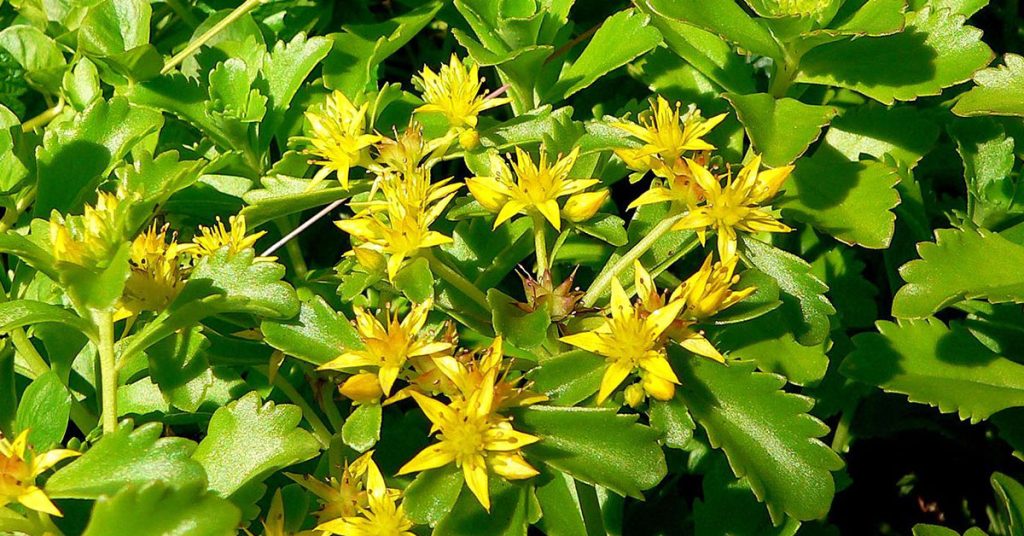
Native to Europe, Sedum acre—also called goldmoss stonecrop—forms a dense mat of succulent leaves that tolerates occasional foot traffic on rocky or sandy soils. In late spring, it erupts in tiny yellow star-shaped flowers that draw hoverflies, solitary wasps, and bees; these insects use the blooms for nectar and often nest in crevices of surrounding rocks.
I’ve planted Sedum acre between patio stones, and it’s thrived under casual strolls and footfalls, providing a soft yet durable tapestry. Plus, its drought tolerance means minimal watering once established. If you’ve wrestled with washed-out gravel paths, this succulent groundcover anchors the soil and invites a parade of pollinators to your hardscaped spaces!