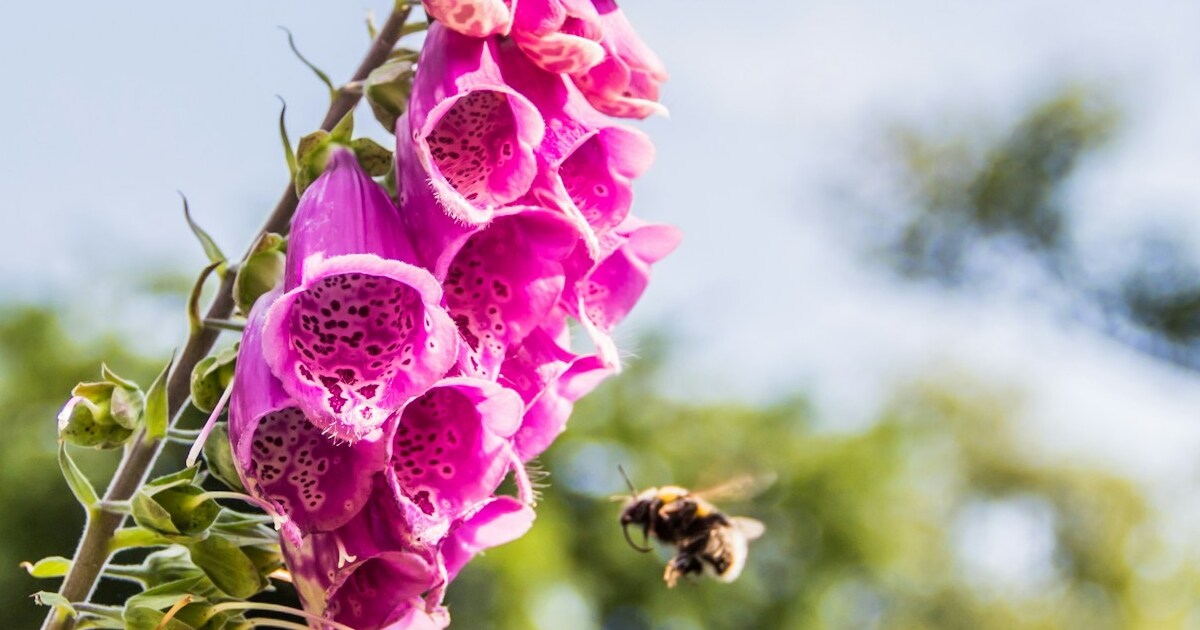

I understand how challenging it can be to create a harmonious garden when pests, shade, or unpredictable weather try to dampen your spirits. It’s such a bummer when your beautiful foxgloves don’t receive the supportive company they deserve. In this article, I’m excited to introduce you to 9 gorgeous companion plants that not only complement the elegant, spire-like blooms of foxglove but also attract beneficial insects and sometimes even provide tiny nesting spots for nature’s little helpers. Each plant comes with its own fascinating native history and growth habits, ensuring your garden thrives in a balanced, vibrant way!
Throughout my gardening journey, I’ve learned that the secret to a flourishing garden is diversity and thoughtful companionship. Whether you’re struggling with low light in a shady corner or simply looking to enhance the natural beauty of your foxglove display, these companion plants offer everything from brilliant foliage contrasts to extended blooming seasons.
Astilbe
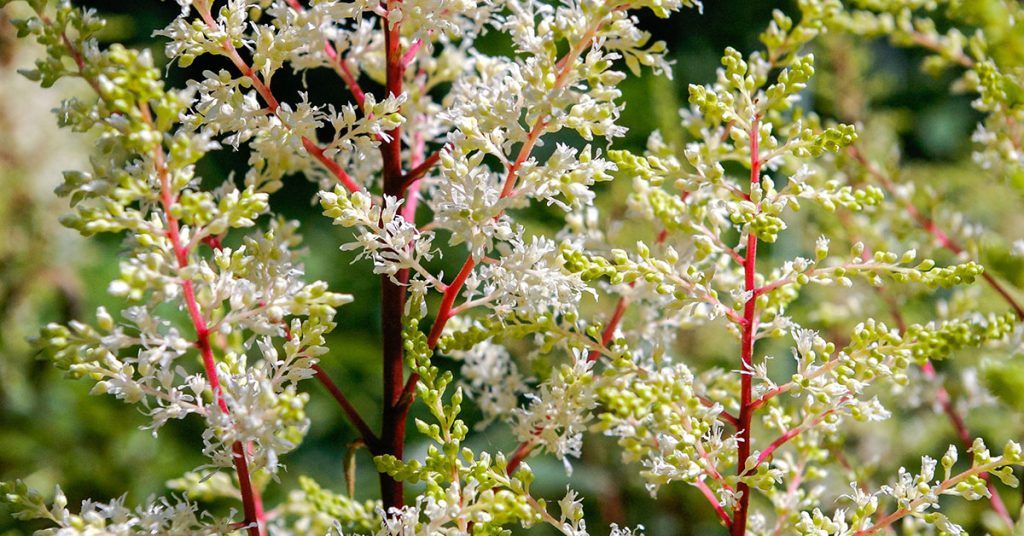
Astilbe is a graceful perennial that produces airy plumes of pink, red, or white flowers—perfect for softening the vertical spires of foxglove. Native to Asia and North America, Astilbe thrives in moist, well-drained soils with partial shade, making it an excellent understory companion. I’ve often noticed that its feathery flower clusters attract butterflies and bees, which sometimes even use the fluffy plumes as a transient nesting site, adding an extra layer of life to your garden!
Its non-invasive growth habit means that Astilbe will fill in bare spots without overtaking your foxglove, creating a balanced tapestry of textures. The gentle contrast of its delicate blooms against the bold structure of foxglove provides visual interest throughout the season. For anyone seeking to add a soft, ethereal quality to their garden while encouraging natural pollinators, Astilbe is an inspiring choice that never fails to impress!
Monarda (Bee Balm)

Monarda, commonly known as Bee Balm, is a vibrant perennial that bursts with clusters of red, pink, or purple flowers. Native to North America, this plant thrives in full sun to partial shade and well-drained soil, which makes it an ideal companion for foxglove’s lofty presence. I’ve observed that its tubular blossoms attract hummingbirds and bees, some of which even find temporary refuge in the dense foliage—enhancing the natural ecosystem of your garden!
Not only does Monarda add a splash of bold color, but its aromatic foliage also acts as a natural deterrent to certain pests. Its non-invasive nature and clumping habit ensure that it coexists beautifully with taller plants like foxglove without overshadowing them. For gardeners looking to invite more pollinators and vibrant energy into their floral displays, Monarda is a delightful and practical companion!
Campanula (Bellflower)
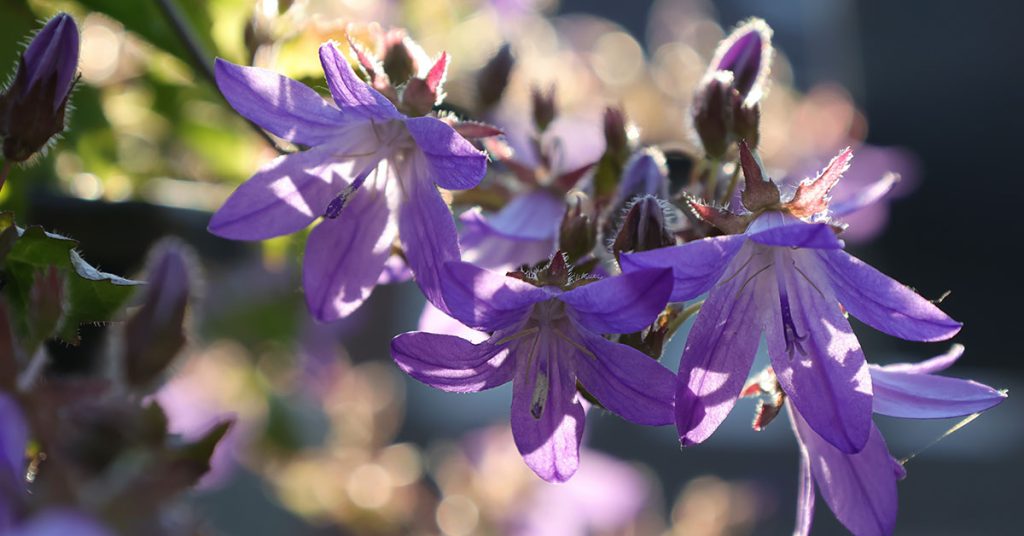
Campanula, or Bellflower, brings a delicate charm to the garden with its soft, bell-shaped blooms that dangle gracefully from slender stems. Native to temperate regions of Europe and Asia, Campanula thrives in full sun to partial shade with well-drained soil, making it a natural partner for foxglove’s stately form. I’ve always admired how its gentle, nodding flowers attract small bees and butterflies that sometimes use the shelter of its blossoms as a resting or nesting spot, contributing to a vibrant garden ecosystem!
Its non-invasive, clumping growth habit ensures that Campanula fills the space around your foxglove without overwhelming it. The harmonious interplay of its subtle colors with the bold, vertical spires of foxglove creates a visually captivating display throughout the blooming season. For anyone wanting to add a touch of classic beauty and ecological balance to their garden, Campanula is an exceptional choice that brightens up even the shadiest corners!
Nepeta (Catmint)

Nepeta, or Catmint, is a delightful herbaceous perennial known for its aromatic, silver-green foliage and soft, lavender-blue flowers. Native to Europe and Asia, Nepeta thrives in full sun and well-drained soils, conditions that perfectly complement foxglove’s requirements. I love how its sprawling, low-growing habit creates a carpet beneath taller plants, naturally attracting beneficial pollinators such as bees and butterflies that sometimes find refuge in its dense growth—a real treat for any garden!
The non-invasive nature of Catmint means it won’t compete aggressively with your foxglove but instead provides a soothing, contrasting texture and scent. Its natural pest-repelling properties add yet another layer of benefit, helping to protect your foxglove from unwanted insects. For gardeners seeking a plant that offers both aesthetic charm and practical ecological benefits, Nepeta is a must-have addition that enhances the overall garden harmony!
Heuchera (Coral Bells)
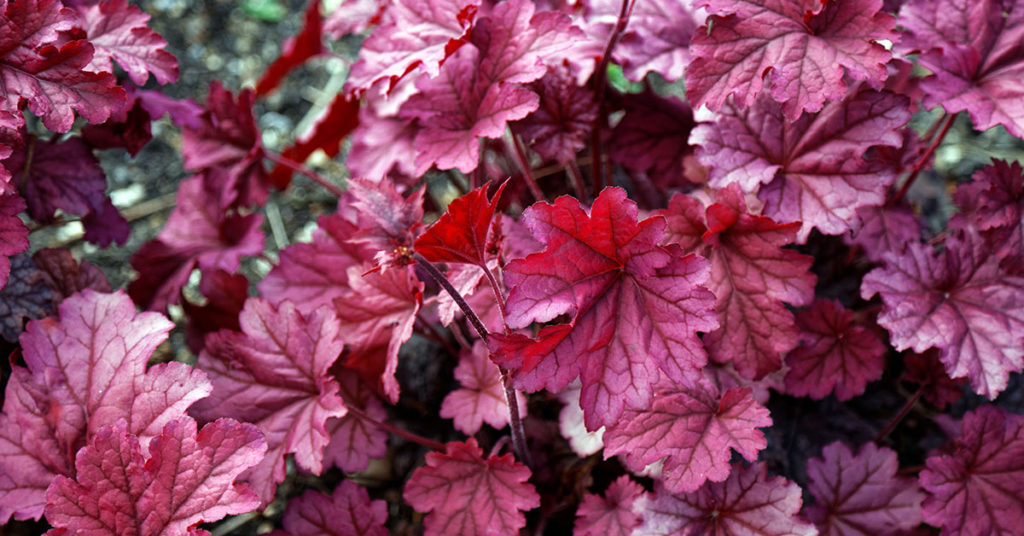
Heuchera, commonly known as Coral Bells, is prized for its striking, colorful foliage that ranges from deep purples to vibrant chartreuse. Native to North America, Heuchera flourishes in partial shade and well-drained soils, making it an excellent companion for the bold foxglove. I’m always impressed by how its textured leaves provide a brilliant groundcover that attracts tiny beneficial insects—some of which even nest in the crevices of its rosette, adding a subtle yet dynamic element to the garden ecosystem!
Its non-invasive, clumping growth habit makes Heuchera an ideal complement to taller, more dramatic plants like foxglove, ensuring a layered, visually appealing display. The vibrant colors of its foliage contrast beautifully with the soft, pastel hues of foxglove blooms, creating a balanced and eye-catching arrangement. For gardeners looking to infuse their beds with a burst of color and texture while promoting a healthy insect habitat, Heuchera is an outstanding choice!
Salvia
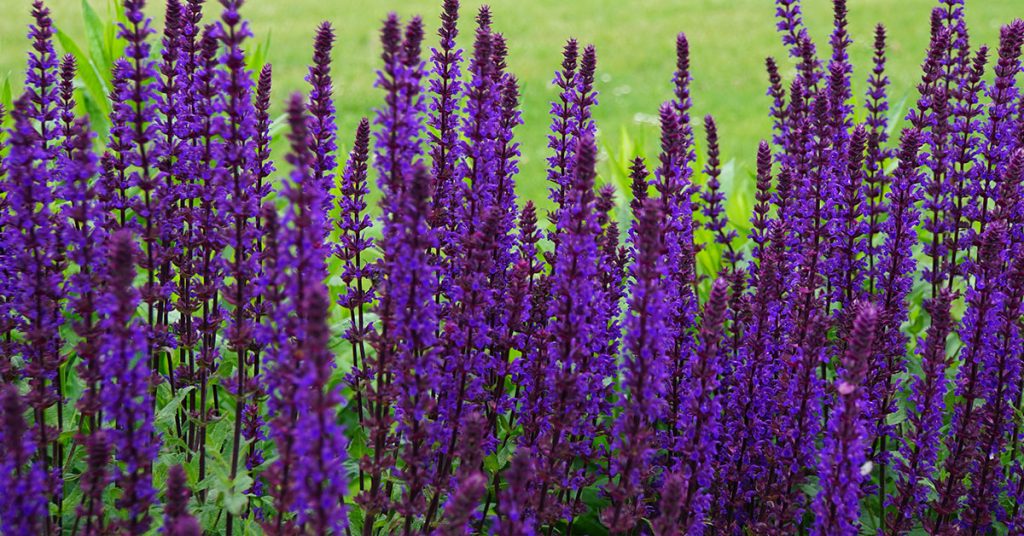
Salvia is a robust perennial that offers tall spikes of vivid blooms and aromatic foliage—a perfect match for the dramatic presence of foxglove. Native to regions from the Mediterranean to Central Asia, Salvia thrives in full sun and well-drained soils, attracting a myriad of beneficial insects like bees and hummingbirds. I’ve noticed that its striking flower spikes sometimes become a temporary nesting spot for these busy pollinators, adding a lively dimension to the garden’s ecosystem!
Its non-invasive growth ensures that Salvia complements rather than competes with foxglove, creating a layered effect that is both visually and ecologically beneficial. The interplay of its bold, spiky blossoms with the graceful curves of foxglove offers a dynamic contrast that enhances the beauty of any garden. For those who want to create a pollinator-friendly space with a touch of drama, Salvia is a superb, must-try companion!
Hellebore
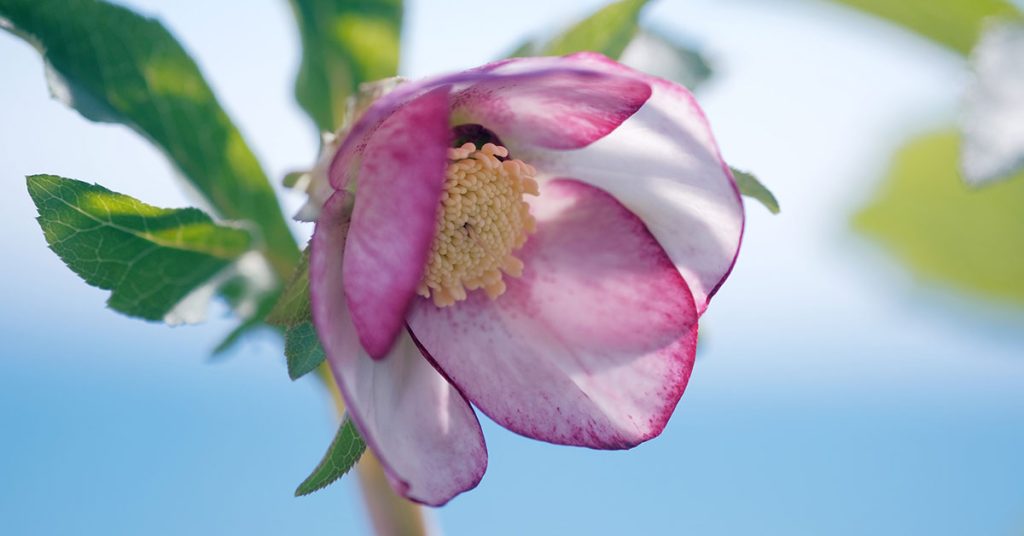
Hellebore, often known as the Lenten Rose, is a perennial that blooms in the cooler months, offering unexpected bursts of color in a foxglove garden. Native to central and southern Europe and parts of Asia, Hellebore thrives in moist, well-drained soils with filtered light, making it a natural fit for the understory of a mixed border. I’m always delighted by how its unique, often muted blossoms attract early-season pollinators such as bees, which sometimes use the plant’s evergreen foliage as a cozy nesting site during cool mornings!
Its non-invasive habit ensures that Hellebore won’t overshadow the more dominant foxglove but instead provides a gentle counterpoint during transitional seasons. The subtle elegance and long-lasting blooms of Hellebore bring a touch of refined sophistication to your garden, enriching the ecosystem while offering an extended flowering period. For anyone looking to add a winter-spring surprise to their garden, Hellebore is an exceptional and understated companion!
Geranium (Scented)
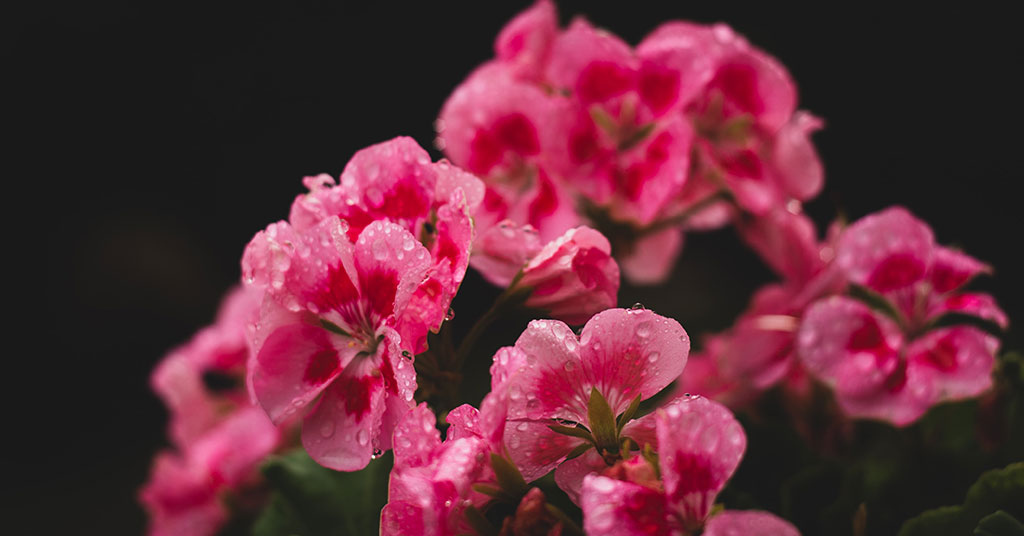
Scented Geraniums are versatile perennials prized for their aromatic foliage and vibrant clusters of blooms, making them a delightful companion for foxglove. Native to South Africa, these plants thrive in full sun to partial shade and well-drained soils, offering both a burst of color and a natural fragrance that repels pests. I’ve found that their sprawling habit and lush, scented leaves attract beneficial insects like bees and small butterflies, which sometimes use the dense foliage as a safe haven for short-term nesting!
Their non-invasive growth habit means that scented geraniums work harmoniously alongside taller foxglove, adding a lower layer of texture and sensory appeal. The interplay between their vibrant blooms and the elegant spires of foxglove creates a multi-dimensional garden display that is both eye-catching and ecologically friendly. For gardeners seeking a dual-purpose plant that enhances both aroma and aesthetics, scented geraniums are a brilliant and practical choice!
Lungwort (Pulmonaria)
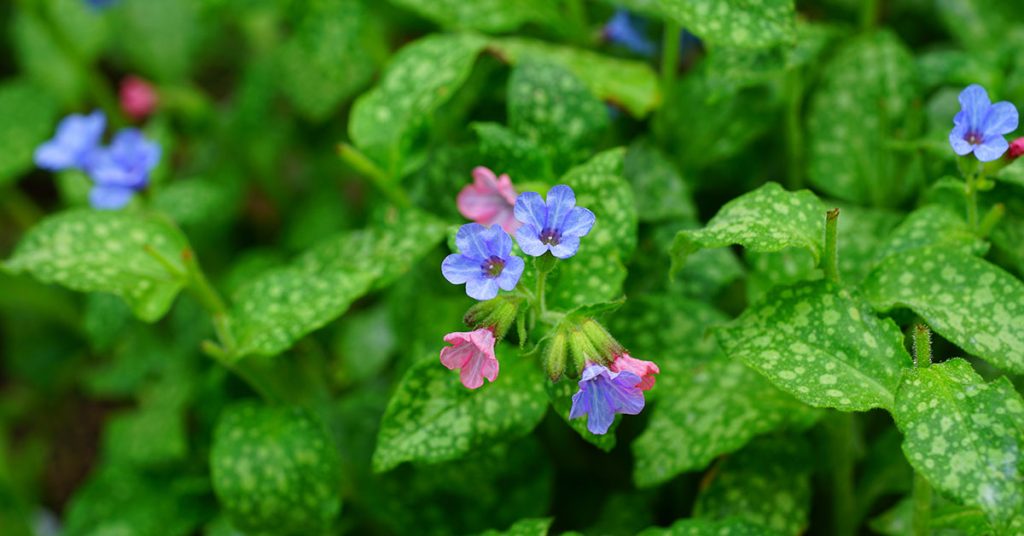
Lungwort is a charming perennial known for its spotted, silvery foliage and delicate clusters of early spring flowers, making it an excellent companion for foxglove. Native to Europe and Western Asia, Lungwort thrives in shady, moist conditions and adds a soft, natural contrast to the tall, dramatic foxglove blooms. I’m always fascinated by how its subtle colors and unique patterns attract beneficial insects such as small bees, which sometimes use the sheltered leaf bases as temporary nesting sites, contributing to a thriving garden ecosystem!
Its non-invasive, clumping growth habit makes Lungwort an ideal choice for underplanting, filling in gaps and softening the garden floor with understated beauty. The cool, textured leaves and gentle blossoms of Lungwort complement the more robust, vertical growth of foxglove, creating a layered effect that enhances the overall garden design. For gardeners who appreciate a touch of delicate charm and ecological balance, Lungwort is a delightful addition that truly enriches a foxglove garden!