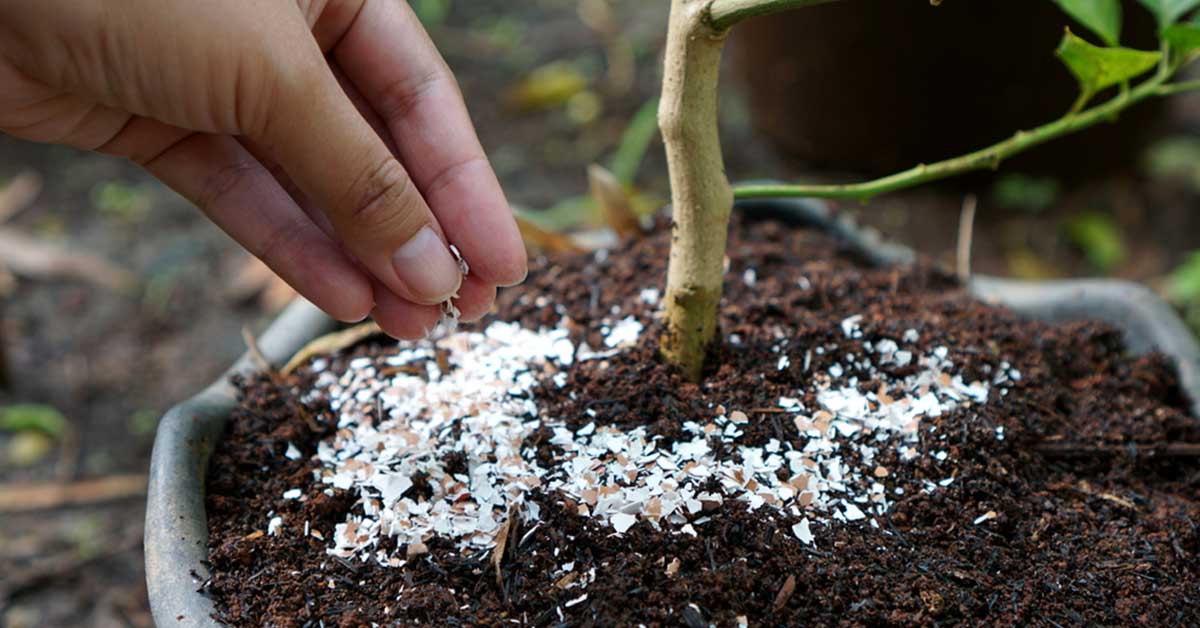

Spring is one of those magical times when every gardener dreams of a lush, vibrant, and productive garden. As someone who’s spent many hours nurturing my outdoor space, I’ve learned that sometimes the best fertilizers and soil amendments aren’t expensive, industrial products—they’re right in your kitchen! Broken egg shells are one of those unsung heroes that can transform your garden naturally. Not only do they recycle kitchen waste in an eco-friendly way, but they also deliver a range of benefits to your soil and plants. I understand the disappointment of watching vibrant blooms fade when nutrients fall short; it’s such a bummer when your hard work doesn’t pay off due to poor soil quality or pest pressure.
By embracing the power of broken egg shells, you’re not just adding calcium—you’re setting the stage for improved soil structure, natural pest deterrence, and even an enhanced compost process. Throughout this article, I’ll share 9 compelling reasons why you should integrate crushed egg shells into your gardening routine. With each reason, I’ll dive into the practical benefits and share my own experiences from the garden. Let’s explore how these humble fragments, recycled from your breakfasts, can make your garden thrive!
Enhances Soil Calcium Levels
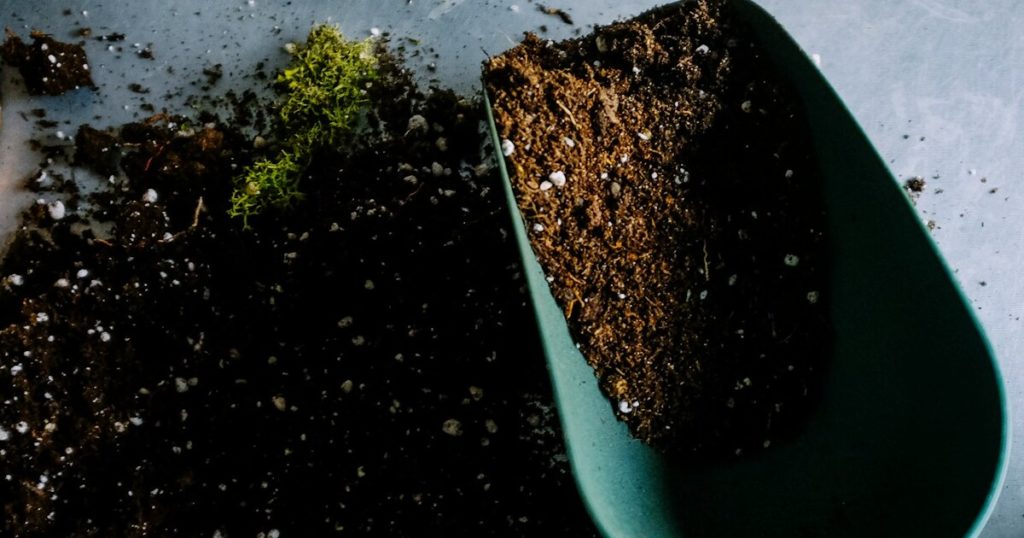
One of the most notable benefits of incorporating broken egg shells into your garden is that they enrich the soil with calcium. Calcium is a crucial nutrient that plays a pivotal role in building strong cell walls and healthy root systems. I’ve seen firsthand how adding crushed egg shells to the soil can help prevent disorders like blossom-end rot in tomatoes and peppers. This natural calcium boost supports vigorous plant growth and leads to more robust, productive harvests that keep your plants happy and resilient.
Beyond just strengthening plant tissues, enhanced calcium levels also contribute to overall soil health. When the egg shells break down over time, they slowly release calcium along with other trace minerals, creating a more balanced, fertile environment. This process is entirely organic and sustainable, unlike synthetic calcium amendments that might come with unwanted chemical residues. I’ve found that even a modest sprinkle of crushed egg shells around your plants can work wonders—a gentle reminder that small changes can have a big impact!
Improves Soil pH and Structure

Broken egg shells not only provide essential nutrients but also help to balance soil pH levels. Many gardens suffer from soil that is either too acidic or too alkaline, which can inhibit the uptake of other vital nutrients. When added to the soil, egg shells gradually break down and help neutralize acidity, creating a more balanced environment where plants can thrive. In my own garden, adjusting the pH with egg shells has led to noticeable improvements in plant color and overall vigor, making it easier for your green friends to absorb all the goodness they need.
In addition to balancing pH, the physical structure of egg shells can help improve soil texture. Their gritty, coarse nature works like tiny aggregates that aerate compacted soil, providing better drainage and root penetration. This enhanced soil structure means that water doesn’t pool dangerously around the roots, reducing the risk of root rot and other moisture-related issues. The result is a healthier, more forgiving soil where your plants establish deep, robust roots—an essential foundation for any thriving garden!
Deters Pests Like Slugs and Snails

One of the more surprising benefits of broken egg shells is their ability to deter soft-bodied pests, particularly slugs and snails. When scattered around vulnerable plants, the sharp edges of the crushed shells create a natural barrier that these pests find uncomfortable to cross. I’ve observed that a simple circle of egg shells around my tender seedlings makes a significant difference in keeping these destructive gastropods at bay. It’s such a relief to see your plants unscathed by pests that are notoriously hard to control with synthetic pesticides!
Using egg shells as a physical barrier is not only effective but completely eco-friendly. Unlike chemical treatments that can harm beneficial insects and create long-lasting residues, egg shells provide a natural, non-toxic solution to pest control. Plus, as the shells slowly break down, they simultaneously contribute nutrients to the soil, making them a dual-purpose solution. The strategy of using nature to combat nature is something that has always fascinated me, and I’m excited to see more gardeners embrace this organic pest deterrent!
Acts As a Natural Fertilizer
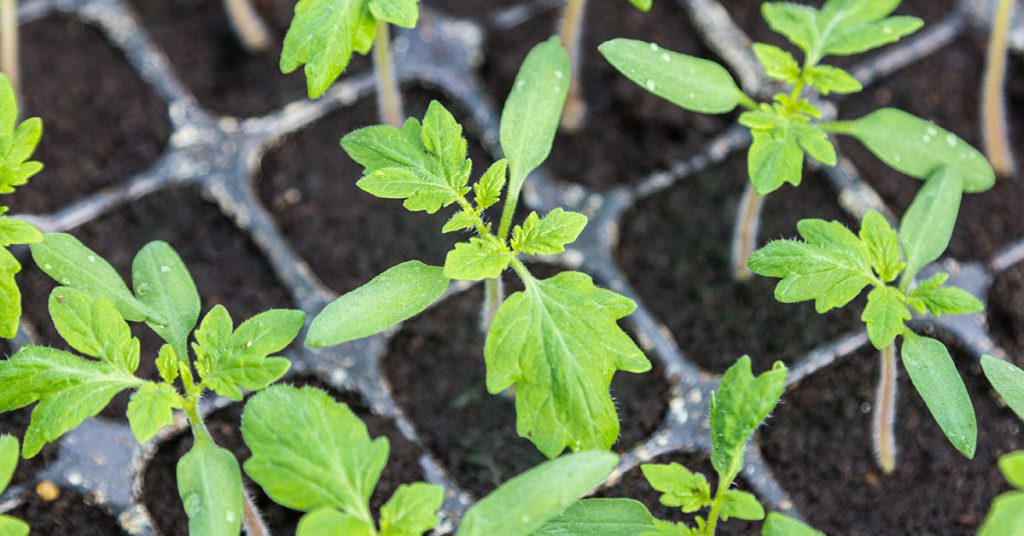
As egg shells decompose, they serve as a slow-release fertilizer, gradually providing your plants with a steady supply of nutrients. The benefit of a slow-release system is that it aligns closely with the natural growth rhythms of your plants, meaning you won’t see a sudden nutrient spike followed by a crash. I’ve often experienced healthier, more consistent growth in plants that have been supplemented with crushed egg shells compared to those that rely solely on chemical fertilizers. They help fortify the soil and sustain plant development throughout the growing season.
In addition, the process of decomposition also encourages a wealth of microbial activity in the soil. These beneficial microorganisms play a critical role in breaking down organic matter and making nutrients available for plant uptake. Over time, this synergy enhances overall plant health and contributes to a thriving ecosystem. I find that using egg shells as a natural fertilizer makes the entire garden feel more alive and interconnected—a gentle, ongoing cycle of nourishment that benefits every living component in your garden!
Aids in Composting

One of my favorite ways to use broken egg shells is by adding them to my compost pile. They not only contribute valuable nutrients such as calcium, but they also help to improve the texture and balance of the compost. Egg shells break down gradually over time, releasing minerals slowly and consistently, which makes them an ideal ingredient in a high-quality, organic compost mix. I always make sure to crush them finely before mixing them in, which speeds up the decomposition process and maximizes their benefits.
The inclusion of egg shells in compost also creates a more hospitable environment for the beneficial microbes and organisms that are essential to the composting process. These tiny decomposers accelerate the breakdown of organic matter, turning waste into a rich, dark, nutrient-dense soil amendment. Not only does this improve the fertility of your garden beds, but it also helps to reduce kitchen waste in an eco-friendly manner. It’s a win-win situation that ties together sustainability and healthy gardening practices in a truly organic cycle!
Prevents Blossom-End Rot
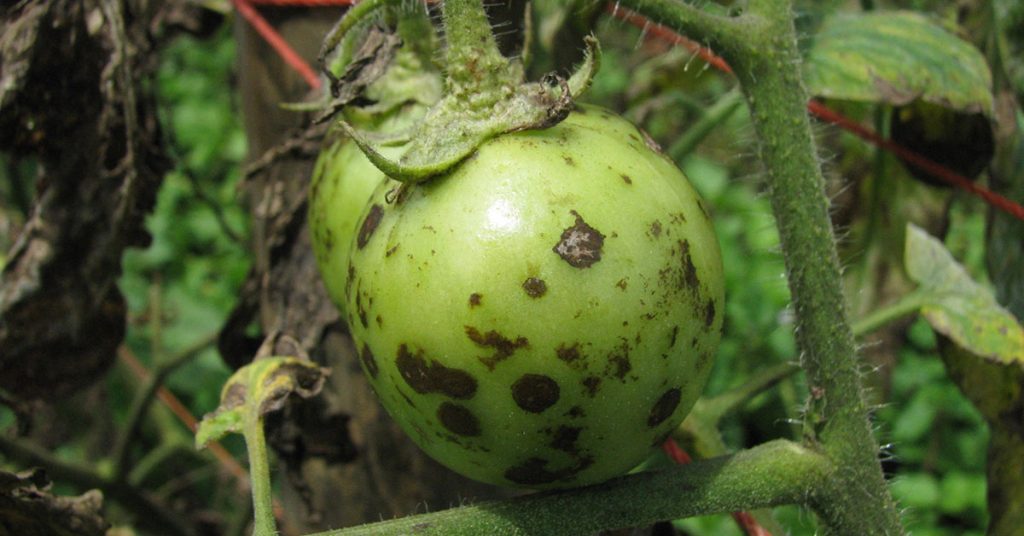
Blossom-end rot can be a major issue for gardeners, particularly on tomatoes and peppers, and it’s often caused by a lack of calcium in the soil. Broken egg shells, when worked into the soil, provide a natural source of calcium that helps prevent this unsightly and damaging disorder. I’ve witnessed many times how a simple amendment of crushed shells can lead to a noticeable reduction in blossom-end rot, leaving your fruit looking healthy, vibrant, and ready for harvest. It’s such a bummer when you’ve nurtured a plant all season long, only to lose precious produce to this preventable problem!
The slow-release nature of the nutrients from egg shells ensures that they gradually become available to the plant over time, creating a sustained supply of calcium that supports both fruit quality and overall plant health. This method mimics the natural processes found in soils where organic matter decomposes and enriches the earth organically. By opting for a natural approach, you’re not just saving your crop from a common malady—you’re also strengthening the long-term resilience and yield of your garden, one delicate, nutritious berry at a time!
Encourages Beneficial Insect Habitats

Using broken egg shells in your garden can inadvertently create microhabitats that are attractive to beneficial insects. When left as a light dusting over your soil, the rough texture and mineral content can serve as a gathering spot for various beneficial microfauna, including certain types of beetles and earthworms. I’ve observed that these tiny organisms thrive in an environment enriched with organic matter and crushed shells, contributing to improved soil aeration and nutrient cycling. This natural collaboration between insects and soil amendments is one of the many wonders of organic gardening!
Moreover, the presence of these beneficial insects helps to maintain a balanced ecosystem within your garden. They assist in controlling pest populations by preying on harmful insects and aiding in the breakdown of organic material. This creates a healthier environment for your plants to grow, free from the disruptive influence of damaging pests. Embracing broken egg shells not only nurtures your soil but also invites a thriving community of life, turning your garden into a small, self-sustaining ecosystem that’s both fascinating and productive!
Cost-Effective and Eco-Friendly
One of the most appealing reasons to use broken egg shells in your garden is that they are a cost-effective and eco-friendly resource. Instead of purchasing expensive chemical fertilizers, you can recycle kitchen waste into a natural soil amendment that enhances your garden’s health. In my experience, the humble egg shell—usually destined for the trash—can be repurposed into a valuable contributor to plant nutrition and pest control. It’s a sustainable practice that not only saves money but also helps reduce household waste in a small, meaningful way!
By choosing to use egg shells, you’re embracing a more environmentally responsible approach to gardening. This organic method leaves no harmful residues behind and supports a cleaner, greener environment for future generations. The joy of transforming everyday waste into a source of nourishment for your garden is truly gratifying, and it’s a practice that encourages everyone to think about sustainability from a practical, hands-on perspective. It’s a reminder that nature always provides, even in the smallest, most recycled packages!
Improves Soil Structure and Drainage
Incorporating crushed egg shells into your garden has a remarkable impact on soil structure and drainage. The coarse particles from the shells help break up compacted soil, making it lighter and more porous. I’ve seen in my own garden how this improved soil texture allows for better water infiltration and prevents the waterlogging that can harm delicate roots. Enhanced drainage means that the soil remains evenly moist, striking the perfect balance between hydration and aeration—a critical factor for healthy root development!
Better soil structure also means that beneficial microorganisms and earthworms can flourish, further improving nutrient cycling and overall soil fertility. When the soil is well-aerated, plant roots can penetrate deeply and absorb nutrients more efficiently, leading to healthier, more vibrant growth. I find that this subtle improvement in soil quality makes a huge difference in the long-term resilience and productivity of the garden. It’s a simple, natural adjustment that yields rich rewards—transforming a tired garden bed into a dynamic, thriving foundation for your plants!