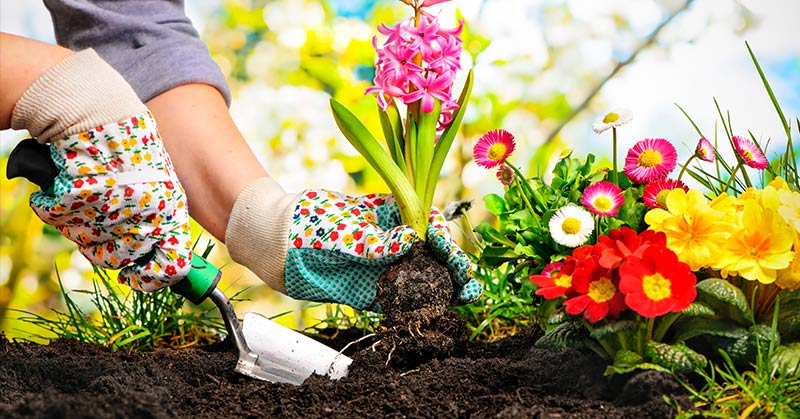

September can be such a tricky month for gardeners. The weather is changing, the days are getting shorter, and the plants that were thriving in the height of summer might start showing signs of slowing down. But this is also a month full of opportunity! If you prepare your plants properly now, you can set them up for a stronger finish to the season and give yourself a head start for next year. I can’t tell you how many times I’ve watched other gardeners stop tending their plots too early, only to miss out on weeks—or even months—of extra growth and blooms.
Getting ready for September isn’t just about extending your harvest—it’s also about protecting your plants from the first cool nights, encouraging fresh growth where possible, and making the most of the still-warm soil. This is when your choices really pay off, whether you’re coaxing out that last flush of tomatoes, encouraging your perennials to store energy for winter, or planting crops that thrive in autumn weather. Let’s go through some of the best tips I’ve learned for making sure your plants are ready for this transitional month.
Give Your Soil a Nutrient Boost

By the time September rolls around, your soil has likely been working hard all summer. Even the best compost and fertilizer applications from earlier in the season may be running low, especially if you’ve had a bumper harvest. Adding a top dressing of compost or aged manure now gives your plants a fresh burst of nutrients to carry them through the last weeks of active growth. If you’re growing vegetables, this can mean more flowers, fruit, and healthier foliage right into autumn.
I’ve found that plants like peppers and tomatoes respond particularly well to a little extra feeding at this stage. Just be mindful not to overdo nitrogen-heavy amendments, as you don’t want to encourage too much leafy growth at the expense of flowers and fruit. A balanced, slow-release organic fertilizer or a layer of rich compost is usually all it takes to perk up tired plants.
Prune and Deadhead Strategically
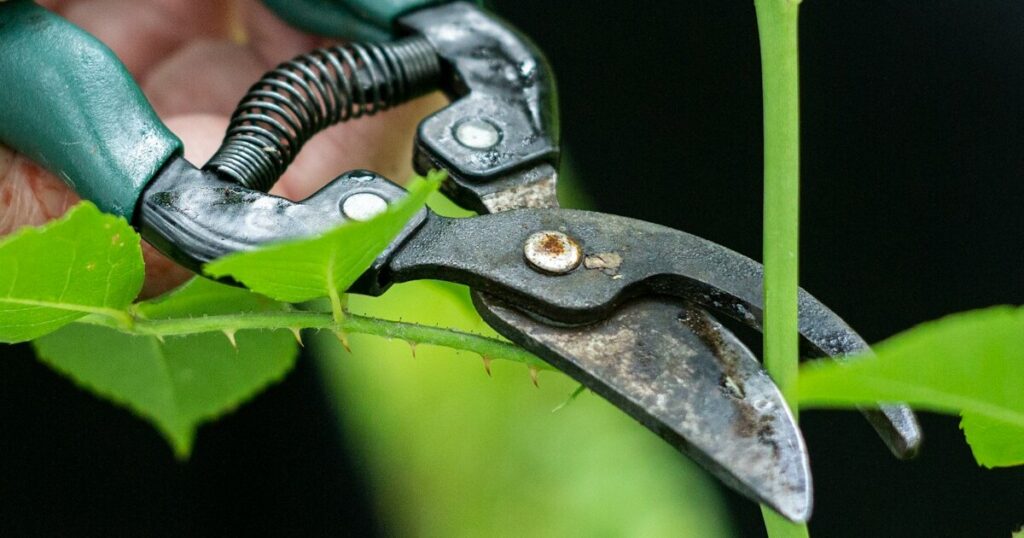
In September, selective pruning can make a world of difference in how your plants finish the season. Removing spent flowers not only tidies up your garden but also encourages many plants—like zinnias, cosmos, and roses—to produce another round of blooms before frost. Cutting back leggy growth on herbs such as basil or mint can stimulate fresh leaves for late-season cooking.
Native flowering plants that attract pollinators can also benefit from careful deadheading. You’ll keep bees, butterflies, and even migrating hummingbirds visiting for longer if you ensure a continuous supply of blooms. Invasive plants, however, should be pruned before seeds mature, to avoid spreading them unintentionally.
Protect Tender Plants from Cool Nights

It’s easy to be caught off guard by September’s sudden temperature dips, especially if you’re still in summer mode. Tender plants like basil, cucumbers, and certain tropical ornamentals can suffer damage even if frost hasn’t yet arrived. Keeping lightweight frost cloths or row covers on hand lets you shield them when the forecast calls for chilly evenings.
I’ve had success moving potted plants closer to the house or into protected spots like covered patios to give them a few extra degrees of warmth. This not only prevents damage but can extend the harvest window for vegetables and keep ornamental plants looking lush for much longer.
Plant Cool-Season Crops Now
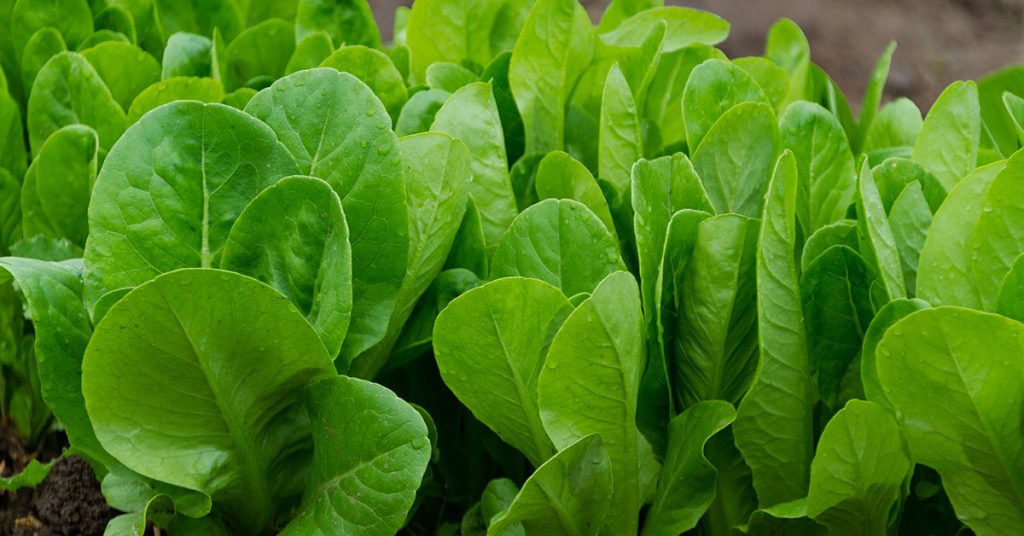
One of my favorite September strategies is using the still-warm soil to start cool-season vegetables like lettuce, spinach, radishes, and kale. Many of these crops grow quickly in the milder autumn temperatures and can be harvested in as little as 30 days. It’s a great way to keep your garden productive while summer crops wind down.
Some plants, like Asian greens or arugula, will even continue producing well into late fall with minimal protection. Because these crops are often native to cooler or temperate regions, they don’t struggle the way heat-loving summer vegetables do at this time of year. Just be sure to water regularly during any lingering warm spells to help seedlings establish.
Divide and Transplant Perennials
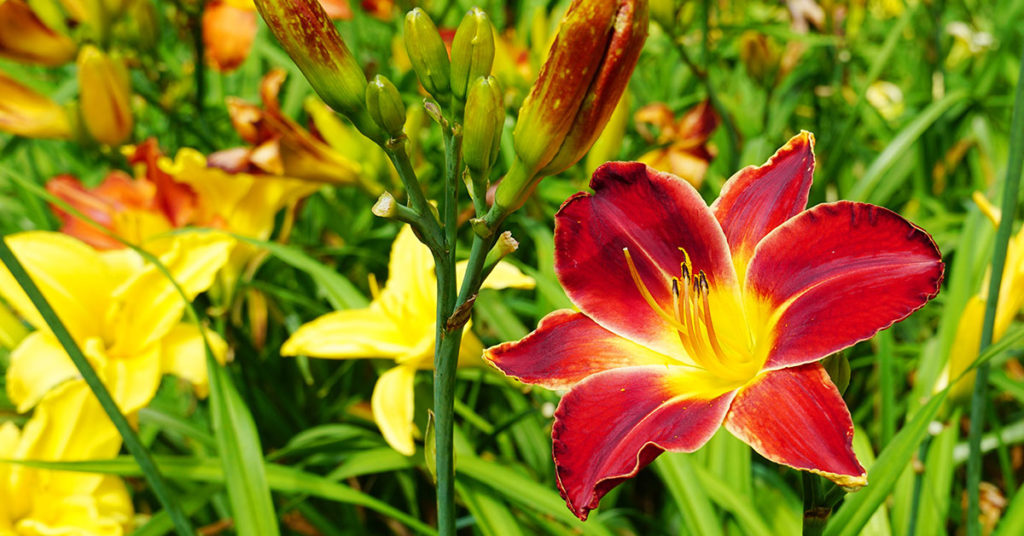
September is prime time for dividing perennials that have outgrown their space or are looking tired. Plants like daylilies, hostas, and echinacea respond beautifully to being lifted, split, and replanted in cooler weather. This gives them time to settle in before winter while avoiding the stress of summer heat.
When you divide native perennials, you’re also helping pollinators by ensuring a more vigorous display next year. Just make sure you’re not unintentionally spreading any invasive species during this process. I’ve found that giving divisions to friends or neighbors is a great way to keep local gardens healthy and thriving.
Remove Diseased or Damaged Growth
This is the month to be vigilant about plant health. Diseases like powdery mildew, rust, and blight can spread quickly in late summer’s fluctuating temperatures and humidity. Removing infected leaves or stems immediately can keep problems from escalating. Dispose of diseased material in the trash, not the compost, to avoid reintroducing pathogens next season.
It’s also worth checking for pest infestations that could overwinter in your garden. Removing infested foliage now can break the cycle before next spring. I’ve saved entire beds of plants by catching problems early in September rather than waiting until they became unmanageable.
Mulch to Lock in Warmth and Moisture
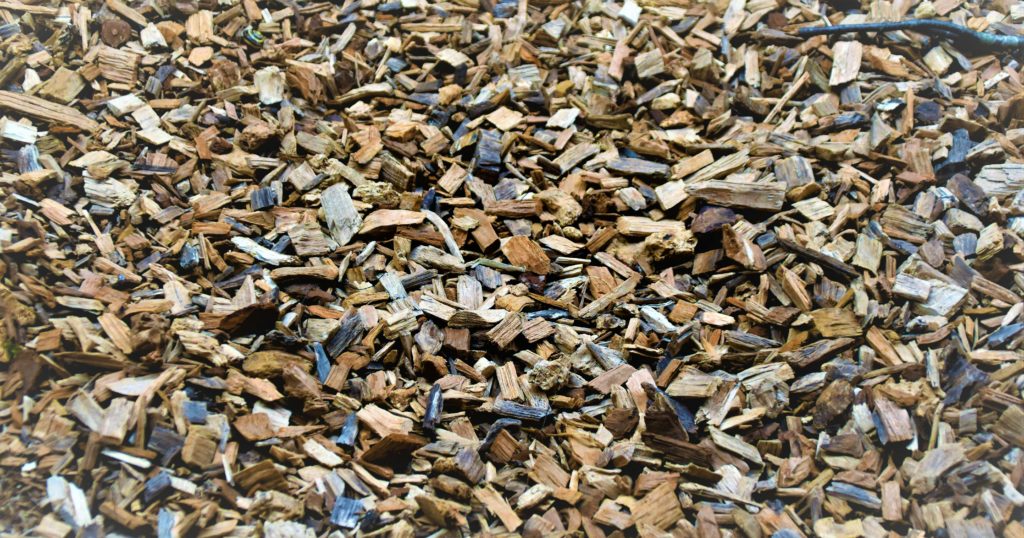
Adding a fresh layer of mulch in September serves two important purposes: it helps retain soil moisture during dry spells and traps warmth in the soil as nights grow cooler. This is particularly useful for root vegetables like carrots and beets, which can keep growing longer under a protective blanket.
Mulching also helps suppress weeds, which can steal nutrients from your late-season crops. I prefer using organic mulches like straw, shredded leaves, or bark chips, which will break down over time and add nutrients back into the soil. Just be careful not to pile mulch too close to plant stems to avoid rot.
Adjust Your Watering Schedule
As temperatures cool and plants grow more slowly, they need less frequent watering. However, September weather can be unpredictable, with hot days followed by cool, damp spells. Keeping an eye on soil moisture rather than sticking to a rigid schedule helps prevent both drought stress and waterlogging.
Container plants in particular may need extra attention—they can dry out quickly on warm days but also become soggy if cooler weather reduces evaporation. I like to check containers daily and adjust accordingly, making sure water reaches the roots without leaving the soil saturated.
Plan Ahead for First Frost
Even if frost feels far away, knowing your average first frost date helps you make smart September decisions. You can prioritize harvesting tender crops, take cuttings from annuals you want to overwinter indoors, and set up cold frames or mini greenhouses for extended harvesting.
Some gardeners, myself included, even stagger plantings based on frost timing—cool-season crops planted now can mature just before the first frost, giving you one last big harvest. Being prepared also means you’re not scrambling when the weather changes overnight, which can make all the difference in saving your plants.