
Scout For Pests And Diseases Promptly
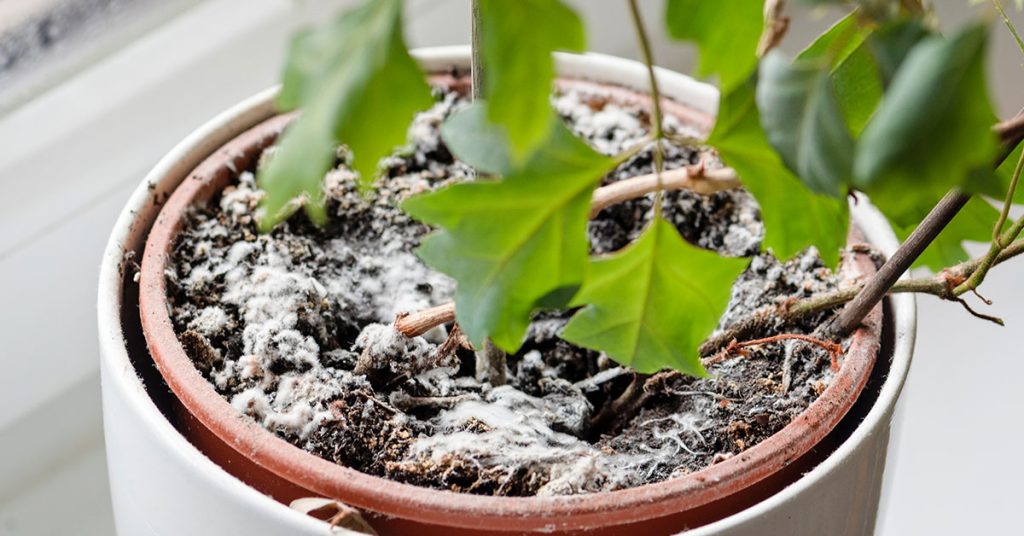
After moving plants into the ground, they face new threats from garden pests and pathogens. June is prime time for aphid infestations on tomatoes and cucumbers, as well as early signs of fungal diseases like powdery mildew on squash or downy mildew on leafy greens. I make it a habit to inspect leaves daily for browning spots, sticky residue, or clusters of tiny green insects. Catching a tiny pea aphid colony on my cucumber plants next to the squash bed saved me from a July infestation that could have decimated both vines.
Encouraging beneficial predators—such as ladybugs, lacewings, and minute pirate bugs—by planting companion flowers like dill (Anethum graveolens, native to Western Asia) or yarrow (Achillea millefolium, native to North America and Eurasia) near your vegetable transplants helps keep pest populations in check. If you see early signs of disease, promptly remove infected leaves or apply organic treatments like neem oil or baking soda sprays to prevent spread. By maintaining a vigilant eye on new transplants in June, you stay ahead of pests that multiply rapidly in warm conditions, ensuring your vegetables channel energy into fruit production rather than fending off attackers.