
Dig Properly Sized Holes And Plant Deeply When Appropriate
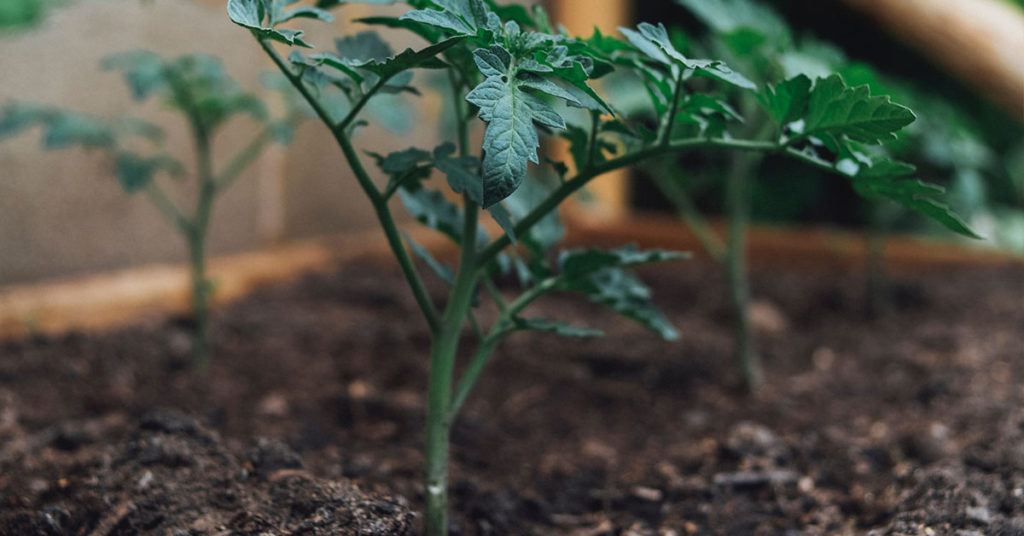
Digging holes that match or slightly exceed your seedling’s root ball invites roots to expand easily, anchoring plants more firmly. For crops like tomatoes, which usually have roots confined by nursery pots, dig a hole deep enough to bury part of the stem—up to the lowest leaves. Tomatoes are native to western South America and have a remarkable ability to develop adventitious roots along buried stems, improving stability and nutrient uptake. I once planted a volunteer tomato seedling too shallowly—within a week, a gust of wind toppled it, exposing root tissue and setting me back days in growth.
Conversely, root crops like carrots or beets (Beta vulgaris, native to the Mediterranean) require shallow, wide planting that keeps the shoulder of the root just below soil level to maintain consistent shape and avoid splitting. Beans and peas (Phaseolus spp. and Pisum sativum, native to Central America and the Mediterranean, respectively) prefer shallow placement, just deep enough to cover seeds with a quarter-inch of soil, ensuring they can emerge easily without moisture loss from an excessively deep planting. By tailoring hole depth and planting depth to each vegetable’s heritage and root behavior, you give transplants the best environment to flourish under June’s potent sun.