

June and July often bring the blazing, life-giving warmth that makes gardens burst into color, but intense heat from the summer sun can also unleash a host of challenges for plants and gardeners alike. As someone who’s relished early-morning watering sessions and marveled at roses unfurling under a bright sky, I also remember the sinking feeling of spotting drooping tomato vines at midday. It’s such a bummer when the very sun that feeds our gardens turns against them. In this article, we’ll explore ten common problems that arise when temperatures climb, offering insights into plant behavior, soil dynamics, and pest and pollinator interactions. Whether you’re tending a small urban plot or a sprawling backyard oasis, understanding these heat-induced issues can help you protect your greenery and keep your vegetable beds and flower borders thriving.
Throughout each section, I’ll share empathetic anecdotes—like the time I lost half my seedlings to a sudden heatwave—and practical solutions grounded in my experiences as a gardener. Sometimes, you might wonder why those gorgeous impatiens leaves suddenly crisped under what seemed like a mild summer afternoon, or why the bees stopped visiting your lavender even though it was in full bloom. I’ll dive into the science behind each problem, talk about plant origins and whether certain species can become invasive when stressed, and explain how beneficial insects like ground beetles or solitary bees respond (or retreat) in extreme heat. So, let’s don our wide-brimmed hats, grab a tall glass of lemonade, and dig into these nine heat-related gardening pitfalls—so you can keep your garden flourishing even when the mercury soars!
Pollinator Decline And Behavior Changes
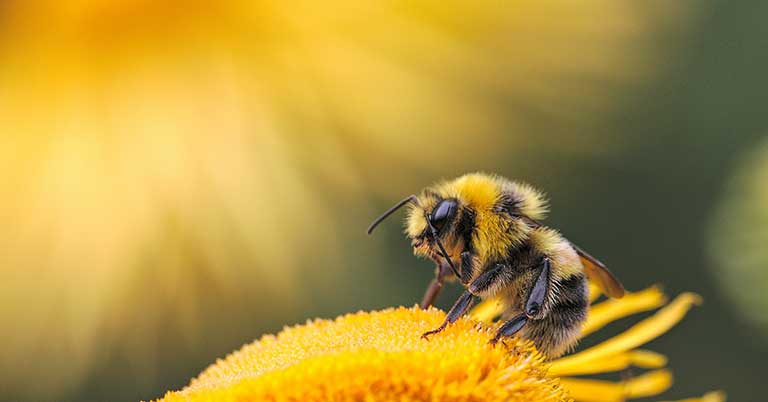
When temperatures soar above 90°F (32°C), many pollinators such as bees and butterflies alter their foraging patterns—often resulting in reduced visitation to your blooms during peak heat hours. For example, honeybees, native to Europe but now widespread across North America, will forage mostly in early mornings and late evenings to avoid lethal midday heat. I remember last July, when a week of triple-digit temperatures essentially silenced the hive in my backyard; the sunflowers and zinnias were in full bloom, but the pollinators simply vanished until the heat relented. This behavior shift can hamper fruit set in vegetables like tomatoes and peppers, which rely heavily on consistent bee visits.
Butterflies, such as monarchs migrating through garden corridors, often seek shade or higher humidity microclimates under large leaves instead of nectaring openly. Native solitary bees—like mason bees (Osmia spp.)—may postpone their nesting activities until cooler days, slowing down essential pollination duties. This is particularly frustrating when you’ve planted heat-loving natives like Penstemon or Agastache with the hope of offering year-round blooms. Creating water sources (shallow dishes with pebbles) and installing shade cloth over flower patches from noon to mid-afternoon can entice pollinators back when they’re most vulnerable to dehydration. By June and into mid-summer, proactively adjusting your garden environment helps ensure that pollinators don’t simply retreat to cooler woodlands or other refuges.
Wilting Due To Excess Transpiration
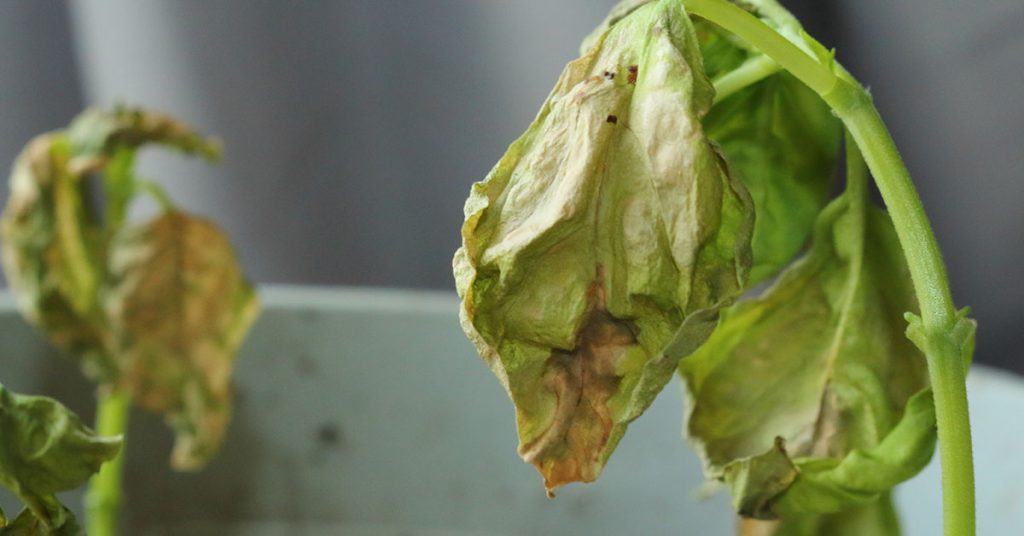
One of the first signs a garden feels too much heat is when leaves begin to wilt visibly, even if you’ve just watered the soil thoroughly. Transpiration—where plants lose water through stomata on their leaves—increases dramatically under intense sunshine. Annuals like impatiens (Impatiens walleriana), native to East Africa but now grown globally, can go from looking lush in the morning to near-limp by mid-afternoon, as their thin leaves lose water faster than roots can replace it. It’s painful to watch young seedlings, especially heat-sensitive crops like lettuce or spinach, collapse under the relentless sun.
To combat this, gardeners often need to water more frequently—but overwatering can lead to shrunken, waterlogged roots vulnerable to rot. I recall last June, when a heatwave had me up before dawn to drench the beds, only to find my cucumbers still wilted at 2 p.m. The key is to water deeply early, then mulch heavily with organic materials—like well-aged compost or shredded bark—to reduce soil evaporation. Installing shade cloth over the most vulnerable plants during the hottest hours also helps reduce transpiration rates, letting roots catch up. When the sun’s rays intensify, it’s a real “fight or flight” moment for your greens: they either adapt quickly or show stress, and often there’s no middle ground.
Soil Moisture Loss And Drought Stress
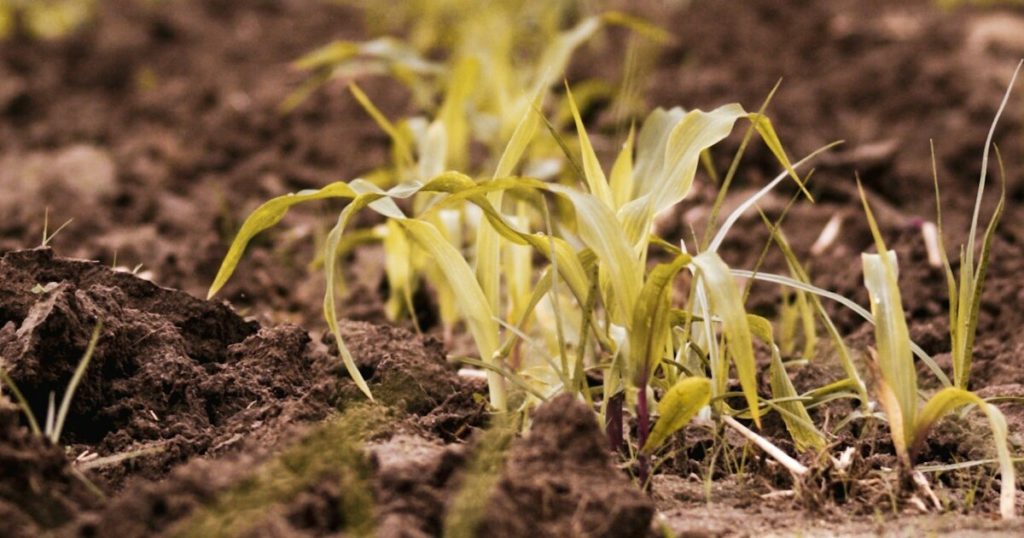
As the sun’s heat intensifies, soil can dry out at an astonishing rate. In a matter of days—or sometimes hours—the top two inches of soil turn from moist and friable to brittle and cracked. This rapid moisture loss is particularly problematic for clay-heavy soils, which form a crust that repels water, making subsequent watering less effective. Vegetables like beans (Phaseolus vulgaris), originally domesticated in Central and South America, can experience stunted growth or pod abortions if their root zones remain too dry for more than a day or two. I once left my bean bed unmulched in mid-June, and by the end of the week, I had a handful of shriveled pods and truly regretful soil cracks.
Sandy soils, on the other hand, drain quickly but also dry out just as fast. For native plants like prairie grasses (Schizachyrium scoparium), this is less of an issue—they evolved to tolerate drought conditions. But horticultural favorites such as petunias (Petunia spp.), native to South America and widely cultivated, may shrivel without frequent irrigation. To counteract this, incorporate organic matter—compost, aged manure, or coconut coir—into planting beds in early June so the soil maintains moisture longer. Installing soaker hoses under a thick mulch layer ensures deep watering, reducing evaporation from the surface. By closely monitoring soil moisture (a simple trick is to push a finger two inches down), you’ll catch drought stress early and avoid that dreadful moment when seedlings simply give up and turn brown overnight.
Sunscald And Leaf Scorch

Sunscald, often called sunburn in plants, appears when previously shaded bark or foliage is suddenly exposed to intense sunlight. Ornamental trees like Japanese maples (Acer palmatum), native to Japan and Korea, can develop pale, bleached patches on their trunks and leaves if protective foliage thins out or is removed. One of my favorite Japanese maple cultivars, ‘Bloodgood,’ suffered severe sunscald last June when a limb was accidentally pruned, exposing bark to direct sun. Within a week, I noticed the newly exposed bark had cracked and sunken, and some leaves grew brown margins.
Leaf scorch shows up as bleached areas or crisp brown edges on leaves—common in broadleaf evergreens like rhododendrons and azaleas (both native to parts of Asia). Even tomatoes (Solanum lycopersicum), domesticated in South America, can exhibit sunscald on fruit when foliage thins under extreme heat, leading to papery white or tan patches on the fruit surface. To prevent these issues, avoid sudden canopy thinning during peak sun months, and provide temporary shade for vulnerable plants using shade cloth or strategically planted sun-loving but low-growing companions—like creeping thyme (Thymus serpyllum)—to shield sensitive bark and leaves. If you catch sunscald early, you can wrap the exposed trunk in burlap to allow healing, but prevention is always preferable to lamenting cracked bark in July.
Cracked Soil And Root Exposure
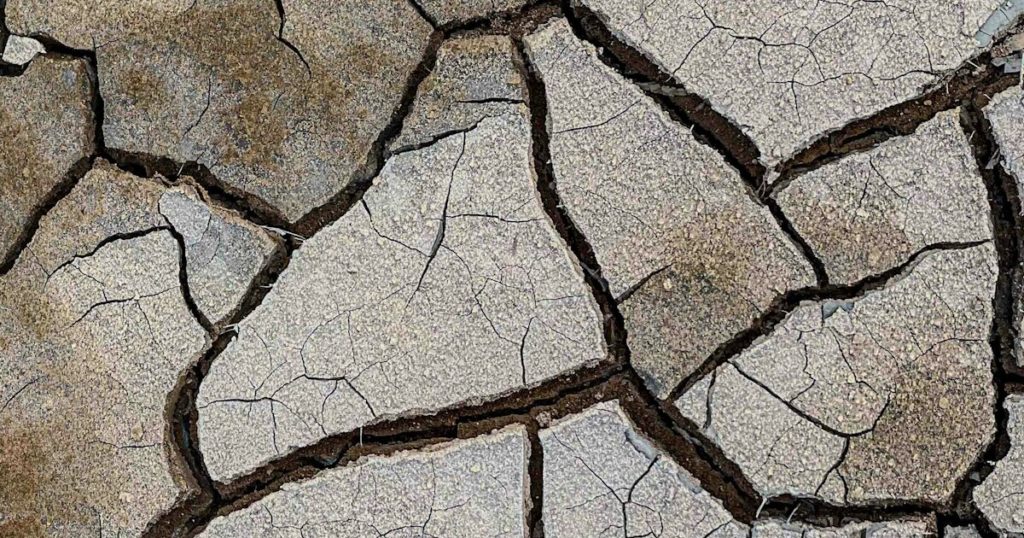
When topsoil dries excessively, it can shrink and pull apart, leaving roots of shallow-rooted plants like lettuce or marigolds (Tagetes spp., native to the Americas) exposed to heat and air. This cracking is particularly severe in clay soils, which can form wide fissures that split root structures overnight. I once planted a row of snapdragons (Antirrhinum majus), originally from the Mediterranean, only to find mid-June heat had gaped the soil so wide that tiny roots were dangling, gasping in the hot sun. Transplant shock combined with root exposure nearly ended that crop mid-season.
To avoid this, maintaining consistent soil moisture through deep watering and a robust mulching strategy is crucial. Adding well-rotted compost or peat-free potting mix in June helps improve soil structure, reducing its tendency to crack. For existing beds, a layer of straw or shredded bark—around two to three inches thick—acts as a buffer, keeping the topsoil more stable. If cracks do form, gently press them back together and water immediately to allow the soil to rehydrate and close. Watching little soil canyons form around cherished perennials is frustrating, but with swift mulching and watering, you can save roots from the brink of dehydration.
Nutrient Imbalances And Heat-Induced Deficiency
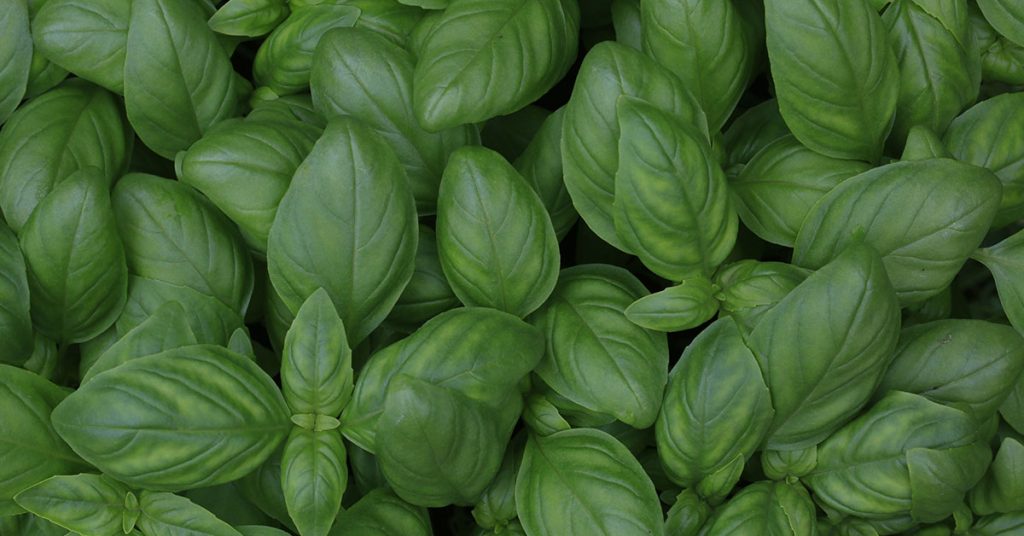
Intense heat can accelerate nutrient depletion in soil as plants push to grow rapidly, consuming more nitrogen, phosphorus, and potassium. I learned this the hard way last June when my once-lush basil (Ocimum basilicum), native to tropical Asia and widely cultivated, suddenly displayed chlorotic (yellowing) leaves despite regular watering. A soil test revealed depleted nitrogen levels; the heat had essentially increased the plant’s metabolic rate, demanding more nutrients than the soil could supply. Without that steady green vigor, many heat-loving herbs and vegetables slowed or even halted growth.
Additionally, excessive heat can lock certain nutrients in the soil. For instance, high temperatures can make iron unavailable, leading to iron chlorosis in acid-sensitive plants like rhododendrons and azaleas. It’s such a bummer when bright blooms turn pale due to unseen nutrient deficiencies. To address this, consider mid-season fertilization with balanced organic amendments—like composted chicken manure or a well-aged fish-and-seaweed emulsion—in early June. Avoid fast-release synthetic fertilizers during extreme heat, as they can “burn” hot roots. Slow-release granules or foliar sprays of chelated micronutrients (particularly iron and magnesium) can help restore plant health and keep leaf color vibrant even as temperatures climb.
Amplified Pest Infestations

High heat often correlates with pest outbreaks. Spider mites, for instance—tiny arachnids native to warm regions—thrive in hot, dry conditions, spinning fine webs on the undersides of leaves. I once found my Persian silk tree (Albizia julibrissin), native to Asia, covered in spider mites after a string of 95°F days; the leaves were stippled and yellowed, and the plant looked on the brink. Likewise, whiteflies, which originally come from tropical areas, can multiply crazily in June’s heat, sucking sap from plants like hibiscus (Hibiscus rosa-sinensis) and causing honeydew that encourages sooty mold.
Some pests, such as squash bugs (Anasa tristis)—native to the Americas—become more active with rising temperatures, seeking out squash (Cucurbita spp.) and pumpkins around mid-June. Their piercing-sucking mouthparts can kill young plants in short order. Aphids also proliferate, especially if beneficial predators like lady beetles and lacewings retreat into shaded refuges to escape the heat. It’s so frustrating when you see pests swarming under the relentless sun, but integrated pest management can help. Introducing beneficial insects early, providing water sources, and planting trap crops—like nasturtiums for aphids—can reduce pressure. When infestation is severe, targeted, late-evening applications of insecticidal soap or neem oil minimize harm to beneficial insects resting in twilight.
Disease Pressure And Fungal Outbreaks
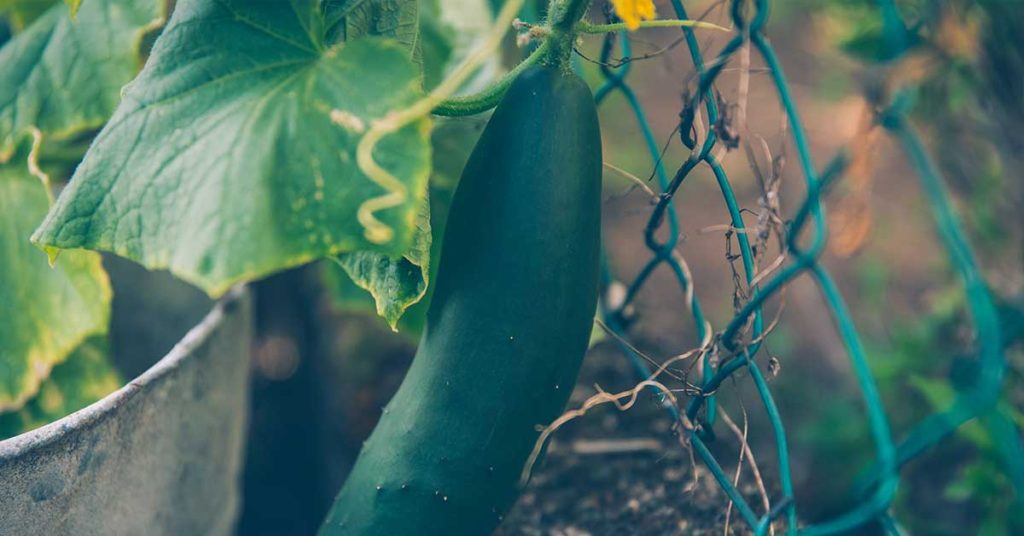
With heat often comes humidity, creating a fungal paradise on plants’ leaves and fruit. Powdery mildew, for instance, can ravage susceptible crops like cucumbers (Cucumis sativus) and roses (Rosa spp.) once nightly temperatures remain above 70°F and humidity soars. I still remember seeing the first white, powdery patches form on my climbing roses last June—despite early preventive sprays, the combination of heat and humid air created perfect conditions for spores to germinate. Some varieties, like certain Rosa rugosa cultivars, show more resistance, but no rose is entirely immune.
Downy mildew, black spot, and anthracnose can also emerge with prolonged heat waves. Tomatoes may develop early blight or Septoria leaf spot in mid-June, especially if overhead watering wets leaves in the morning. These diseases can defoliate plants quickly, leaving fruit vulnerable to sunscald and pests. To mitigate this, water at the soil level with drip irrigation, ensure good plant spacing for air circulation, and remove any affected leaves immediately. Applying organic fungicides—like copper sprays or potassium bicarbonate—in late evening can provide a protective barrier without harming beneficial insects. When those sunny, humid mornings appear, keep a vigilant eye for the first signs of fungal growth to nip outbreaks in the bud.
Flower And Fruit Drop
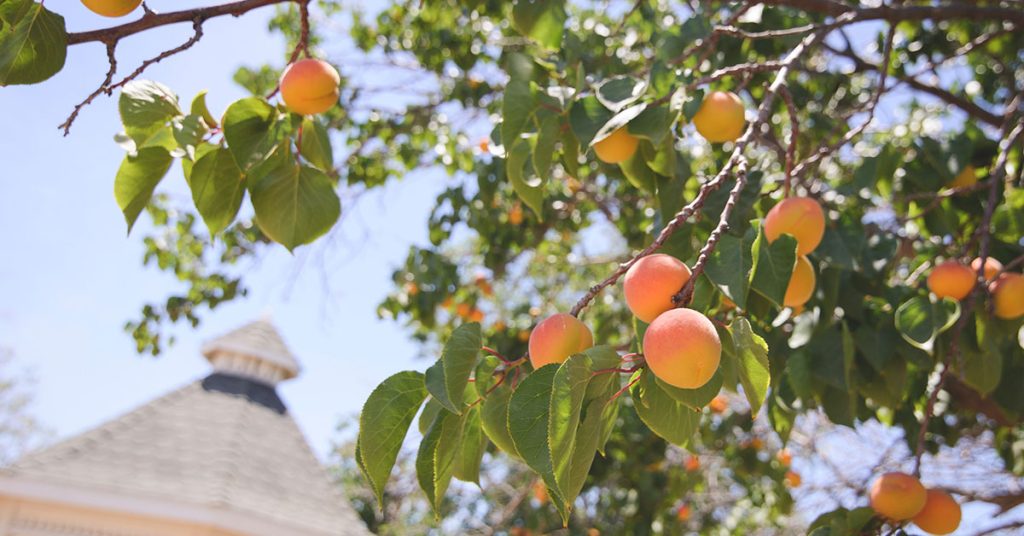
One of the most heartbreaking results of intense June heat is the sudden dropping of flower buds or young fruit. Fruit trees like peaches (Prunus persica), native to Northwest China, often shed small fruitlets when temperatures exceed 95°F, redirecting resources to survival rather than reproduction. I experienced this when a weeklong heatwave in June caused almost half my early fruitlets to drop before ever swelling—despite ample watering and mulching, the trees simply couldn’t hold onto all the developing fruit.
Annual bedding plants such as petunias (Petunia spp., native to South America) can also abort buds under heat stress, resulting in fewer blooms and a scraggly appearance. Even if a plant like a heat-tolerant rose continues to open its flowers, it may cut short the bloom’s lifespan or reduce its fragrance. To combat this, maintain cooler root zones with thick mulch and consider providing temporary shade during peak afternoon heat. Some gardeners use shade cloth draped over hoops to protect vegetables like peppers (Capsicum spp., native to Central and South America) when buds begin forming. Scheduling heavy-feeding fertilization earlier in spring can ensure plants have reserves for heat stress, reducing the likelihood of flower drop when June temperatures soar.