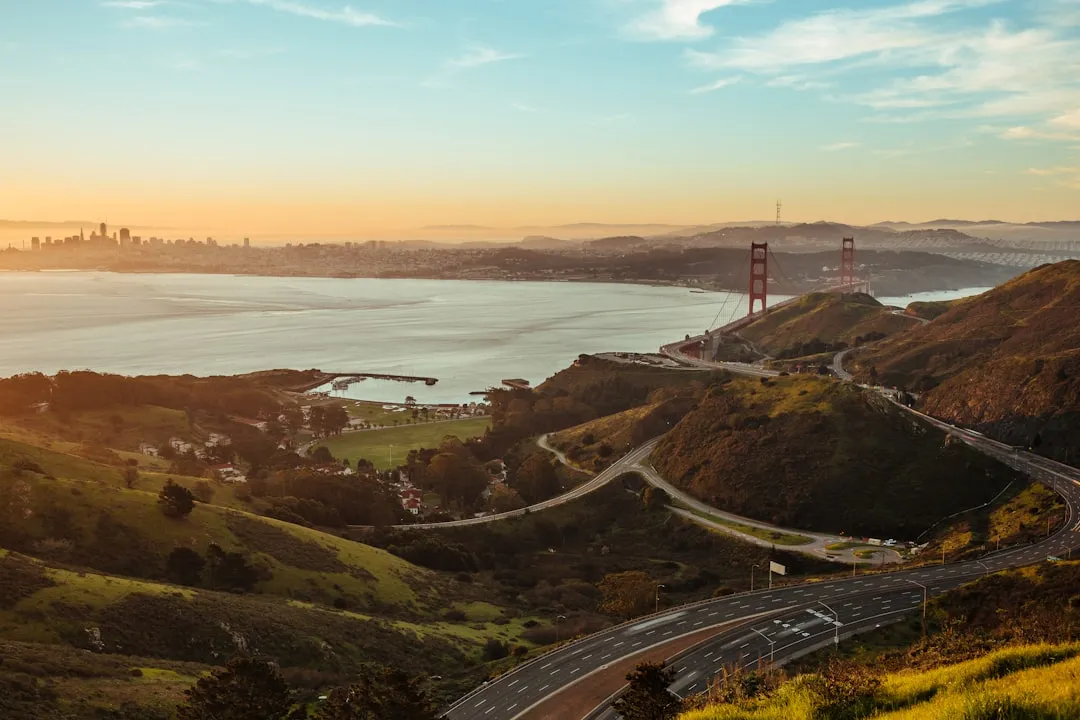

There’s a particular kind of afternoon light in Bay Area gardens that people don’t talk about enough. It filters through broad canopies, speckles the ground, and makes the whole yard feel like a place to breathe. Maples, more than almost any other tree you can plant here, are responsible for that effect.
The Bay Area sits within a range of Sunset climate zones that happen to suit several maple species remarkably well. Whether you’re in foggy San Francisco, the warmer East Bay hills, or the milder South Bay, there’s a maple for your garden and your soil.
1. Japanese Maple (Acer palmatum) – The Elegant Classic
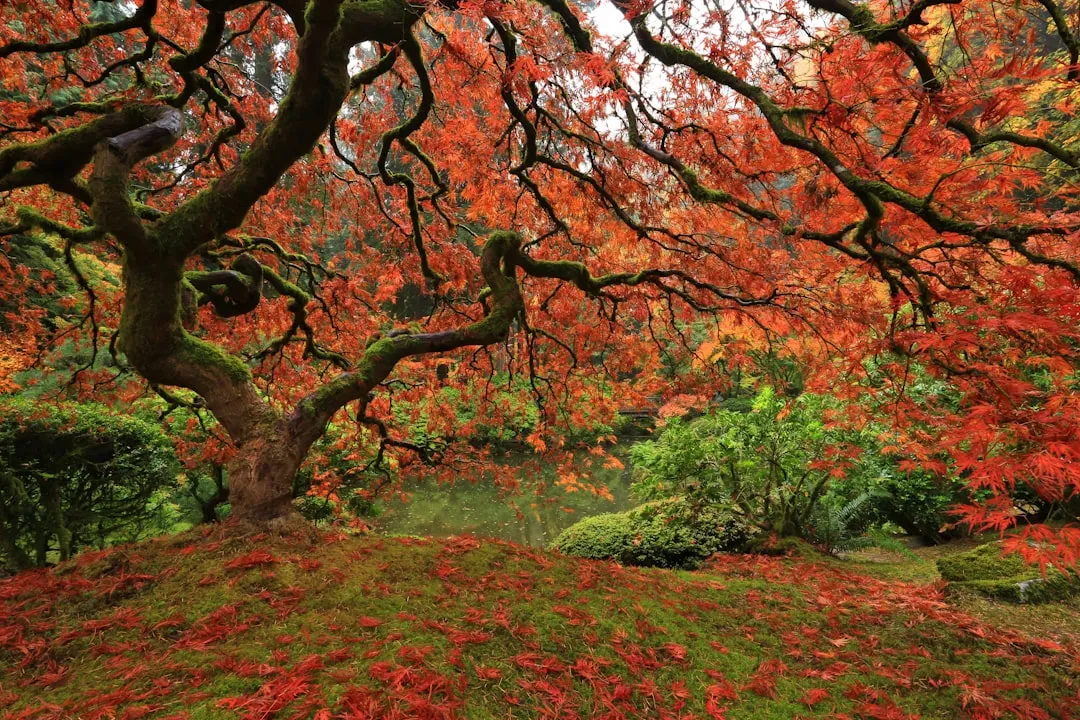
Japanese maples are among the most captivating trees for any garden, offering elegant structure, striking foliage, and year-round beauty. They’re the first tree most Bay Area gardeners think of when they picture dappled shade, and for good reason. Few ornamental trees do more with less space.
Acer palmatum is prized for its graceful form and ever-changing foliage. Their leaves transform through the seasons, offering bright greens, deep reds, oranges, and even purples. That seasonal color shift is part of what makes them so hard to stop looking at.
Japanese maples grow in Sunset climate zones 2 through 10, 12, and 14 through 24, essentially everywhere except hot low deserts and the coldest-winter areas. That sweeping range includes virtually every Bay Area neighborhood.
2. Bloodgood Japanese Maple (Acer palmatum ‘Bloodgood’) – The Bold Statement
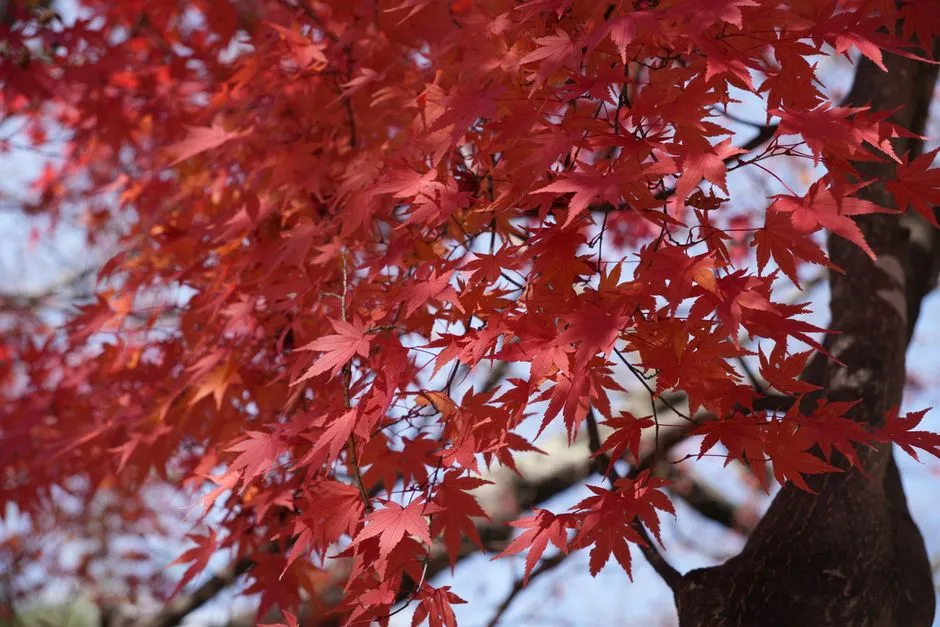
Bloodgood is an adaptable and resilient variety with deep burgundy leaves that turn bright red in the fall. It can tolerate full sun, though some afternoon shade can help prevent leaf scorch. This variety typically grows to about 20 feet tall and wide.
In the garden, ‘Bloodgood’ holds a blackish red through summer with no bronzing, then turns crimson in autumn, reaching 30 feet tall and wide at full maturity. That’s a genuine canopy tree, not just a specimen shrub. It casts the kind of shade that makes a patio genuinely usable on warm afternoons.
For Bay Area gardeners with medium to large yards, Bloodgood earns its space quickly. Its deep color reads beautifully against light stucco walls, gravel paths, and the pale summer grasses common across the region.
3. Emperor One Japanese Maple (Acer palmatum ‘Emperor 1’) – The Heat Tolerant Choice
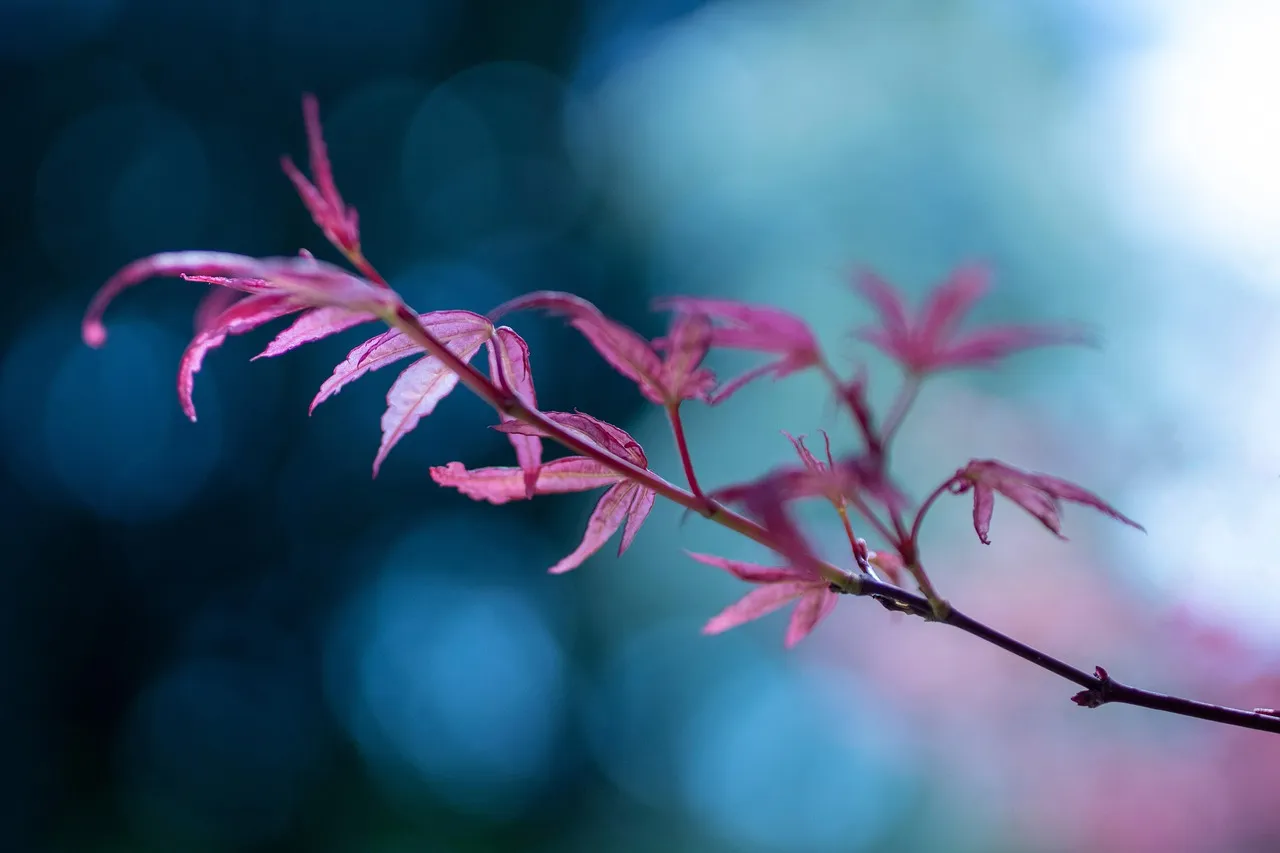
Emperor One has deep red foliage that holds color throughout the summer. It’s more heat-tolerant than other red-leafed cultivars, making it suitable for warmer climates. Emperor One can reach a height of 15 feet and a width of 12 feet.
This matters a lot in the warmer inland pockets of the Bay Area, places like Walnut Creek, Pleasanton, or Livermore where summer temperatures can push well past where most Japanese maples start to struggle. Emperor One was developed with that challenge in mind.
California’s topographical diversity allows for a patchwork of microclimates, each potentially suitable for Japanese Maples. Coastal areas provide milder temperatures that mirror the Japanese Maple’s native habitat. Emperor One bridges the gap between the cool coast and the hotter interior.
4. Coral Bark Maple (Acer palmatum ‘Sango Kaku’) – The Year-Round Performer
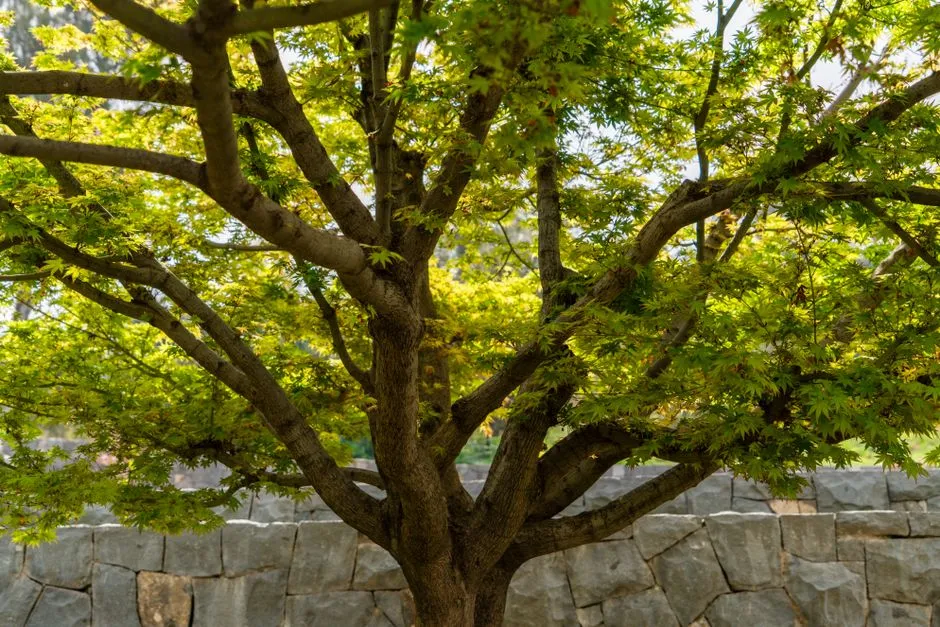
Also known as “coral bark” maple, this medium-sized tree has striking coral-colored branches in winter and green leaves that turn golden yellow in fall. It prefers partial shade in hotter climates and can grow up to 25 feet tall.
What sets Sango Kaku apart is its winter appeal. Most deciduous trees look bare and uninteresting once they drop their leaves, but the vivid coral-red bark of this cultivar becomes the focal point of the garden from November through February. It’s genuinely ornamental in all four seasons.
Coral red bark is most intense on young wood in winter. Foliage is golden green in summer, yellow in fall, with apricot and light red highlights, and the tree can reach 25 feet. That combination of traits makes it one of the most consistently rewarding maples you can plant in the Bay Area.
5. Tamukeyama Japanese Maple – The Weeping, Shade-Casting Lace-Leaf
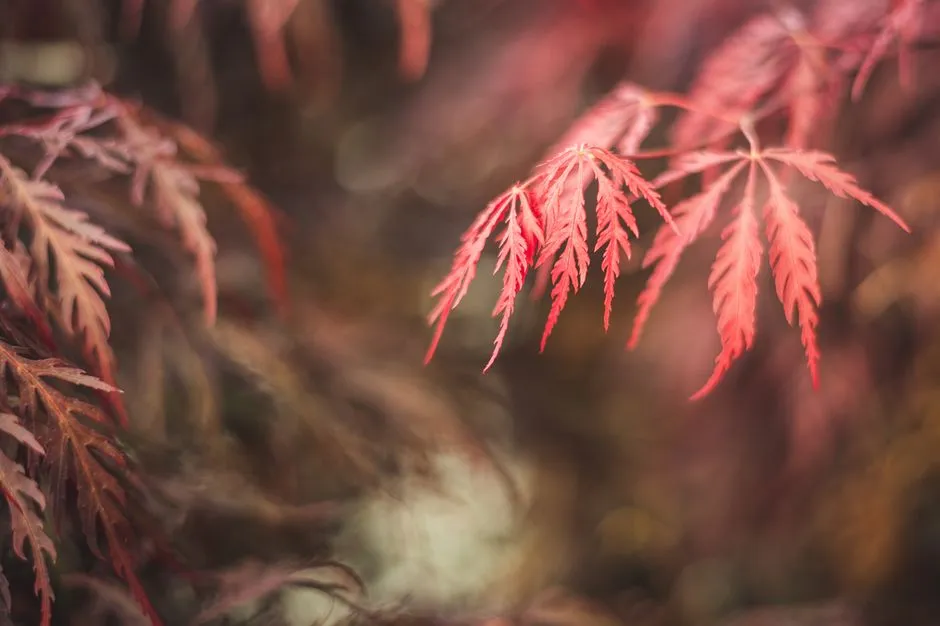
An old variety, Tamukeyama features cascading branches with deep red to purple foliage that holds its color well, even in the heat. It’s more tolerant of sun and heat than most other dissected forms and typically grows to about 6 to 8 feet tall and broader in spread.
Lace-leaf types are characterized by deeply cut, feathery foliage with varieties that often have a cascading, weeping habit. They’re perfect for containers, rock gardens, or as soft focal points. Tamukeyama brings all of that in a more heat-resilient package than many of its cousins.
Placed near a garden bench or along a path edge, its cascading form creates one of the most intimate kinds of dappled shade there is. Sunlight passes through the fine-cut foliage in dozens of small fragments, almost like a Japanese screen lantern.
6. Seiryu Japanese Maple – The Upright Lace-Leaf
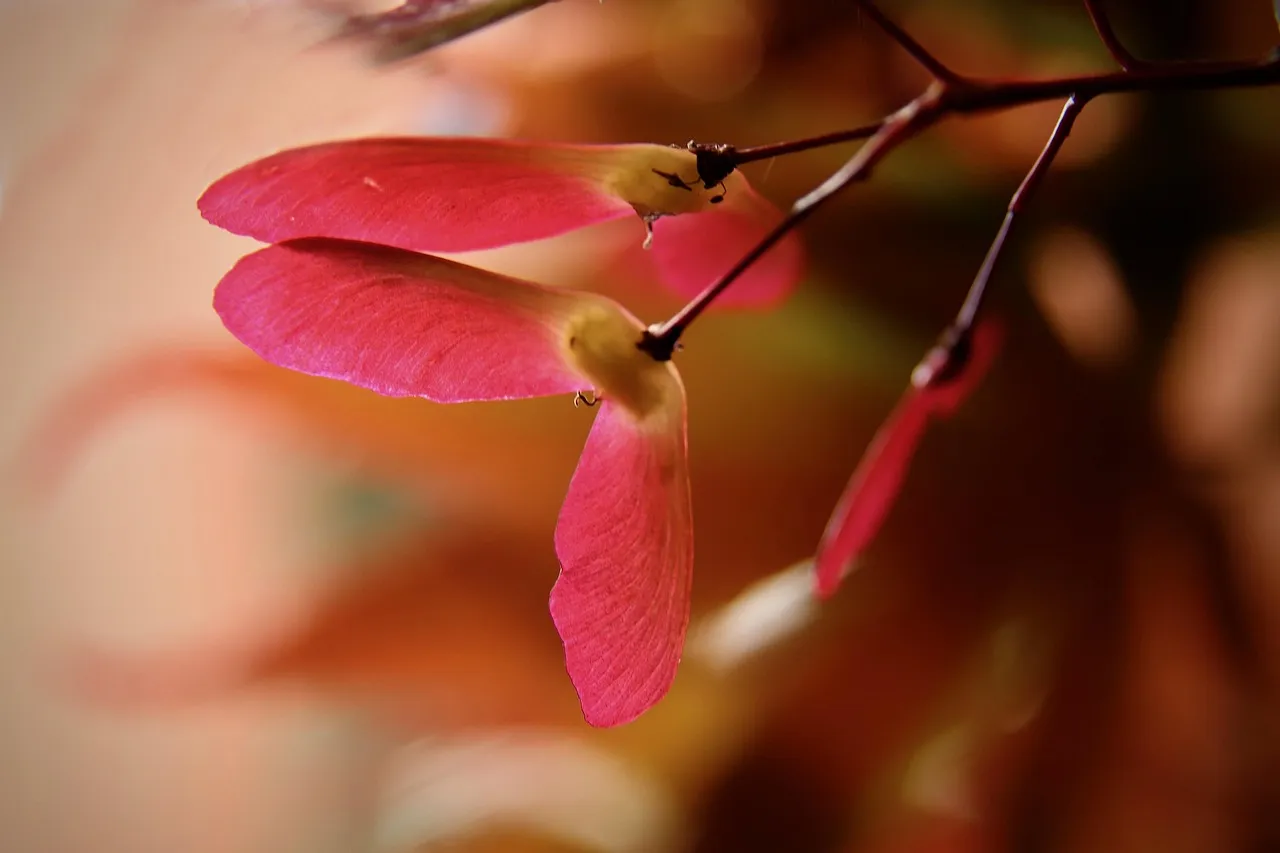
Unique among Japanese maples, Seiryu is an upright, dissected form with finely cut green foliage that turns golden-yellow to red in the fall. It is more sun-tolerant than other lace-leaf types and can reach heights of 10 to 15 feet.
Most lace-leaf maples have a weeping habit that limits their useful shade-casting height. Seiryu solves that problem by growing upright while keeping the feathery, intricate foliage texture that lace-leaf lovers want. It’s a great option for smaller gardens where vertical space matters more than horizontal spread.
Many Japanese maples available at Bay Area nurseries are field-grown in Oregon, and the cold northern winters put them into a deeper dormancy than in the local coastal climate. This means they will burst with intense color, especially during their first year in the Bay Area, with tones ranging from chartreuse to electric orange to deepest purple.
7. Bigleaf Maple (Acer macrophyllum) – The California Native
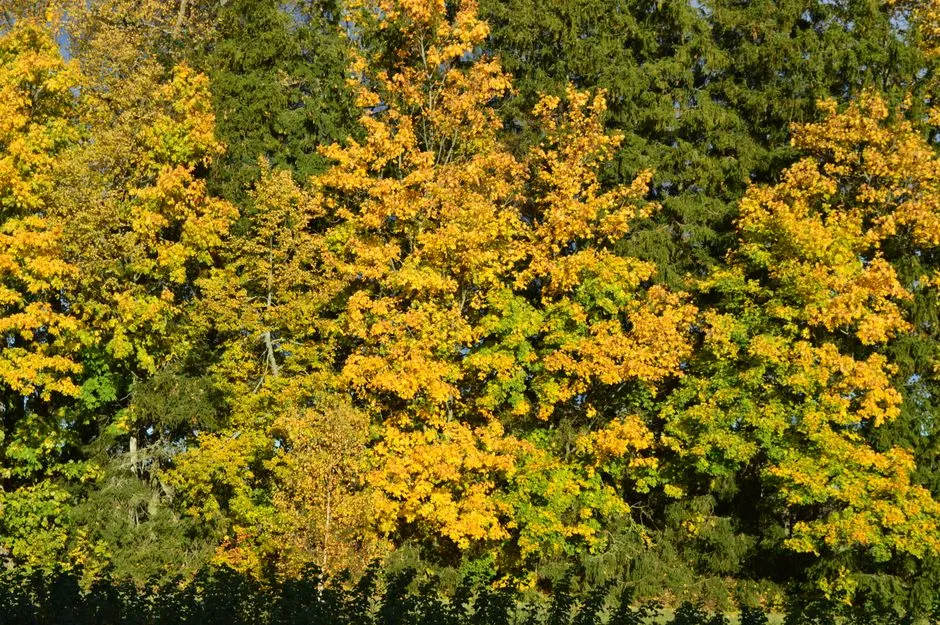
Bigleaf maple is a fast-growing deciduous tree native to the Pacific Coast and parts of inland California. It provides dense summer shade and brilliant fall color in colder regions. This is the only maple that is genuinely native to the Bay Area, and that matters for wildlife gardeners.
Its signature feature is its massive, lobed leaves, which can grow nearly two feet across. This tree thrives with moisture and adapts to various soils, though it prefers good drainage. While it can grow too large for small gardens, it is well-suited to natural landscapes.
In the East Bay Area of California, bigleaf maple is important at about 17 percent cover in California bay-coast live oak communities on hillside springs. Bigleaf maple also dominates some spring-fed communities in Contra Costa and Alameda counties. It belongs here, ecologically speaking.
8. October Glory Red Maple (Acer rubrum ‘October Glory’) – The Shade-Tree with Seasonal Drama
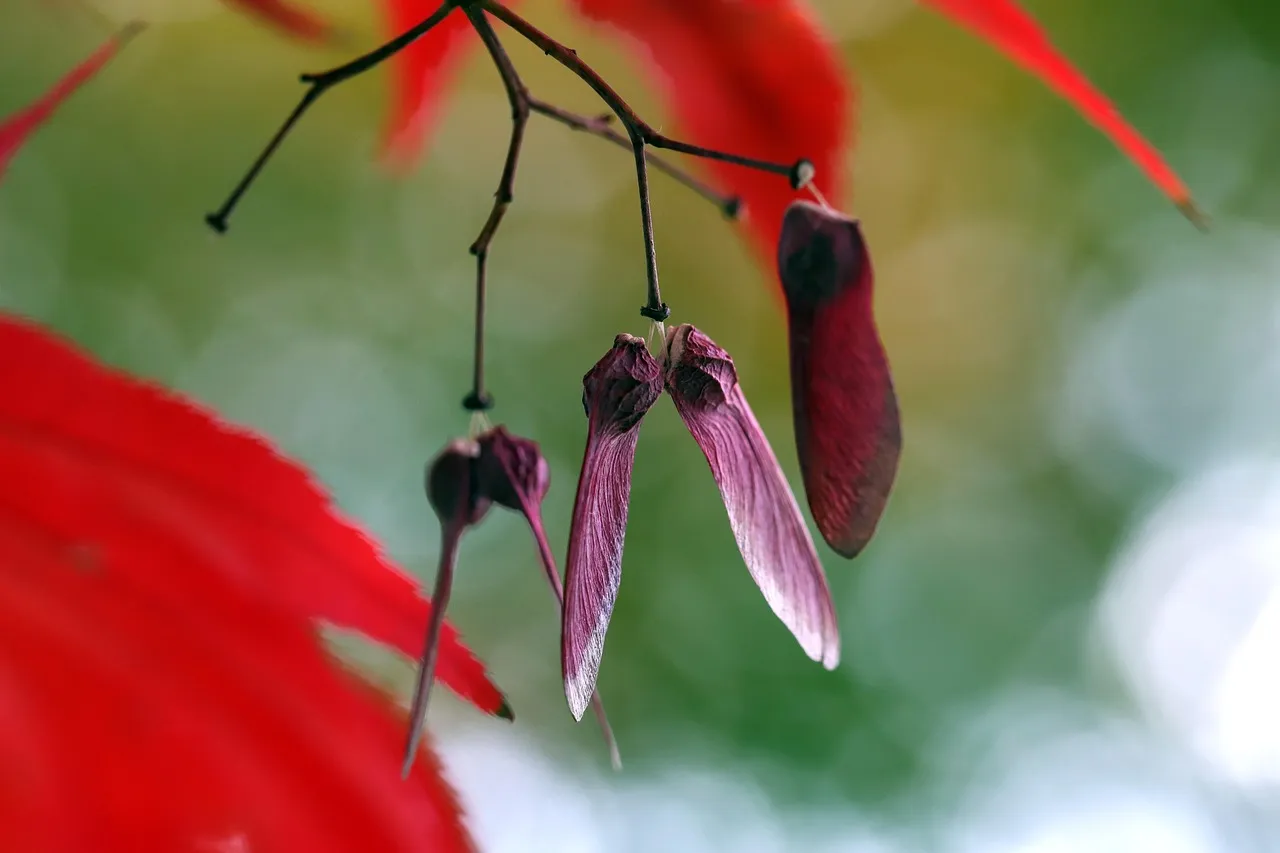
October Glory Red Maple is celebrated for its consistent and brilliant fall color, often lasting well into the season, making it one of the most sought-after red maple varieties. For Bay Area gardeners who want genuine autumn spectacle, it delivers that reliably.
Reaching an average height of 40 to 50 feet with a broad canopy that spreads 25 to 35 feet, October Glory red maples offer substantial shade. This cultivar is known for its rounded, dense crown, which gives it an aesthetically pleasing, symmetrical appearance in both residential and commercial landscapes.
Red maple trees provide dense canopies that reduce surrounding temperatures by shading buildings, walkways, and other structures. Their shade can help lower energy costs by minimizing the need for artificial cooling. In California’s warming summers, that’s no small consideration.
9. Armstrong Red Maple – The Columnar Option for Tight Spaces
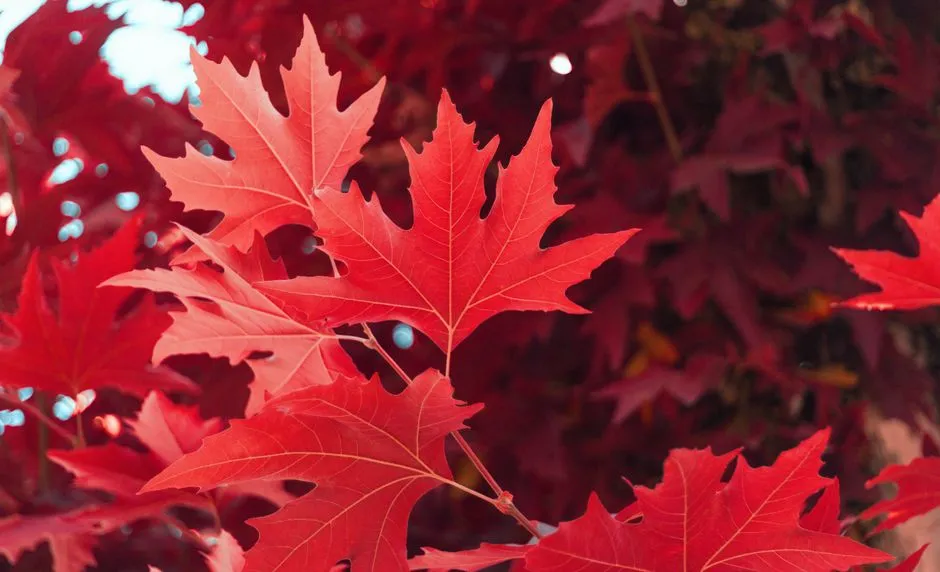
Armstrong red maple has a distinctive, upright growth habit that sets it apart from other red maple varieties, making it an excellent choice for narrow or confined spaces. The Armstrong red maple’s unique columnar shape reaches heights of 40 to 50 feet but has a spread of only 10 to 15 feet. This makes it perfect for urban or suburban settings where horizontal space may be limited, such as along streets, driveways, or as an accent in smaller gardens.
Many Bay Area properties, especially in established neighborhoods in Oakland, Berkeley, or San Jose, have side yards or entry paths that are too narrow for a spreading tree. Armstrong solves that problem without sacrificing height or seasonal interest.
While evergreen trees are common in California, red maples add seasonal interest, especially in autumn. A row of Armstrong maples along a driveway turns an ordinary approach into something genuinely worth noticing each fall.
Getting the Growing Conditions Right for Any Maple
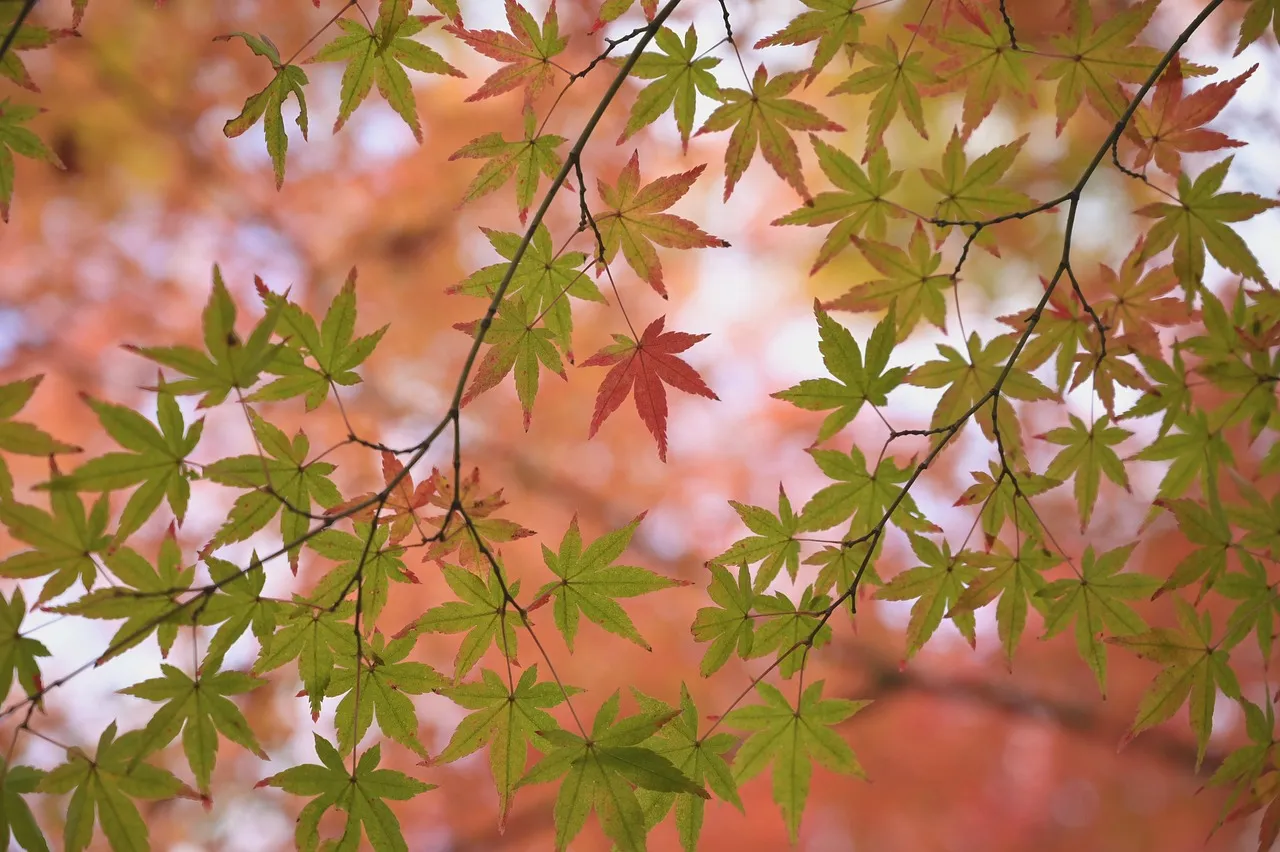
Japanese maples prefer dappled sunlight or partial shade. Direct, harsh sunlight, especially at the peak of California summers, can scorch their delicate leaves. The most common mistake Bay Area gardeners make is planting maples in too much afternoon sun, and the trees pay for it visibly every August.
Test your soil’s pH to ensure it’s slightly acidic, around 6.0 to 6.5, which is ideal. Amend the soil with compost or peat moss to improve drainage and nutrition. Use a slow-release, low-nitrogen fertilizer formulated for acid-loving plants, applied in early spring before new growth begins, then again in midsummer if necessary.
Once established, Japanese maples are moderately drought-tolerant and can be conditioned to thrive with waterings every seven to ten days. However, new plantings need to be watered consistently every two days to help their root systems settle. Patience in the first two years pays off in decades of beauty after that.
AI Disclaimer: This article was created with the assistance of AI tools and reviewed by a human editor.