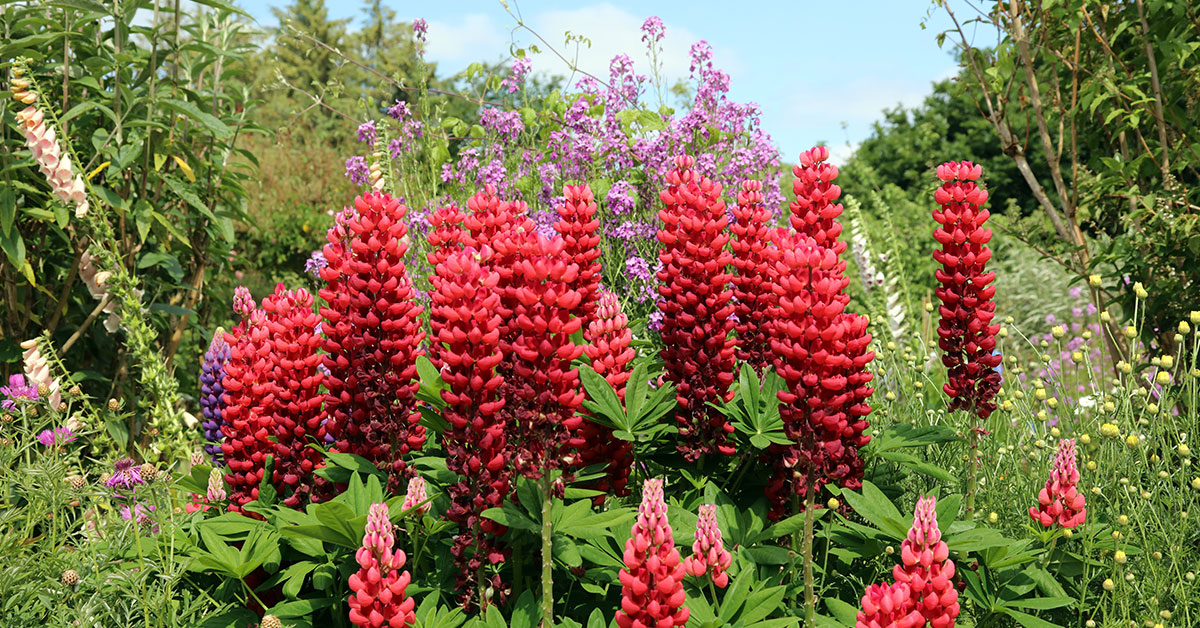

As a gardener who’s experienced both triumphant blooms and frustrating setbacks, I know how disheartening it can be when certain perennials just refuse to perform as promised. While many plants thrive effortlessly, some notorious species demand extra care, precise conditions, and a dash of luck to even show a hint of their celebrated beauty. I’ve learned the hard way that not every “must-have” perennial is right for every garden—especially if you’re looking for low-maintenance success. In this article, I’m sharing nine perennials that are famously difficult to grow, along with all the details on their native origins, behaviors, and why they might not be the best fit if you’re aiming for an easier garden.
I understand the allure of those spectacular blooms and unique textures, but it’s such a bummer when pests, unpredictable weather, or finicky soil needs turn your garden into a constant challenge. Whether you’re a seasoned green thumb or just starting out, these plants have a reputation for testing your patience and skills. So, before you invest time and energy into these challenging specimens, let’s dive into the nitty-gritty of why each one can be more trouble than it’s worth—and explore alternative ways to achieve garden brilliance without the constant headaches!
Delphinium

Delphinium is renowned for its towering spikes of vibrant flowers, yet it’s as temperamental as it is beautiful. Native to the temperate regions of the Northern Hemisphere, these perennials crave cool conditions and a well-drained soil that mimics their mountain origins. I’ve often found that even a slight misstep in watering or placement can lead to mildew, leaf scorch, or stunted growth—a frustrating experience for any gardener! Despite their breathtaking vertical displays, Delphiniums require careful attention and sometimes even specialized staking and shading to prevent heat stress.
Their intricate, layered blooms naturally attract pollinators, but only if the plant is happy and healthy. In my own garden, I’ve had more than a few disappointments with Delphinium when unexpected warm spells or overwatering led to premature decline. For those who dream of dramatic floral displays without the constant worry of environmental mishaps, Delphinium might just be a cautionary tale—one to admire from afar if you’re after a less demanding garden!
Bleeding Heart
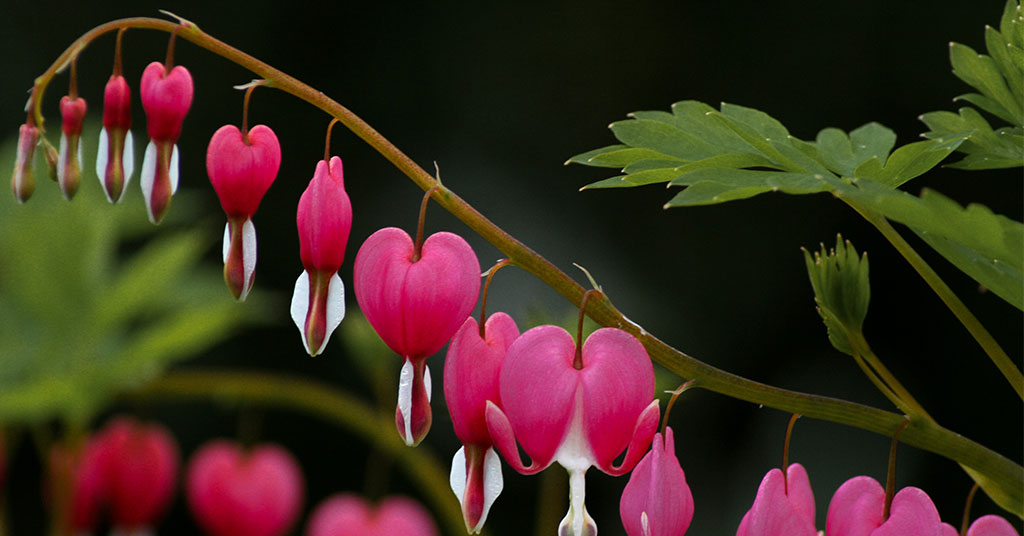
Bleeding Heart, or Dicentra spectabilis, is a perennial prized for its delicate, heart-shaped blooms that seem almost too poetic for words. Native to Asia, this plant’s ethereal appearance and gentle arching stems create a natural, fairy-tale look that can easily transform a garden into a magical retreat. However, its beauty comes at a cost—Bleeding Heart is incredibly sensitive to temperature swings and fluctuating moisture levels, making it a real challenge to grow consistently well! In my experience, even slight deviations in shade or soil composition can cause these plants to wilt or fail to bloom at all.
Despite its enchanting allure, Bleeding Heart can be a finicky addition that demands a perfect balance of dappled sunlight and moist, well-drained soil. It’s not considered invasive, but its delicate nature means it often struggles to compete with hardier species. If you’re looking for perennial reliability, you might want to reconsider Bleeding Heart—it’s a plant that rewards only the most patient and precisely tuned gardeners!
Garden Phlox
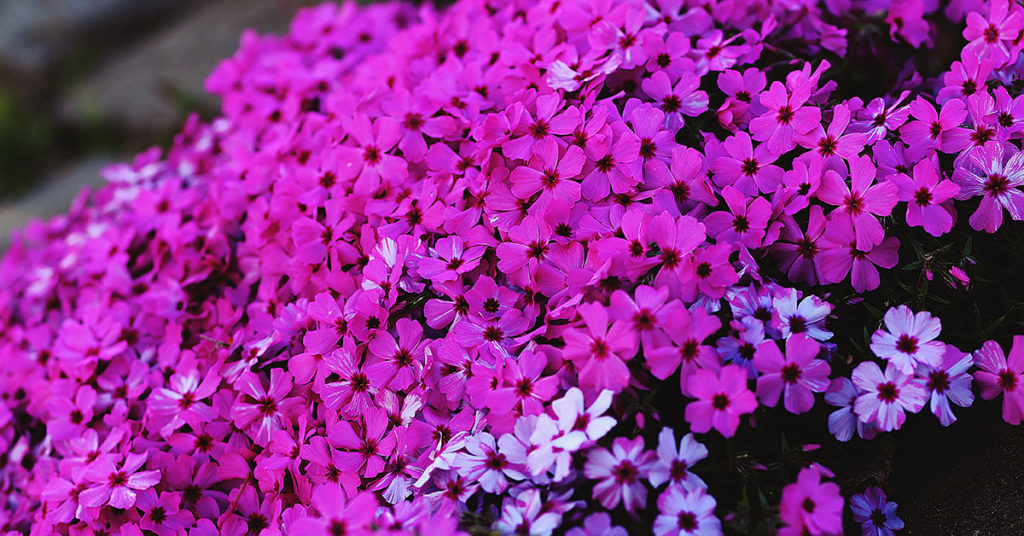
Garden Phlox is another perennial that seduces with vibrant, fragrant blooms but can quickly become a gardener’s nemesis. Native to North America, these plants are known for their intense colors and sweet scent that draws bees and butterflies like magnets. Yet, their beauty is often marred by a propensity for powdery mildew and other fungal diseases, particularly in humid climates or crowded garden beds! I’ve spent many a summer trying to balance air circulation and proper spacing, only to watch Phlox succumb to disease and fade before reaching its full potential.
The natural behavior of Phlox—its dense clustering and prolonged blooming period—can be both a blessing and a curse. While it creates a stunning tapestry when healthy, the same growth habit makes it susceptible to mildew, requiring constant vigilance and sometimes heavy pruning. For gardeners seeking low-maintenance vibrancy, Garden Phlox might prove more trouble than it’s worth, despite its undeniable allure when conditions are perfect.
Lupine
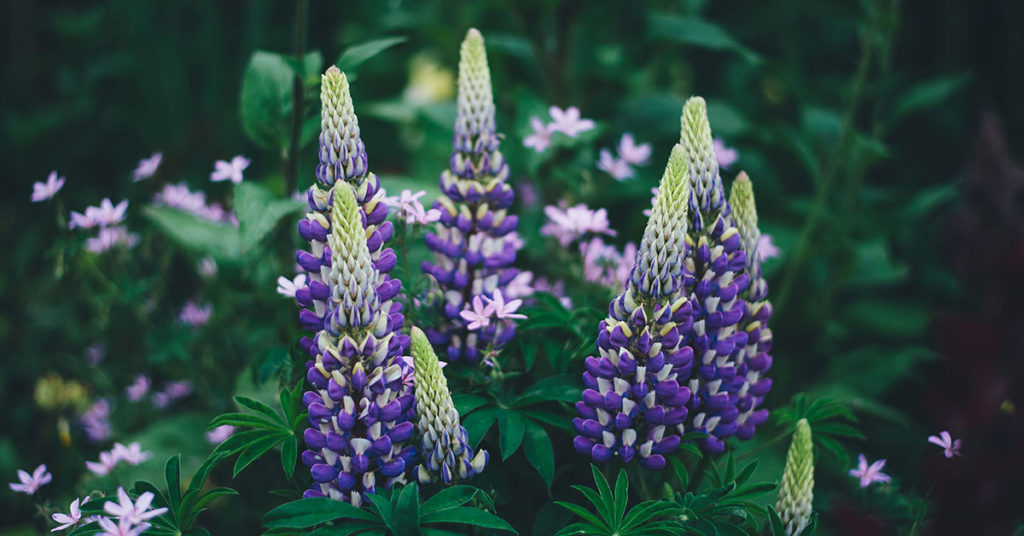
Lupine is famed for its striking, spiky flower clusters that add a burst of color to any garden, yet its cultivation is not for the faint of heart. Native to a variety of regions including North America and the Mediterranean, Lupine thrives in specific soil conditions—often preferring well-drained, slightly acidic soils. I’ve observed that even when given ideal conditions, Lupine can be quite unpredictable, sometimes failing to reseed itself or getting overtaken by aggressive weeds that interfere with its natural nesting and growth habits!
While Lupine naturally attracts a host of pollinators with its vibrant display, it can also be temperamental and short-lived in gardens that don’t exactly mimic its native habitat. Its tendency to produce uneven, sometimes erratic blooms can be disheartening after much careful planning and effort. For those wanting consistent, low-stress growth, Lupine may serve as a reminder that some of nature’s most dazzling spectacles come with a hefty dose of unpredictability.
Japanese Anemone
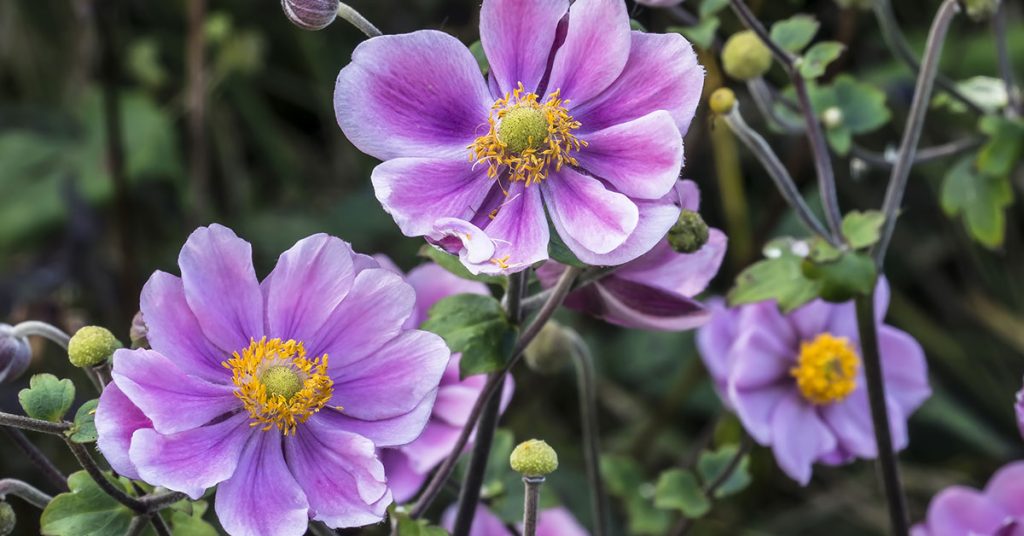
Japanese Anemone, or Anemone hupehensis, offers a graceful, late-season bloom that many gardeners adore, yet it often requires more finesse than its beauty might suggest. Native to East Asia, this perennial prefers shaded to partially shaded areas with rich, well-drained soil—conditions that aren’t always easy to replicate in every garden setting. I’ve seen how its airy, delicate flowers can quickly become overshadowed by competing vegetation or succumb to overwatering, turning what should be an elegant display into a frustrating mess!
The plant’s natural behavior—its tendency to sprawl and form loose clumps—can be a double-edged sword. While it creates a charming, cottage-like look and provides a soft nesting ground for small insects, maintaining its form demands regular thinning and careful soil management. For those who desire effortless beauty in their yard, Japanese Anemone might prove to be more trouble than it’s worth, despite its undeniable charm in the right conditions.
Monkshood

Monkshood (Aconitum) is a perennial that boasts dramatic, hood-shaped blooms and an air of mystery that sets it apart from more conventional garden plants. Native to mountainous regions of the Northern Hemisphere, it thrives in cooler climates and well-drained soils, but its cultivation is notoriously tricky. I’ve experienced the challenges of keeping Monkshood healthy—its sensitivity to heat and moisture extremes means that even slight mismanagement can lead to disappointing results, with its intense beauty quickly fading away! Adding to the challenge is its inherent toxicity, which requires extra caution if you have pets or small children around.
Despite its striking appearance and natural allure that attracts specialized pollinators, Monkshood demands an almost obsessive level of care. Its natural behavior in the wild includes thriving in specific, cooler environments that are hard to replicate in typical garden settings. For those seeking a less fussy option, Monkshood serves as a stark reminder that some of the most captivating perennials can also be the most high-maintenance and potentially hazardous.
Daphne

Daphne is one of the most alluring yet notoriously difficult perennials to grow, celebrated for its intensely fragrant flowers and glossy evergreen foliage. Native to regions across Europe and Asia, Daphne requires a precise balance of shade, well-drained soil, and protection from harsh weather to flourish. I’ve personally struggled with Daphne’s finicky nature—its roots are highly sensitive, and even a minor error in watering or soil pH can lead to stunted growth or a complete loss of its enchanting fragrance! This plant’s delicate balance of beauty and challenge makes it a true test of a gardener’s patience and skill.
What makes Daphne particularly demanding is its slow growth and tendency to be overtaken by more aggressive, invasive species if not carefully managed. While its captivating aroma and elegant blooms can transform a quiet garden nook, the effort required to maintain its ideal conditions often outweighs the benefits. For those who dream of effortless, lush landscapes, Daphne might be best admired from afar rather than as a centerpiece in a low-maintenance garden.
Hellebore
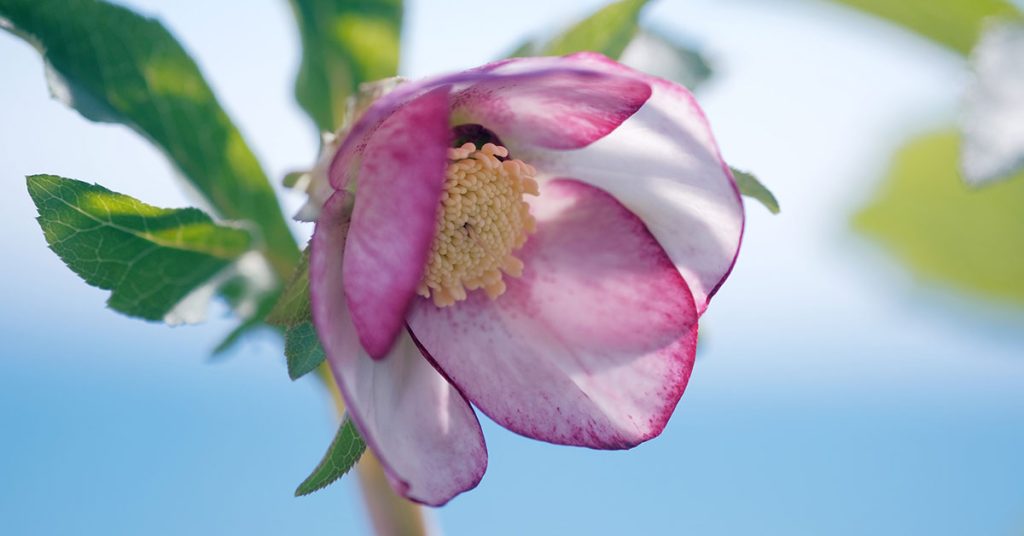
Hellebore, also known as Lenten Rose, offers a winter bloom that can add a mysterious charm to the garden, but its cultivation is not without challenges. Native to Europe and parts of Asia, Hellebore thrives in cool, shaded environments with well-drained soil—a combination that can be difficult to achieve consistently. I’ve witnessed how subtle shifts in temperature or moisture levels can affect Hellebore’s performance, sometimes leading to a lackluster display or even plant stress! Its delicate blooms, while captivating, require precise care and a stable microclimate to reach their full potential.
Despite its natural elegance and the way it attracts early pollinators, Hellebore can be quite sensitive to overwatering and fluctuating conditions, making it a less forgiving choice for many gardeners. Its growth habits are modest and non-invasive, but its demanding environmental needs mean that even experienced gardeners may find themselves constantly adjusting care routines. For those looking for a perennial that promises easy beauty with minimal fuss, Hellebore may ultimately test your patience more than it rewards you.
Solomon’s Seal
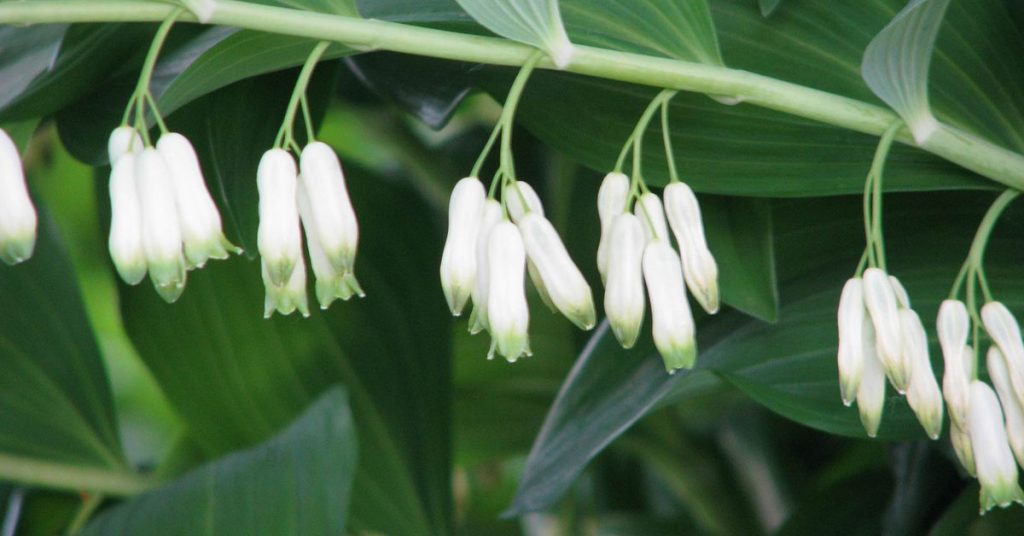
Solomon’s Seal (Polygonatum odoratum) is a graceful perennial known for its arching stems and delicate, bell-shaped flowers that dangle like natural ornaments in a shaded garden. Native to temperate regions of the Northern Hemisphere, it prefers moist, well-drained soil and filtered light, conditions that can be tricky to consistently provide in a typical garden setting. I’ve often marveled at how Solomon’s Seal appears to create natural “nests” for beneficial insects, yet its finicky nature in terms of moisture and light balance has led to more than a few gardening headaches! When conditions are less than ideal, this plant can become sparse or fail to bloom, leaving an otherwise promising landscape lacking its subtle charm.
Its slow growth and specific environmental needs make Solomon’s Seal a challenging perennial for those seeking a low-maintenance garden. Although it is non-invasive and offers a classic, woodland elegance, maintaining the perfect balance of shade, moisture, and soil fertility demands constant vigilance. For gardeners who prioritize simplicity and ease, Solomon’s Seal may prove to be a bittersweet addition—beautiful in theory, but often a test of your gardening expertise in practice!