

Composting is a rewarding way to recycle garden and kitchen waste into black gold for your soil, but it can sometimes turn into a real headache when things go awry! I know how frustrating it is when you put your heart into creating a healthy compost pile, only to have it become a magnet for pests and unpleasant odors. Over the years, I’ve learned that a few common mistakes can invite unwanted critters like rodents, flies, and even nesting insects that turn your compost into an ecological mess. Today, I’m excited to share nine critical pitfalls to avoid, ensuring your compost remains a vibrant, pest-free haven for plant nourishment!
It’s such a bummer when your efforts to create nutrient-rich compost backfire, resulting in a pile that not only smells but also harms the delicate balance of your garden ecosystem. I’ve been there—spending hours turning and managing my compost only to see it ruined by mistakes that attract pests and foster disease. With a friendly tone and plenty of firsthand advice, I’ll walk you through these composting errors and offer insights into why they work against you, along with tips on how to steer clear of them. Let’s dive in and protect your garden from these common yet costly blunders!
Not Balancing Green and Brown Materials
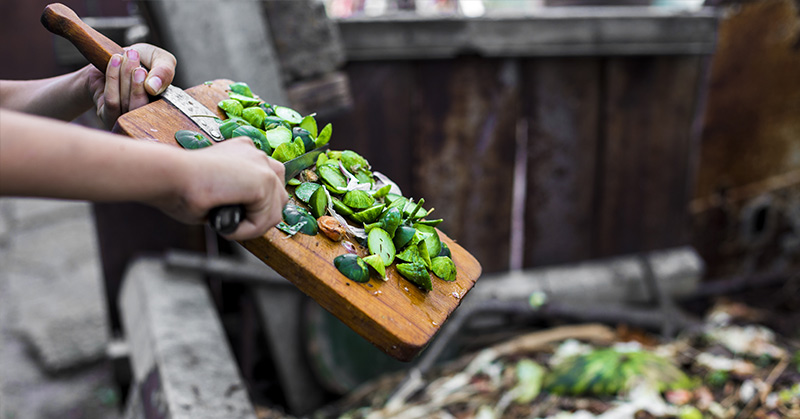
One of the most common composting mistakes is neglecting the balance between green (nitrogen-rich) and brown (carbon-rich) materials. In my early composting adventures, I often overloaded the pile with food scraps and fresh grass clippings, forgetting that too many greens create a moist, anaerobic environment perfect for pests and foul odors. When the balance is off, the pile can attract flies and even rodents looking for an easy meal, and sometimes even insects that seek out these conditions to build their nests! This imbalance also leads to a slower decomposition process, leaving your compost pile less effective and more susceptible to unwanted critters.
Getting the mix right is essential, and I’ve learned to incorporate a generous amount of dried leaves, shredded paper, or straw to counteract the moisture from greens. These brown materials not only provide the necessary carbon but also help regulate temperature and moisture, reducing the chance of attracting pests. In many regions, local native deciduous trees contribute naturally fallen leaves that are ideal for composting and are non-invasive, ensuring that your garden benefits without the risk of spreading unwanted species. It’s all about achieving that perfect harmony that keeps your compost thriving and pest-free!
Overwatering Your Compost Pile
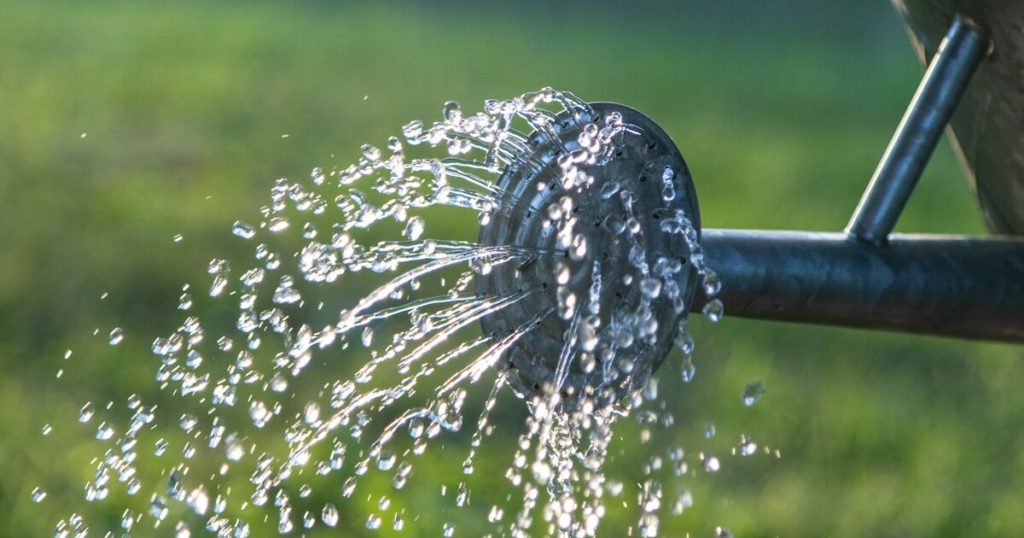
I’ve discovered that overwatering your compost pile is like inviting pests to a never-ending pool party—flies, rodents, and even nesting insects will flock to the damp, smelly conditions! Excess water turns a healthy compost pile into a soggy, anaerobic mess that not only smells unpleasant but also becomes a breeding ground for bacteria and fungi. I remember the time I accidentally drenched my compost during a heavy rainstorm; the resulting stench and swarm of insects were enough to make any gardener’s heart sink!
To avoid this mistake, I now carefully monitor the moisture level of my compost, aiming for a consistency similar to a wrung-out sponge. It’s essential to cover your compost pile with a tarp or lid during rainy spells to prevent it from becoming waterlogged. By keeping the moisture in check, you reduce the attraction for pests that seek out wet environments to lay their eggs or establish nests. This simple yet effective measure not only preserves the quality of your compost but also creates an environment that encourages beneficial microorganisms rather than unwanted critters!
Adding Too Much Food Waste (Especially Meat and Dairy)
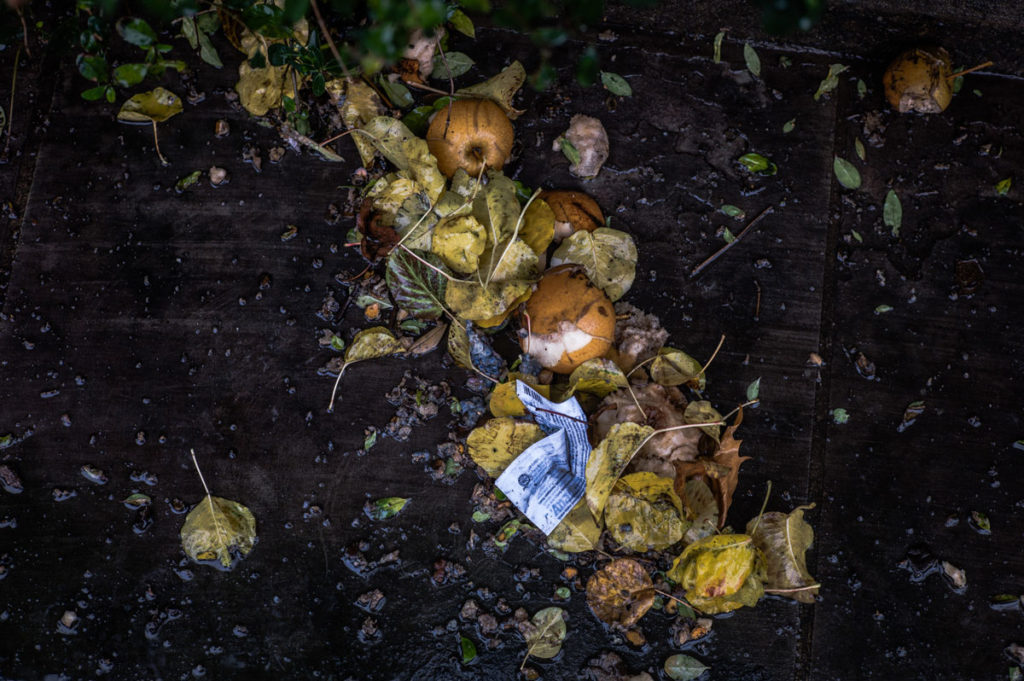
One of my early composting errors was adding too much food waste—especially meat, dairy, and oily scraps—that ended up inviting all sorts of pests to my garden. These protein-rich items are a real magnet for rodents, raccoons, and even insects that are known to nest in such decaying matter. I quickly learned that while these scraps decompose, they produce strong odors that can signal a veritable banquet to all the wrong types of wildlife. It’s such a bummer when your compost turns into an all-you-can-eat buffet for pests!
Instead, I now stick to a more plant-based composting approach and reserve meat and dairy for other methods like vermicomposting with specialized systems. By avoiding these high-risk materials, you not only keep the compost aroma pleasant but also maintain a healthy balance of microorganisms. Remember, many of the plants in your garden—especially those native to your region—thrive best when the compost is free from the strong, invasive aromas that can drive away beneficial insects and encourage pests to set up camp. It’s a small adjustment that makes a huge difference in keeping your garden safe and thriving!
Not Turning or Aerating the Pile Regularly

Failing to turn or aerate your compost pile is a common oversight that can lead to anaerobic conditions, which attract pests and cause foul odors. In my own garden, I’ve experienced how a stagnant, unturned pile can become a hotbed for flies and other insects that find the lack of oxygen ideal for laying their eggs. Without regular turning, the decomposition process slows down dramatically, and the pile starts to smell sour—a clear invitation for critters to come and check out your “messy” compost!
To combat this, I make it a point to turn my compost at least once every few weeks, which introduces oxygen and helps maintain a balanced, aerobic environment. This simple habit not only speeds up the composting process but also discourages the kind of pests that are attracted to damp, stagnant material. When the pile is well-aerated, it supports a thriving community of beneficial microorganisms that naturally outcompete the pests, much like how native plants can resist invasive species in a well-tended garden. It’s a proactive step that transforms your compost from a potential pest magnet into a powerhouse of plant nutrients!
Leaving Your Compost Uncovered

Leaving your compost pile uncovered is like leaving the door open to an uninvited pest party! I once made the mistake of not covering my compost, and before I knew it, my pile had become a hotspot for raccoons, stray cats, and even nesting birds attracted by the exposed food scraps. Not only does this exposure allow pests to feast on the decomposing material, but it also speeds up nutrient loss and can create a mess that undermines the whole composting process. An uncovered compost pile is simply too inviting for nature’s less desirable visitors!
Covering your compost is a simple yet vital practice that I now swear by. I use a breathable cover or lid that helps regulate temperature and moisture while keeping pests at bay. A well-covered pile not only preserves the quality of the compost by reducing evaporation but also creates a controlled environment that minimizes the risk of attracting unwanted critters. Much like choosing native plants that are well-adapted and non-invasive, protecting your compost with a cover is a smart, sustainable strategy that keeps your garden safe and your nutrient-rich soil intact!
Incorporating Diseased or Invasive Plant Material
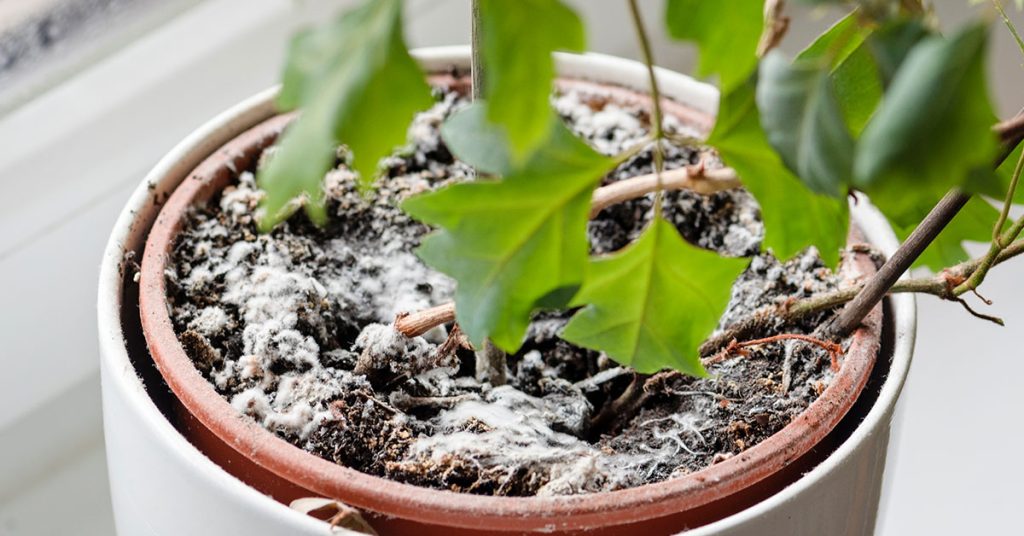
One critical mistake I learned to avoid is incorporating diseased or invasive plant material into my compost pile. Adding plants that are suffering from disease or are known to be invasive can inadvertently spread pathogens and seeds that may later germinate in your garden, causing chaos and attracting pests that thrive on decaying matter. I remember the time when I mixed in some infected leaves from a neighboring shrub, only to find that my compost became a breeding ground for fungal spores and unwanted insects looking for a cozy nesting spot. It’s a harsh lesson that taught me the importance of vigilance in what goes into the pile!
To prevent such problems, I now carefully inspect all plant material before adding it to my compost and avoid any that show signs of disease. Even though some invasive plants might seem like a natural part of the landscape, their inclusion in compost can lead to the unintentional spread of species that are hard to control. Many native plants have evolved resistance to local pests and diseases, whereas invasive species can upset that balance and invite opportunistic critters to settle in. By keeping your compost free of problematic plant material, you protect not only your garden’s health but also the delicate ecosystem that thrives on well-managed organic matter!
Using Too Many Citrus and Onions
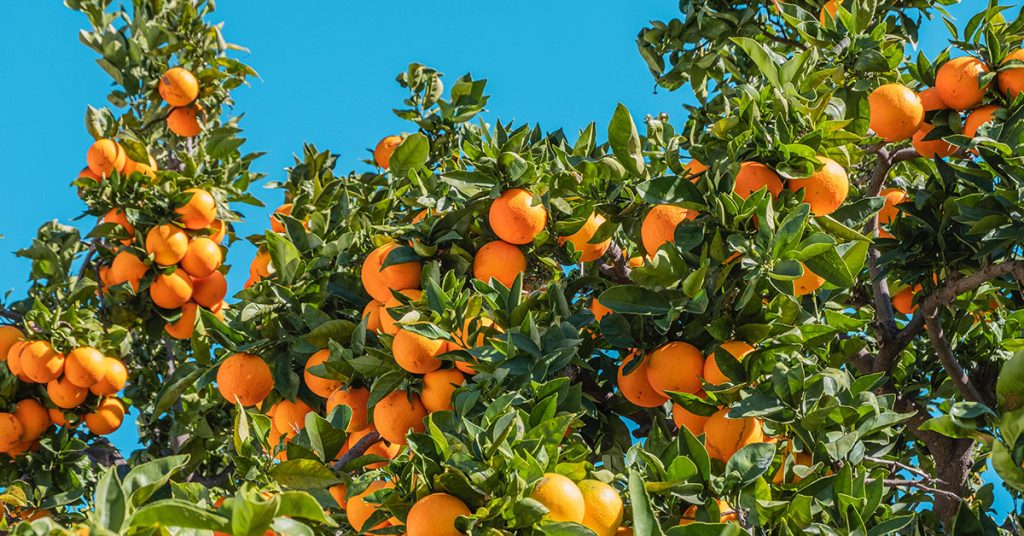
It may sound surprising, but using too many citrus peels or onions in your compost can create an acidic environment that not only slows down decomposition but also attracts pests! Citrus fruits, native to regions like Southeast Asia and the Mediterranean, and onions can introduce high levels of acidity and oils into your compost, disturbing the balance of beneficial microorganisms. I once overloaded my compost with citrus scraps, and the resulting tangy odor ended up luring in ants and other small insects that loved the smell. It was a lesson in moderation that I’ll never forget!
The key is to use these ingredients sparingly, mixing them with ample amounts of neutral or alkaline brown materials to maintain balance. When done correctly, the occasional citrus or onion can add valuable nutrients without upsetting the ecosystem of your compost. I always remind myself that even though these ingredients have their native charm and culinary benefits, in the world of composting, less is often more. By carefully monitoring and balancing the input, you can avoid creating an environment that drives away beneficial microbes and invites persistent pests looking for a niche to nest!
Using Non-Shredded, Large Materials

Another pitfall I encountered was using non-shredded, large materials in my compost pile. Whole branches, thick stems, and large chunks of yard waste take much longer to break down, creating pockets of undecomposed matter that can retain moisture and become prime real estate for pest nesting! These bulky items, while perfectly natural and often sourced from native trees and shrubs that have their own non-invasive characteristics, can disrupt the uniformity of the compost process. I’ve seen how these large pieces create cold spots in the pile where decay is slow, allowing unwanted insects and rodents to find shelter and food within the undisturbed mass.
To avoid this, I now make sure to chop or shred larger materials before adding them to my compost. This not only speeds up the decomposition process but also ensures that the moisture and temperature are evenly distributed throughout the pile. The smaller pieces blend more seamlessly, providing a consistent environment that supports beneficial bacteria and fungi rather than turning into a pest paradise. Taking this extra step has made a huge difference in maintaining a healthy, balanced compost system that enriches my garden without inviting nuisance critters!
Incorrect Placement of the Compost Pile

Finally, an often-overlooked mistake is placing your compost pile in an area that is too exposed or poorly suited to its needs. I learned early on that the location of your compost can make or break the process—an improperly placed pile can overheat in direct sunlight or remain too damp in a low-lying, poorly drained spot. These conditions can invite a host of pests, from nesting birds and rodents to swarms of flies, all attracted by the extreme environment and the readily available food sources. Finding the right spot for your compost is crucial to preventing these nuisances and ensuring your pile decomposes efficiently!
I now choose a location that offers partial shade, good drainage, and easy access for regular turning and maintenance. A well-placed compost pile not only stays at an optimal temperature but also blends naturally into the garden landscape, much like native plants that have evolved to thrive in specific local conditions. By avoiding areas that are too exposed or damp, you reduce the chances of attracting pests and create a sustainable, efficient composting system that supports a thriving garden ecosystem. It’s a simple change that has made all the difference in keeping my garden healthy and pest-free!