

Most people know that what they eat affects their waistline. Fewer think about how it shapes the organ doing the thinking. The growing body of research from 2024 through 2026 makes one thing increasingly clear: specific foods carry real, measurable benefits for cognitive function, memory, and long-term brain health. The gap between what we should be eating and what we actually eat, though, remains wide.
The brain is an energy-intensive organ that uses about one fifth of the body’s calories, and it turns out to be remarkably selective about the quality of what fuels it. Some of the most protective foods are surprisingly ordinary. The issue is that most of us just aren’t them.
1. Walnuts: The Nut That Looks Like a Brain for Good Reason

Walnuts are rich in alpha-linolenic acid, a plant-based omega-3 fatty acid, and they possess more polyphenolic compounds than any other type of nut. Both omega-3 fatty acids and polyphenols are considered critical brain foods that may counteract oxidative stress and inflammation, two drivers of cognitive decline.
A 2025 double-blind, crossover study published in Food & Function tested 32 healthy young adults aged 18 to 30, comparing a breakfast containing 50 grams of walnuts to a calorie-matched control. Cognition, mood, blood, and EEG measures were recorded at multiple points throughout the day, and walnuts produced faster reaction times on executive function tasks.
Research published in PubMed suggests that early and long-term dietary inclusion of walnuts may help maintain cognitive functions and may reduce the risk of developing, or delay the onset of, mild cognitive impairment and dementia by decreasing oxidative damage, increasing antioxidant defense, and reducing neuroinflammation. A small handful with breakfast is an easy, low-effort place to start.
2. Blueberries: Small Berries With Outsized Brain Benefits
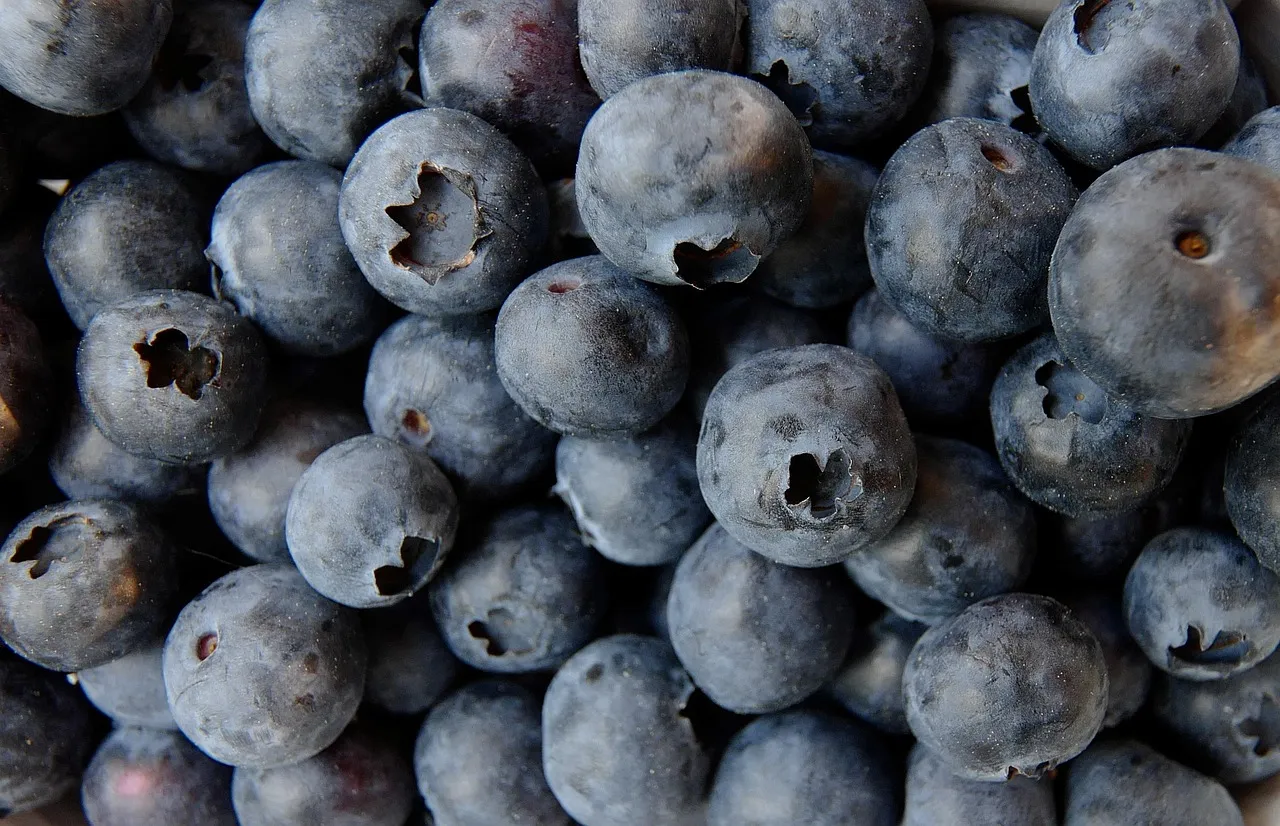
Blueberries are the only fruit singled out as part of the MIND diet, a dietary pattern that research has linked to lower dementia risk. That distinction isn’t arbitrary. Their concentration of flavonoids, particularly anthocyanins, sets them apart from most other fruits on the shelf.
A 2024 report published in Frontiers in Pharmacology found that metabolites in blueberries have the potential to protect the brain. The authors identified flavonoids, carotenoids, and vitamins C and E as potentially protective, noting that some evidence shows they can change biological processes implicated in age-related cognitive decline, amnesia, and neurodegenerative diseases such as Alzheimer’s and Parkinson’s.
A 2025 systematic review and meta-analysis published in Biogerontology found that chronic blueberry intake may improve episodic memory in older adults with mild cognitive impairment and subjective cognitive decline, and also improve language in those with mild cognitive impairment. Most adults eat blueberries occasionally at best. The research suggests consistency matters far more than quantity on any single occasion.
3. Fatty Fish: The Omega-3 Source Most People Undereat

Fatty fish such as salmon, mackerel, and sardines are rich in omega-3 fatty acids, particularly EPA and DHA, which are vital for brain cell communication. Despite how well-established this connection is, consumption remains low in most Western diets.
According to a 2024 study published in the American Journal of Clinical Nutrition, older adults who eat fish at least six times a month perform better on cognitive tests than those who consume it less than twice a month. That’s roughly one and a half servings per week making a measurable difference.
Fatty fish are abundant sources of omega-3 fatty acids, healthy unsaturated fats that have been linked to lower blood levels of beta-amyloid, the protein that forms damaging clumps in the brains of people with Alzheimer’s disease. A 2025 study in Korean older adults also suggests that long-term omega-3 supplementation may help maintain or even improve cognitive function, though some studies note more research is needed to confirm the full extent of protection against Alzheimer’s disease.
4. Eggs: An Underrated Source of Brain-Essential Choline

Eggs are high in vitamin E and omega-3 fatty acids, both of which help protect the brain. They are also good sources of B vitamins and choline, which help with memory and learning. Choline is the nutrient that tends to get overlooked in conversations about brain health, even though it plays a fundamental role.
Eggs are a rich source of choline, an essential nutrient important for producing acetylcholine, a neurotransmitter involved in memory and muscle control. Choline intake has been associated with better cognitive performance, especially in aging populations.
Choline may be especially beneficial for long-term brain protection. A 2024 study in older adults found that consumption of choline from egg yolks may help lower the risk of Alzheimer’s disease. Given that many people avoid egg yolks for other dietary reasons, it’s worth knowing that the yolk is precisely where most of the choline lives.
5. Dark Chocolate: Real Benefits, With One Meaningful Condition

Dark chocolate, rich in polyphenols, increases cerebral blood flow and improves cognitive function. The operative word there is “dark.” Milk chocolate and sugar-laden confections don’t carry the same profile of active compounds.
A 2024 randomized crossover study published in Heliyon found that just 25 grams of dark chocolate with a high concentration of cacao polyphenols (635 milligrams) improved both accuracy and concentration during cognitively demanding tasks compared to low-polyphenol chocolate. The polyphenol concentration, not just the cocoa percentage, appears to be the key factor.
Frequent dark chocolate consumers in clinical trials have also shown improved executive functioning (such as problem-solving and focus), better memory, and increased gray matter. Dark chocolate also contains theobromine, which may act as a brain stimulator and improve cognitive function. A small daily square of high-quality dark chocolate is about as pleasant a dietary habit as science has ever recommended.
6. Beans and Legumes: The Humble Food With Serious Cognitive Credentials

People who replaced a daily serving of processed red meat with nuts or legumes like beans had about one fifth lower risk of dementia and a slower rate of cognitive aging, according to a 2025 study published in Neurology. That’s a significant finding rooted in a straightforward dietary swap.
Beans are particularly rich in soluble fiber, which researchers believe may be protective against brain inflammation. One researcher at the forefront of this area is currently studying whether a diet high in soluble fiber, found in foods like beans, oats, peas, apples, and avocados, helps to reduce dementia risk over time, with the working theory being that soluble fiber causes beneficial changes in the gut microbiome that in turn help to reduce inflammation in the brain.
A USDA systematic review prepared for the 2025 Dietary Guidelines Advisory Committee concluded that dietary patterns higher in legumes or beans, alongside vegetables, fruits, nuts, fish, and unsaturated fats, are associated with a lower risk of age-related cognitive decline, mild cognitive impairment, dementia, and Alzheimer’s disease. Beans are cheap, filling, and consistently underrepresented on most dinner plates.
7. Green Tea: A Quiet Daily Habit With Long-Term Cognitive Payoff

Green tea contains caffeine and L-theanine, compounds known to enhance brain function by improving alertness, attention, and relaxation simultaneously. Continuous consumption has been linked to a reduced risk of cognitive decline and improved memory.
A 2024 meta-analysis examining nine randomized controlled trials, 23 cohort studies, and 12 cross-sectional studies looked at the effects of habitual tea drinking on dementia, mild cognitive impairment, and age-related cognitive decline. A meta-analysis of randomized controlled trials within that review found that habitual tea drinking decreased cognitive dysfunction as measured by standard cognitive assessments.
An 18-month randomized trial of nearly 300 adults found that a plant-heavy “green Mediterranean” diet including green tea was linked to lower levels of Galectin-9, a blood protein associated with faster brain aging on MRI. The study was conducted by researchers from Harvard University, Ben-Gurion University in Israel, and the University of Leipzig in Germany. Green tea is one of the most accessible daily additions anyone can make, and the evidence for it keeps growing.
8. Leafy Greens: The Brain-Protective Vegetables Most People Rush Past

Leafy greens such as kale, spinach, collards, and broccoli are rich in brain-healthy nutrients including vitamin K, lutein, folate, and beta carotene. Research suggests these plant-based foods may help slow cognitive decline. These aren’t exotic ingredients. They’re available in every grocery store and often the cheapest items in the produce aisle.
Vegetables and plant-based foods are abundant in polyphenols, unsaturated fatty acids, and dietary fiber. These nutrients have been shown to mitigate inflammation and oxidative stress, thereby impacting the development of neurodegenerative disorders. Leafy greens deliver several of these compounds in a single serving.
Lutein, found in spinach and kale, is worth paying particular attention to. Research has found a significant positive correlation between lutein and performance in category fluency tests, supporting the importance of carotenoids as robust biomarkers of cognitive performance. Adding even one serving of leafy greens daily is a straightforward move with meaningful backing.
9. Sardines: The Brain Food Most People Leave on the Shelf

Sardines don’t have the marketing budgets of salmon, but from a nutritional standpoint they deserve a closer look. They’re among the most concentrated sources of brain-supportive omega-3 fatty acids available, with the added benefit of being low in mercury and affordable year-round.
A 2025 study in Korean older adults suggests that long-term supplementation with omega-3 fatty acids may help maintain or even improve cognitive function. Some studies also suggest these fatty acids may help lower the risk of Alzheimer’s disease, though more research is needed to confirm this.
For those who don’t eat fish, it’s also possible to obtain omega-3s through flaxseeds, chia seeds, or edamame. Still, the evidence is strongest for marine sources like sardines and other oily fish, which deliver the long-chain forms of omega-3 that the brain uses most directly. Canned sardines in olive oil take less than two minutes to prepare.
A Note on Consistency and Context

Long-term cognitive benefits, including memory preservation and reduced risk of neurodegenerative disease, generally require consistent dietary intake over months and years rather than sporadic consumption. This is the detail that tends to get lost in headlines. No single meal changes brain health. Patterns do.
No single superfood or nutrient is guaranteed to enhance brain function, and it’s worth holding that in mind when encountering bold claims. The foods described here are supported by real research, but they work best as part of a broader dietary pattern, not as isolated fixes.
The 2025 Dietary Guidelines Advisory Committee review reinforced that dietary patterns characterized by higher intakes of vegetables, fruits, legumes, nuts, fish, and unsaturated fats, and lower in red and processed meats, are associated with reduced risk of cognitive decline and dementia. The individual foods matter, but so does the overall picture they form together.
The Takeaway
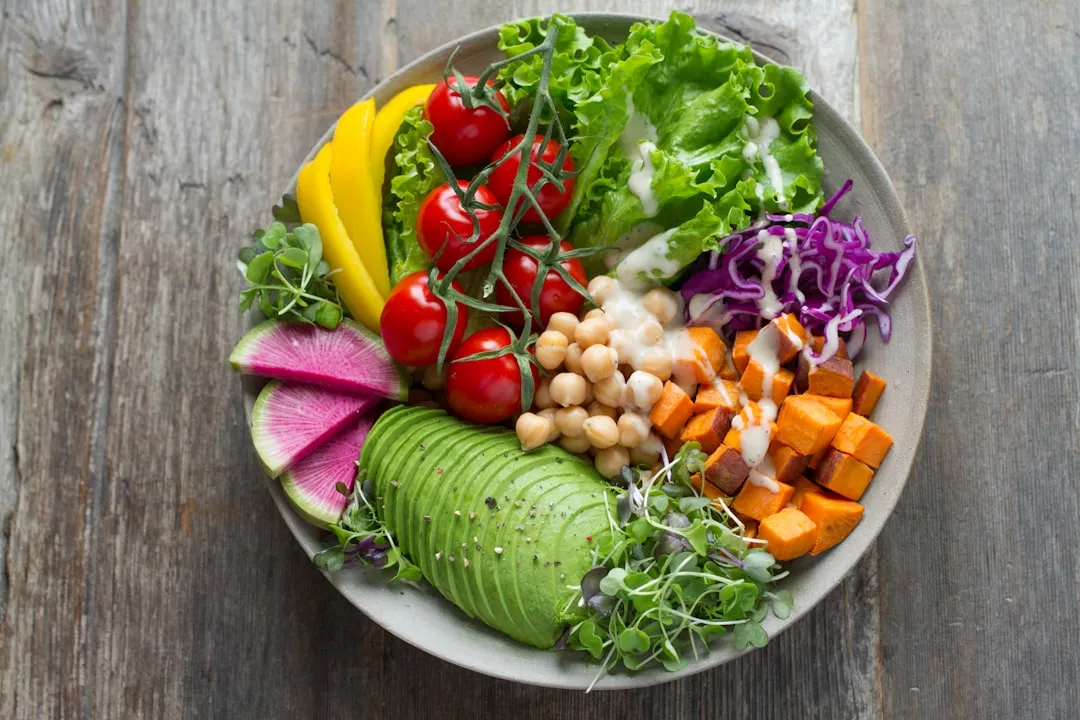
None of these six foods require a dramatic lifestyle overhaul. Walnuts at breakfast, a handful of blueberries in the afternoon, a weekly portion of fatty fish, eggs a few mornings a week, a square of dark chocolate, a bowl of beans with dinner. These are ordinary choices, made consistently over time, that the science consistently supports.
The brain responds to what it’s given. It doesn’t ask for perfection or superfoods. It asks for quality nutrients, steadily, across a lifetime. That’s a more manageable target than most people realize.
AI Disclaimer: This article was created with the assistance of AI tools and reviewed by a human editor.