

Most people pay their monthly bills without a second thought. The amount arrives, they pay it, and that’s that. What they often don’t realize is that many of those figures are not as fixed as they appear – and a single, well-prepared phone call can change them.
Almost every recurring bill is negotiable. Cable, internet, cell phone, car insurance, home insurance, gym memberships – the companies billing you actually expect some customers to call and ask for a better deal. The nine bills below are a solid place to start.
1. Your Internet Bill

On average, calling your internet service provider to negotiate your bill can save you between $10 and $40 per month. That’s potentially $480 a year for one conversation that typically lasts under half an hour.
One of the most effective ways to lower your internet bill is to contact your provider’s retention department, mention better offers from competitors, and ask directly. Loyalty discounts, extended promotions, or waived fees are often available to keep customers. A polite conversation can lead to real savings.
Internet service providers frequently offer promotional rates for new customers, but existing customers can also benefit. Calling your ISP and mentioning that you’ve seen lower rates advertised or that a competitor offers a better deal, then asking if they can meet or beat the offer, is often all it takes.
2. Cable and TV Service

The average amount people pay for a cable or satellite television bundle is $187.99 per month as of January 2025. That’s a number worth questioning, especially when many households aren’t using even a fraction of the channels they’re paying for.
A Consumer Reports National Research Center study found that 92% of people who haggled for a lower bill got money back or some other perk. Of those surveyed, 46% received a lower rate of up to $50 a month or less, 44% received an extended or promotional rate, 33% got more channels, and 16% received free or discounted equipment. Only 8% got nothing.
A surprisingly effective approach is simply calling and asking, without excuses or dramatic threats. Just ask to be transferred to the customer retention department and ask the operator if you can have a discount.
3. Your Cell Phone Plan

Cell phone providers frequently offer promotional rates, especially if you’re willing to switch carriers. Calling your current provider, mentioning any competitive offers you’ve found, and asking if they can match or beat them is a proven tactic. You can also consider bundling your cell phone plan with other services like internet or cable for further savings.
Negotiating your cell phone bill can save you anywhere from 10% to 20% monthly. Over a full year, that adds up quickly – and the call itself rarely takes more than 20 minutes.
Real-world examples bear this out. One consumer had her phone bill lowered from $110 to $87 for three lines, making one of the lines virtually free. She also recently received a $10 discount on her internet bill and was able to get a promotional deal from a streaming service when she mentioned she was considering canceling.
4. Medical Bills

Most people assume that once insurance processes a claim, the remaining balance is set in stone. It is not. Your cost-share – deductible, coinsurance – is between you and the provider, and providers have every incentive to settle for less than the full amount.
About 44% of hospitals offer a prompt-pay discount, typically 20% off your balance if you pay in full within a set window. The range is usually 10 to 25% depending on the facility. That’s a meaningful reduction for what is often just one phone call to the billing department.
Research shows that 62% of patients who contact billing actually receive a price reduction. Calling the billing department and asking if they can reduce the total or help set up a payment plan is the starting point. Asking for discounts if you pay in full right away also helps, and if you’re insured, it’s worth asking if self-pay rates are lower because sometimes they are.
5. Car Insurance

Car insurance is among the bills where companies genuinely expect some customers to call and ask for a better rate. Many policyholders never do, which means they quietly pay more than they need to year after year.
The most effective approach is to get three or more quotes from competing insurers first, then call your current insurer armed with that information. Loyalty doesn’t always mean the best rate, and carriers know that. Presenting a better offer from a competitor gives them a concrete reason to move.
Typical annual savings on car insurance through negotiation fall between $150 and $600, with a consistently high negotiation success rate. Even landing at the lower end of that range for a single call is a reasonable outcome.
6. Home or Renters Insurance

Bundling multiple services with a single provider can often lead to significant discounts. Many companies offer discounts when you combine internet, cable, and phone services, and bundling your home and auto insurance policies can similarly lower rates.
Beyond bundling, calling your insurer directly and asking about loyalty discounts or updated pricing based on your claims history is a perfectly reasonable request. Insurance companies reassess risk profiles regularly, and many customers are unaware they may qualify for a better tier simply because their circumstances have changed.
A thorough review can uncover billing errors, duplicate charges, auto-increases, or better rates – all things that a short call to your insurer can address directly. This is one bill where simply asking the question often reveals options customers didn’t know existed.
7. Gym Membership

Typical annual savings on gym memberships through negotiation range from $60 to $240, and the negotiation success rate tends to be high. Gyms operate on volume and retain members through inertia – they’d rather lower your rate than lose your recurring payment entirely.
As an existing member, calling and saying you’re considering canceling due to budget constraints and asking for a rate reduction or a membership freeze is an effective approach. Many gyms will drop the monthly rate by $5 to $15 rather than lose you entirely.
You may be able to lower your gym membership cost simply by negotiating. It feels awkward the first time, but gym staff fields these calls regularly. The conversation is usually short and the answer is frequently yes.
8. Credit Card Interest Rate
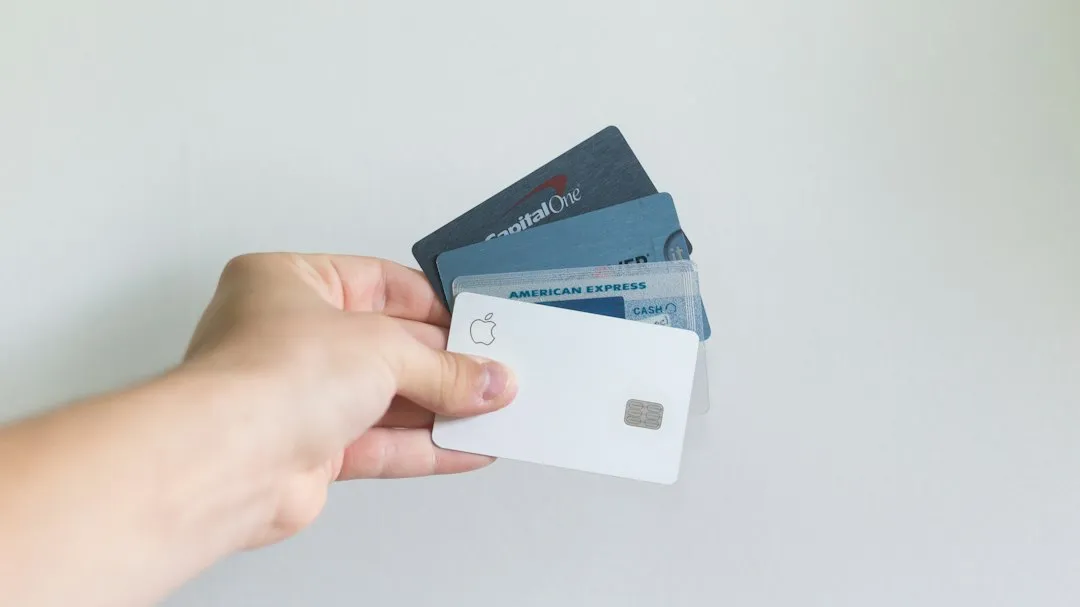
Your credit card’s annual percentage rate can feel like it’s carved in stone, but it’s actually one of the more negotiable numbers in your financial life. Card issuers have wide discretion to offer temporary or permanent rate reductions to customers who call and ask, particularly those with a solid payment history.
A large share of people who simply ask for a lower price get reductions, especially on services and financial products. Credit cards fall squarely in this category. Mentioning that you’ve received a better offer from another issuer gives the representative a clear reason to act.
An annual bill audit that includes a credit card APR reduction call is one of the most overlooked ways to save. Most people find $500 to $1,500 per year in savings in under two hours – an effective hourly rate of $250 to $750 for making a few phone calls.
9. Utility Bills
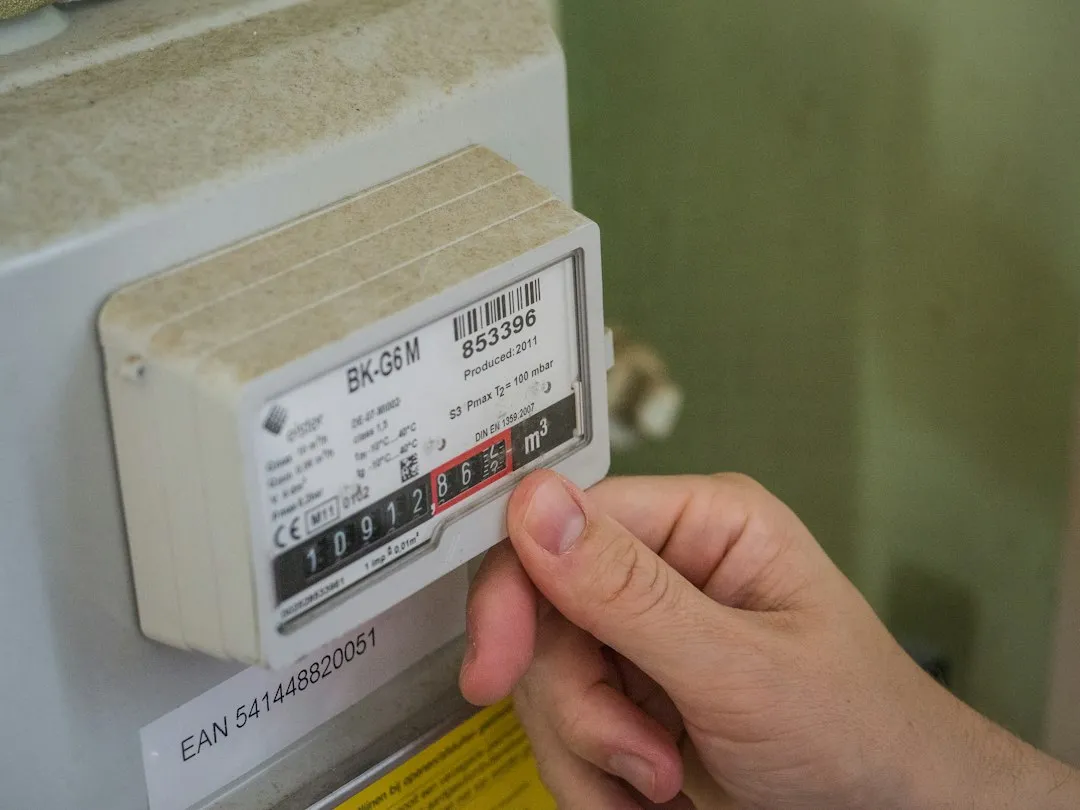
Your utility bills may seem set in stone, but you actually can call and try to negotiate with utility companies. For example, explaining that you’re unable to afford the present rate and asking if they can offer a better deal is a valid starting point.
While on the phone, it’s worth asking about the best times of day for lower rates. Many people don’t know that utility companies have time-of-use pricing, where the rate is lowest at specific hours – often later at night.
Utility companies also often offer low-income payment programs that can cap monthly bills based on income, sometimes reducing payments to as low as $10 to $25 per month regardless of usage. Even if you don’t qualify for hardship programs, asking about available plans or discounts is always worth the few minutes it takes.
The Takeaway

As inflation continues to strain household budgets, consumer experts say there’s an often-overlooked way to save money: negotiating bills you’re already paying. From cable and cellphone service to streaming subscriptions and even some utility bills, a simple phone call could result in lower monthly costs.
By systematically reviewing and negotiating internet, utilities, or healthcare charges, you can reduce fixed expenses without sacrificing quality of life. With market data in hand and a focused 15 to 20 minute call, you can lower recurring payments and strengthen your financial habits.
The common thread across all nine of these bills is straightforward: the worst a company can say is no. Most of the time, they don’t. Picking up the phone once a year for each of these categories is one of the simplest financial habits you can build – and one of the most disproportionately rewarding.
AI Disclaimer: This article was created with the assistance of AI tools and reviewed by a human editor.