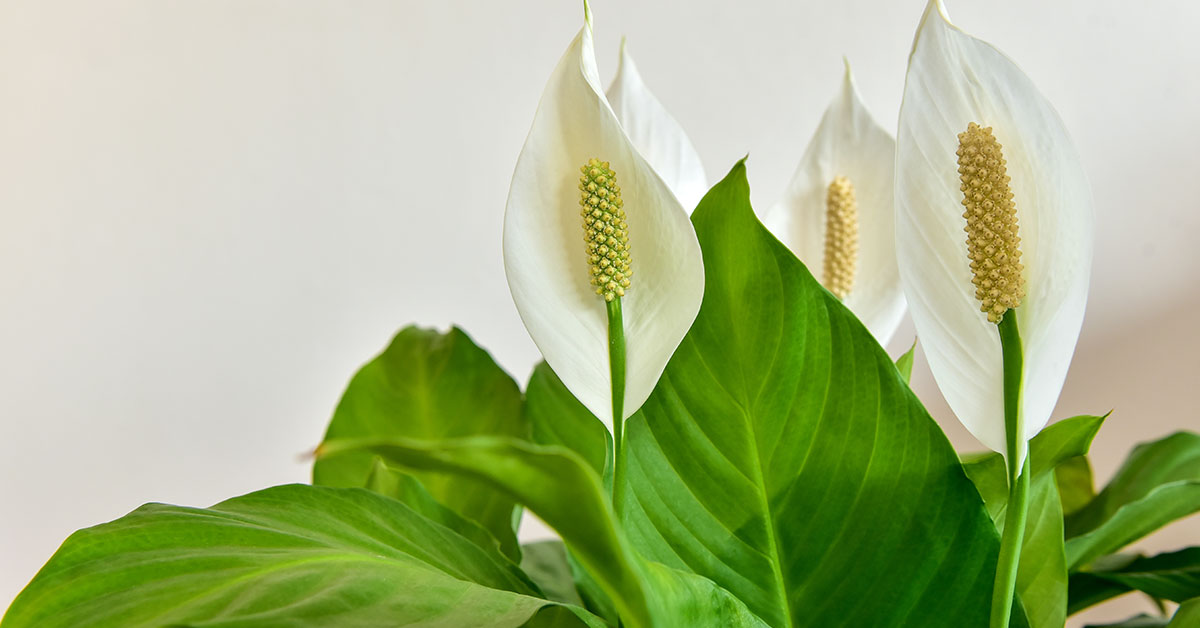

Late August can feel like a drag for our indoor jungles, can’t it? Peace lilies often show the stress of summer’s end: droopy leaves, yellow tips, or just a general lack of pep. I know how frustrating it is to invest time in these elegant Spathiphyllum geniuses, only to see them sulk under hot, dry conditions. But take heart—by focusing on nine essential tasks this month, you’ll have those glossy green leaves standing proudly once again and maybe even coax out a surprise bloom or two!
As someone who’s endlessly charmed by peace lilies—native to the warm, humid rainforests of Central and South America—I revel in mimicking their natural habitat. These beauties aren’t considered invasive in home environments, so all the care you give winds up boosting their vitality. Ready to dive in? Let’s roll up our sleeves and treat your peace lilies to the TLC they crave this August!
Refresh or Repot Using a Light, Well-Draining Mix

By late summer, the soil in your peace lily’s pot can become compacted and nutrient–depleted. I find it’s the perfect time to swap in a fresh blend of peat, compost, and perlite or orchid bark—materials that mirror the loose, airy leaf litter of their rainforest home. This new medium improves root aeration and prevents waterlogging, which peace lilies absolutely despise!
When I repot, I’m always eager to breathe new life into those roots. Because Spathiphyllum isn’t invasive outside its native range, you can repot freely, knowing you’re simply enhancing its health. After repotting, water thoroughly so the fresh soil settles around every root, and watch your plant perk up within days!
Scout for Pests and Disease

It’s such a bummer when you spot tiny spider mites weaving webs under the leaves or scale insects hitchhiking on stems! August’s warm, dry indoor air can invite these unwelcome guests. I get down eye–level with my plant and inspect the undersides of each leaf, looking for any movement or sticky residue. Early detection means you can rinse them off with a gentle spray or use insecticidal soap before they multiply.
Peace lilies aren’t known to be invasive houseplants, so pest outbreaks tend to stay contained—provided you act swiftly. I always keep neem oil on hand for a quick, natural remedy. A couple of treatments usually clears things up, and your lily will reward you with fresh growth in no time!
Inspect for Root Crowding and Consider Division
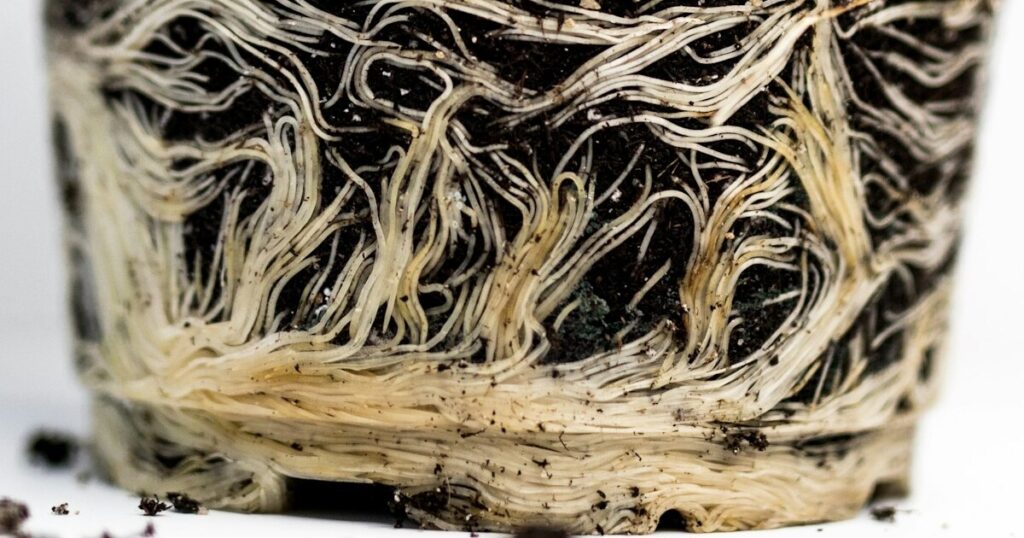
Peace lilies relish filling their pots, but too much of a good thing leads to root crowding, where thick mats of roots circle the container. I love sliding the plant out gently to peek at its root system—if you see roots densely packed around the edges, it’s time to divide! Separating the clump into two or three sections gives each new plant room to stretch out and produce vigorous shoots.
This division mimics their natural spread in Central American forest floors, where they colonize moist leaf litter without overrunning the ecosystem. Each divided section quickly establishes fresh roots, making watering and nutrient uptake even more efficient. It’s like hitting the refresh button on your indoor garden!
Trim Yellow or Spent Spathes
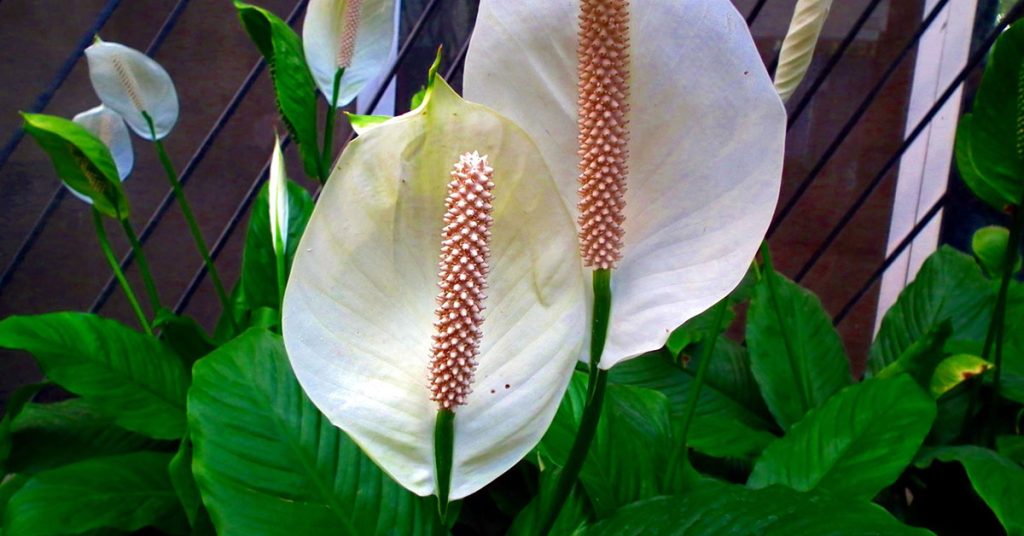
While peace lilies don’t produce lavish flower clusters, their elegant white spathes deserve attention. When they yellow or fade, snip them off at the base to redirect the plant’s energy into lush foliage and future blooms. I always feel a thrill watching that neat cut transform a tired display into something fresh and vibrant!
This simple pruning also improves air circulation around the crown—important in August’s humid indoor conditions to prevent fungal spots. Since peace lilies aren’t aggressive spreaders, you can prune liberally, knowing you’re only enhancing their natural allure.
Adjust Watering to Match Humidity and Temperature

August’s combination of heat and indoor air conditioning can dry your soil faster than you expect. I recommend checking moisture by sticking a finger about one inch into the mix—if it’s bone dry, give your plant a thorough drink until water leaks from the drainage holes. If there’s still dampness, hold off!
Watering early in the day is my go-to; it ensures roots are hydrated before the afternoon heat peaks and the soil surface has time to breathe before nightfall. This timing mirrors the gentle morning rains of their rainforest origins, helping peace lilies maintain steady growth.
Wipe Leaves to Enhance Photosynthesis

Those broad green leaves are the star of the show, but dust can build up and block precious light. I love taking a soft, damp cloth and gently wiping each leaf, removing dust and grime so your lily can capture every ray of indirect light. It’s amazing how a simple cleanse can perk up your plant’s appearance almost instantly!
Clean foliage isn’t just about looks—it maximizes photosynthesis, giving your peace lily the energy boost it needs to thrive. In its native habitat, leaves stay pristine under filtered canopy light—so let’s recreate that indoors!
Boost Humidity Around Your Plants
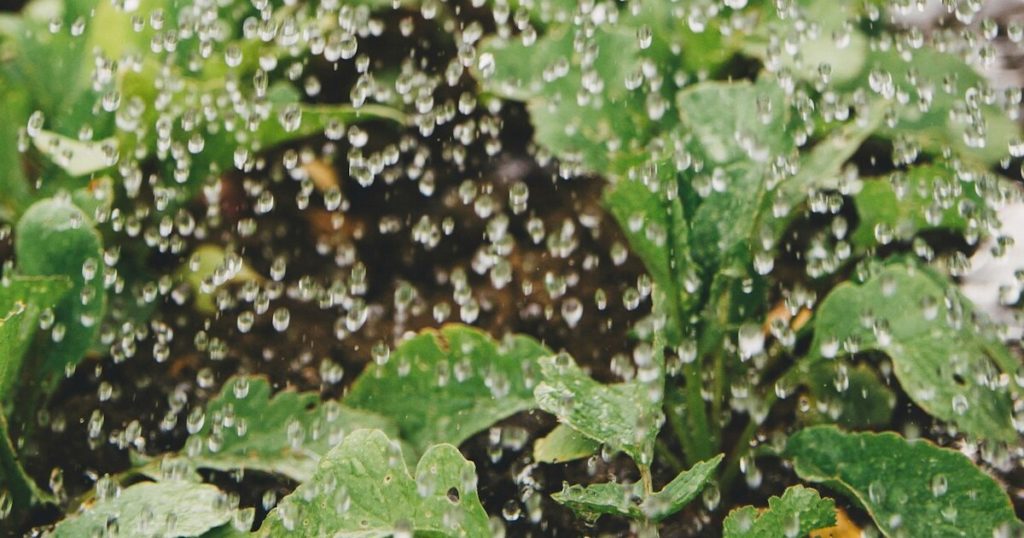
Peace lilies thrive in the high humidity of rainforest understories. Late summer’s indoor air, especially with fans or AC, often falls short. I place my lilies on trays filled with pebbles and water—just enough that the bottoms of the pots rest on the stones, not in water. The evaporating moisture lifts humidity around the plant without soaking the roots!
Alternatively, a light evening mist can work wonders. This extra moisture encourages beneficial soil microfauna—like springtails—that help break down organic matter and maintain a healthy root environment. It’s like giving your indoor oasis its own tiny ecosystem!
Rotate for Even Growth

If your peace lily starts leaning toward the window, it’s clearly reaching for more light. Weekly, I rotate the pot a quarter turn, ensuring every side gets balanced exposure. This simple ritual prevents one–sided growth and helps maintain a symmetrical, full crown reminiscent of those wild clusters in Central American jungles.
Rotating also keeps you connected with your plant’s progress—every shift reveals new leaves, fresh spikes, and subtle changes. It’s a delightful way to stay engaged with your green companion!
Fertilize Sparingly with a Balanced Feed

While peace lilies evolved in nutrient–rich leaf litter, they can suffer from fertilizer burn if overfed in pots. In August, I apply a balanced 10-10-10 houseplant fertilizer at half strength just once. This light feeding replenishes what your plant has used during summer growth without encouraging floppy, weak stems.
A gentle boost now helps set the stage for strong root development and healthy foliage through the coming cooler months. Since these plants aren’t invasive, you can be confident that a little fertilizer goes straight into vibrant new growth rather than unwanted spread.