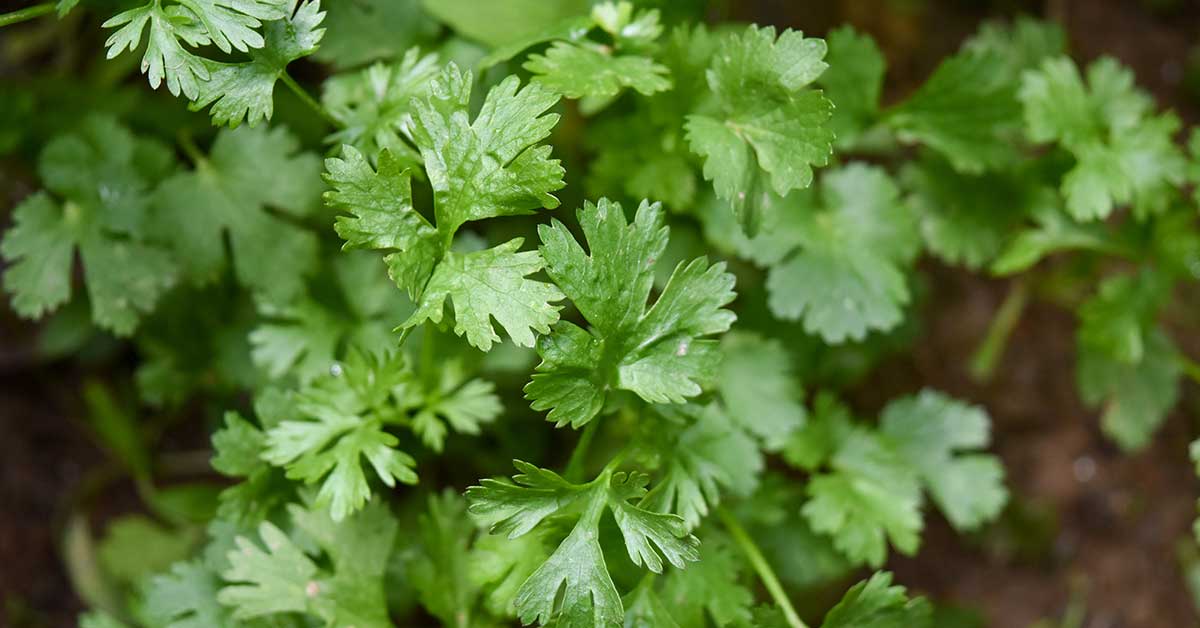

Growing a lush, verdant parsley patch is one of the most rewarding experiences for any home gardener. Parsley’s bright, frilly leaves add a burst of fresh flavor to countless dishes, and harvesting your own abundant crop brings a deep sense of satisfaction. Yet, it’s such a bummer when your parsley ends up sparse, leggy, or worse—bolts to seed before you’ve had your fill! Fear not, fellow gardener: with the right approach, you can transform even the smallest plot into a parsley powerhouse.
I’ve put together ten of my favorite strategies—each tried and true in my own garden—to help you coax every last leaf from this Mediterranean native. From soil prep to harvesting tactics, each tip dives deep into parsley’s origin story, its relationship with insects (both friends and foes), and whether it ever oversteps its bounds. So grab your trowel, and let’s dig in!
Consistent Moisture Management
Moisture is parsley’s best friend—and neglecting it can lead to dry, flavorless foliage or those dreaded yellow patches. Aim to keep the soil evenly damp, watering when the top inch begins to dry. I love using a drip irrigation system or soaker hose to deliver gentle, steady moisture right to the roots without wetting the foliage—a practice that helps prevent fungal issues! Mulching around the plants further conserves water and keeps soil temperatures steady, encouraging vigorous root development.
Parsley ( Petroselinum crispum ) hails from the Mediterranean coastal regions of Southern Europe and North Africa, where it thrives in soils that remain consistently moist but well-drained. In my experience, a layer of organic mulch not only preserves hydration but also attracts beneficial soil organisms—earthworms and predatory mites—that nestle in the ground and improve soil structure. Thankfully, parsley is not considered invasive, so you can water liberally without worrying about runaway growth.
Pinching Back & Continuous Harvesting
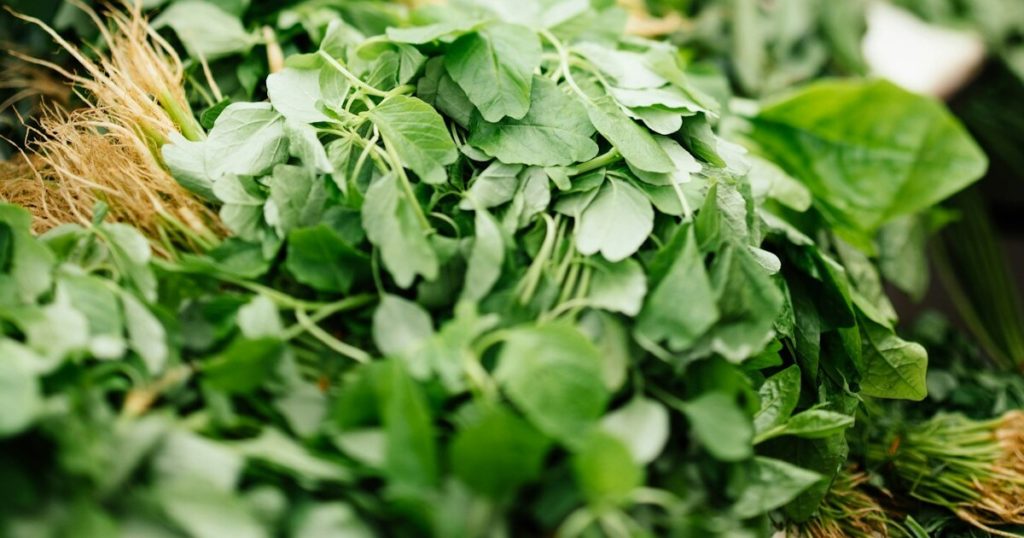
One of my favorite gardening secrets is regular pinching: snip the outer stems at the base once the plant reaches about 6 inches tall. This practice discourages bolting and stimulates new growth from the crown, giving you fresh leaves all season long! It’s such a thrill to harvest a handful each morning, knowing you’re encouraging a bushier, denser patch.
Parsley is a biennial that normally flowers in its second year—unless you pinch it back! By harvesting properly, you mimic its first-year, vegetative growth, tricking it into producing leaf after leaf. Additionally, the small umbels of parsley flowers are magnets for hoverflies and ladybugs, which lay eggs and nest in and around the foliage, helping to keep aphids in check. Enjoy those blooms if you ever let a few stems go—just be ready for the next flush of larvae!
Preventing Diseases and Pests Naturally

There’s nothing more disheartening than spotting slimy slugs devouring your parsley or discovering yellow spots from mildew. I know how frustrating it is to see your hard work undone overnight! To stay ahead of problems, practice crop rotation—avoid planting parsley in the same spot more than once every three years. Also, encourage lacewings and parasitic wasps by planting small clusters of alyssum or dill nearby; these beneficial insects naturally prey on parsley pests.
Parsley itself isn’t invasive, but its companions can attract a host of pollinators and predators. The flowers of dill, for instance, provide excellent habitat for braconid wasps, which often lay eggs in caterpillars that would otherwise feast on parsley leaves. By fostering this miniature ecosystem, you’ll find that parsley thrives without resorting to harsh chemicals—your garden stays balanced, and those delicious leaves remain pristine!
Succession Sowing for Steady Supply

I adore knowing that fresh parsley is always within reach, so I practice succession sowing every three weeks. Simply sow a few seeds in a new trench, thin them to 2–3 inches apart once seedlings emerge, and repeat. This staggered approach keeps your harvest continuous, avoiding big peaks and long gaps.
Parsley seeds can be slow to germinate—often taking 2–4 weeks due to their tough seed coat—so patience is key. They’re native to rocky Mediterranean soils where rainfall is unpredictable, so the seeds evolved to delay sprouting until conditions are ideal. In my garden, I’ve noticed that overwinter-sown parsley can even pop up early in spring, and since it’s not invasive, you won’t end up with wild volunteers overrunning the beds.
Soil Enrichment with Organic Matter
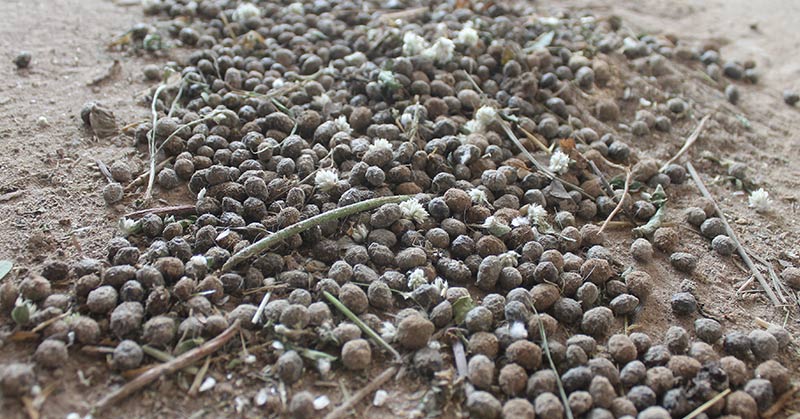
Before planting, work in at least 2 inches of rich compost or well-rotted manure into the top 6 inches of soil. Parsley is a heavy feeder that rewards you with large, flavorful leaves when given a nutrient-rich environment. I often sprinkle in a handful of kelp meal for trace minerals—parsley seems to love the slight boost in iron and magnesium!
Originating from limestone-rich soils in the Mediterranean, parsley thrives in a soil pH between 6.0 and 7.0. Compost not only boosts fertility but also nurtures earthworms and beneficial microbes that build crumbly, well-aerated soil. These organisms nest in the organic layers, creating channels that improve drainage and root penetration. The result? Strong, vigorous parsley plants that can handle vigorous harvests!
Understanding Sunlight and Shade

Parsley performs best in full sun, but I’ve found it forgiving of partial shade—especially in hotter climates where afternoon sun can scorch the leaves. Aim for at least 6 hours of light daily, but don’t worry if you have a spot that gets morning light and afternoon dappled shade. Parsley appreciates that cool reprieve, and the leaves stay more tender.
Native to Mediterranean coastal regions, parsley evolved with intense sun but often found shelter among rocks and taller plants. In my garden, I sometimes tuck parsley under taller herbs like rosemary or lavender, which creates a microclimate that keeps soil temperatures down and deters bolting. Plus, the mixed planting attracts pollinators and ground-nesting bees, which tumble through the foliage and help aerate the soil naturally.
Companion Planting to Attract Beneficial Insects

Boost your parsley harvest by situating it near carrots, tomatoes, or chives. These companions form a supportive alliance: parsley’s umbrella-like flower heads (if allowed to bloom) lure predatory wasps and hoverflies, which then scout the nearby vegetable patches for pests! I’ve seen lacewings nesting among parsley plants, and they work wonders in controlling aphids and caterpillars.
Although parsley isn’t classed as invasive, its tall blooms can create perfect perches for predatory insects. The intricate web of stems and leaves provides ideal shelter for ladybird larvae to settle and feast on unwanted pests. By pairing parsley with veggies that benefit from extra pest control, you’re effectively creating an insectary in your own garden—no chemicals needed!
Starting Seeds Properly with Stratification
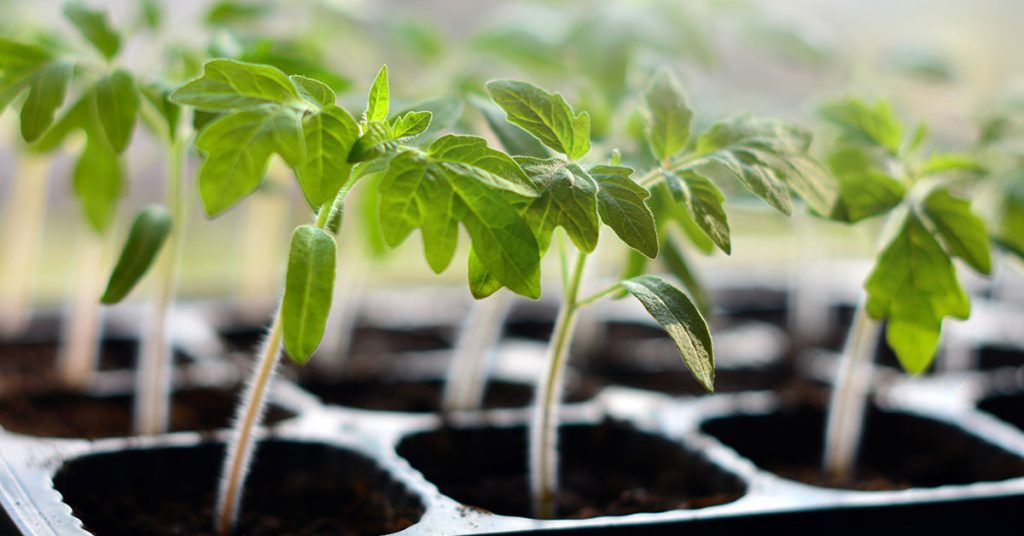
Parsley seeds often require a cold treatment to germinate uniformly. One of my go-to methods is soaking seeds in water for 24 hours, then refrigerating them in a damp paper towel for 10–14 days. This stratification mimics their natural dormancy cycle and significantly speeds up germination once they hit the soil!
Parsley’s native Mediterranean climate features wet winters and dry summers, so this chilling process cues the seeds that winter has passed and spring is safe. While parsley self-seeds sparingly, this technique ensures you get a head start. And because parsley won’t invade your beds like some culinary herbs, you can sow generously without worrying about it taking over.
Overwintering for a Head Start Next Season
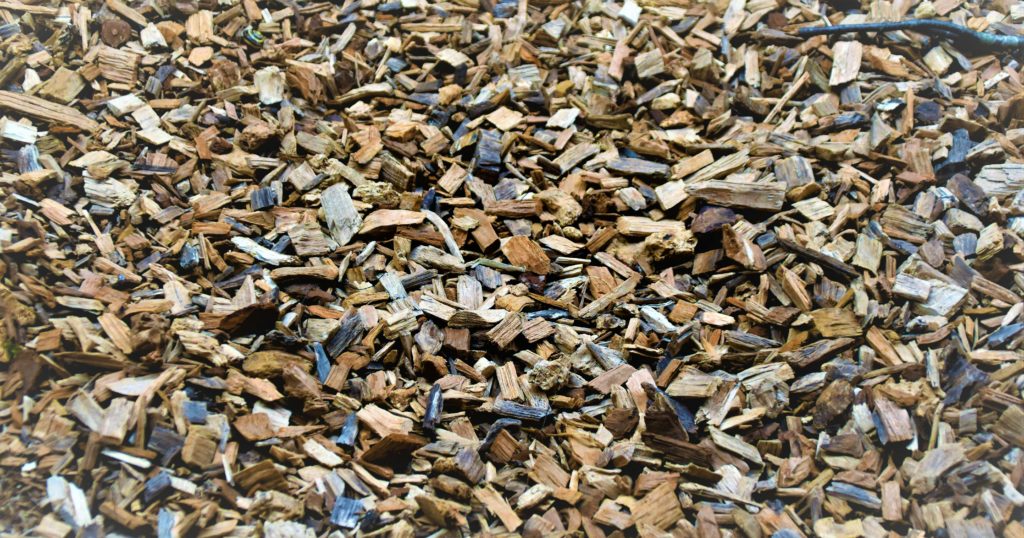
Rather than starting anew each spring, consider overwintering parsley in a cold frame or protected bed. Parsley is hardy to USDA zone 5 and will survive mild winters, offering you early greens when snow melts! I cover mine with a light layer of straw mulch to guard against freeze–thaw cycles, and come early spring, it’s already producing vigorous shoots.
Since parsley is a biennial, allowing it to grow through winter and flower in its second year can be beneficial—just remember to harvest heavily in the fall to manage bolting. The overwintered plants often develop stronger root systems, and the occasional flower umbels attract early-season hoverflies nesting in the garden, which prime your plot for healthy growth come spring!