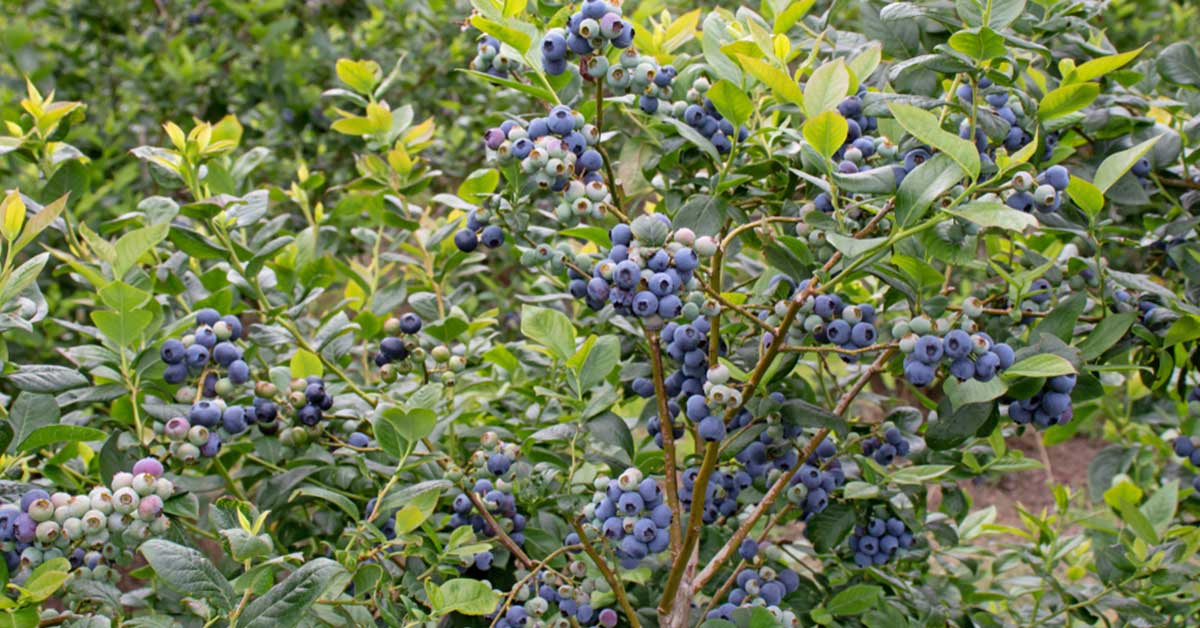

There’s nothing quite like the thrill of picking plump, indigo berries straight from your own bushes—until you discover half-eaten fruit or wilting foliage! I know how disheartening it is when pests like aphids, blueberry maggots, or Japanese beetles start chowing down on those prized berries. Blueberries (Vaccinium spp.) are native to North America and generally well-behaved in home gardens, but even these hardy shrubs can succumb to unwelcome visitors if left unchecked.
In this guide, I’m excited to share eight proven strategies to protect your bushes and keep those berries bountiful. We’ll look at everything from introducing beneficial insects to clever trap crops and physical barriers. Plus, I’ll dive into blueberry-specific habits—like how some pests lay eggs in unripe fruit and how ground-nesting birds can actually help control larvae! Let’s jump in and armor up your blueberry patch!
Apply Neem Oil Sprays

Neem oil is a versatile organic pesticide that disrupts insect hormone systems, preventing larvae—such as the dreaded blueberry maggot—from maturing. I mix a neem emulsion according to label rates and spray the undersides of leaves every two weeks, focusing on early morning to maximize uptake and minimize plant stress.
Since blueberries thrive in the acidic, well-drained soils of their Eastern North American homeland, neem’s gentle action won’t harm soil microbes or beneficial earthworms. Be sure to cover all foliage and developing berries, and reapply after heavy rains. You’ll see fewer aphids and caterpillars munching on your leaves in no time!
Prune and Destroy Infested Wood
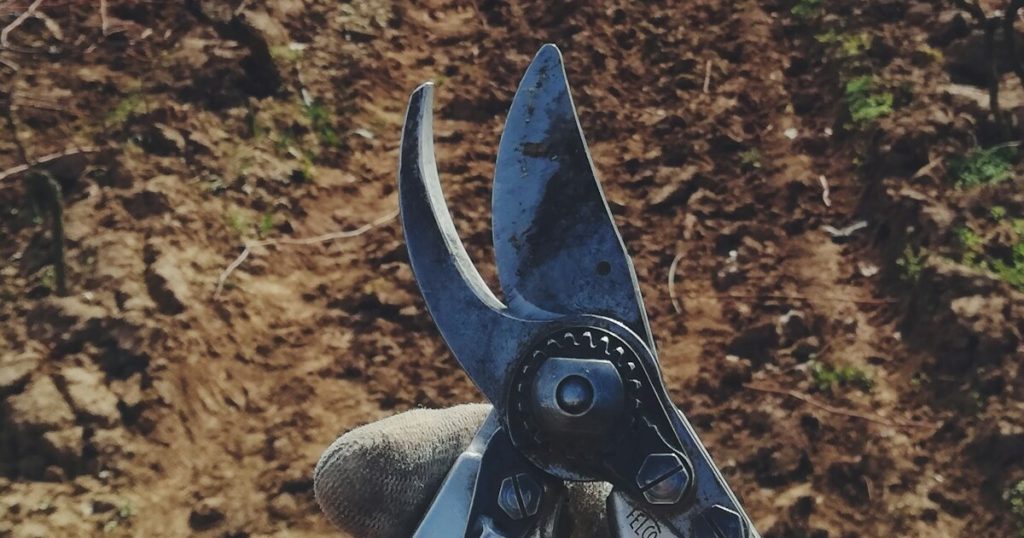
Regular pruning not only shapes your bushes for better airflow but also removes pest hideouts. If you spot cankered branches or clusters of discolored berries, snip them off at the base and dispose of them away from your garden. This practice prevents overwintering of pests like scale insects and blueberry stem borers.
After pruning, sterilize your shears with alcohol to avoid spreading disease. I always wear gloves and collect all debris in a sealed bag—no more sneaky larvae hiding under leaf litter! Healthy, open-grown bushes are much less attractive to pests than crowded, shaded thickets.
Introduce Beneficial Insects
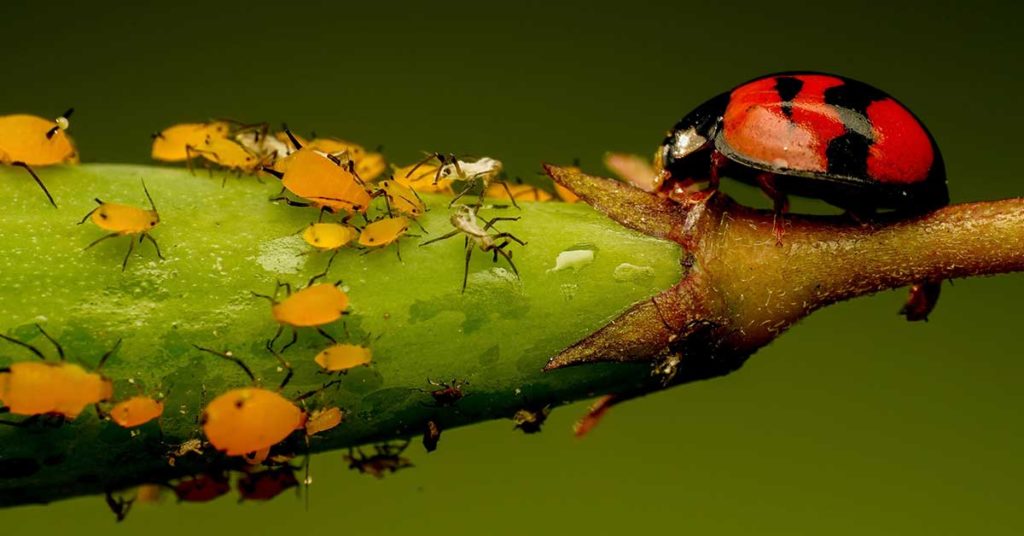
One of my favorite garden moments is spotting a ladybug feasting on aphids under a blueberry leaf! Releasing commercially available lady beetles, lacewings, and predatory mites gives your bushes an army of natural defenders. Hoverflies and parasitic wasps also target leafhopper and caterpillar populations.
Planting insectary flowers like alyssum and yarrow nearby creates nesting and nectar sources for these allies. Since blueberries aren’t invasive, you can freely interplant without worrying about aggressive cross-species competition. A flourishing beneficial insect community keeps pest numbers in check year-round!
Use Floating Row Covers
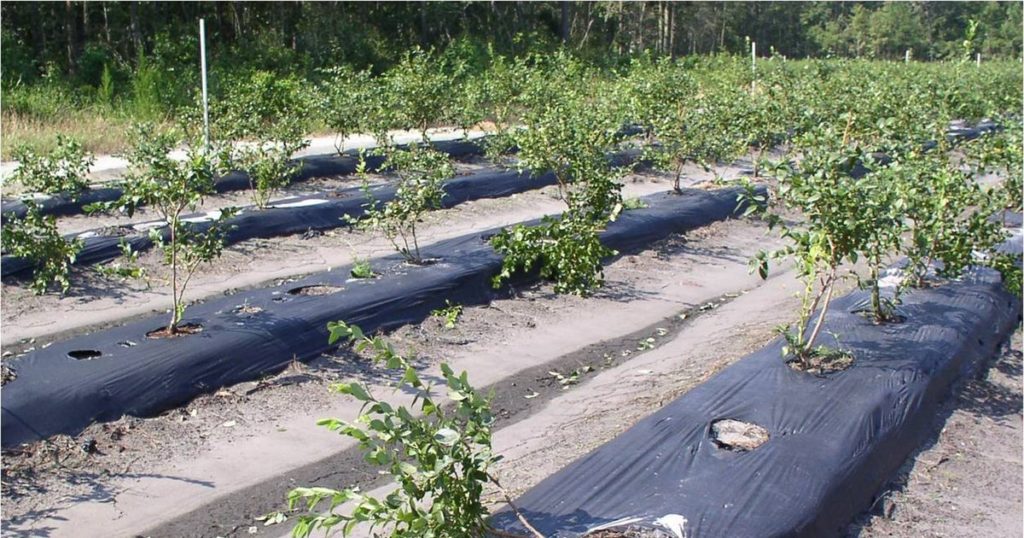
Lightweight row covers act as a physical barrier to cape-curculio beetles and blueberry maggot flies, blocking adults from reaching blossoms and laying eggs. I drape the fabric over frames in spring, securing edges with soil or stakes, and remove covers briefly during pollination peaks so bees can do their work!
Because Vaccinium species evolved under open woodland canopies, they tolerate a bit of shade under covers. Just be vigilant about re-tensioning fabric after wind or rainstorms to maintain that protective seal. This simple screen can cut maggot damage dramatically!
Attract Predatory Birds

Birds like chickadees and kinglets feast on caterpillars, moth larvae, and beetle grubs hiding in your blueberry patch. Installing nest boxes and providing a water source invites these feathered hunters to set up home nearby. I get a thrill hearing their morning calls as they patrol branches for pests!
While some birds might sample ripe berries, the net benefit is huge: fewer leaf- and fruit-damaging insects. To minimize berry-snatching, allow nets during harvest or use bird-friendly netting with small mesh—your bushes gain pest control without losing their biggest fans!
Plant Trap Crops

Strategically sowing a border of early-ripening strawberries or nasturtiums around your blueberry bed can lure pests away. Aphids and flea beetles attack these sacrificial plants first, giving you a chance to treat or remove infested trap crops before they migrate inward.
Trap crops mimic natural foraging behavior—pests prefer the tender, young growth on these species. Once they’ve gorged on your trap, simply pluck and dispose of the affected plants, cutting pest pressure on your blueberries. It’s a gardener’s chess move against unwelcome invaders!
Apply Diatomaceous Earth
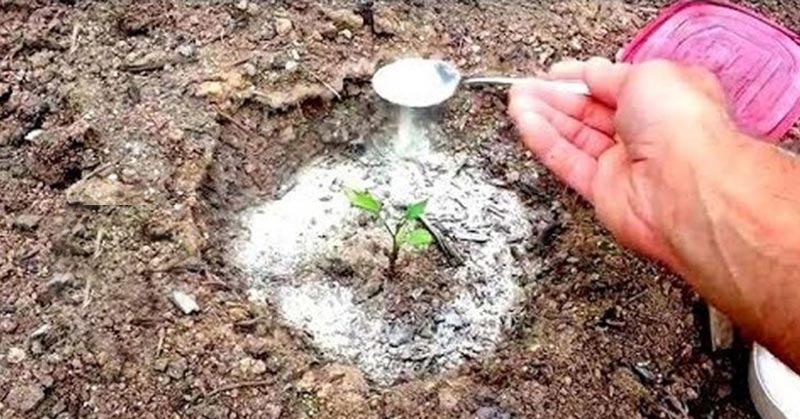
Dusting the soil and lower trunks with food-grade diatomaceous earth creates a physical barrier that scratches and dehydrates crawling pests like slugs and soft-bodied larvae. I lightly dust a perimeter around each bush, then gently water to fix it in place—no more slug trails on your tender roots!
Since DE is inert and non-toxic, it won’t harm beneficial earthworms when used sparingly. It’s especially effective during damp periods when slugs are most active. I love that simple sprinkling can dramatically reduce nocturnal munching!
Companion Plant with Garlic and Chives
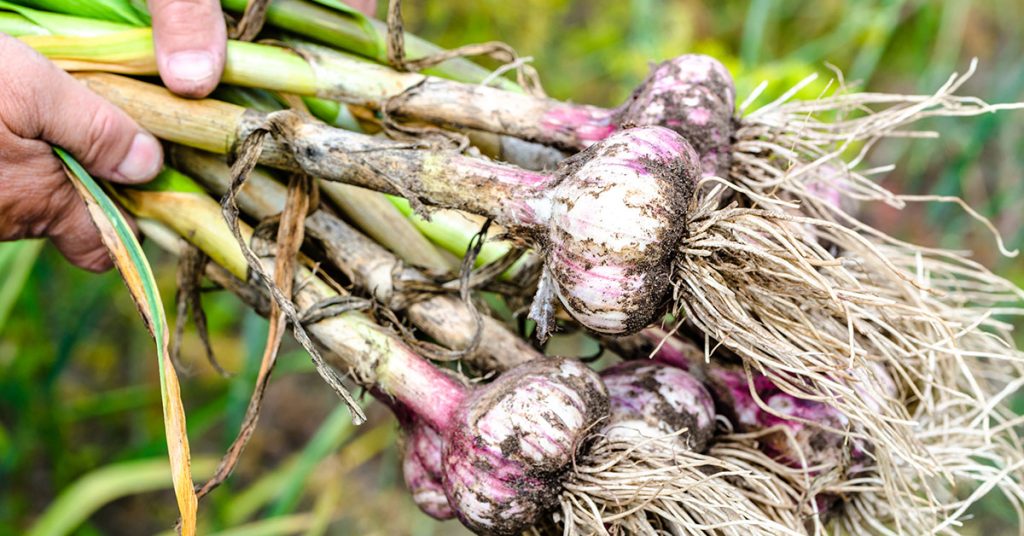
Alliums like garlic and chives emit sulfurous compounds that repel aphids, thrips, and certain beetles. I interplant dwarf garlic cloves and clumps of chives between my blueberry rows—these aromatic neighbours confuse pests looking for Vaccinium leaves.
Both garlic (Allium sativum) and chives (Allium schoenoprasum) are well-behaved in garden settings and won’t overrun your plot. Their flowers also attract beneficial pollinators and predatory insects. It’s a fragrant, multi-layered defense that keeps my blueberry bushes smiling!