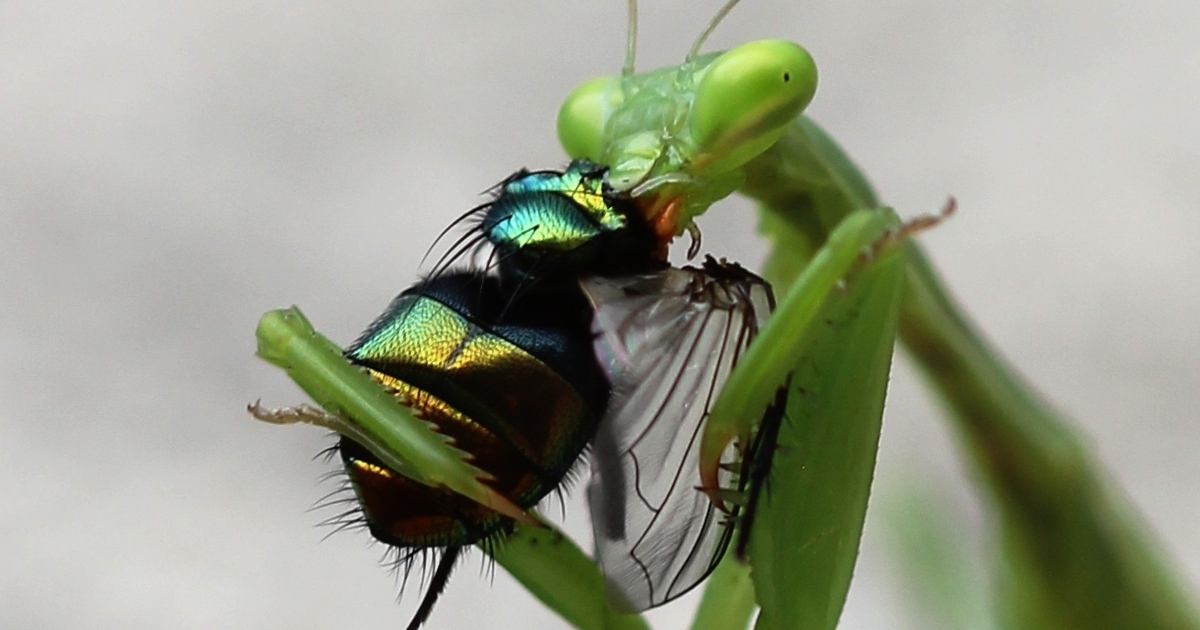

As a dedicated gardener, I know how frustrating it can be when pests overrun your garden despite your best efforts to create a thriving, sustainable space. Over the years, I’ve discovered that one of nature’s most effective, yet often overlooked, pest controllers is the praying mantis! These fascinating insects not only help reduce pest populations naturally but also add an element of intrigue and life to your outdoor sanctuary. I’m excited to share eight practical ways to attract these beneficial predators so you can enjoy a healthier garden and fewer chemical interventions.
In this guide, I’ll dive into actionable tips—from cultivating the right plants to creating an inviting habitat—that encourage mantises to set up their natural “homes” in your garden. We’ll explore how specific environmental tweaks can mimic their native habitats and support their nesting behaviors, while also discussing any concerns about invasiveness and optimal growing conditions. Whether you’re battling aphids or just looking to boost your garden’s natural defenses, these strategies will help you harness the power of praying mantises for pest control with minimal fuss!
Provide a Water Source
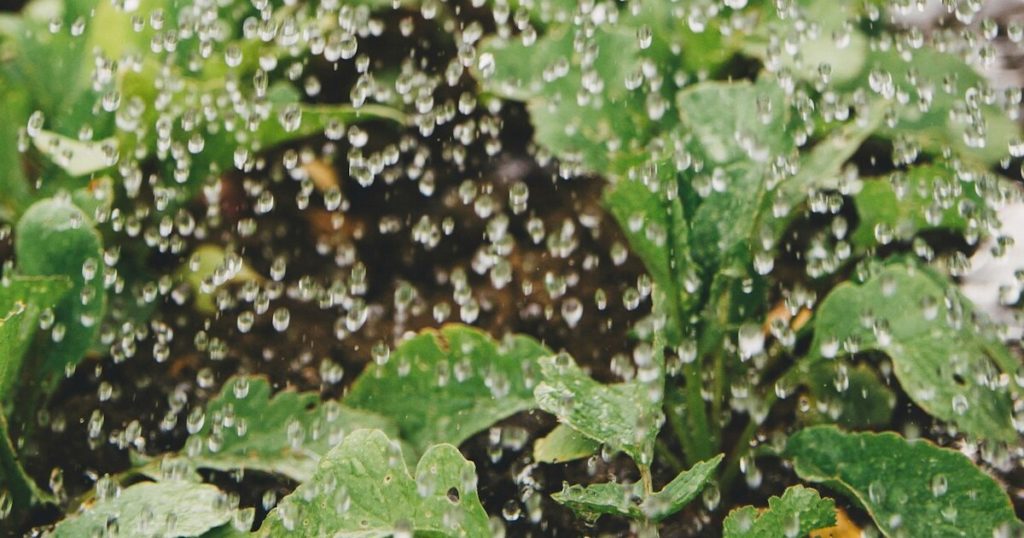
A reliable water source is essential for attracting praying mantises, as it not only keeps them hydrated but also creates a natural gathering spot for beneficial insects. Setting up a shallow water feature—such as a small birdbath with pebbles or a DIY water dish—can mimic the natural puddles found in their native environments. I’ve noticed that when I add a carefully placed water station to my garden, mantises and other insects are drawn to the moist area, often pausing to sip and even perch nearby, creating a lively microhabitat that supports natural pest control!
Beyond hydration, a water source helps create the right microclimate that encourages mantises to explore and eventually nest in your garden. As the water evaporates, it cools the surrounding area, making it a comfortable retreat during hot days. This not only benefits the mantises but also attracts a variety of pollinators and other small creatures, creating a balanced ecosystem where natural pest predators thrive. With just a little planning, a water feature can transform your garden into a welcoming oasis for these fascinating insects!
Grow Native Flowering Plants
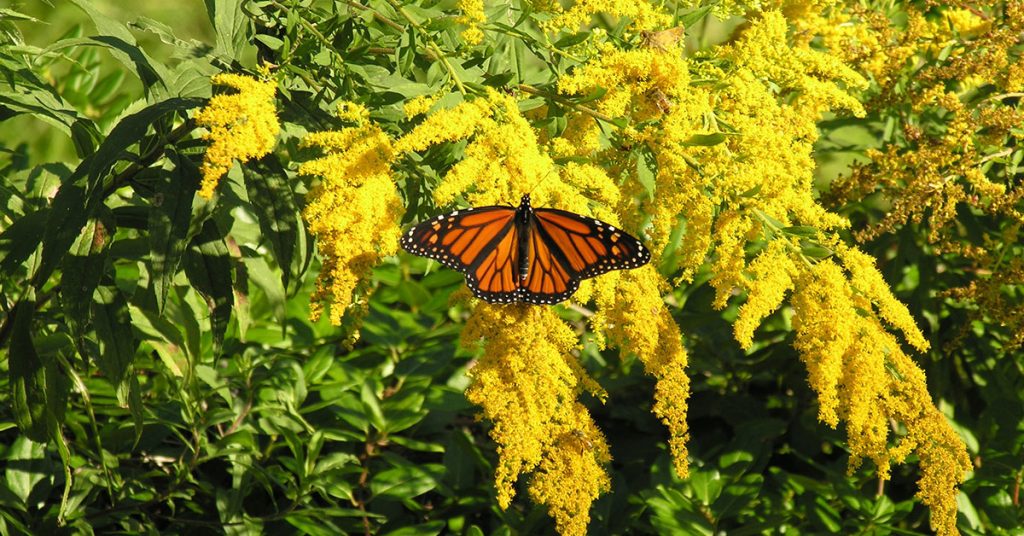
Native flowering plants are a magnet for all sorts of beneficial insects, including the praying mantis, which often uses these blooms as hunting grounds and temporary resting spots. By choosing species that are indigenous to your region, such as local wildflowers and shrubs, you create an environment that naturally supports the ecosystem mantises prefer. Many native flowers, like coneflowers or certain goldenrods, have evolved alongside local mantis populations, providing not only nectar but also suitable sites for perch and camouflage as they hunt their prey!
The natural behavior of these plants often includes forming dense clusters that serve as natural “nests” or shelter for insects. This dense growth provides an ideal backdrop for mantises to blend in, patiently waiting for unsuspecting pests to come close. Because native plants are well-adapted to local conditions, they require less maintenance and are less likely to become invasive—ensuring that your garden remains balanced and beneficial to all its inhabitants. The result is a vibrant, low-fuss garden that continuously attracts a diverse range of pollinators and natural predators!
Avoid Chemical Pesticides
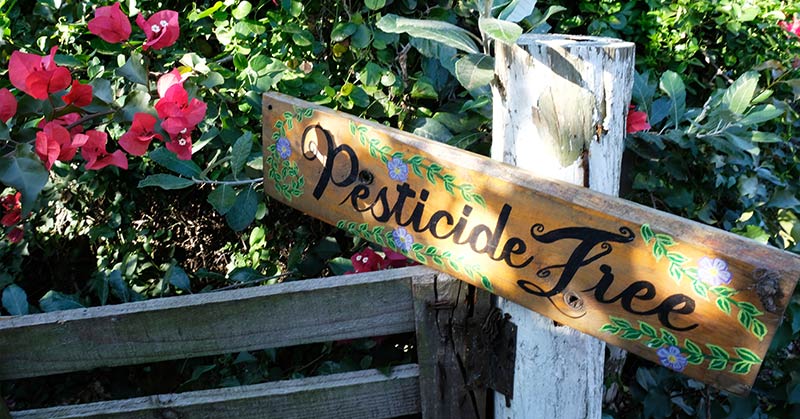
Eliminating chemical pesticides from your gardening routine is one of the most important steps you can take to attract and sustain a healthy population of praying mantises. These chemicals not only harm pests but also disrupt the delicate balance of your garden by killing beneficial insects. I’ve seen firsthand how a pesticide-free garden becomes a buzzing, dynamic environment where natural predators like mantises can flourish. Without the toxic residues that deter them, mantises are more likely to visit, settle, and even establish nesting sites in your yard!
Going organic encourages a thriving ecosystem where natural pest control takes center stage. By using organic alternatives and encouraging biodiversity, you create a safe haven where mantises can hunt without interference. This approach not only boosts the overall health of your plants but also reduces the risk of chemical buildup in the soil and surrounding areas. In essence, avoiding pesticides transforms your garden into a natural refuge—a true ecological oasis where every creature, from the tiniest bee to the stealthy mantis, can play its part!
Provide Tall, Rigid Structures

Praying mantises are ambush predators that rely on elevated perches to survey their surroundings and launch swift attacks on unsuspecting prey. Installing tall, rigid structures like stakes, trellises, or even small ornamental fences in your garden can create ideal lookout spots for these predators. I’ve noticed that mantises often choose to settle on these structures, using them as platforms to scan the area and spot potential meals. These elevated perches mimic natural features found in their native habitats, where they rest on tree branches or tall grasses, waiting for the perfect moment to strike!
Additionally, these structures offer a dual benefit: they not only attract mantises but also add vertical interest to your garden. The hard surfaces provide natural resting places that help mantises blend into the landscape, making them excellent ambush hunters. When combined with a pesticide-free environment and an abundance of native plants, these perches encourage mantises to linger, breed, and create their own small “nests” in your garden. It’s a win-win situation—your garden becomes a stylish, layered habitat while nature’s pest controllers keep unwanted insects at bay!
Install Insect Hotels
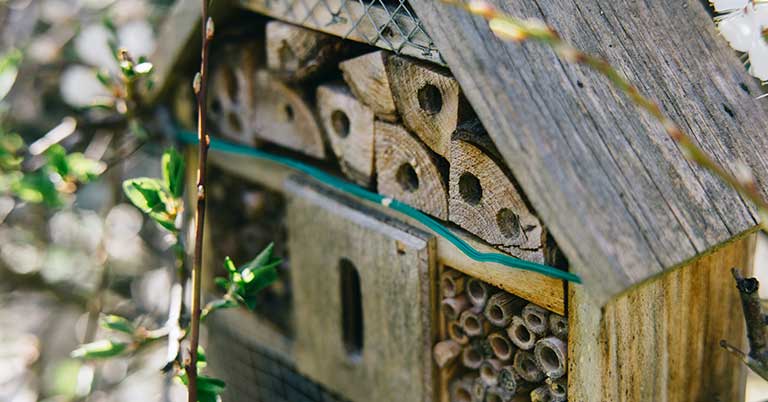
Insect hotels are a creative and effective way to invite beneficial insects, including praying mantises, into your garden. These structures, built from recycled materials or natural components like bamboo, wood, or even dried leaves, provide safe, sheltered spaces for insects to nest and overwinter. I’ve been thrilled to see how installing an insect hotel not only adds a unique decorative element to my garden but also creates a welcoming environment for solitary mantises looking for a secure spot to lay their eggs or rest between hunts!
The design of insect hotels mimics the natural crevices and nooks found in trees and rocky outcrops, which mantises use as nesting sites in the wild. By offering these artificial habitats, you help maintain a diverse insect community that supports natural pest control. It’s important to place the insect hotel in a quiet, sheltered area where it’s protected from extreme weather, ensuring that it becomes a reliable refuge for beneficial insects. With a little DIY spirit and some creativity, insect hotels can transform your garden into a bustling hub of natural activity and sustainable pest management!
Create a Natural Understory with Leaf Litter

Encouraging a natural understory by allowing some leaf litter to remain in certain parts of your garden can significantly enhance the habitat for praying mantises. In nature, mantises often rely on the cover provided by decaying leaves and natural debris to hide and ambush their prey. I’ve found that leaving a patch of organic mulch or undisturbed leaf litter in a corner of the garden creates a miniature ecosystem that supports not only mantises but also a host of beneficial insects and soil organisms. This layer of natural material acts as both camouflage and insulation, encouraging mantises to set up their temporary “nests” in a secure, hidden spot!
In addition, this organic matter gradually decomposes, enriching the soil and improving its structure—a benefit that extends to all your garden plants. The undisturbed leaf litter mimics the natural forest floor, offering a cool, damp environment that is especially inviting during hot, dry periods. By integrating natural understory elements into your garden, you create a more balanced ecosystem where mantises and other beneficial predators can thrive alongside your plants, ensuring effective, sustainable pest control!
Use Companion Planting to Attract Prey
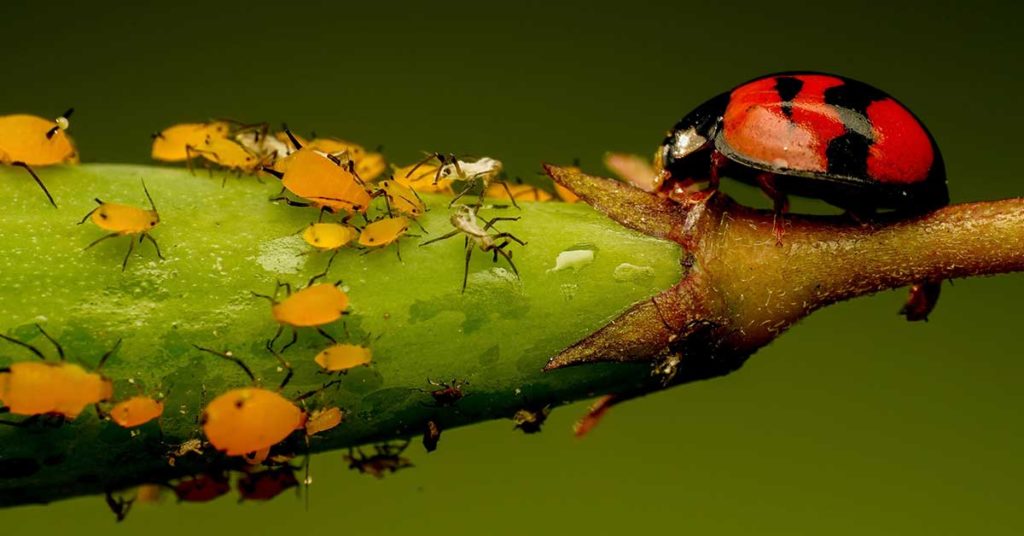
Companion planting is a strategic way to attract a diverse range of insects, including the prey that mantises rely on for food. By interplanting species that naturally lure aphids, caterpillars, and other small pests, you create an abundant food source that encourages mantises to frequent your garden. I’ve experienced how pairing plants like marigold, cosmos, and even certain herbs can lead to a flourishing mini-ecosystem where mantises are drawn to the area for a convenient feast. These companion plants not only support natural pest control but also add a burst of color and fragrance to your landscape!
The beauty of companion planting is that it enhances the overall biodiversity of your garden without the need for chemical interventions. The plants chosen often have complementary growth habits—some attract pollinators, while others repel harmful pests—creating a dynamic balance that supports the natural behaviors of mantises. By fostering a rich environment full of prey, you effectively encourage mantises to become the natural, mobile pest controllers in your garden. This harmonious arrangement not only reduces pest pressure but also turns your garden into a thriving, self-regulating ecosystem!
Cultivate a Diverse Garden Ecosystem
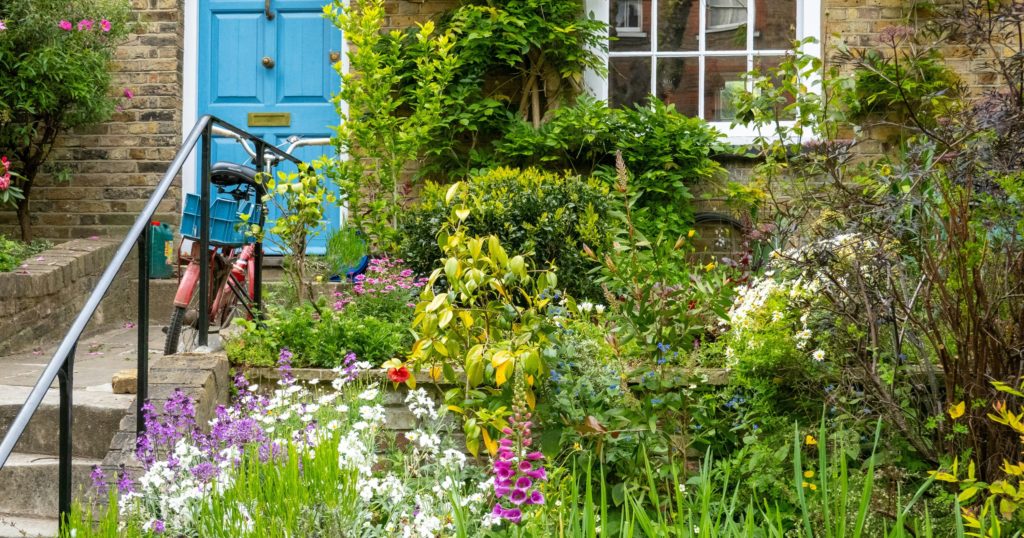
A diverse garden ecosystem is key to attracting praying mantises and ensuring they thrive as part of your natural pest control strategy. By incorporating a wide range of plants—from flowering annuals and perennials to aromatic herbs and even ornamental grasses—you create multiple niches that support different insect populations. I’ve seen how a well-planned, varied garden can become a veritable haven for beneficial insects, with mantises taking advantage of the abundant prey and natural cover. A diverse ecosystem encourages natural nesting behaviors and creates a balanced, resilient environment that keeps pest populations in check!
Diversity in your garden also helps buffer against environmental stresses, such as drought or pest outbreaks, by ensuring that no single species dominates the landscape. Many of the plants in a diverse garden have evolved alongside local mantis populations, creating a natural synergy that supports both growth and natural pest control. This multifaceted approach not only enhances the beauty and functionality of your garden but also leads to a more sustainable and self-regulating system. Embracing diversity is truly the secret sauce to turning your garden into a thriving, mantis-friendly haven!