
Most people are reasonably good at keeping their bathroom clean. Surfaces get wiped, the toilet gets scrubbed, and the soap dispenser gets refilled. What tends to slip through the cracks, though, is something more subtle: the items we use every single day that quietly become less effective, or even a little gross, long before we think to swap them out.
Some of these replacements have a direct impact on your health. Others are simply about not sabotaging the very routines you rely on to feel clean. Either way, the timeline is almost always shorter than most people expect.
1. Your Toothbrush
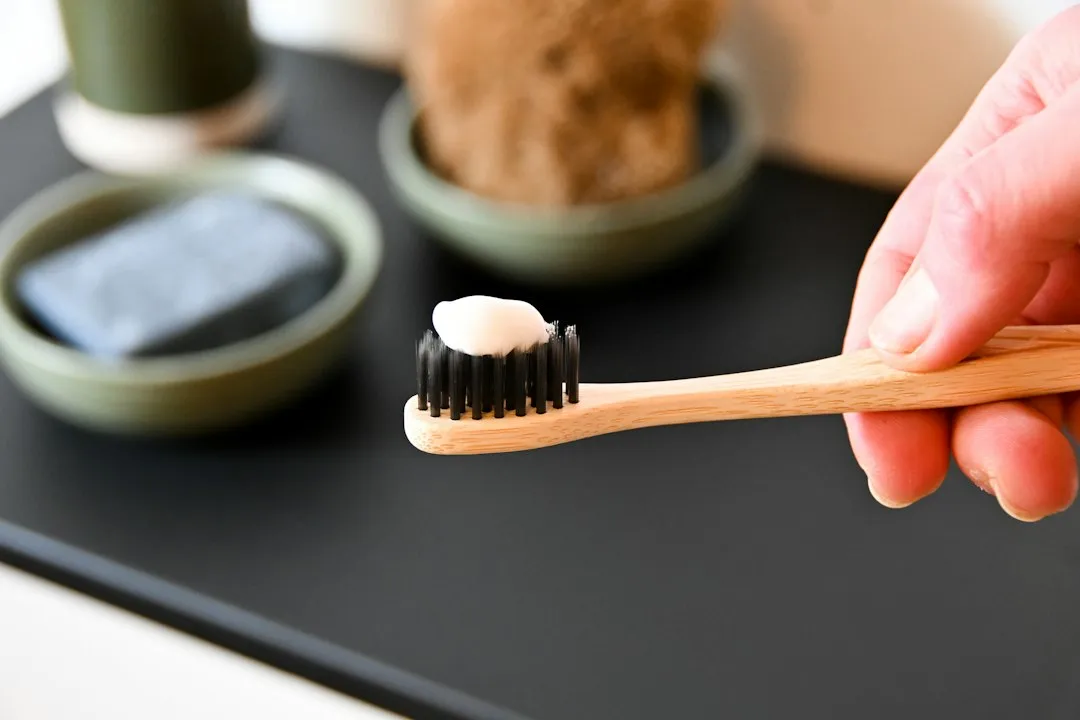
The American Dental Association recommends replacing toothbrushes every three to four months, or sooner if they show visible signs of damage. That window applies to both manual brushes and the replaceable heads on electric models.
Experts say the primary reason to replace your toothbrush frequently is because it loses effectiveness. The bristles wear out, and with harder brushing, they become frayed or bent or splayed. As they become worn out, they become less effective at removing plaque from tooth surfaces, especially at the gum line.
According to the American Dental Hygienists’ Association, three out of four patients do not switch their toothbrushes as often as they should. One practical trick: link the swap to the change of each season, and it becomes nearly impossible to forget.
2. Your Shower Loofah or Bath Sponge
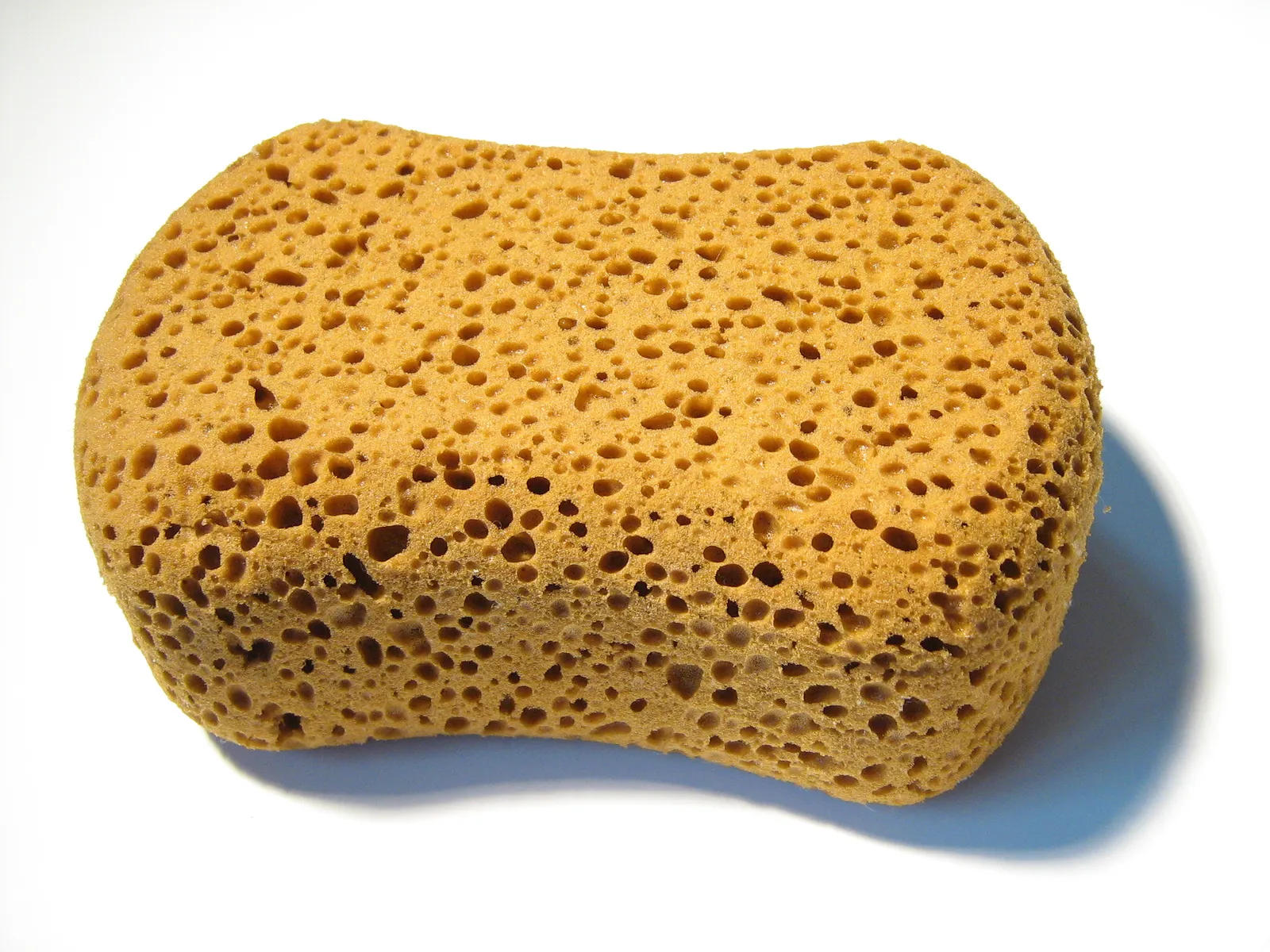
A study published in the Journal of Clinical Microbiology found loofahs made from natural products to be a breeding ground for microorganisms that can cause irritation or infections. The warm, damp conditions of a shower mean there is virtually no drying-out period between uses.
To minimize the risk of harmful bacterial growth, a loofah made from natural products should be replaced approximately every three to four weeks. If you are using a synthetic sponge or loofah, you should replace that about every six to eight weeks, because synthetic material is less prone to bacterial growth than natural material.
A 1994 study in the Journal of Clinical Microbiology documented gram-negative bacteria like Pseudomonas and Klebsiella colonizing loofahs and transferring to skin during use. The fiber structure traps water deep inside layers that don’t dry out between showers, and that sustained moisture creates ideal conditions for microbial growth.
3. Your Razor Blades
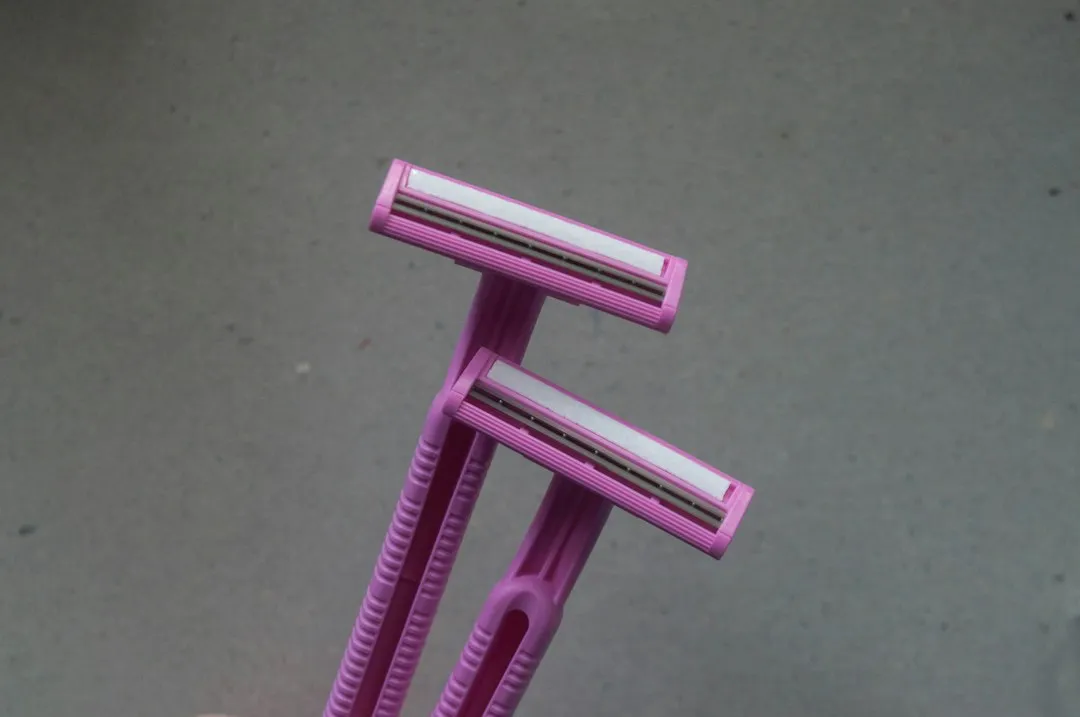
Studies have found a disposable razor can hold as much as five million colony-forming units of bacteria. On top of that hygiene concern, a dulled blade simply does a worse job and increases the risk of skin irritation.
Typically, a decent razor blade should last from five to ten shaves before you need to dispose of it. A general rule of thumb is to replace your razor blade every one to two weeks if you shave every day, every two to three weeks if you shave every other day, and every four to six weeks if you shave twice a week.
Razor blades are made of metal, and metal rusts in a humid environment. Dull, dirty blades can cause nicks, ingrown hairs, and rashes. If your blade is tugging rather than gliding, that is already past the point of replacement.
4. Your Bath Towels
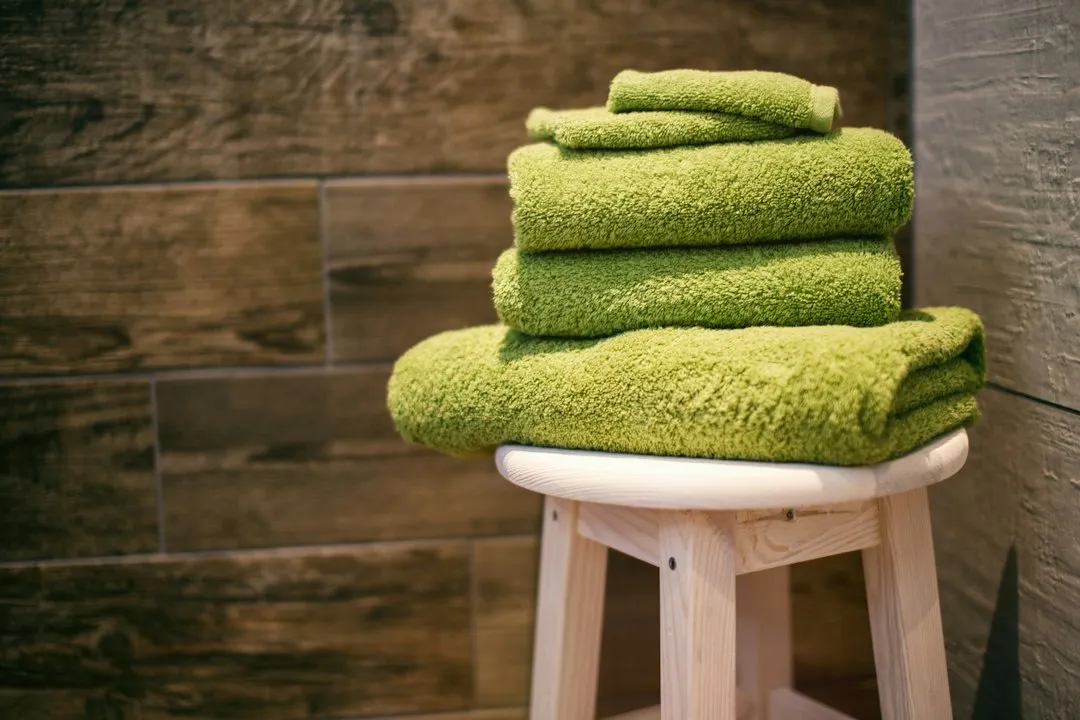
On average, bath towels should be replaced every two years. Over time, constant washing and use wear down the fabric, reducing its absorbency and softness. That said, how quickly a towel degrades depends heavily on washing frequency and water quality in your area.
If your towel has a musty smell that doesn’t go away after washing, it is a sign of bacteria buildup. Hand towels are used multiple times a day and can harbor bacteria and dirt more quickly than bath towels. It is advisable to replace hand towels every one to two years.
A hand towel, which is used many times a day and often shared, should be changed every two to three days to help avoid the spread of germs. A washcloth, since it touches your face and sensitive areas directly, should be replaced even more often, every one to two days, to prevent bacteria buildup and keep your skin healthy.
5. Your Shower Curtain and Liner
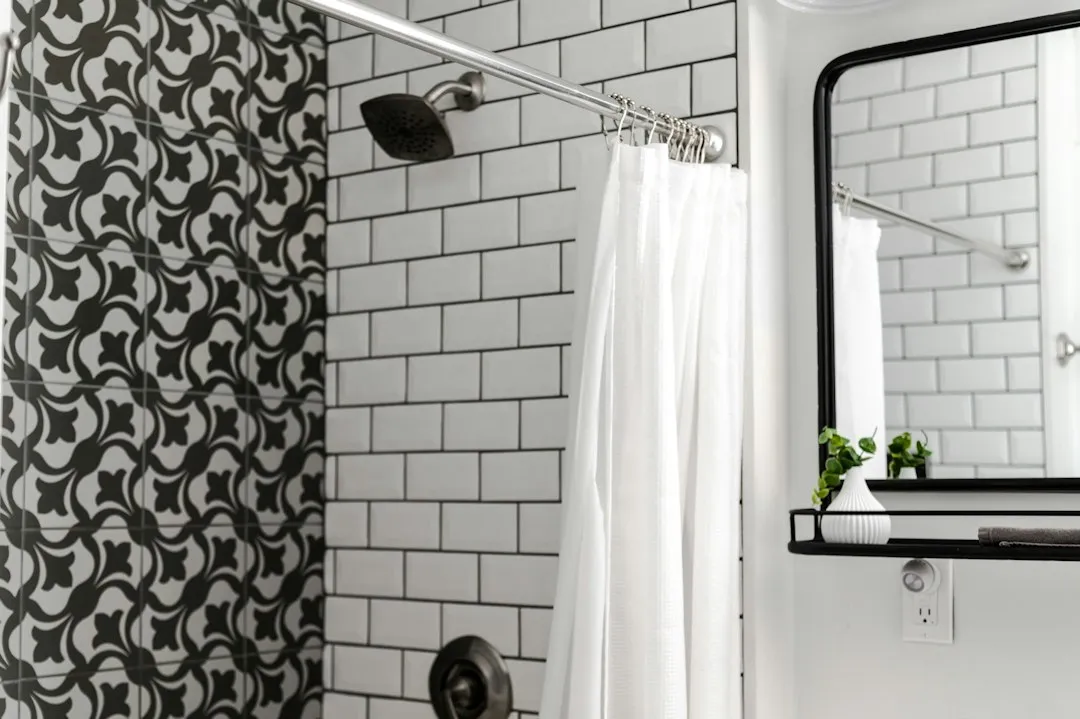
Shower curtains can accumulate mold, mildew, and soap scum over time, compromising their appearance and hygiene. The liner, which sits closest to the water, tends to deteriorate even faster than the decorative curtain itself.
Clean your shower curtains and liners monthly in the washing machine or by soaking them in detergent in the tub. This will help keep unsightly and unhygienic mildew at bay, but eventually microbial growth will win out in a humid environment. Replace your shower liner every six months.
Keep a clean and fresh bathroom environment and replace your shower curtain every six to twelve months, depending on its condition and level of use. Discoloration, a persistent sour smell, or visible mold patches are all signs that washing is no longer enough.
6. Your Toilet Brush
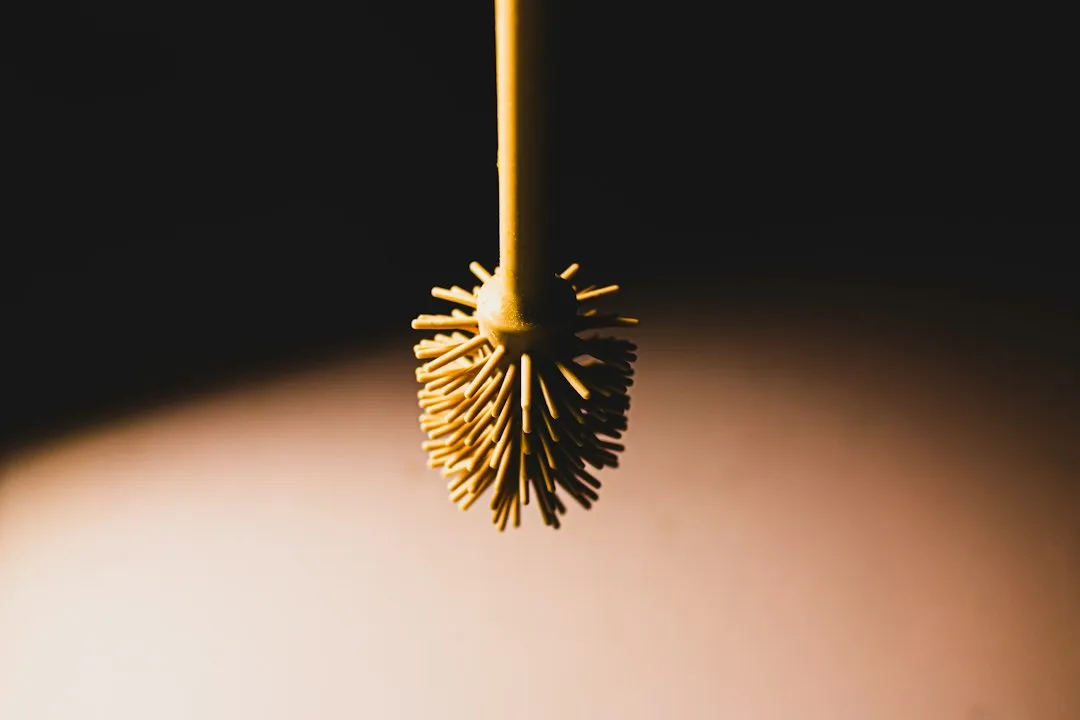
Toilet brushes are essential for keeping the toilet bowl clean but can become breeding grounds for bacteria if not cleaned regularly. Using a disinfectant weekly ensures that the brush remains hygienic. Over time, the bristles can wear out and become less effective at cleaning, and if the brush shows signs of fraying, discoloration, or emits an unpleasant odor, it is time to replace it.
Experts recommend changing your toilet brush every six months, or sooner if the bristles begin to look worn or damaged. Most people hold onto them far longer than that, largely because it is one of those tasks nobody wants to think about.
Silicone toilet brushes harbor less bacteria and are easier to clean than bristle brushes. If you want to extend the gap between replacements, switching to a silicone version is worth considering.
7. Your Bath Mat
Bath mats are constantly exposed to water, making them susceptible to mold and bacteria. Washing them weekly helps to eliminate dirt and bacteria, ensuring a clean surface for your feet. Despite regular washing, bath mats can start to deteriorate and lose their non-slip properties, and if they develop persistent odors, show wear and tear, or become difficult to clean, it is time to replace them.
Single and two-person households can use the same bathmat for a week at the most, while larger families should change them out every two days to reduce the risk of bacterial and fungal issues. Get a brand-new one every two years, or sooner if you notice tears, odors, or a loss of grip.
A bath mat that has lost its grip is not just unhygienic, it is a genuine safety issue. Non-slip backing degrades with repeated washing, and replacing a worn mat is a straightforward way to prevent bathroom falls.
8. Your Hairbrush and Makeup Brushes
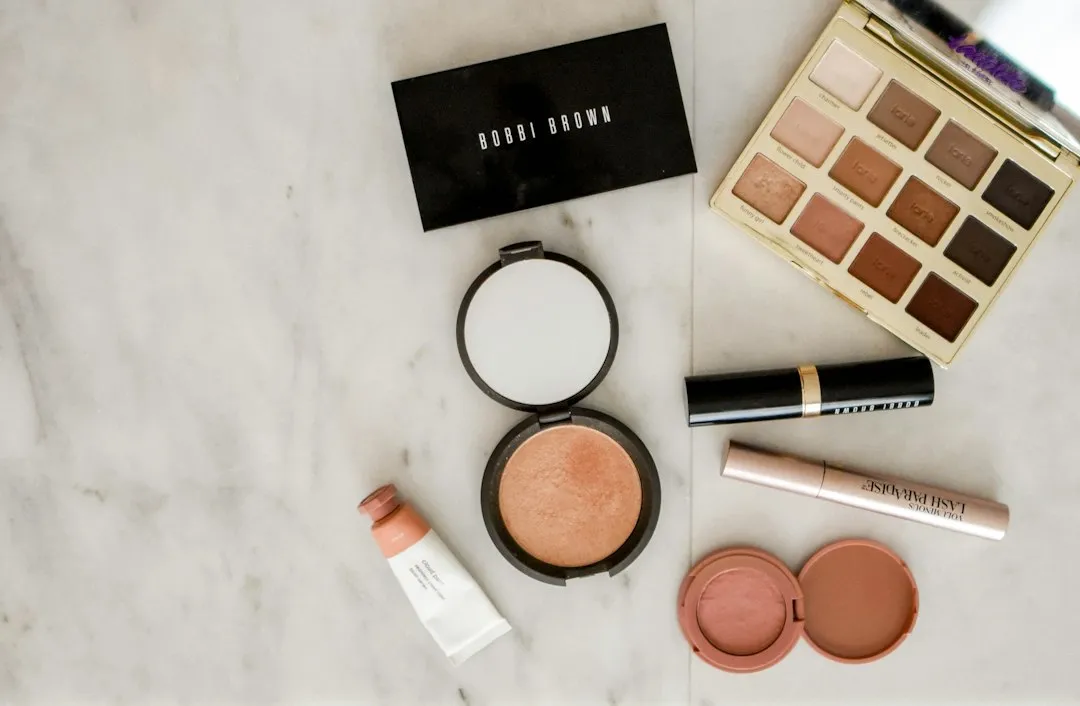
The lifespan of a hairbrush varies widely and depends on how much you brush your hair, styling products used, and the health of your scalp. Deep-clean your hairbrush every month by removing any hair and cleansing it with warm water and a little shampoo or mild soap. Replace inexpensive plastic or rubber brushes every six to twelve months and high-quality boar-bristle brushes every two years.
We use makeup brushes full of bacteria directly on our faces, near eye openings and other infection-prone areas, so you should toss even well-maintained brushes multiple times a year. Experts recommend replacing makeup brushes every three months, and makeup sponges should be replaced even sooner.
Replace your makeup brushes every six to eight months to avoid any facial irritation, and be sure to clean makeup brushes and sponges regularly during this time, too. If bristles are shedding, sponges are tearing, or there is any persistent discoloration after washing, replace them right away regardless of the timeline.
The Takeaway
None of these replacements require a lot of time or money, but skipping them adds up in ways that affect both hygiene and the effectiveness of your daily routines. A frayed toothbrush does not clean your teeth properly. A months-old loofah may be depositing bacteria rather than washing it away. A dull razor blade does more harm than good.
The simplest approach is to tie each replacement to a calendar marker: a season change, a monthly reminder, or a note in your phone. Once the habit is set, it stops feeling like maintenance and becomes automatic.
Your bathroom is the one place in your home that is entirely about feeling clean. It makes sense to ensure the tools inside it are actually doing their job.
AI Disclaimer: This article was created with the assistance of AI tools and reviewed by a human editor.