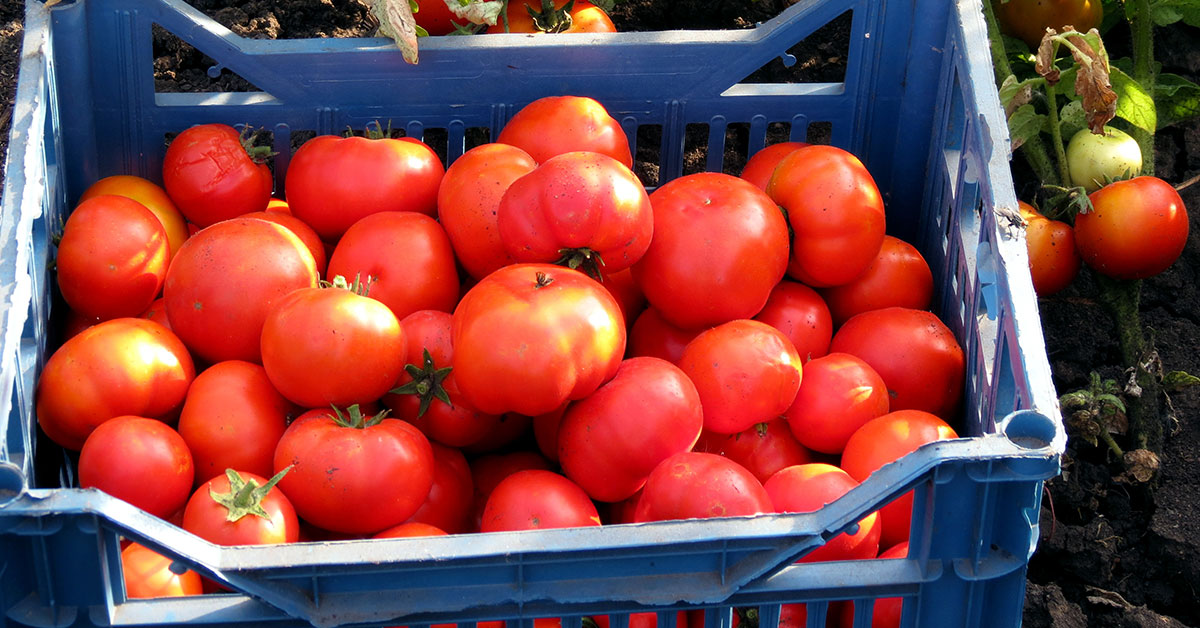

It’s one of the best moments of summer—stepping out into your garden and plucking a perfectly ripe tomato straight from the vine. But if you’re anything like me, you’ve probably hovered over your tomato plants trying to figure out if today is the day. Harvesting too early leaves you with lackluster flavor, while waiting too long can lead to splitting or rot. And I totally get the anxiety—it’s such a bummer when you’ve put in all that effort and the fruit goes mushy or tasteless because the timing wasn’t quite right!
Tomatoes, native to western South America and now a beloved staple in gardens worldwide, are generally not invasive but can reseed prolifically in warm climates. With their lush foliage and sweet fragrance, tomato plants also attract a variety of garden visitors, like bees and even some nesting birds if left bushy enough! So let’s talk about the subtle (and not-so-subtle) signs that your tomatoes are truly ready to harvest. I’m going to walk you through the real-world indicators I use in my own garden—no guesswork needed.
The Fruit Gives Easily to a Gentle Tug
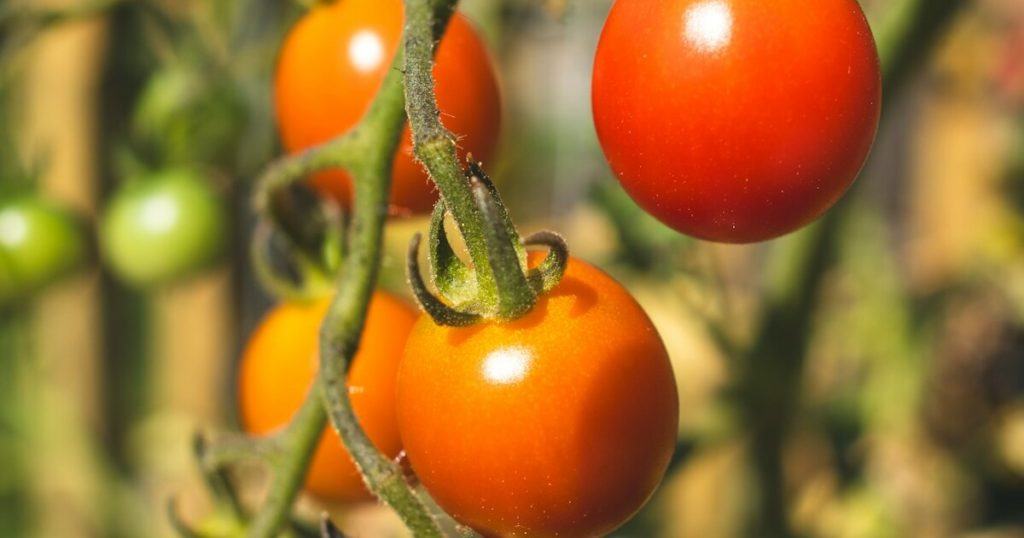
This one is a game changer. If you reach out to a tomato and it practically falls into your hand with just the gentlest twist, it’s almost certainly ready. Ripe tomatoes have a natural abscission layer at the stem that helps them detach easily once they’re mature. If you’re tugging and the fruit fights back, it probably needs another day or two on the vine.
I know how tempting it is to try and rush it, especially when you’ve been eyeing that plump red fruit for days. But I promise—if you wait until it yields without effort, you’ll be rewarded with a more flavorful and fully developed tomato. This method is especially useful with indeterminate varieties, which can be a bit unpredictable in their ripening patterns.
It Has a Glossy, Almost Translucent Sheen
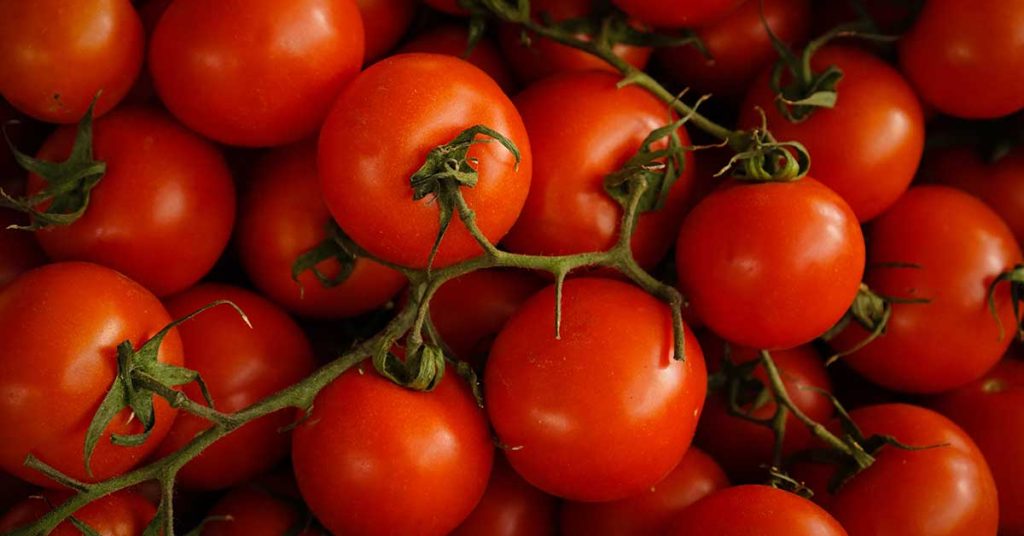
When tomatoes are in their prime, their skin changes from dull to shiny—it’s subtle, but it makes a difference! This glow isn’t just a visual treat; it’s an indicator that the sugars and juices inside are peaking. I like to call it the “tomato glow,” and once you’ve seen it, you won’t miss it again.
Keep in mind that overripe tomatoes can also look shiny, but they’ll usually have some softness and cracking. A glossy but firm tomato is your sweet spot. This sheen varies depending on the variety—cherry tomatoes tend to shine earlier, while beefsteaks take longer to get there. It’s all part of the thrill of learning your plants’ unique behavior!
The Bottom Has Fully Colored
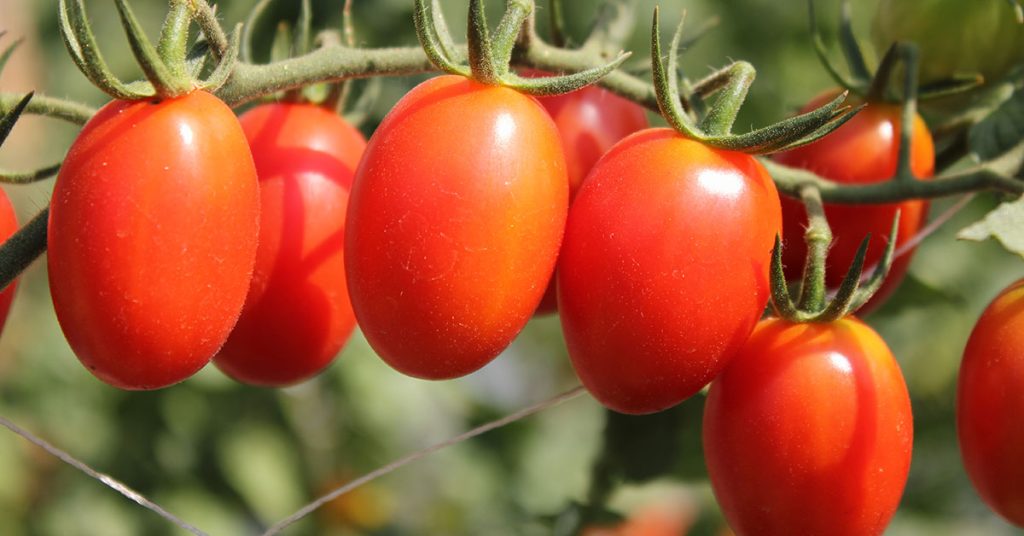
Tomatoes don’t always ripen from top to bottom at the same pace. Often the “shoulders” near the stem will stay green or slightly yellow longer than the base. But when the bottom of the fruit is fully the color it’s supposed to be—deep red, orange, yellow, or even purple depending on the type—that’s a great cue it’s time to harvest.
I’ve made the mistake before of picking tomatoes that were beautiful on top but still green underneath. The flavor was okay, but not spectacular. Letting the bottom ripen fully means the plant has pumped more sugars and nutrients into the fruit, making for a richer and more balanced taste. It’s definitely worth the extra wait!
The Fruit Feels Firm, But Not Hard

One of the most reliable ways to tell if a tomato is ready is by feel. A ripe tomato should have just a little give when you squeeze it gently—like pressing on the pad of your thumb. If it’s rock hard, it’s not ready. If it’s overly soft or feels hollow, it may be overripe or spoiled.
There’s a fine line here, and I know it can be tricky. That’s why I suggest checking the fruit at different stages over the course of a few days. Once you get a feel for what a ripe tomato feels like, it becomes second nature. This touch-test is especially helpful in late summer when you’re harvesting daily and need to make quick calls!
The Smell Is Strong and Sweet at the Stem End
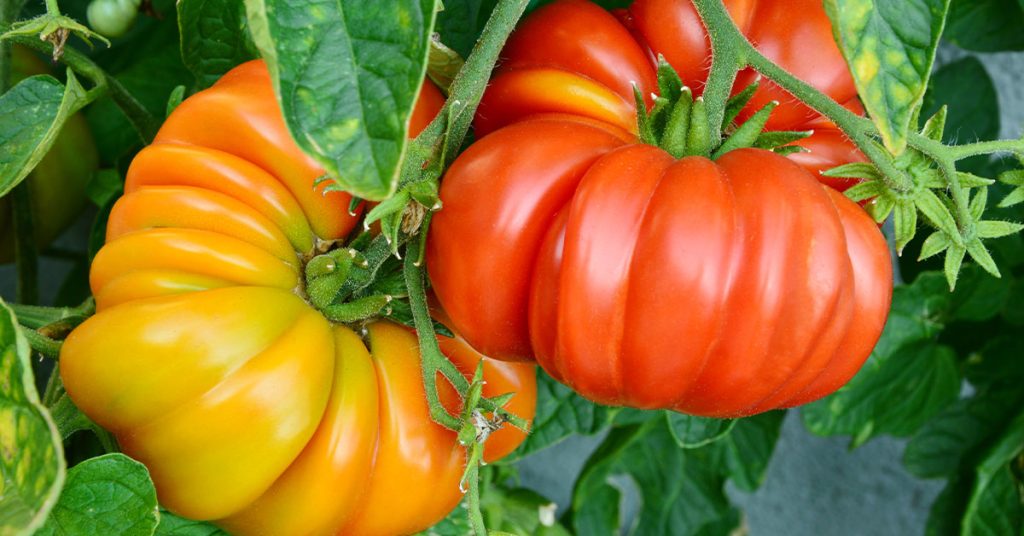
Tomatoes don’t just look and feel ripe—they smell ripe too! Give the fruit a quick sniff near the stem. If it has that deep, rich, unmistakably tomatoey aroma, you’re likely holding a winner. This is especially noticeable in heirloom varieties, which tend to have more pronounced fragrances than supermarket hybrids.
The scent comes from volatile compounds that intensify as sugars accumulate and ripening progresses. If it still smells grassy or has no scent at all, it’s probably not ready yet. This little sniff test is my favorite tip to share with new gardeners—it’s low effort and surprisingly effective!
You Notice a Deep, Even Color All Over

It might seem obvious, but I can’t overstate how important full coloration is. Many tomatoes start off green and slowly blush into their final hue. But a ripe tomato will have consistent coloring all around, without any patches of green or streaks. That even tone is your green light!
Now, there are exceptions. Some heirloom types, like Green Zebra or Cherokee Purple, are meant to be variegated or dusky in tone. In those cases, learn the mature coloration for that specific variety. Trust me, once you start noticing those subtle shifts in shade, it becomes such a satisfying part of your harvest routine.
The Days Since Flowering Match the Expected Maturity Range
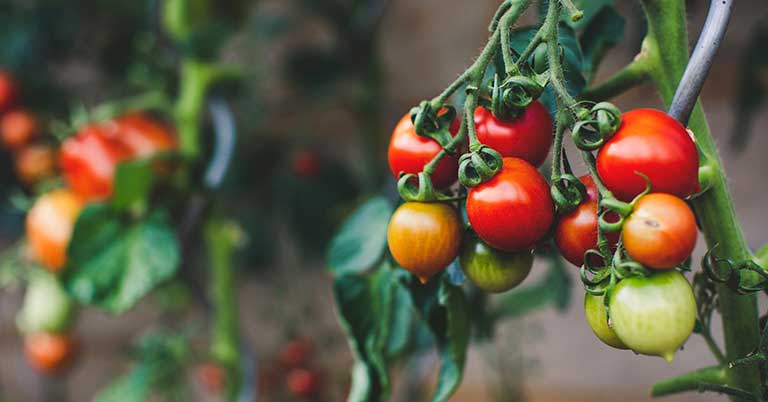
If you’re someone who likes numbers and planning (and I totally get that!), you can use days-to-maturity as a helpful reference point. Most seed packets will give you a range—like 70-85 days from transplanting to harvest. Keep track of when the flowers first opened, and you’ll have a pretty reliable countdown to go by.
This method isn’t foolproof, especially with fluctuations in weather or water, but it’s a great way to predict when you should start checking for other signs. If your variety says 75 days and you’re on day 80, it’s time to step up your daily inspections and get that harvest basket ready!
Birds or Bugs Are Suddenly Interested
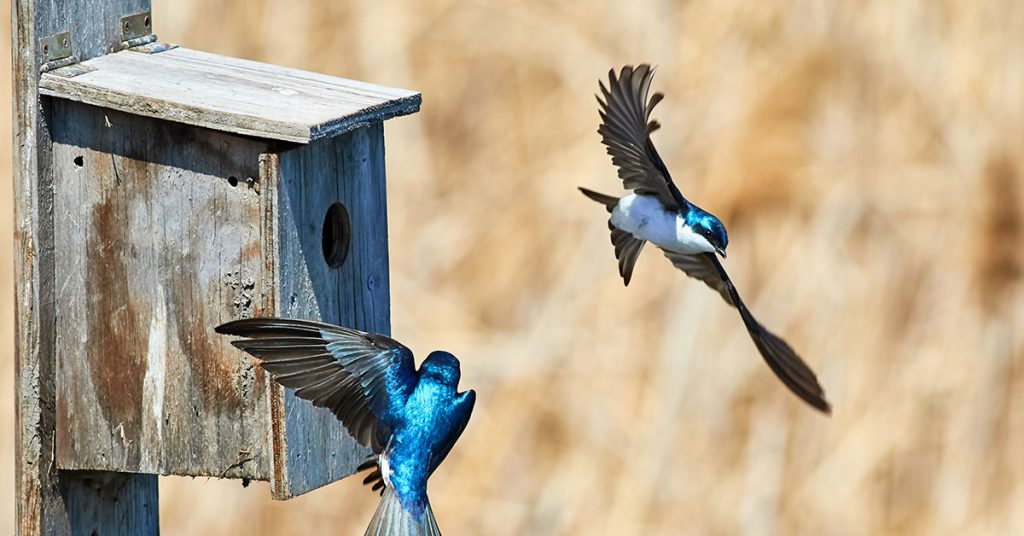
Here’s a funny one that’s unfortunately very true: when your tomatoes are ready, the critters will know. If you start noticing pecks, nibbles, or new bug visitors hovering around the fruit, it’s a strong clue that ripeness is near. It’s incredibly frustrating to lose tomatoes this way, so don’t ignore this signal!
While tomatoes themselves aren’t invasive, the plants do attract a diverse crowd—from pollinators earlier in the season to pests and opportunistic wildlife later on. In my garden, the birds always beat me to the cherry tomatoes unless I harvest them as soon as they blush. If your local wildlife is getting bold, that’s nature’s nudge to pick today.