

Spring always fills me with the excitement of new growth and the opportunity to nurture my garden with nature’s own remedies. Over time, I’ve discovered that nothing quite compares to organic compost—it’s like feeding your plants with pure, living energy! Unlike chemicals or synthetic fertilizers that sometimes leave behind unwanted residues, organic compost enriches your soil naturally, ensuring that each seedling can develop into a robust, thriving plant. Not only does it dramatically improve the health of your garden, but it also attracts beneficial organisms, creates a balanced ecosystem, and supports the environmental sustainability that every gardener strives for.
I know how discouraging it is when pests take over your garden or when plants struggle to flourish despite heavy inputs of manufactured nutrients. It’s such a bummer when high-maintenance synthetic products do more harm than good, leaving you with stressed, nutrient-deprived soil. That’s why I’m excited to share these 8 compelling reasons to embrace organic compost as your fertilizer of choice! Get ready to dive deep into the natural magic that turns every garden bed into a thriving, biodiverse haven where nature’s own processes work tirelessly to produce spectacular blooms and bountiful harvests!
Enriching Soil Microbiology

Organic compost is a powerhouse of beneficial microbes, fungi, and bacteria that work together to create a nutrient-rich, living soil ecosystem. When you incorporate compost into your garden, you’re essentially creating a natural laboratory where microorganisms break down organic matter, transforming it into easily accessible nutrients that feed your plants. I’ve observed in my own garden how a compost-rich bed teems with life—tiny worms tunneling through the soil, beneficial bacteria clinging to organic fragments, and even mycorrhizal fungi extending their networks to support plant roots! This natural synergy is something no chemical fertilizer can replicate.
With organic compost, the process is not just about raw nutrients, but about sustainability and longevity. As the compost continues to decompose, it creates a self-renewing system that keeps the soil fertile season after season, ensuring strong plant growth and improved resilience against disease. This vibrant soil ecosystem also attracts beneficial insects and even encourages small critters to nest in the humus-rich environment, making your garden a lively, balanced retreat. The dynamic energy of organic compost transforms each gardening day into a celebration of nature’s own remarkable innovations!
Improved Nutrient Availability
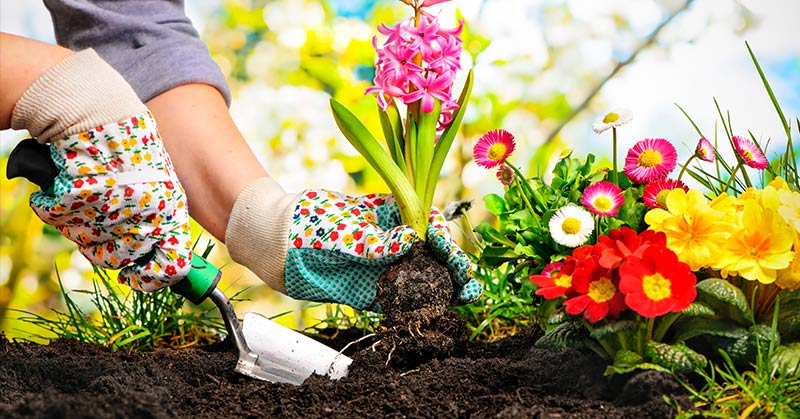
One of the greatest strengths of organic compost is its ability to release nutrients gradually, which helps support steady, healthy plant growth over time. Instead of the rapid spike—and subsequent crash—that often comes with chemical fertilizers, compost provides a slow but steady nutrient flow that aligns with your plants’ natural growth cycles. I remember the joy of watching my tomato vines flourish after switching to compost; each leaf and fruit was a testament to the power of balanced nutrition that organic matter provides. This careful, sustained nourishment is precisely what makes compost a gardener’s best friend!
In addition to fostering growth, the gradual nutrient release from compost helps prevent the buildup of chemical residues in the soil. Plants grown in such an environment tend to develop stronger root systems and greater disease resistance, ensuring that every harvest is as delicious as it is nutritious. When your garden thrives naturally, it signals a harmonious relationship between the soil and its inhabitants, from the tiniest microbes to the friendly foragers that visit your blooms. It’s a process that transforms your soil into a dynamic, living resource—one that continuously evolves to meet your plants’ needs!
Enhanced Soil Structure and Water Retention
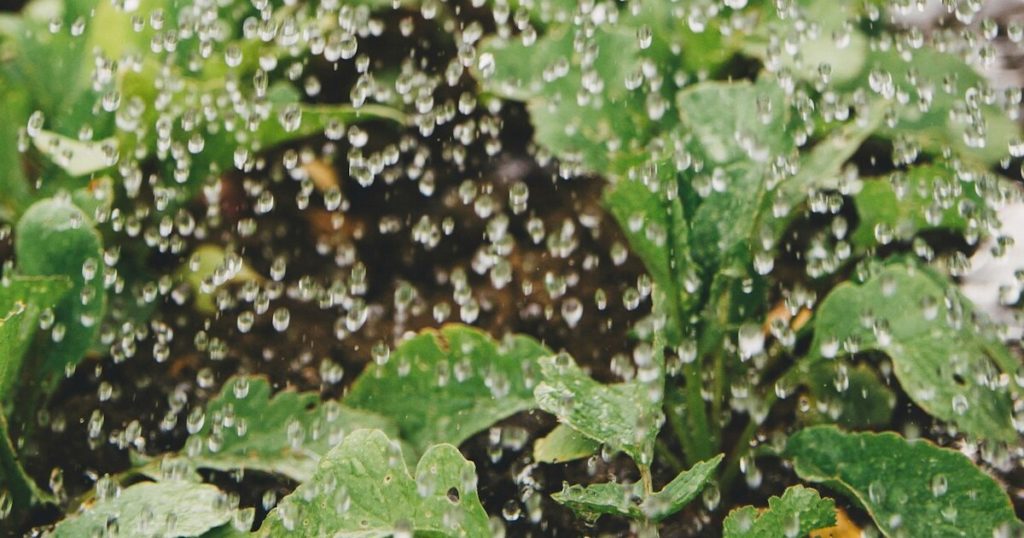
Organic compost plays a critical role in improving soil structure, creating a light, crumbly texture that encourages strong root growth. I have found that incorporating compost into heavy clay soils can completely transform them, making the ground more porous and better aerated. This not only facilitates drainage but also helps the soil to retain moisture, ensuring that plants are consistently hydrated during dry spells. The natural structure provided by compost creates an ideal environment where roots can spread out freely and capture the nutrients they need, turning your garden into a resilient sanctuary of growth.
The benefits of enhanced water retention extend beyond merely saving time and effort in irrigation—healthy soil with good moisture retention also supports a thriving ecosystem of micro-organisms and worms. These little helpers contribute to aeration and further break down organic matter, enriching the soil continuously. Their presence can even attract predatory insects, which help control unwanted pests naturally. For any gardener seeking a low-maintenance, water-efficient garden, organic compost is an absolute game-changer that turns every drop into a building block for robust plant life!
Natural Weed Suppression
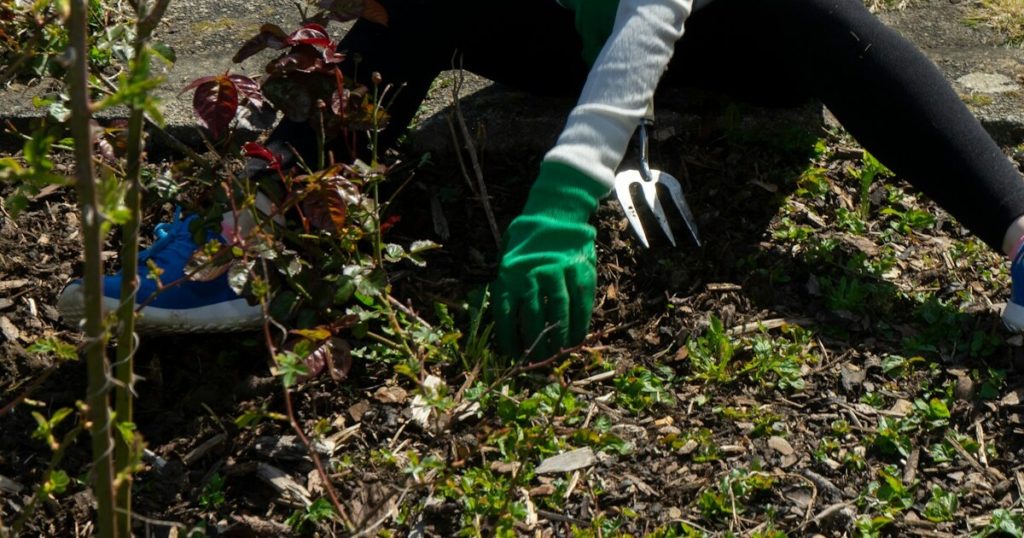
Using organic compost in your garden can also help naturally suppress weeds, reducing the competition for essential nutrients and water. When you mulch with compost, you create a thick, protective barrier that smothers weed seeds and prevents them from germinating. I’ve experienced firsthand how a well-mulched garden bed, rich in organic matter, significantly curtails weed growth without resorting to harsh chemicals. This means less time pulling weeds and more time enjoying a lush, vibrant garden that’s in harmony with nature!
Beyond physical suppression, the benefits of compost extend to bolstering the health of your established plants, which in turn can outcompete stray weeds. Healthier, stronger plants are better equipped to shade out weeds naturally, further reducing their capacity to thrive. The gradual nutrient release and improved soil structure create an environment where the desired plants take center stage, while unwanted invaders are kept at bay. It’s a win-win approach that nurtures your garden while keeping the workload minimal and the ecosystem balanced!
Attraction of Beneficial Insects
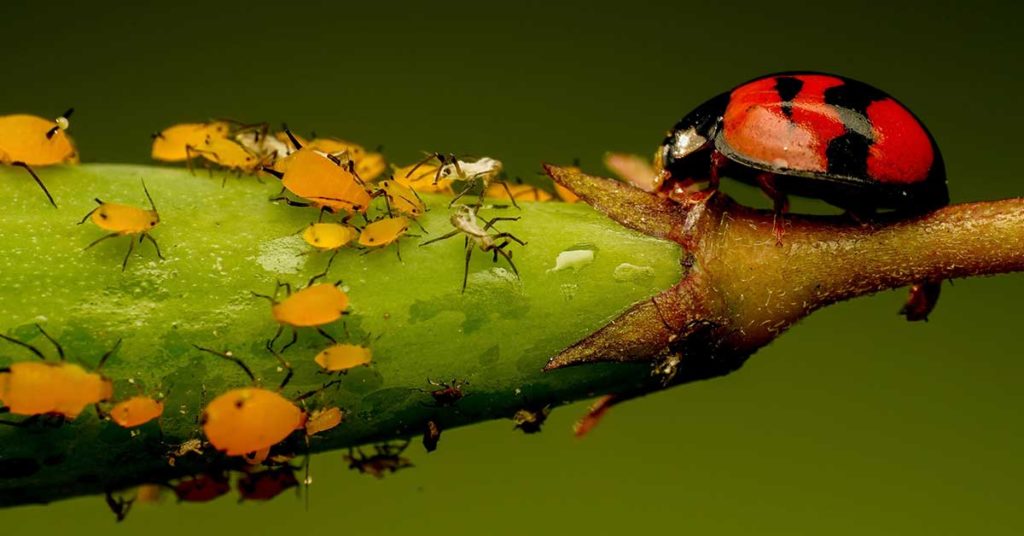
Organic compost is not only beneficial for plants—it also attracts an incredible array of beneficial insects that are crucial for a healthy garden. The rich, organic matter in compost draws in earthworms, which aerate the soil and create channels for water and nutrients to circulate. Meanwhile, the microbial activity in compost sends out chemical signals that entice beneficial insects like ladybugs, lacewings, and even certain types of parasitic wasps, all of which play a role in keeping pest populations under control. I find that a compost-enriched garden is like a lively social club where every organism has a part to play in maintaining balance and productivity!
Additionally, these beneficial insects often set up temporary nests among the organic debris and mulch, further contributing to a robust, self-sustaining ecosystem. When the garden buzzes with these tiny life forms, it’s a sure sign that your soil is fertile and teeming with natural energy. This dynamic environment not only supports the immediate health of your plants but also lays the groundwork for long-term ecological stability. Every time I see the flutter of a butterfly or the gentle scuttle of a friendly beetle amidst my compost beds, I’m reminded of how organic methods invite a vibrant, interconnected world into my garden!
Reduced Chemical Residue and Environmental Impact

One of the biggest advantages of using organic compost is that it eliminates the need for harsh chemical fertilizers, which can leave behind long-term residues in the soil. Synthetic fertilizers, while offering a quick nutrient boost, often disrupt the natural microbial balance and can lead to environmental issues such as water pollution from runoff. I’ve witnessed how switching to organic compost has not only improved the overall health of my garden but has also significantly reduced my reliance on chemical inputs. The transition to compost-based nutrition means you’re feeding your plants with pure, natural materials that work in concert with the environment!
By choosing organic compost, you’re also making a conscious decision to support sustainable gardening practices that are gentle on our ecosystem. Unlike synthetic options that often have a short-lived impact, compost enriches the soil in a lasting, natural way. This low-impact approach helps maintain the delicate balance of local flora and fauna, ensuring that beneficial insects, earthworms, and even birds can continue to thrive without the interference of toxic chemicals. It’s a profound step toward cultivating a healthier planet—one garden at a time!
Cost-Effectiveness and Long-Term Benefits

For many gardeners, the decision to use organic compost is not only an environmentally conscious choice but also a practical one. Over time, the benefits of compost far outweigh its costs, especially when you consider the long-term improvements to soil fertility and plant health. I’ve often found that investing in quality organic compost leads to more vigorous plants and higher yields, saving money on additional fertilizers and reducing the need for continuous soil amendments. The cycle of natural decomposition creates a self-replenishing system that supports vibrant growth year after year!
What’s even more rewarding is the feeling of knowing you’re contributing to a sustainable cycle that benefits your garden and the surrounding environment. Organic compost transforms your garden into a thriving ecosystem where every element—from micro-organisms to leafy plants—works together to create a resilient, living network. This lasting investment in soil health not only bolsters your immediate harvests but also ensures that your garden remains productive and beautiful for generations to come. In the end, there’s nothing quite as satisfying as reaping the rewards of sustainable, cost-effective gardening practices!
Supporting Organic Gardening and Biodiversity

Using organic compost is at the heart of organic gardening, and this method supports a richer, more diverse ecosystem both above and below the soil. Instead of relying on synthetic fertilizers that can disturb natural processes, compost nurtures the delicate balance of nutrients and micro-organisms that plants have thrived on for centuries. Many of the plants in my garden are native to regions where organic matter dominates the soil—this connection to natural abundance is restored when I use compost. Not only does it bring your garden closer to its organic roots, but it also encourages local biodiversity by supporting a complex network of life!
Integrating organic compost into your gardening routine creates an environment where native species, beneficial insects, and even small vertebrates can flourish. I’ve noticed an increase in native wildflowers and a delightful variety of insects in my garden since I made the switch. This enhanced biodiversity naturally leads to stronger plant resilience and improved overall garden health, as every organism plays a role in a balanced ecosystem. The beauty of organic compost lies in its ability to foster a living, breathing garden that sustains itself naturally—an inspiring example of how thoughtful, nature-based practices can transform our outdoor spaces!