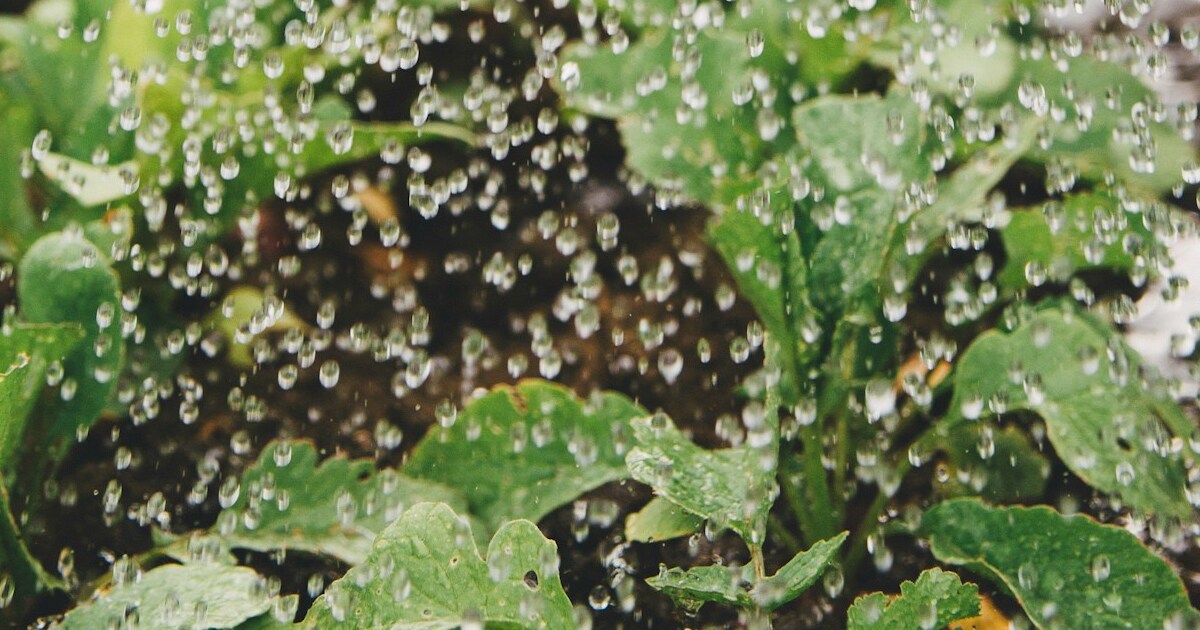

I know how tempting it is to grab a kettle and douse those stubborn weeds with boiling water—it feels fast, chemical‑free, and almost therapeutic to watch them wilt! But as an enthusiastic gardener who’s tried just about every hack under the sun, I’ve learned the hard way that this “easy” trick comes with a host of unexpected problems you’ll want to avoid.
It’s such a bummer when you discover that your soil looks like a baked brick or that your precious earthworms have vanished overnight. In this article, I’m excited to share eight compelling reasons why boiling water is more trouble than it’s worth—complete with insights on native soil dwellers, invasive troublemakers, and the critters that make your garden thrive. Let’s dive in and keep your garden healthy for the long haul!
Ineffectiveness on Deep‑Rooted Weeds
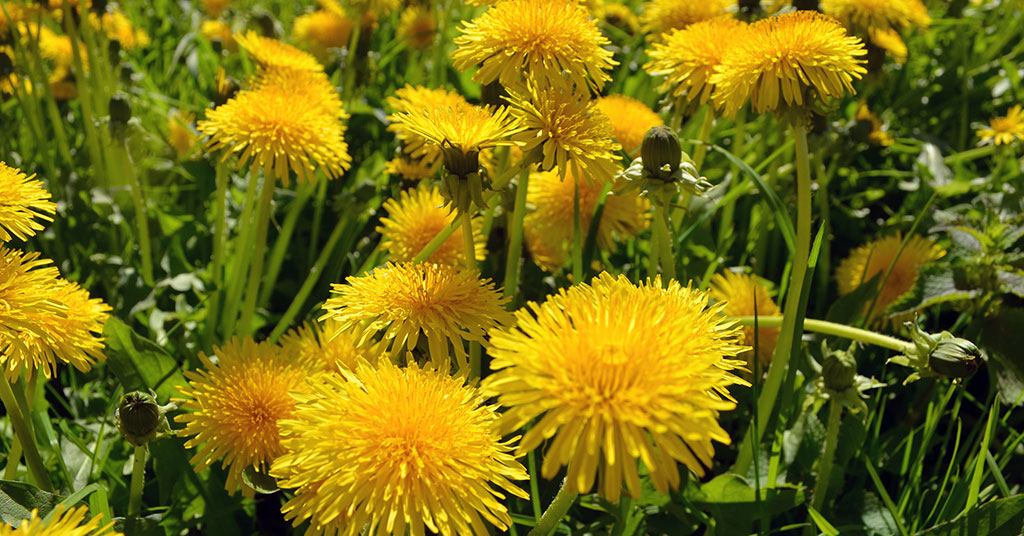
Dandelions (Taraxacum officinale) are native to Eurasia and now colonize lawns everywhere, tapping into deep‑burrowing roots over a foot long. A quick scald may brown their surface leaves, but the stubborn taproot often survives to send up fresh shoots. It’s like playing whack‑a‑mole with nature!
One afternoon I thought I had conquered the dandelion patch—only to find new crowns popping up days later. It wastes your time and energy, leaving you stuck in a rinse‑and‑repeat cycle rather than actually removing the root.
Non‑Selective Nature Hurts Biodiversity
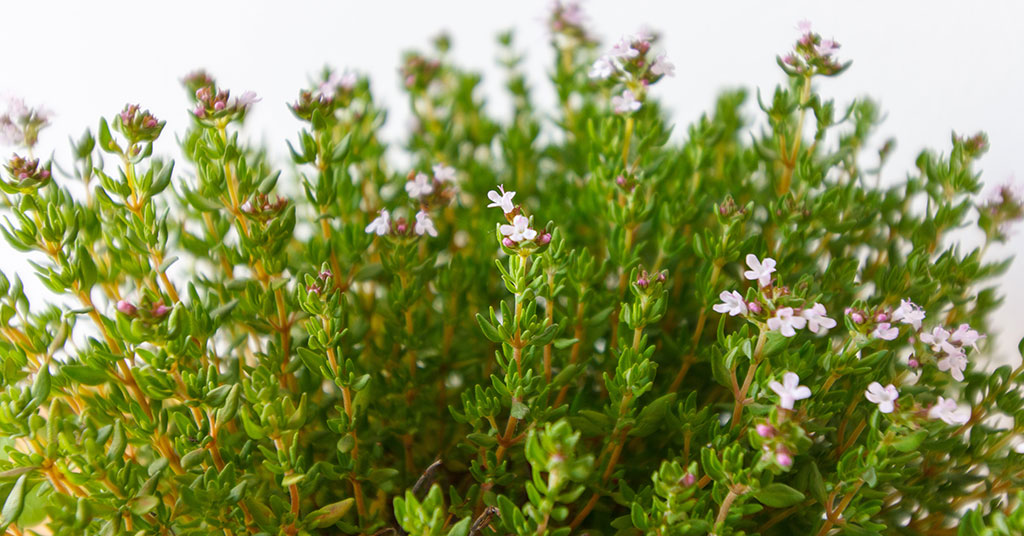
Your garden is home to delightful groundcovers—like creeping thyme, which isn’t invasive but attracts nesting ground bees with its fragrant blooms! Boiling water doesn’t discriminate; it’s going to scorch whatever it touches, leaving bare soil where beneficial plants once thrived.
That loss of plant diversity invites fast‑spreading invaders, making weed management even harder down the road. Embrace mulching or hand‑weeding to protect and encourage the variety that keeps your garden balanced.
Damage to Desirable Plants and Ground Covers
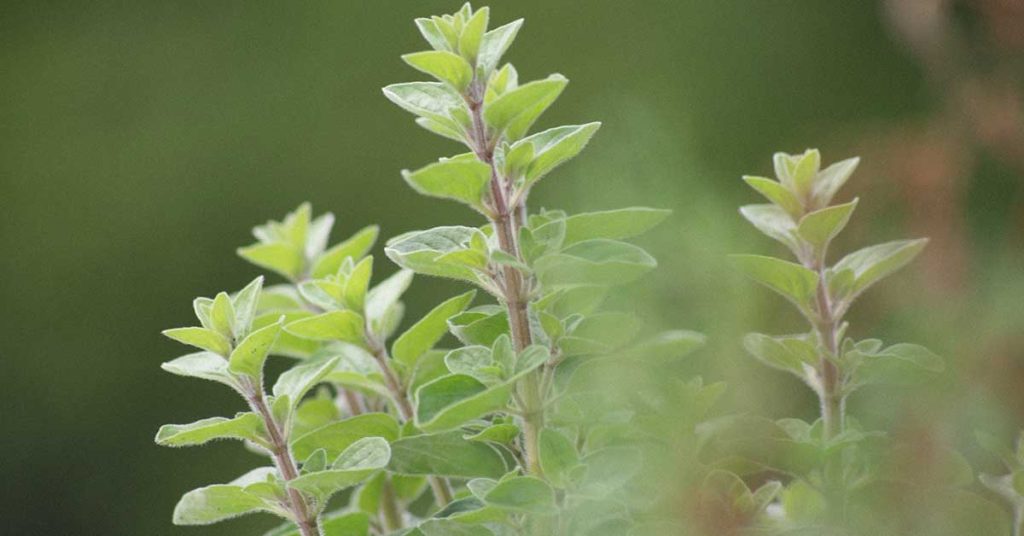
Imagine aiming for a patch of crabgrass and accidentally hitting your young oregano seedlings. Oregano, though native to the Mediterranean and invasive in some climates, is a hardy culinary favorite—yet it can’t withstand a sudden blast of heat. Overnight, those tender leaves blacken and wilt.
I know how heartbreaking it is to nurture transplants only to lose them in a single mis‑pour. Gentle methods like spot‑treating with eco‑friendly herbicides or careful hand‑pulling spare your beloved ornamentals and herbs from collateral damage.
Increased Soil Erosion
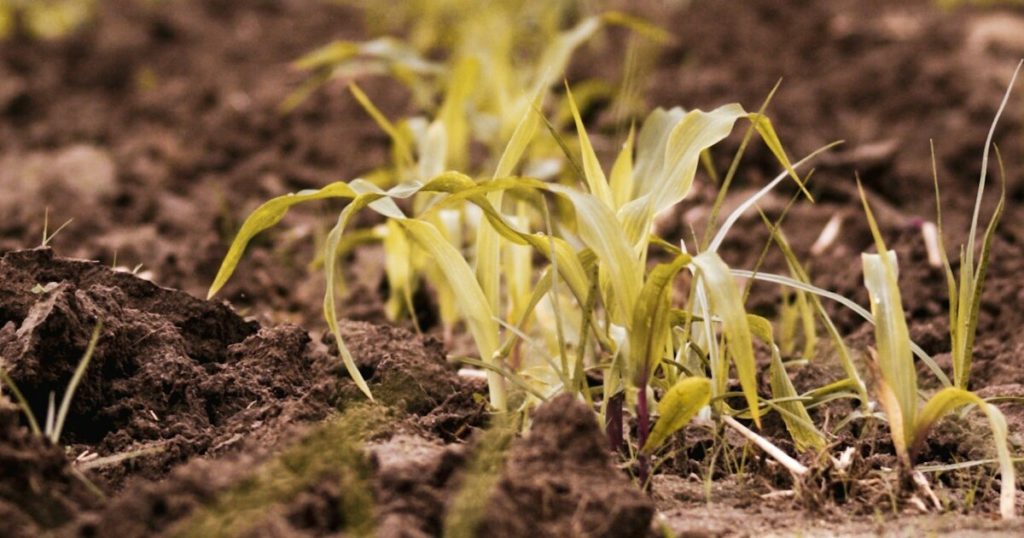
Scalding water dislodges loose topsoil, and the next rain can wash that nutrient‑rich layer downhill. Bare, eroded patches become prime real estate for fast‑growing weeds to take root, turning one problem into many.
A friend of mine spent weeks re‑seeding eroded strips along her garden path after scalding them. By contrast, laying down straw mulch or using a hoe to loosen weeds helps maintain soil integrity and keeps everything in place for the plants you actually want.
Alteration of Soil Structure and Nutrient Balance

Repeated heat treatments can cause clay soils to clump and silt‑heavy beds to crust over, hindering water infiltration and root growth. You may also leach soluble nutrients like nitrogen and potassium, leading to hungry plants that sulk instead of flourish.
I’ve watched my pepper plants shrug at watering time in soil that felt like concrete—only to recover once I rebuilt the bed with compost and gentle weeding. Keep those essential microbes and nutrients intact by choosing methods that preserve the life in your soil!
Threat to Beneficial Insects and Nests
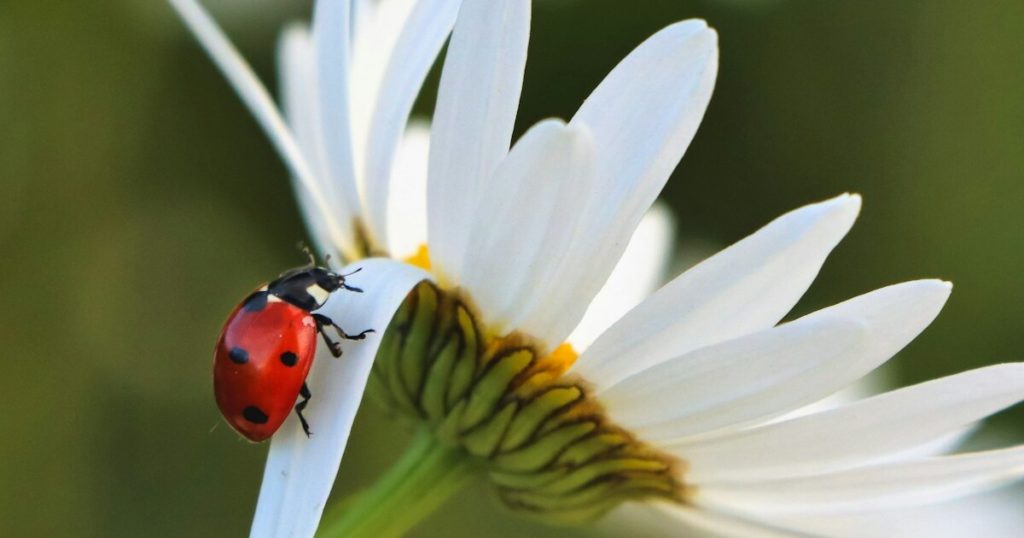
Many native pollinators—like ground‑nesting miner bees—and predatory beetles tunnel just beneath the surface. A stream of boiling water can flood or collapse their tunnels, wiping out future generations of these helpful insects.
I love watching ladybugs patrol my squash plants, but I almost stopped seeing them after steam‑scalding a broad swath. Protect your garden’s little helpers by using hand tools to pry out weeds around their nesting spots instead.
Energy and Resource Waste

Boiling water for every sidewalk crack or raised bed patch guzzles gas or electricity—and your time. For a more sustainable approach, invest that energy into enriching soil with compost or planting dense groundcovers that naturally suppress weeds.
I’d much rather watch my compost pile turn kitchen scraps into black gold than refill a kettle three times over. Small upfront investments in soil health pay off in a lush, low‑maintenance garden that practically weeds itself!
Harm to Soil Microorganisms and Earthworms

Beneath our feet, millions of bacteria and fungi break down plant debris into nutrients, while earthworms churn it all together. Native to Europe but now widespread, earthworms are vital collaborators in North American gardens—yet they’re highly sensitive to sudden heat spikes.
One boiling‑water experiment left my soil lifeless and compacted, almost like a sterile laboratory dish. To keep these underground allies thriving, stick to cooler methods like pulling weeds by hand or using mulch to smother unwanted growth.