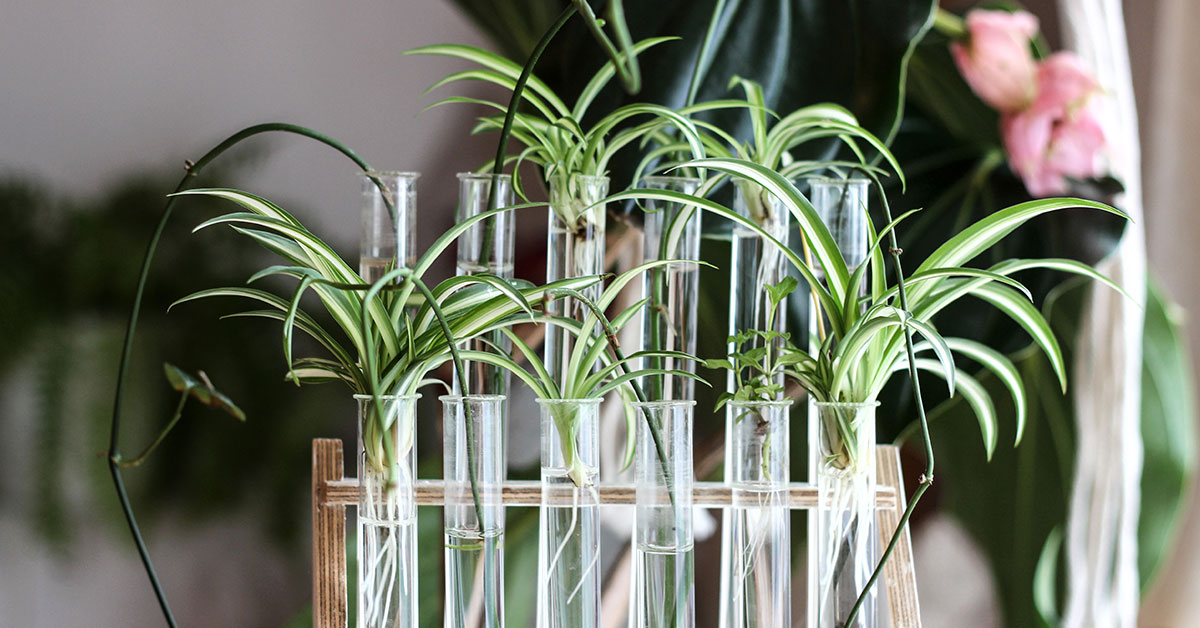

August is that magical stretch of summer when our indoor jungles burst with vitality—and spider plants (Chlorophytum comosum) are no exception! It’s such a bummer when plantlets get so heavy they weigh down the mother rosette, but right now is prime time to snip those little offshoots. With long days, warm air, and active growth, you’ll find propagation almost effortless—and incredibly rewarding.
Native to the forests of South Africa, spider plants spread naturally by sending out stolons adorned with tiny plantlets. While they’re not typically invasive in our homes, they do thrive in a variety of conditions—making August an ideal month to harness that vigor. Let’s dive into eight compelling reasons why now is the moment to multiply your green beauties!
Share the Joy With Friends and Family
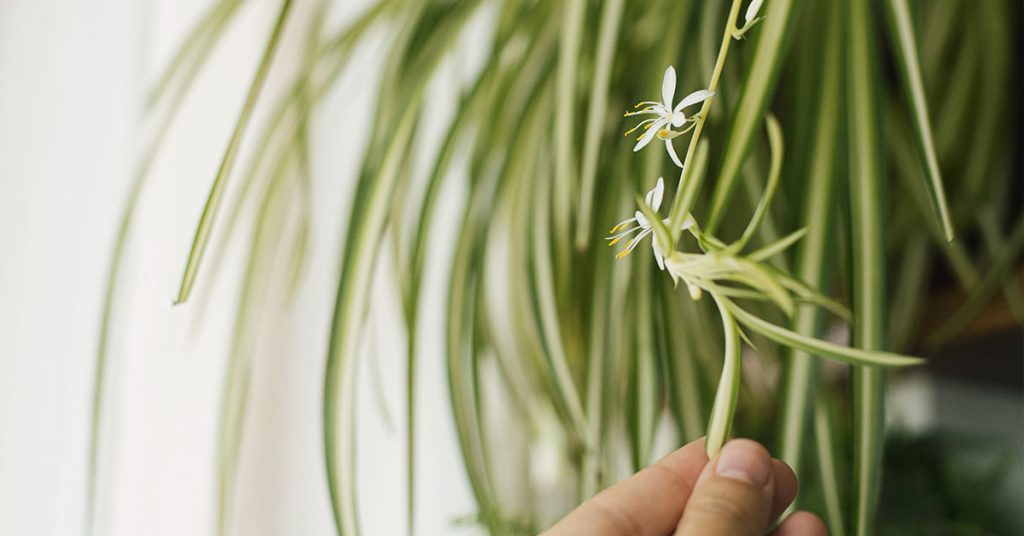
One of my favorite parts of gardening is surprising loved ones with baby plants! Spider plantlets rooted in water or soil make delightful gifts that bring a living piece of your care into someone else’s home. Watching a plant you propagated take root on a friend’s windowsill never gets old—it’s a living reminder of connection and growth!
Plus, who doesn’t love a low-maintenance houseplant? Spider plants are virtually foolproof, so your pals will feel confident caring for their new green companions. Sharing propagation also spreads sustainable gardening practices—no need to buy new plants when you’ve already got plentiful offshoots ready to go!
Rejuvenate Overcrowded Mothers
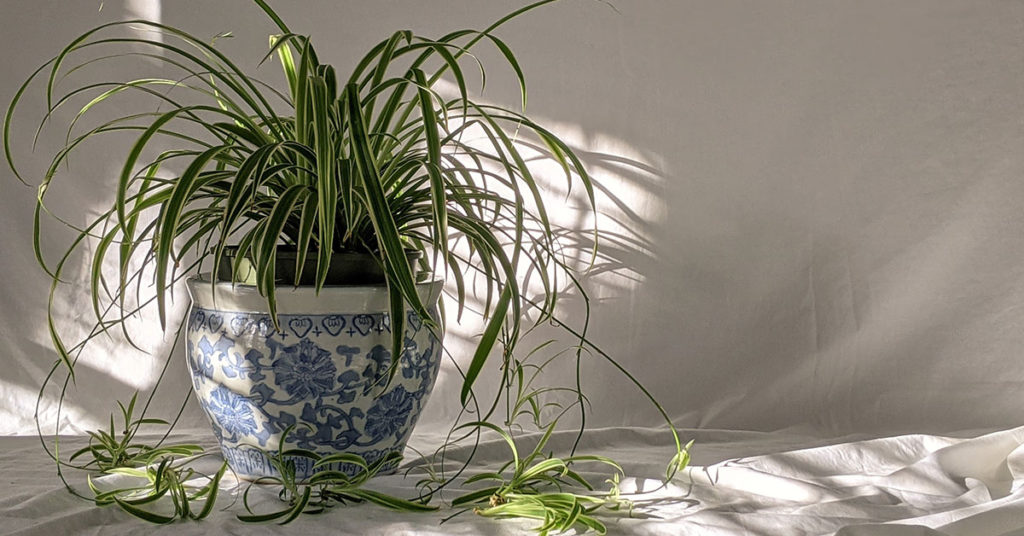
By late August, your original spider plant may look a bit congested, with plantlets tugging on every inch of soil. Dividing or removing these offsets gives the parent rosette breathing room, encouraging fresh root growth and lush new leaves. It’s amazing to see how an open-up pot transforms a tired old plant into a vibrant centerpiece again!
This thinning mimics the plant’s native behavior in South Africa, where it naturally spaces itself out on forest floors. By replicating that process indoors, you help maintain airflow around the crown—reducing the risk of rot—and keep your spider plant feeling vigorous and happy.
Maximize Air-Purifying Benefits

Spider plants rank high among houseplants for filtering indoor air pollutants like formaldehyde and xylene. Propagating in August lets you quickly scale up your plant count, boosting the overall air-cleaning capacity of your home. Imagine filling every corner with fresh, oxygen-rich foliage—it’s like having your own mini rainforest!
As a gardener, I love knowing that each new plantlet isn’t just decoration, but a hardworking partner in maintaining a healthier environment. More spider plants mean more clean air, and who wouldn’t want that extra layer of wellness in their living space?
Maintain Variegation and Select Top Offshoots
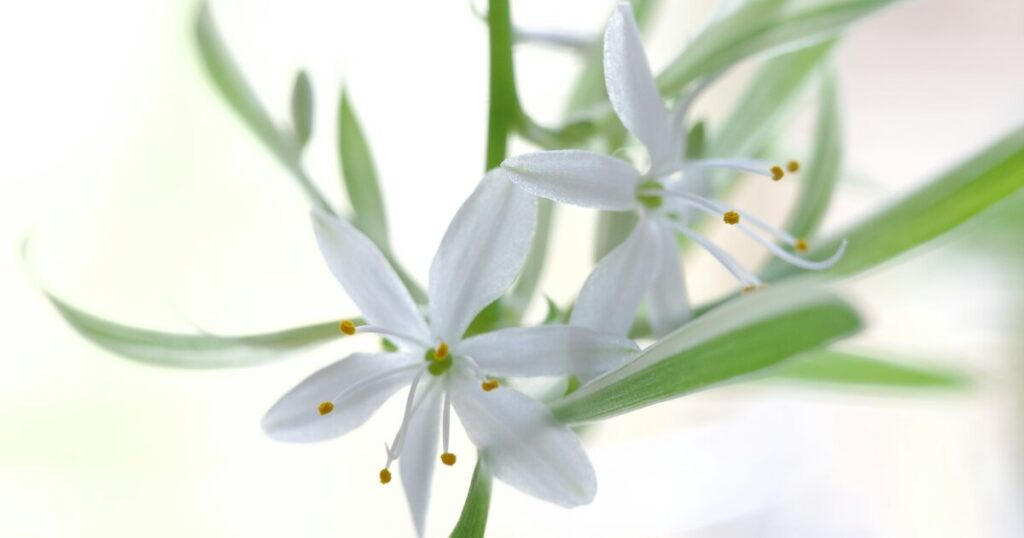
Spider plants often surprise us with varied leaf patterns—from bright green to boldly striped. August propagation lets you choose the most striking offsets to carry forward. I’m always on the hunt for those with crisp white margins or unique arching habits!
By selecting the best-looking plantlets, you ensure your next generation of spider plants dazzles with vibrant variegation. This deliberate culling also keeps your collection visually diverse and prevents less vigorous forms from overtaking the group.
Harness Peak Rooting Conditions
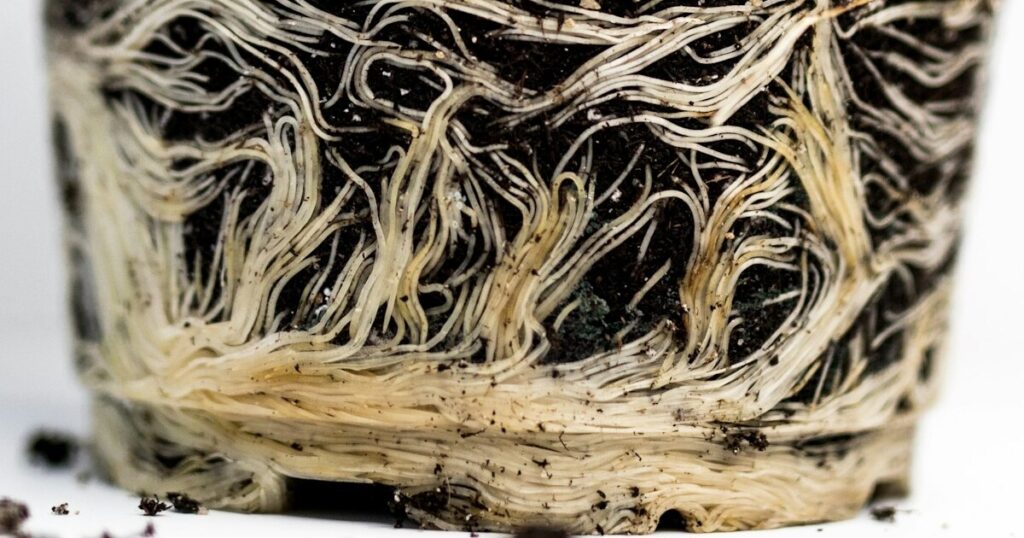
Long summer days and warm temperatures accelerate root formation, making August especially favorable for propagation. Place your clipped plantlets in a bright spot with indirect light and a warm draft, and you’ll often see roots weaving out in just a week or two!
This rapid rooting mirrors the plant’s natural preference for warm, well-aerated environments in its native South African understory. Take advantage of these optimal conditions to establish strong, healthy new specimens before the cooler months arrive.
Prevent Pests and Disease Spread

It’s such a bummer when spider mites or scale insects invade your plant’s hidden nooks! Propagation gives you a chance to inspect and start fresh with clean propagation medium. Removing offsets and repotting in sterile soil reduces pest havens and cuts down on potential fungal issues.
I always disinfect my scissors between cuts and give each plantlet a rinse before planting. This simple step helps inoculate your new plants against common problems, ensuring they grow up strong in their new homes!
Cultivate Therapeutic Hobby Time

There’s something deeply satisfying about the gentle snip of a stolon and the hopeful tingle of placing a plantlet into water. In August, when the summer rush can feel overwhelming, carving out time for propagation offers a meditative retreat. I find it’s one of the most calming rituals in my gardening calendar!
Watching those little baby roots unfurl is a powerful reminder of nature’s resilience—and it’s a confidence boost every time you witness successful establishment. Propagation isn’t just practical; it’s a mood-lifting craft that reconnects you to the seasons.
Expand Your Indoor Jungle for Free
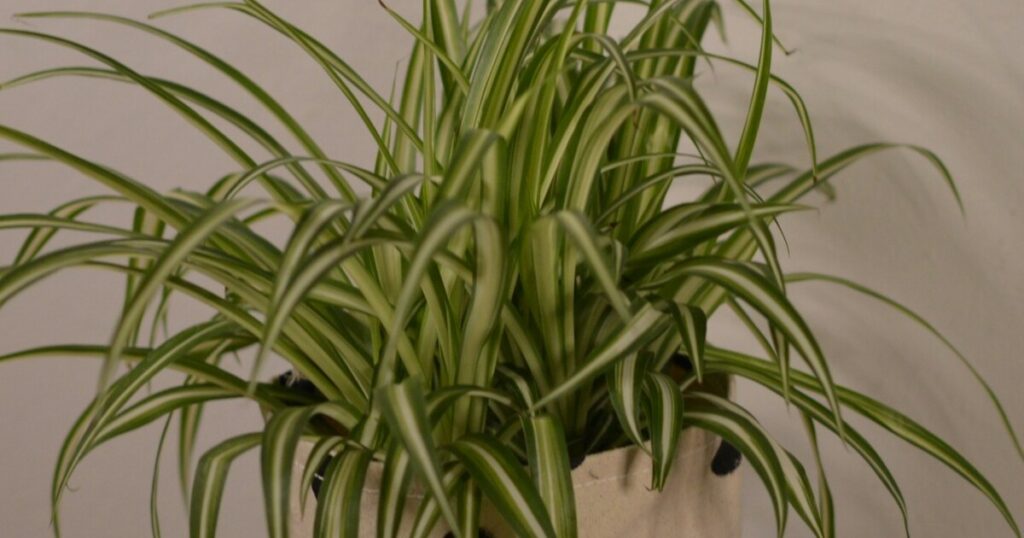
Finally, propagation is simply the thriftiest way to grow your houseplant collection! Why pay for new specimens at the nursery when your existing spider plants are literally gifting you perfect cuttings? I’ve doubled—and even tripled—my indoor jungle this way, all without spending a dime.
As an excited gardener, there’s nothing more thrilling than seeing a shelf of identical pots transform into a lush display of established greenery. Each new plantlet is a testament to the power of propagation—and a nod to sustainable gardening at its finest!