

As a gardener who cherishes every berry-picking afternoon and apple-crisp recipe, I know the joy fruit trees bring to a landscape. Yet when fruit splatters across the ground, it can quickly turn that joy into frustration. Fallen fruit left unchecked invites a cascade of problems, from diseases and pests to volunteer seedlings that steal nutrients from your prized trees. It’s such a bummer when slippery apricots or rotting pears transform the base of your tree into a sticky, mushy mess, or when you see rats scurrying beneath a canopy of dropped apples. In this article, I’ll share eight compelling reasons to diligently clean up every last piece of fruit—each section dives into the details of plant health, pest behavior, and even beneficial insect dynamics to help you understand why this simple task matters so much.
I remember one June when peaches rained down after a windstorm, and by the next morning, bees and ants had colonized every squishy spot. The sweet scent of fermentation seemed harmless until I noticed tiny wasps nesting nearby, and my neighbor’s dog slipping on rotten plums. Cleaning up fallen fruit changed that whole dynamic—lost harvests, disease spread, and rodent visitors dropped off drastically. From preventing fungal blights to promoting responsible composting, the reasons span everything you need to know to keep your orchard or backyard grove healthy and productive. So grab your gloves, a sturdy rake, and let’s dig into these ten reasons—after all, a clean orchard is a happy orchard!
Prevent Fungal Diseases And Mold

When fallen fruit decays on the ground, it often becomes a breeding ground for fungal pathogens like brown rot (Monilinia spp.) and apple scab (Venturia inaequalis). These fungi can overwinter in mummified fruit and infectious spores, ready to reinfect your trees the following year. Last season, I left a few windfall apples under my Malus domestica (domestic apple) tree and noticed brown rot spores popping up on blossoms in early spring—an unfortunate cycle that could have been avoided with timely cleanup. Removing fallen fruit reduces the “inoculum load” on the orchard floor, dramatically lowering the chance that spores will splash up onto new leaves and blossoms during rainfall.
Even fruit from trees native to certain regions—like the crabapple (Malus spp.), native to many parts of Asia and Europe—can harbor these fungal pathogens. If you let crabapples remain on the ground, they contribute to a reservoir of disease that affects nearby commercial or ornamental trees. By picking up every fallen fruit, including those blemished or partially eaten by birds, you break the disease cycle. Make sure to discard infected fruit in sealed compost bins or dispose of it in green waste programs that heat the material sufficiently; simply letting it sit at the edge of the yard only perpetuates the problem. A clean orchard floor is essential to minimize fungal disease pressure and safeguard your entire garden’s health.
Deter Pests And Rodents
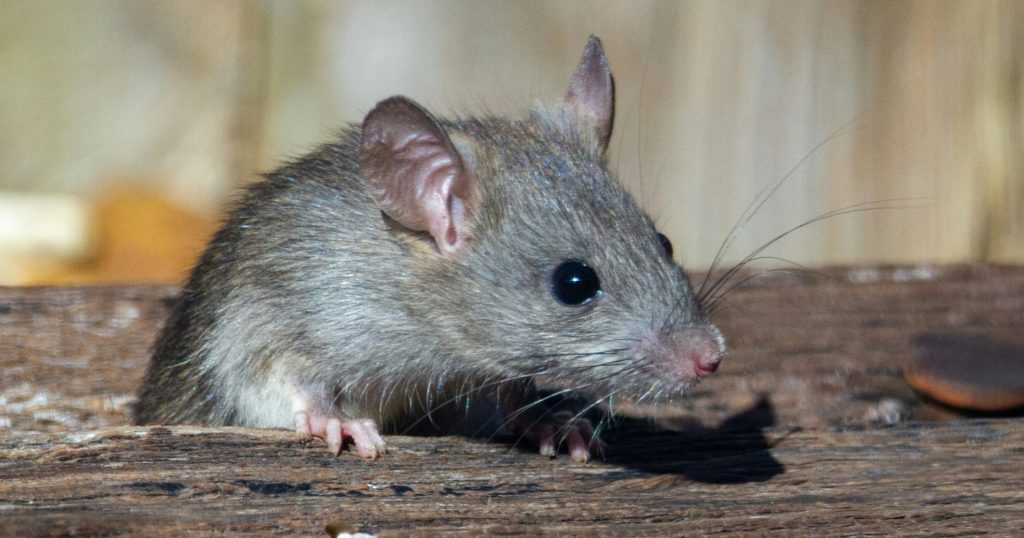
Leftover fruit on the ground becomes an all-you-can-eat feast for rodents, such as mice, rats, and voles. These critters not only gnaw on fallen cherries (Prunus avium), which are native to Europe and Asia, but they also climb trees to nibble unripe fruit and bark, causing damage that can girdle trunks. I once found voles nesting beneath a pile of rotting pears, and within days they had tunneled up to the living trees, gnawing on the roots. Not only is this a headache for tree health, but rodents also host ticks and other parasites that hitch a ride into the rest of the garden.
Insect pests like codling moths (Cydia pomonella), originally from Europe and now widespread wherever apples are grown, lay eggs on fallen apples. When larvae hatch, they bore into both decaying and fresh fruit, establishing a new generation that attacks next year’s crop. Similarly, fruit flies and blow flies seep into soft fruits, laying eggs that hatch into larvae, which lurk in the soil before emerging as adults. Removing fallen fruit promptly denies these insects an ideal breeding habitat. Even beneficial insect populations benefit—lady beetles, which prey on aphids, linger in fallen fruit but won’t lay their eggs there. Cleanup helps maintain a balanced orchard ecosystem, where pests don’t hijack resources meant for bees, wasps, and other helpful insects.
Reduce Volunteer Seedlings And Invasive Spread
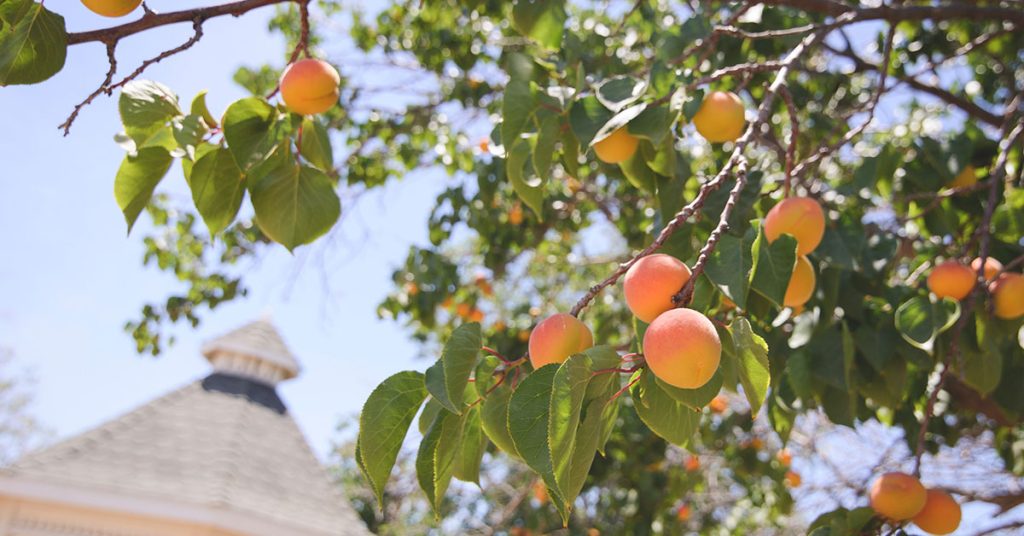
Fruit trees, such as peaches (Prunus persica), native to Northwest China, often drop fruit that contains viable seeds. When these seeds fall to the ground and sprout, they can create volunteer seedlings that compete for nutrients and water with the parent tree. I discovered dozens of tiny peach saplings sprouting beneath my mature tree last July—none of which were the same variety I had planted! Rather than a productive graft, those volunteers offered little edible fruit and a headache of transplanting or pulling them out.
In some cases, fruit from non-native or invasive species exacerbates the issue. For example, European hawthorn (Crataegus monogyna), considered invasive in parts of North America and Oceania, produces abundant pomes that, if left on the forest floor, lead to dense thickets of unwanted trees. By clearing fallen fruit promptly—especially from species known to naturalize aggressively—you prevent unintended spread. Even seeds of ostensibly non-invasive trees can lead to genetic drift or cross-breeding in your orchard. A diligent fruit cleanup routine in June and beyond ensures that desirable cultivars remain true-to-type and that you avoid an uncontrollable understory of spindly seedlings.
Prevent Attracting Unwanted Wildlife
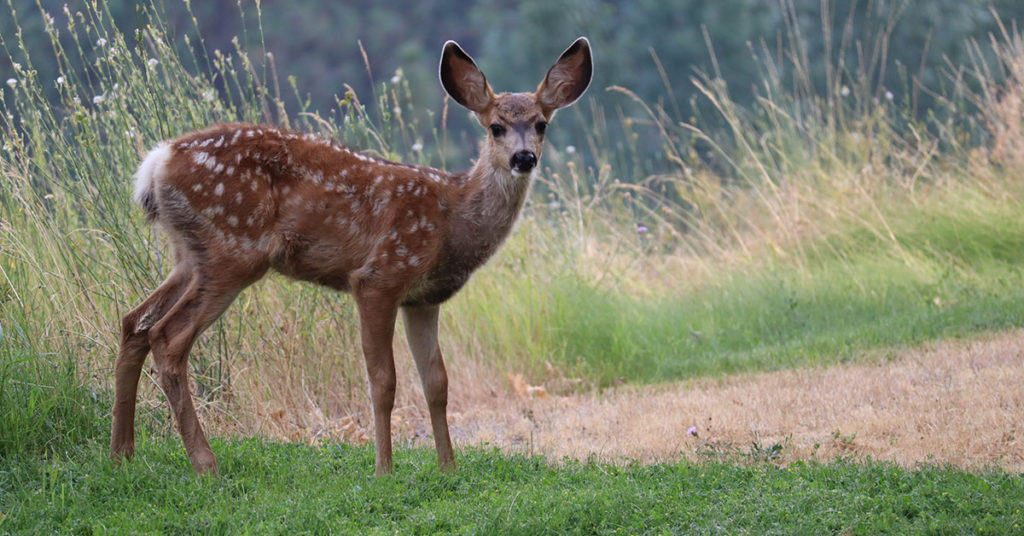
All that overripe, fermenting fruit on the ground acts like a billboard saying, “Come eat here!” Larger wildlife—raccoons, deer, and even bears—are drawn to easy meals in orchards laden with fallen fruit. When I left a pile of windfall apples under my peach tree last summer, within a week, raccoons had stripped bark from the lower trunk in frustration when they couldn’t reach the higher peaches. This not only harmed the tree physically but also attracted opportunistic predators like coyotes, which started prowling my property in search of rodents drawn by the fruit.
Deer, which nibble on fruit and bark, can transmit diseases like pear rust (Gymnosporangium sabinae) from infected fallen fruit to healthy plants. Similarly, turkeys and squirrels dig around the orchard floor, scattering soil and uprooting shallow roots in their search for fallen cherries. By clearing every piece of fruit promptly, you remove the temptation for these large foragers and minimize the risk of zoonotic disease transmission. A consistently clean orchard floor preserves the integrity of tree trunks and bark, deterring wildlife that might otherwise return night after night.
Minimize Foul Odors And Slug/Snail Problems

When fruit decomposes, it releases fermentation gases—mainly ethanol and acetic acid—that produce sour, unpleasant odors. This stench can permeate gardens and invade open windows, making outdoor relaxation less enjoyable. I certainly remember closing all my windows one July evening when the rot from my plum tree had become nearly unbearable. The aroma was so permeating that the local dumpster truck’s foul smell seemed more pleasant by comparison!
Additionally, fallen fruit acts as a magnet for slugs and snails, which feast on the soft pulp and then move on to tender seedlings. Species like the garden slug (Arion hortensis) thrive in moist, shaded conditions created by decomposing fruit. These gastropods leave behind slimy trails as they munch their way through soft flesh, and often spend their daylight hours hiding under the rotting fruit, emerging at night to feed on hostas or impatiens. By collecting and disposing of all fallen fruit, you eliminate that moist refuge, making your garden less hospitable for these slimy pests and dramatically reducing their population.
Improve Soil Health And Prevent Root Rot
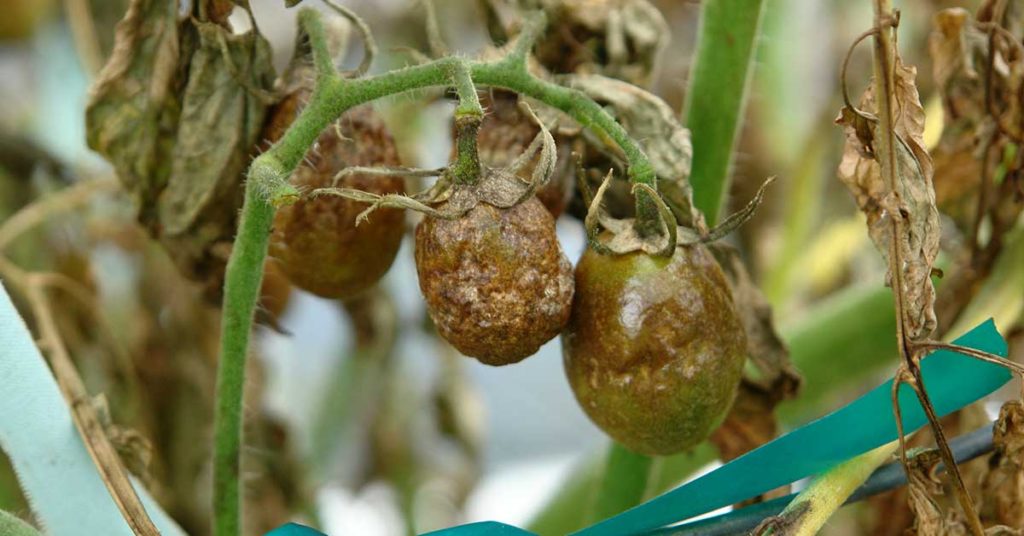
Excess sugar and acids leaching from decaying fruit can disrupt soil pH, creating imbalances that harm both beneficial microbes and plant roots. For instance, when a fallen nectarine saturates the ground, its sugars feed pathogenic fungi like Phytophthora spp., which cause root rot in many fruit trees and ornamental shrubs. Last June, after ignoring a cluster of fallen nectarines, I noticed zenobia (Zenobia pulverulenta) shrubs nearby turning yellow at the tips—an early sign of root stress. Testing the soil revealed elevated acidity, which was partially a result of the decomposing fruit.
Compacted fruit on the soil line also impairs oxygen exchange, suffocating delicate feeder roots of apple trees and other species native to temperate zones. This lack of aeration leads to water pooling and creates an ideal environment for anaerobic bacteria, which produce toxic byproducts that can kill off beneficial earthworms. When I began raking up every windfall fruit and adding a thin layer of mulch instead, the soil texture improved rapidly, allowing roots to breathe and beneficial worms to return. Consistent cleanup of fallen fruit ensures that nutrient leaching and root oxygen deprivation don’t conspire to choke off your orchard’s vigor.
Reduce Competition For Nutrients And Water
When fallen fruit decomposes, nearby plants can be negatively affected by the sudden spike in microbial activity, which temporarily ties up nitrogen in the soil. This microbial “lockup” robs adjacent fruit trees of essential nutrients, resulting in stunted growth and poor fruit set. I learned this when a neighbor mounded a large pile of peaches under my quince tree (Cydonia oblonga), and within weeks, the quince’s leaves became pale-green despite my regular fertilization. That nutrient competition made me realize just how widespread this problem can be.
Moreover, decomposing fruit often forms a dense, slippery mat that blocks rainwater from penetrating into the soil, leading to shallow root zones in young saplings. For trees like cherry (Prunus avium), native to parts of Europe and Western Asia, whose feeder roots lie just beneath the surface, this can mean drought stress even following heavy rain. By clearing fallen fruit, you ensure water reaches the root zone directly and nutrients remain more consistent. If you want to repurpose the fruit, consider a designated compost bin or a hot compost pile to ensure rapid breakdown, rather than letting it sit directly under your trees where it competes for water and nutrients.
Maintain Visual Appeal And Prevent Attracting Neighborhood Critiques
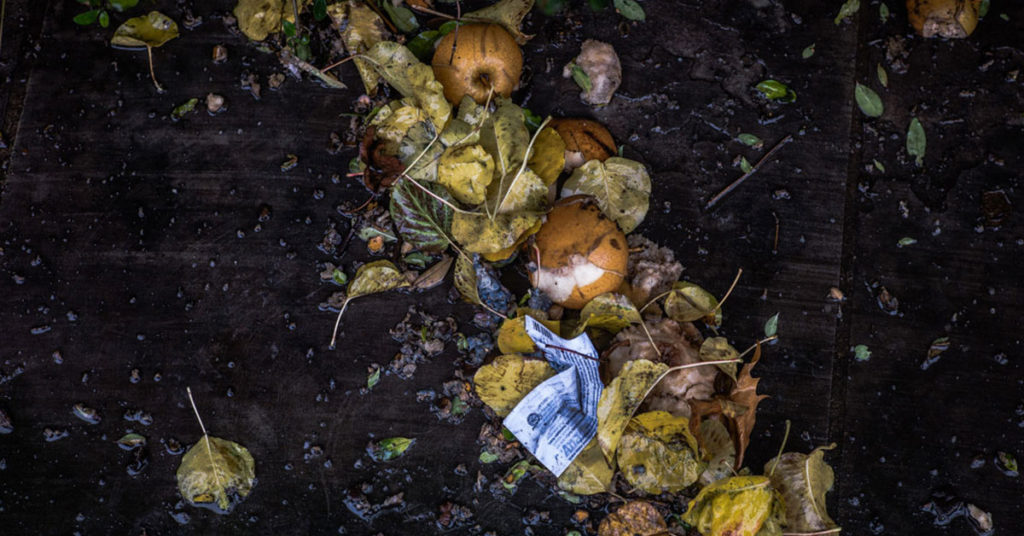
There’s nothing quite as disheartening as stepping outside to see an underlayment of moldy fruit littering your yard. Fall colors might be beautiful on deciduous trees, but a muddy brown carpet of rotting apples isn’t the autumn aesthetic most gardeners envision. In my own yard, when I neglected a grape cluster underneath my native Vitis riparia, the yard looked unkempt for weeks. Neighbors began to comment that it looked “abandoned,” which was particularly frustrating since I’d worked so hard on my rose garden and flower borders.
Fallen fruit also stains paths and patios, creating sticky, slippery surfaces that are hazardous for children, pets, and senior visitors. Slipping on a fermentation slick from an overripe pear is an accident just waiting to happen. By keeping the ground clean, you maintain a welcoming, tidy landscape that everyone can enjoy. A freshly raked orchard floor—free from rotting plums—invites friends and family to explore and pick fruit without wincing at every squelch underfoot. For those with garden pride, regular cleanup is a must to prevent criticism and ensure your green space remains a source of joy rather than a cautionary tale.