

I’m so excited you’re considering raised beds—you’re about to transform your garden into a flourishing oasis before summer’s heat arrives! Getting your frames in place now means you’ll beat the rush on materials, give the soil time to settle, and set yourself up for healthier, more productive plants. Trust me, once you see those neat wooden borders filled with rich, crumbly soil, you’ll wonder why you ever waited.
I know it can feel daunting—imagine wrestling with compacted clay or scrambling for lumber when everyone else has the same idea! But by tackling raised beds in spring, you’ll avoid those headaches, welcome beneficial soil life, and start your growing season with confidence. Let’s jump into eight fantastic reasons why building raised beds before summer starts is a gardener’s best move!
Better Weed Control
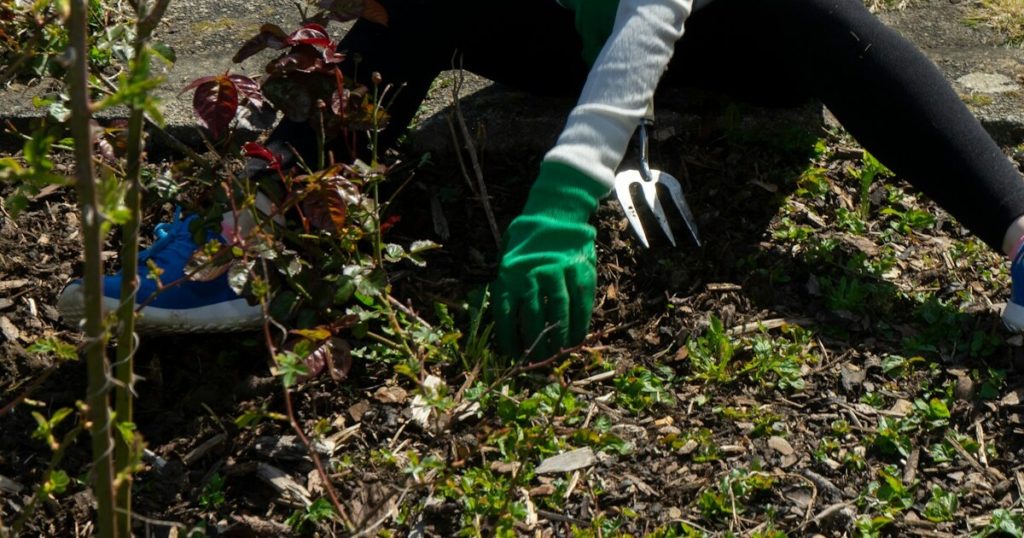
Raised beds create a clear boundary between your cultivated soil and the wild world of weed seeds in the surrounding ground. By installing landscape fabric or layers of cardboard at the bottom before filling, you block persistent perennial roots from sneaking up. That means fewer afternoons spent battling dandelions and more time enjoying your veggies!
Plus, because you’re introducing fresh, clean soil into the beds, you drastically reduce the number of dormant weed seeds you’re planting. When I first built my beds, I was amazed at how much easier it was to keep the sides pristine—just a quick pass with a hoe and my beds look tidy as can be, ready for planting.
Space Efficiency and Aesthetic Appeal
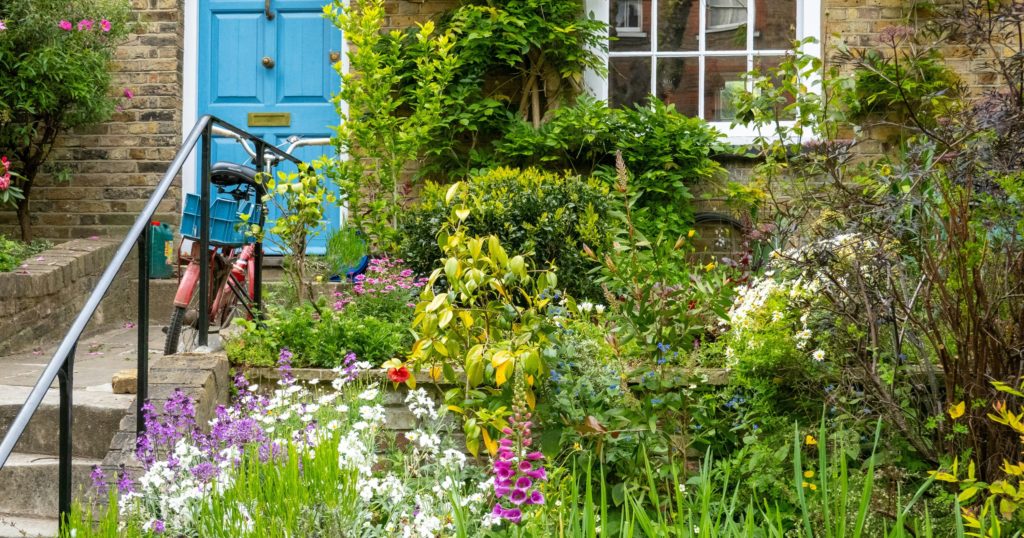
Laying out multiple raised beds allows you to maximize every precious inch of your garden. Tight, organized rows eliminate wasteful pathways, and you can interplant compatible crops to squeeze in even more goodness. It’s the ultimate square-foot gardening strategy!
Visually, raised beds bring instant structure and charm. I favor cedar frames for their warm, reddish hues (and natural rot resistance), but stone or composite materials work beautifully, too. Every time I walk by, I feel proud—those crisp edges and lush plantings are a showstopper!
Ergonomic Gardening and Accessibility

Kneeling in dirt can be meditative—until your knees start complaining! Raised beds lift your plant rows to a comfortable height, sparing your back and joints from constant bending. This comfort boost makes longer gardening sessions a joy rather than a chore.
Even better, you can customize bed heights and widths for wheelchair access or simply to suit your own reach. I still remember the relief of tending my tomatoes without awkward stretches—suddenly, harvesting felt effortless!
Early Materials Availability and Cost Savings

Come peak season, popular raised-bed kits and premium topsoil fly off the shelves, and delivery fees spike. By planning ahead in spring, you’ll find a wider selection of lumber, soil amendments, and hardware at friendlier prices. Early birds truly do snag the best deals!
I once grabbed untreated cedar boards in May and saved nearly 20% compared to summer pricing. Plus, ordering bulk compost early meant I avoided the “sold out” signs plastered across every garden center come June. Your wallet—and your future self—will thank you!
Improved Pest Management

With a contained bed, you can more easily spot and tackle pests before they wreak havoc. Slugs, beetles, and burrowing critters become much easier to monitor when they’re confined to a raised frame you can peek under. I’ve even installed hardware cloth beneath my beds to block voles and gophers from nibbling roots!
Choosing materials wisely helps, too. Cedar, native to North America’s eastern forests, resists rot and deters many pests thanks to its aromatic oils—without posing any invasive threat. That means longevity for your beds and fewer visits from unwanted garden diners.
Superior Soil Health and Fertility

Rather than exhausting a single plot season after season, raised beds let you practice easy crop rotation and seasonal amendments. I like to top-dress with compost in autumn, then sow cover crops over winter to build organic matter. This keeps nutrient levels high and soil structure light year after year.
Starting with a custom soil blend also prevents compaction and nutrient lockup common in in-ground plots. The result? Deep, vigorous root systems that forage efficiently. Every time I peek at my beds’ sidewalls and see fine, fibrous roots, I’m reminded how raised beds nurture robust plant growth!
Enhanced Soil Structure and Drainage

One of the biggest perks of raised beds is transforming heavy, clayey ground into a loamy paradise. By filling frames with a mix of compost, topsoil, and amendments, you control exactly what your plants sink into. That mix drains superbly, preventing waterlogged roots and reducing rot risks.
Faster-warming soil is another bonus—beds heat up quicker in spring, giving seedlings an early start. Earthworms and beneficial microbes flock to that loose, aerated medium, aerating and breaking down organic matter into plant-ready nutrients. Watching those wriggling gardeners at work never fails to delight!
Extended Growing Season

Spring mornings may still carry a chill, but raised beds warm more rapidly once the sun hits them. That head start lets you sow peas, lettuce, and spinach earlier, and settles tender tomatoes and peppers in without shock. Building beds now gives your soil time to heat up gradually and evenly.
And don’t forget frost protection—fitted hoops or row covers tuck neatly over raised beds, safeguarding young plants from late cold snaps. The payoff is an expanded growing window from spring through fall, so you’ll harvest more—and keep bare patches at bay when summer crops finish their run!