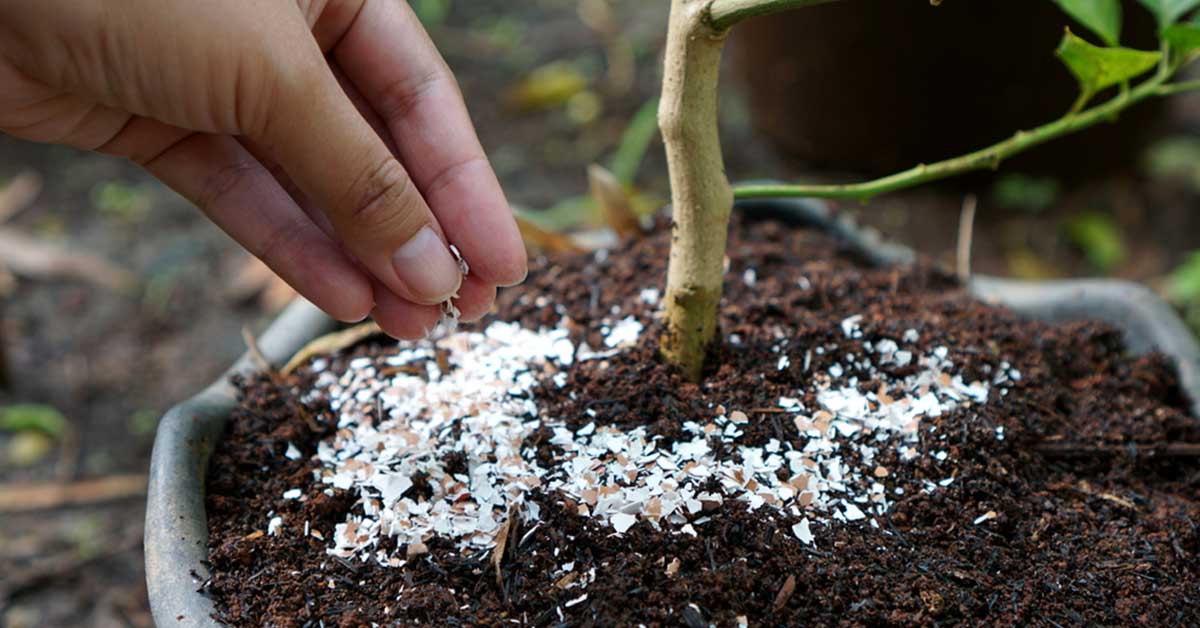

May is the moment when gardens explode into life, and it’s such a thrill to watch tender shoots push through the soil! After the cooler weeks of early spring, your beds are brimming with hungry plants that have used up winter’s reserves and early-growth nutrients. It’s a bummer when foliage goes pale or blooms are sparse, but a timely feeding in May can completely revitalize your plot. I know how frustrating it is to plant seedlings and watch them stall—fertilizing now gives them the jumpstart they crave before summer’s heat arrives.
I’m excited to share eight solid reasons to reach for your favorite garden fertilizer this month. From bolstering soil biology to preventing hidden deficiencies, these benefits span every corner of your garden. Whether you grow heirloom tomatoes (native to western South America but not invasive in home beds) or classic marigolds (native to the Americas), feeding in May ensures vigorous growth, stronger roots, and bountiful blooms. Let’s dig into each reason and get your garden thriving!
Prevent Hidden Nutrient Deficiencies
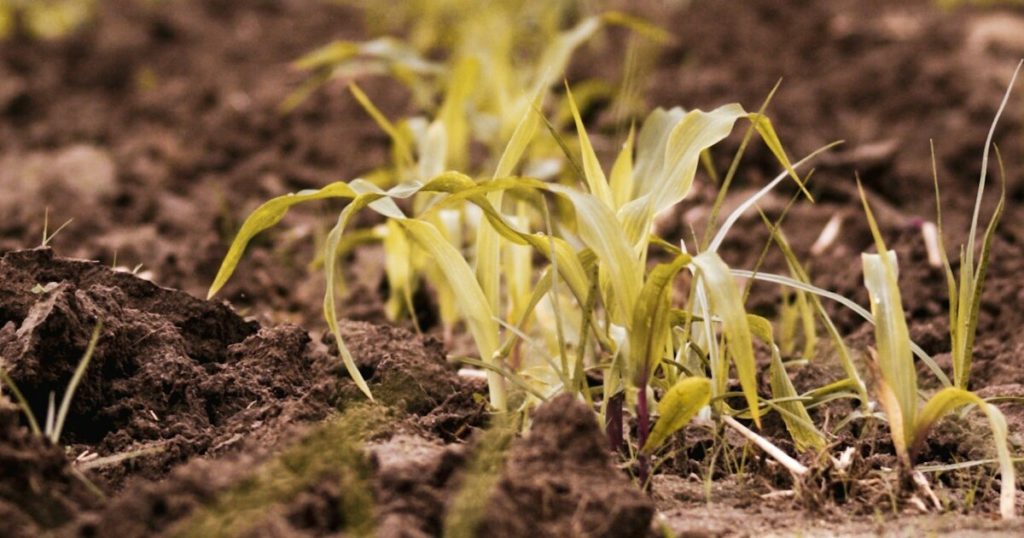
Spring’s rapid growth can deplete essential nutrients faster than you think! By May, nitrogen, phosphorus, and potassium levels in your soil may already be running low, leading to yellowing leaves or stunted stems. Applying a balanced fertilizer replenishes these critical elements, preventing the slow decline that often goes unnoticed until it’s too late.
Even hearty plants like peppers (Capsicum spp., native to Central America and generally noninvasive) can suffer when nutrients dip. Regular feeding ensures that every leaf, flower, and fruit has the sustenance it needs, so you won’t feel that pang of disappointment when blooms abort or fruit sets poorly!
Stimulate Beneficial Soil Microbes
Your garden is alive with microbes—bacteria, fungi, and other tiny organisms that work wonders breaking down organic matter into plant food! A May fertilization, especially with organic amendments like compost or fish emulsion, feeds not only your veggies but also these underground allies. The result? A thriving soil ecosystem that recycles nutrients efficiently and improves structure.
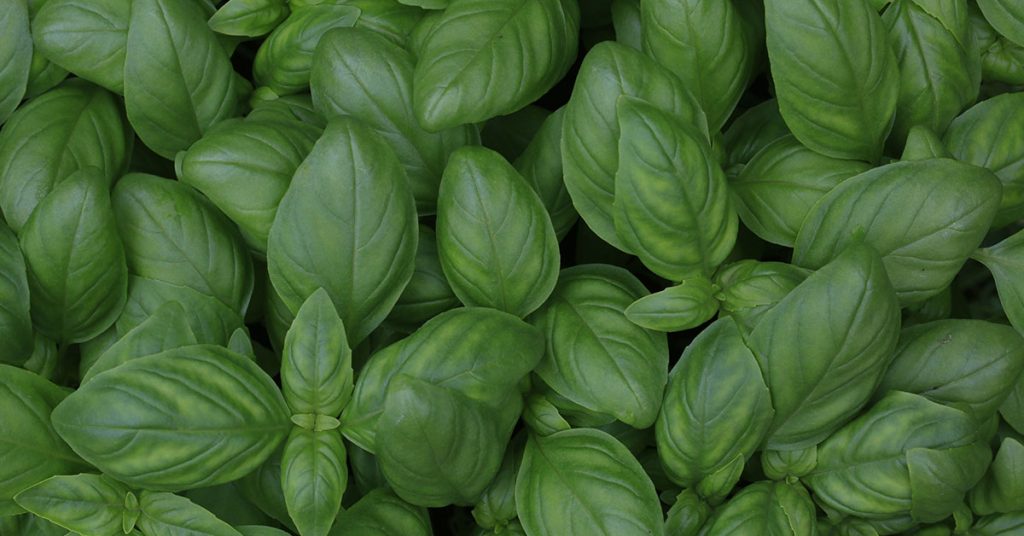
Plants such as basil (Ocimum basilicum, native to India and not invasive) benefit enormously from this microbial boost. I love how a robust soil food web leads to stronger, more disease-resistant plants—like having an army of microscopic helpers tirelessly nourishing your garden beds!
Feed Heavy-Feeding Crops

Some garden stars simply devour nutrients—and they demand extra attention in May. Tomatoes, cucumbers, and corn are classic heavy feeders, channeling vast quantities of nitrogen and potassium into rapid foliage and fruit production. Without supplemental feeding, these powerhouses can quickly exhaust your soil, leading to pale leaves or few fruits.
One of my favorite tricks is side-dressing tomato vines with composted manure or a tomato-specific fertilizer in mid-May. Since tomatoes are native to western South America and aren’t invasive in home gardens, you can feel good about boosting their growth without ecological worries. Watching vigorous tomato plants loaded with blossoms always feels like winning the gardening lottery!
Encourage Strong Root Development

A well-fed plant invests in roots as eagerly as shoots. Phosphorus-rich fertilizers applied in May help young transplants and perennials establish deeper, more extensive root systems. These roots explore more soil for water and nutrients, making your plants more resilient during summer droughts.
Root veggies like carrots (Daucus carota, native to Europe and southwestern Asia; not invasive) also respond splendidly to a gentle May feeding. Though they store their harvestable parts below ground, nourishing the soil above ensures those orange roots swell nicely rather than remain skinny or woody!
Bolster Nutrient-Depleted Soil

After several seasons of planting without adequate replenishment, garden beds can lose organic matter and vital minerals. May is the perfect time to rebuild soil health before your heaviest production phase. Incorporating well-rotted compost or green-manure cover crop residues feeds soil structure and fertility in one go.
I often mix in a shovel of leaf mold gathered from the fall—leaf mold mirrors forest soil conditions and helps retain moisture. While leaf mold isn’t tied to any invasive species, its decomposition in my beds accelerates nutrient turnover, giving every plant—from lettuce (Lactuca sativa, Mediterranean origin but noninvasive) to eggplant—a nutrient-rich foundation!
Support Flowering and Fruit Set
Blooming requires energy—and those beautiful blossoms signal that a plant is investing in reproduction. A timely application of bloom-boosting fertilizers, higher in phosphorus and potassium, encourages profuse flowering and steadier fruit set. In May, when many ornamentals and veggies transition from vegetative growth to budding, this extra push makes a visible difference!
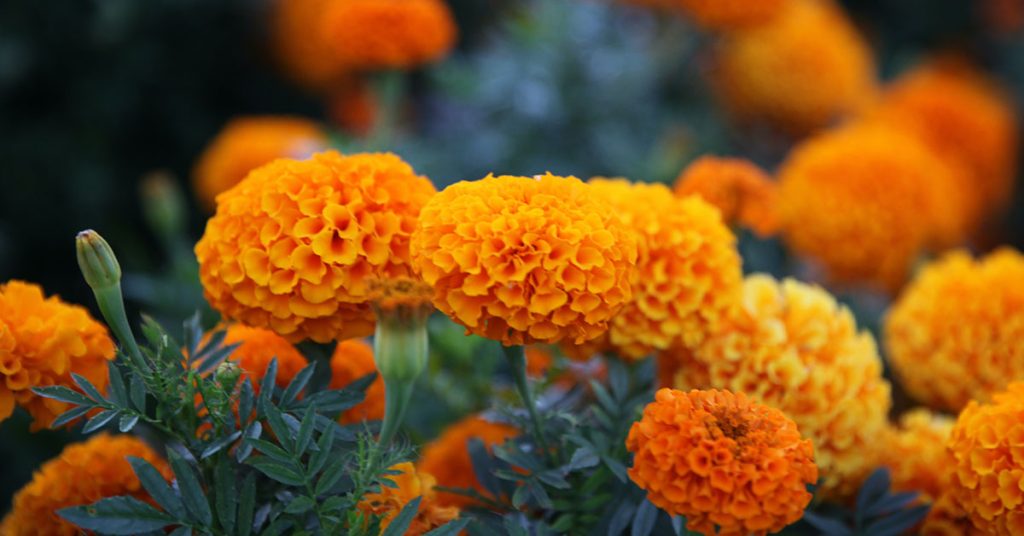
Marigolds (Tagetes spp., native to the Americas and not generally invasive) are a great barometer: with adequate feed, their sunny blooms open continuously, brightening the garden and attracting pollinators. I love seeing bees dance among these blooms—proof that proper feeding sparks both beauty and biodiversity!
Boost Disease Resistance
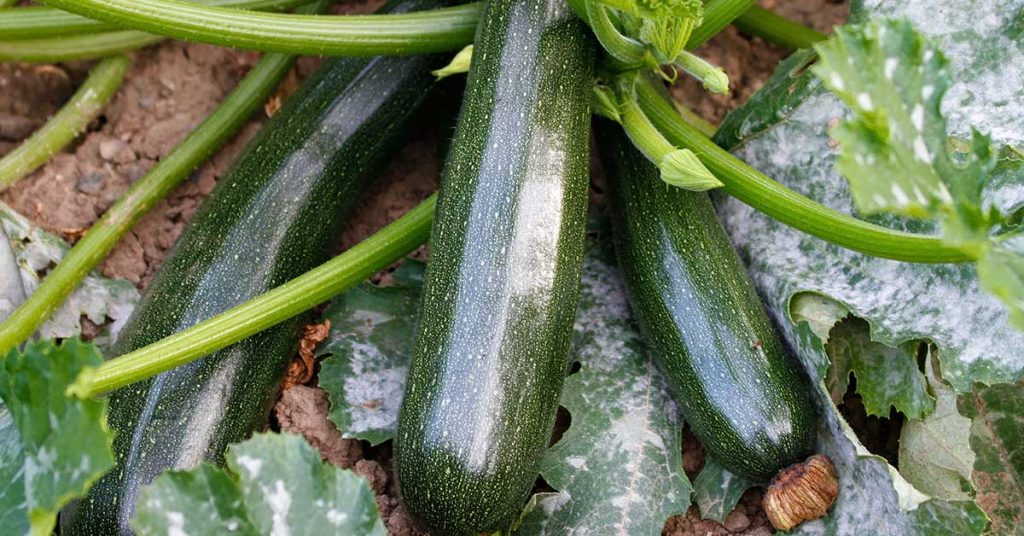
Well-nourished plants stand up to pests and diseases far better than hungry ones. Adequate levels of micronutrients like calcium and magnesium—often overlooked—strengthen cell walls and reduce susceptibility to fungal pathogens and physiological disorders. A May feeding that includes these elements can mean fewer brown spots, blossom end rot, or mildew outbreaks later on.
I’ve found that peppers and squash (both native to the Americas and safe in home gardens) show strong leaf turgor and fewer fungal spots after a balanced feeding. Seeing lush, unblemished foliage into the heat of summer gives me such peace of mind!
Recover From Early-Season Stress
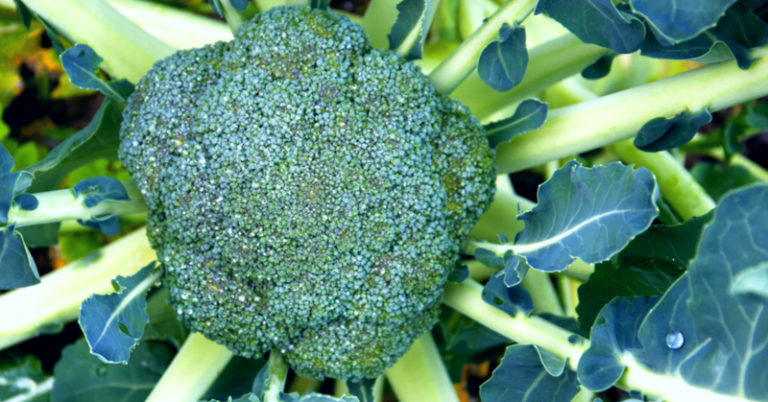
Transplants and spring seedlings often endure cold snaps, heavy rains, or fluctuating temperatures. A nourishing side-dress in May acts like a recovery tonic, helping stressed roots bounce back and leafy growth resume robustly. It’s a gardener’s secret weapon for turning a rough spring into a triumphant summer!
Cool-season crops like broccoli (Brassica oleracea var. italica, European origin; rarely self-seeds) also appreciate this mid-spring support. After surviving frost or slug nibbling, a gentle boost of nutrients helps them bulk up those tight heads, so you’re harvesting crunchy florets instead of sagging plants.