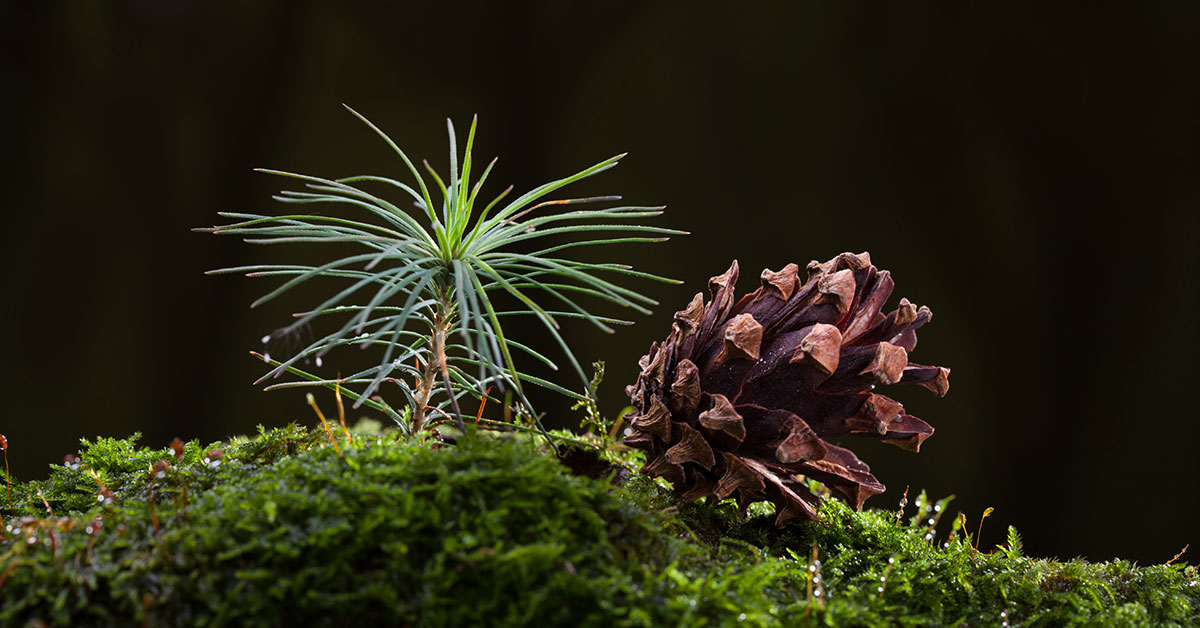

Pinecones are nature’s little gift to gardeners, and I can’t wait to share why they deserve a starring role in your outdoor sanctuary! As someone who’s spent countless afternoons gathering these woody treasures beneath towering pines, I’ve discovered they offer far more than rustic charm. From improving soil structure to inviting helpful critters, pinecones quietly support a thriving, eco-friendly garden.
I know how frustrating it is when your soil turns rock-hard or when pests overrun tender seedlings—trust me, I’ve been there! Embracing pinecones in your garden routine is one of my favorite low-effort hacks to combat these woes. Let’s explore eight delightful ways pinecones can transform your garden into a healthier, more vibrant haven.
Decorative and Functional Landscaping Accents
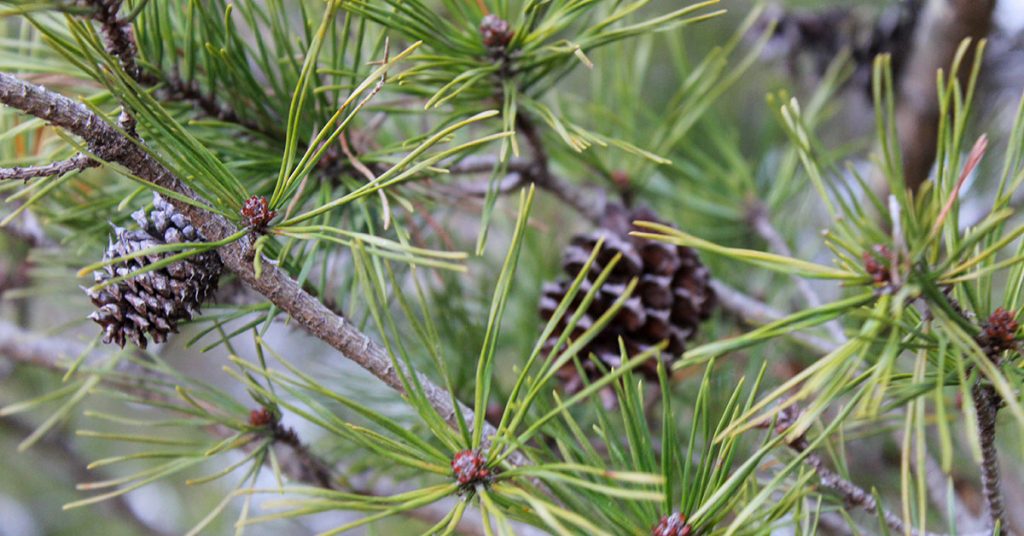
One of my favorite tricks is scattering pinecones around the base of flowering shrubs or along garden paths. Their rich browns and unique shapes bring a cozy, woodland vibe that complements vibrant perennials and lush greenery! It’s such a relief to swap out plain bark chips for something with more character—pinecones instantly elevate the visual appeal.
Native to coniferous forests across North America, Europe, and parts of Asia, pinecones aren’t invasive; they’re simply the seeds’ natural carriers. When nestled into the soil surface, their rigid scales create tiny air pockets, helping break up compacted patches and improving drainage. Decor and function in one—what’s not to love?
Weed Suppression and Ground Coverage
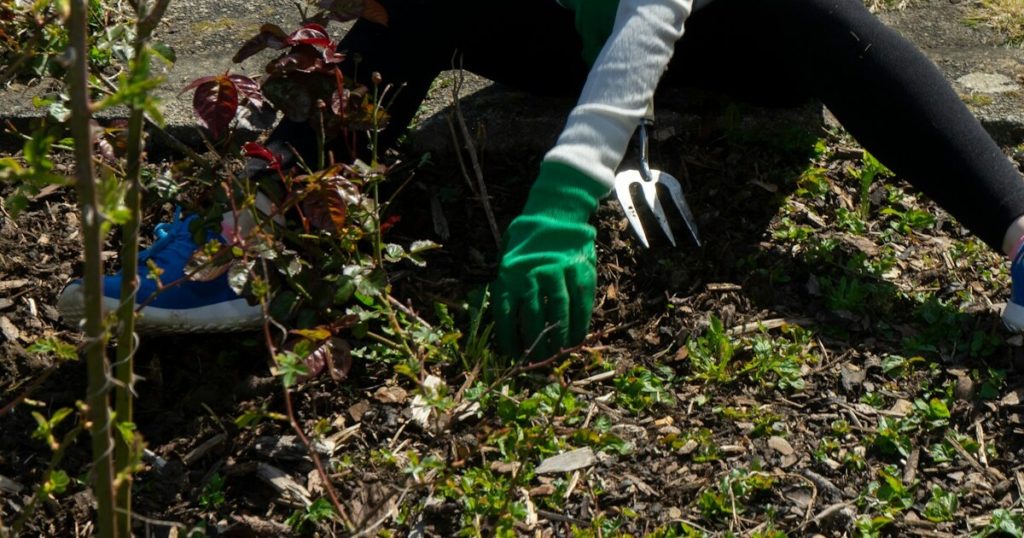
Weeds popping up between your lettuce or around young seedlings can feel like a never-ending battle. I remember spending hours pulling rogue dandelions—pinecone mulch would have saved me so much time! Layering whole cones around vulnerable spots shades out light, discouraging weed seeds from germinating.
As the cones settle and gradually decompose, they form a semi-solid barrier that annual and perennial weeds struggle to penetrate. When you’re ready to plant, simply shift aside a few cones, tuck in your seedlings, and let the cones hug the roots—goodbye, unwelcome sprouts!
Nutrient Cycling: Slow-Release Fertilizer

Crushed and composted pinecones add an underappreciated boost of trace elements—calcium, magnesium, and tiny amounts of phosphorus—to your beds. I love tossing old cones into my compost pile each autumn; by spring, the humus is richer and more crumbly, feeding my veggies and flowers naturally.
While pinecones decompose more slowly than softer materials, shredding them with a mower or chipper accelerates the process. It’s such a delight to watch nutrient-rich compost transform my garden’s health—no synthetic fertilizers required!
Natural Pest Refuge: Habitat for Beneficial Insects
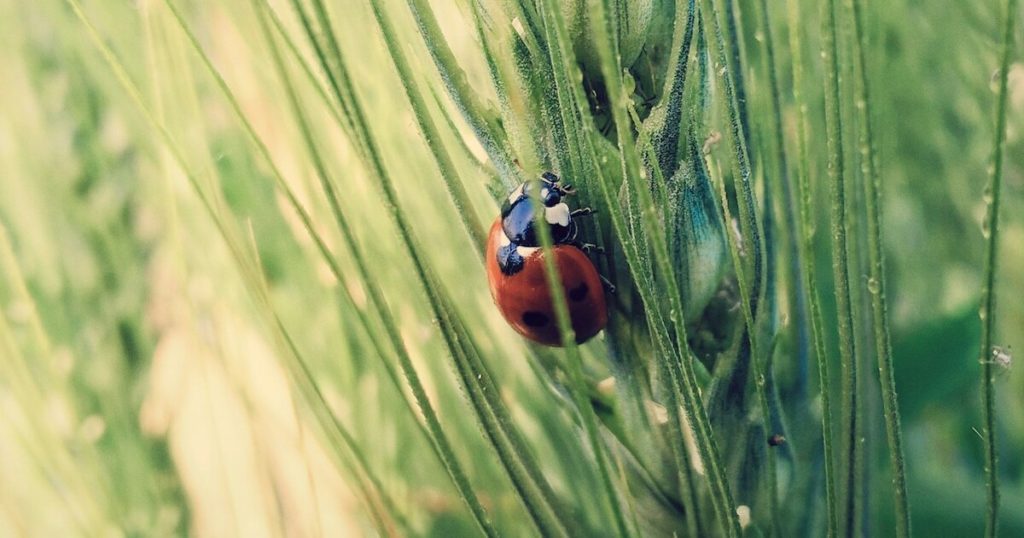
Pinecones make cozy winter hideouts for predatory insects like ladybugs, lacewings, and ground beetles. One autumn, I tucked clusters of cones into garden corners, and come spring, I spotted ladybug larvae feasting on aphids right where I’d placed them! Recruiting these natural pest controllers means fewer chemical interventions.
Originating from Pinus species native to vast northern forests, pinecones integrate seamlessly into local ecosystems without spreading invasively. Their layered scales provide perfect crevices for overwintering, ensuring beneficial bugs are on hand to safeguard your plants when you need them most.
Bird Nesting Material and Wildlife Support

Many songbirds—wrens, chickadees, even robins—snip pinecone scales and fibers to line their nests, creating warmth and camouflage. I love standing still in my garden, watching titmice tug bits of cone material for their cozy nurseries! Leaving a small stash of pinecones near dense shrubs or birdhouses is like rolling out a red carpet for our feathered friends.
Beyond birds, squirrels and chipmunks hoard pinecones, scattering seeds that help regenerate woodlands. Since pines are native to so many temperate regions, this seed-spreading behavior sustains local forests rather than introducing invasive species.
pH Moderation in Acid-Loving Gardens

Gardeners nurturing blueberries, azaleas, or rhododendrons know how tough it can be to maintain the right soil acidity. Pinecones carry naturally acidic compounds, especially when sourced from native pine groves. Crushed into mulch or composted, they gently lower pH over time—an organic alternative to chemical acidifiers!
It’s such a bummer when your acidophiles struggle despite your best efforts. By pairing pinecones with regular soil tests and targeted amendments, you’re crafting an environment where these plants truly thrive.
Improving Soil Aeration and Drainage

Heavy clay soils can leave roots gasping for air, leading to poor growth and root rot. Mixing crushed pinecones into compacted beds introduces coarse organic matter that loosens the soil matrix. I once amended a clay-heavy plot this way and was thrilled to see tomato roots penetrate deeply, even after a downpour!
Because pinecones evolved to decompose in forests with fluctuating moisture, their sturdy structure creates lasting channels for air and water movement. Just blend them into the top few inches of soil, and watch your plants breathe easy.
Mulch for Moisture Retention
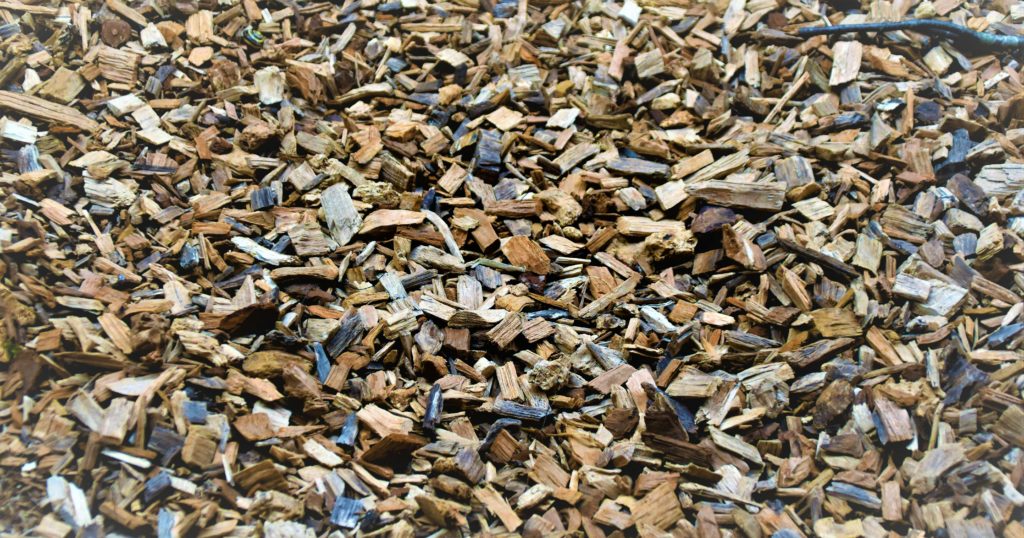
During dry spells, I rely on pinecone mulch to lock in precious moisture around delicate transplants. Arranged around new perennials, the overlapping scales act like mini umbrellas, shielding soil from direct sun and slowing evaporation. Your seedlings will thank you when they stay plump and green despite heat waves!
As they gradually break down, pinecones also add organic matter, further enhancing the soil’s water-holding capacity. It’s a simple, sustainable strategy that perfectly aligns with organic, low-maintenance gardening philosophies.