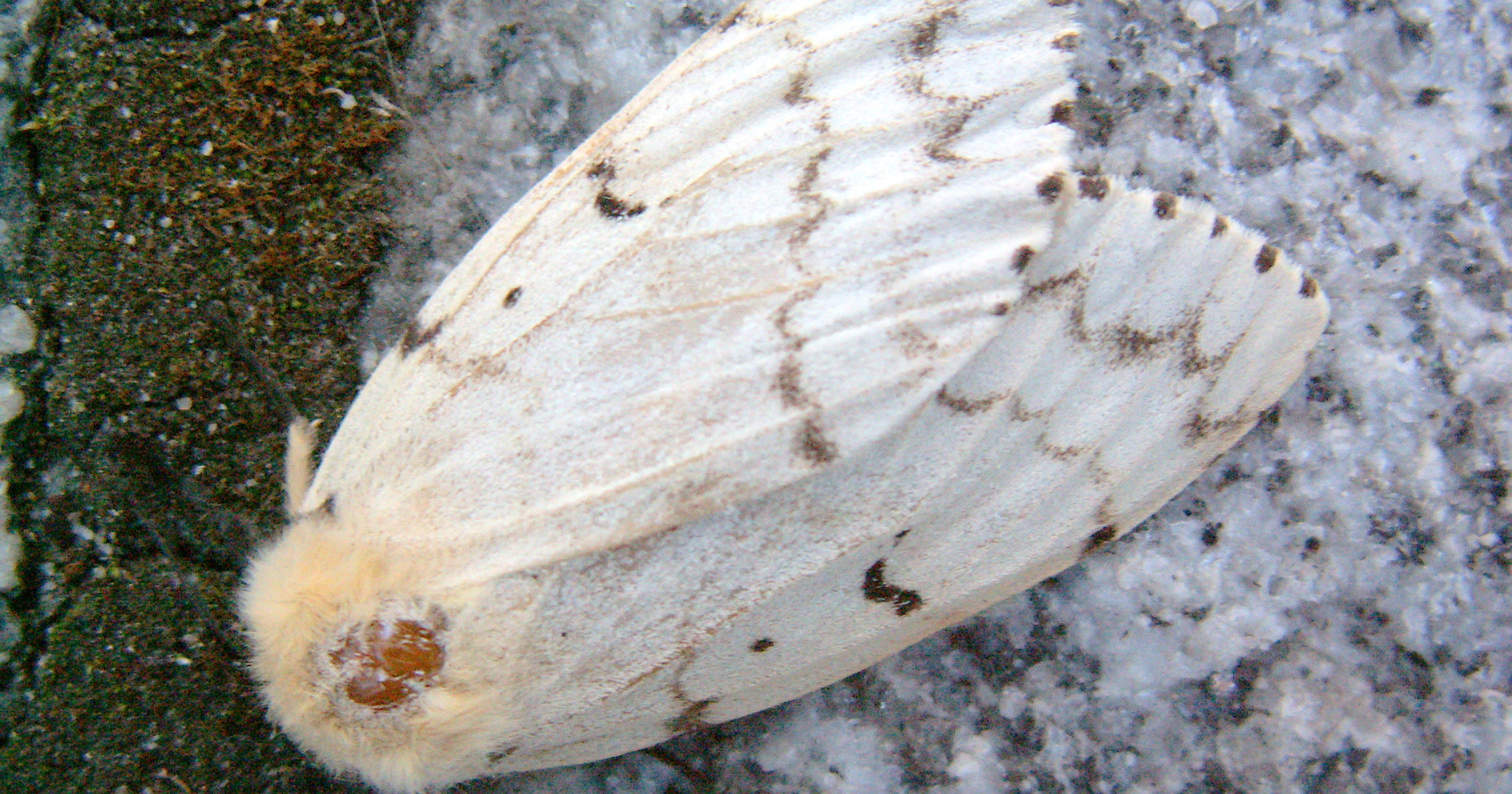

Moths often get a bad rap as nighttime nuisances fluttering around porch lights, but these secretive nocturnal pollinators and garden allies play crucial roles beneath the cover of darkness. I know how frustrating it can be to find caterpillars nibbling on your favorite rose leaves, yet it’s such a bummer when we overlook moths’ positive impacts! Beneath that muted wing palette lies a world of ecological benefits—from soil enrichment to pollination—that quietly supports garden health.
Whether you’re growing native wildflowers, heirloom veggies, or ornamental shrubs, embracing moths can turn your garden into a thriving ecosystem. Many moth species are native to your region and non-invasive, nesting in ground litter or crevices in tree bark. Ready to swap fear for fascination? Let’s explore eight compelling reasons to celebrate these underappreciated garden guardians!
Pollination After Dark

While bees and butterflies dominate daylight pollination, many plants rely on moths under the veil of night. Species like the hummingbird moth (Hemaris spp., native to North America and non-invasive) hover over evening-blooming flowers—phlox, nicotiana, and moonflower—transferring pollen with their long proboscises. Their visits ensure fruit set in plants that close or wilt by dawn!
I love opening my garden to the soft hum of these night flyers, watching them sip nectar as I enjoy a quiet midnight stroll. Those gentle pollination visits keep tomatoes, eggplants, and certain gourds producing evenly, long after the sun has set!
Food Source for Wildlife
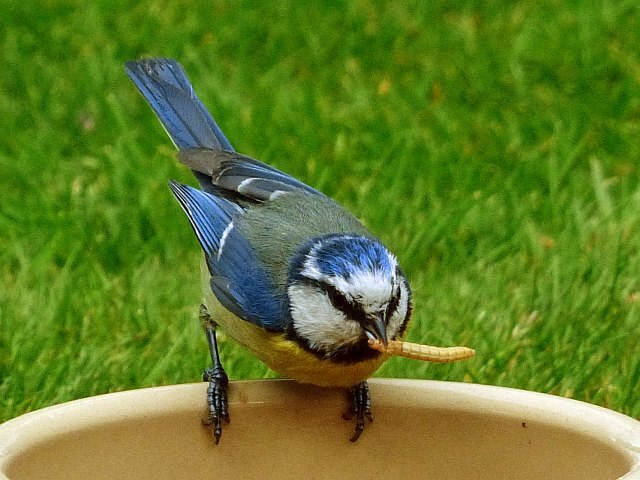
Moth larvae (caterpillars) and adults are essential prey for birds, bats, frogs, and beneficial insects. Native songbirds like chickadees and warblers feed hungry nestlings caterpillars full of protein, while bats feast on adult moths soaring in dusk skies. By supporting moth populations, you’re fueling the entire food web in your yard!
It’s such a delight to hear the flutter of bat wings above a flowering bed, knowing they’re snacking on leaf-eating pests. And spotting a cardinal tugging caterpillars from your shrubs reminds you how moths knit together garden biodiversity.
Indicator Species for Ecosystem Health
Moths react quickly to environmental changes—habitat loss, pollution, or pesticide use—making their presence (or absence) a red flag for garden health. A diverse moth community suggests balanced soil, adequate native plantings, and minimal chemical stress. When I see a variety of wing patterns dancing at dusk, I know my garden’s ecosystem is in good shape!
Conversely, if moth sightings dwindle, it’s a sign to reassess gardening practices. Perhaps swapping harsh insecticides for manual control or planting more native host plants can restore that nighttime ballet of winged visitors.
Natural Pest Control

Many predatory insects and spiders hunt moth caterpillars, keeping their populations in check before they defoliate entire patches. Tachinid flies and parasitic wasps lay eggs inside caterpillars, preventing outbreaks of foliage-munching species like cutworms. By hosting healthy moth numbers, you cultivate a self-regulating system that curbs pest surges!
I once rescued my zucchini patch from a slug-like army of caterpillars by simply encouraging lacewings—natural predators of moth larvae—to nest beneath leaf litter. That balance prevented a total wipeout and let me avoid broad-spectrum insecticides.
Nutrient Cycling Through Leaf Litter

When moth larvae pupate in soil or leaf litter, they contribute to the organic breakdown of plant debris. Their frass (droppings) and burrowing activity accelerate decomposition, returning vital nutrients to the soil. I’m always amazed at how quickly a mulch layer enriched by these processes feeds my veggie beds!
Plus, those tunnels improve soil aeration, allowing roots to breathe and water to penetrate deeply. It’s a quiet form of soil engineering—moth magic beneath our feet that keeps the garden fertile.
Supporting Rare and Endangered Plants
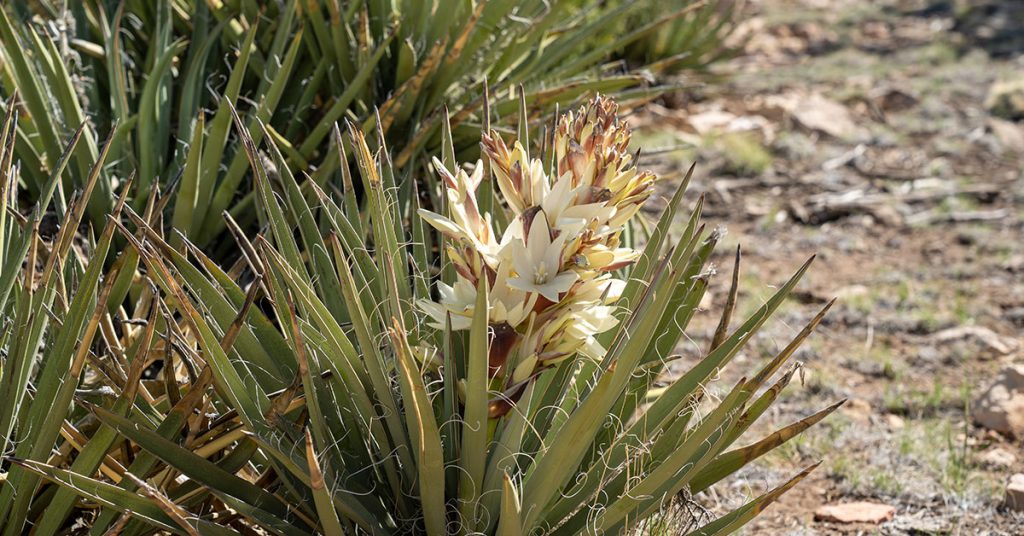
Some specialized moths pollinate rare native flora that attract few other visitors. For instance, the yucca moth (Tegeticula spp., native to North America and non-invasive) pollinates yucca plants exclusively, ensuring their survival. By nurturing these mutualistic relationships, gardeners can aid in conserving threatened plant species.
I love knowing my small patch of yucca or evening primrose supports an entire life cycle of winged partners. Watching those pale moths at twilight feels like witnessing a secret handshake between plant and pollinator!
Encouraging Nocturnal Biodiversity
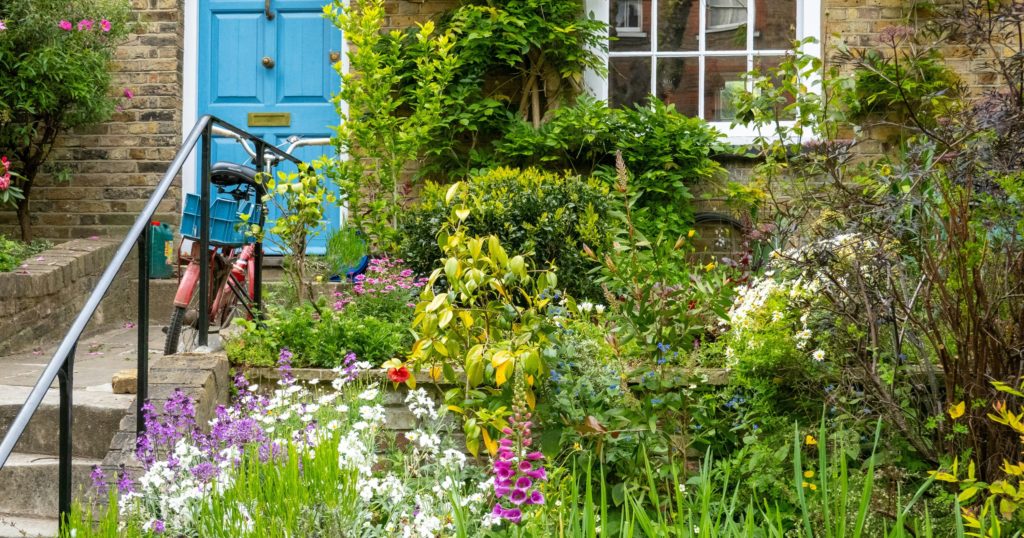
Gardens shouldn’t sleep when the sun goes down—inviting moths enriches the nighttime scene with predatory spiders, glowworms, and tree frogs. These creatures often nest or hibernate near moth habitats, turning your yard into a 24-hour wildlife theater. It’s such a treat to hear the chorus of toads and the rustle of moth wings in moonlight!
This nocturnal biodiversity helps control daytime pests as well; many of these predators forage around dawn, keeping snails, slugs, and early-rising caterpillars at bay.
Genetic Diversity Through Wide Ranging
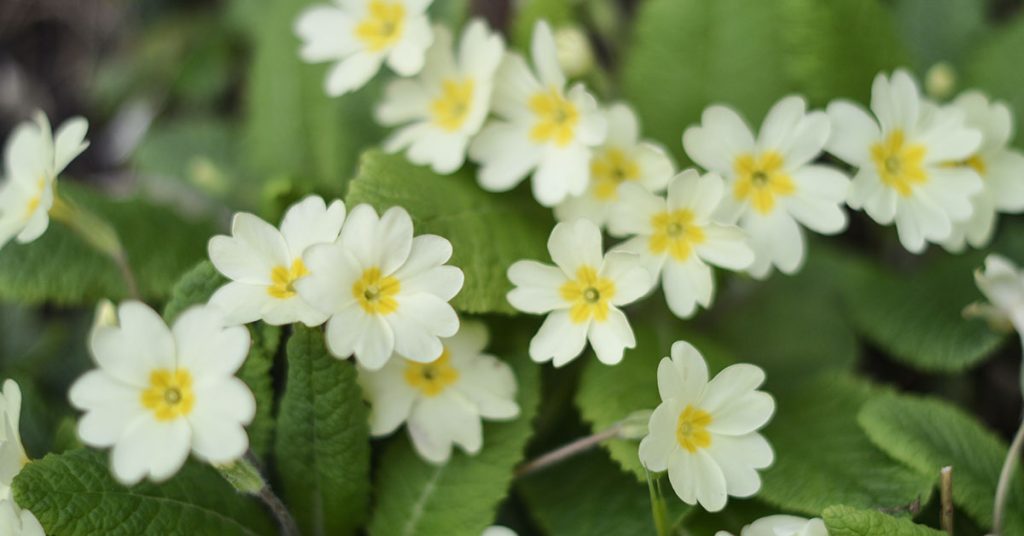
Unlike some pollinators that stick close to home, many moth species travel significant distances, spreading pollen between widely separated plants. This gene flow promotes healthier, more resilient cohorts of flowers and fruits. When you plant evening primroses or four o’clocks, you can count on moths to ensure cross-pollination across your yard—and even to your neighbor’s garden!
I’ve noticed my heirloom beans setting pods more consistently after adding night-bloomers for moth attraction. That silent winged commute keeps genetics fresh and yields bountiful.