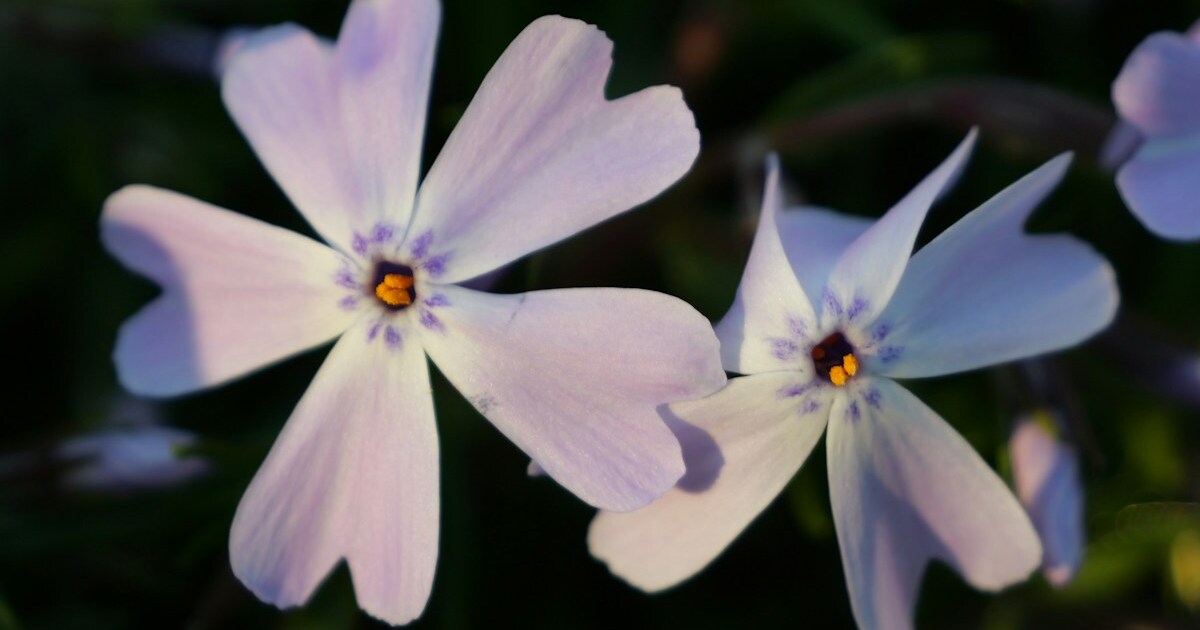

If you’ve ever been frustrated by the high maintenance and constant watering demands of a traditional grass lawn, you’re not alone. I’ve spent years experimenting with alternative ground covers, and one of my absolute favorites is creeping thyme. This low-growing, aromatic plant not only creates a beautiful, lush carpet but also brings a host of ecological benefits to your outdoor space. It’s such a bummer when you pour endless effort into a lawn that still struggles with weeds and pests, so let me share with you why creeping thyme is a game-changer for any garden!
In this article, I’m excited to present 8 compelling reasons to replace your grass lawn with creeping thyme. From its drought tolerance and low maintenance needs to its ability to attract pollinators and even provide safe nesting spots for beneficial insects, creeping thyme offers year-round beauty and functionality. Each section dives into its fascinating native origins, its non-invasive nature, and the many ways it transforms your landscape into a vibrant, sustainable haven.
Water Conservation Champion

Creeping thyme is a true champion of water conservation. Native to the Mediterranean region, where water is often scarce, this hardy ground cover has evolved to thrive in dry conditions. Unlike a grass lawn that demands constant watering, creeping thyme requires minimal irrigation—saving you both time and water bills! I’m always thrilled by how little attention it needs once established, making it an ideal choice for gardeners who want a lush look without the heavy watering routine.
Beyond its low water requirements, creeping thyme’s deep, fibrous root system helps stabilize the soil and improve water retention. Its ability to grow in poor, rocky soils means that even in drought-prone areas, your garden will remain vibrant and resilient. This natural water efficiency not only conserves precious resources but also creates a healthy microhabitat that attracts beneficial soil organisms. It’s a sustainable choice that transforms your outdoor space into a water-wise oasis!
Low Maintenance Marvel

One of the most remarkable advantages of creeping thyme is its low maintenance. Unlike traditional grass lawns that require regular mowing, fertilizing, and weed control, creeping thyme naturally spreads to form a dense, self-sustaining carpet. I’ve experienced firsthand the relief of spending less time on upkeep while still enjoying a beautifully manicured garden. Its slow, creeping habit means you can simply trim it occasionally to keep it tidy, saving you countless hours of labor!
Additionally, creeping thyme is resistant to many common lawn pests and diseases, reducing the need for chemical interventions. Its hardy nature and minimal nutritional demands allow it to thrive even in less-than-ideal soil conditions. This low-maintenance marvel not only frees up your time but also supports a healthier environment by reducing chemical use. It’s a win-win for both your garden and the planet!
Natural Weed Suppression

Creeping thyme’s dense growth habit is a natural weed suppressant. When properly established, it creates a thick, lush mat that crowds out undesirable weeds and minimizes competition for nutrients and water. I love how this ground cover reduces the need for constant weeding, allowing you to focus on other creative aspects of your garden design. Its vigorous spread ensures that almost no bare ground is left for weeds to take hold, resulting in a cleaner, more attractive landscape!
Moreover, as the thyme mat grows, it provides a protective barrier that stabilizes the soil and prevents erosion. The organic matter from thyme leaves also enriches the soil as it decomposes, further discouraging weed growth. In a managed garden, this natural weed control means fewer chemical herbicides and a more sustainable, eco-friendly approach to gardening. It’s a simple, elegant solution to one of the most frustrating challenges in traditional lawn care!
Attracts Beneficial Pollinators
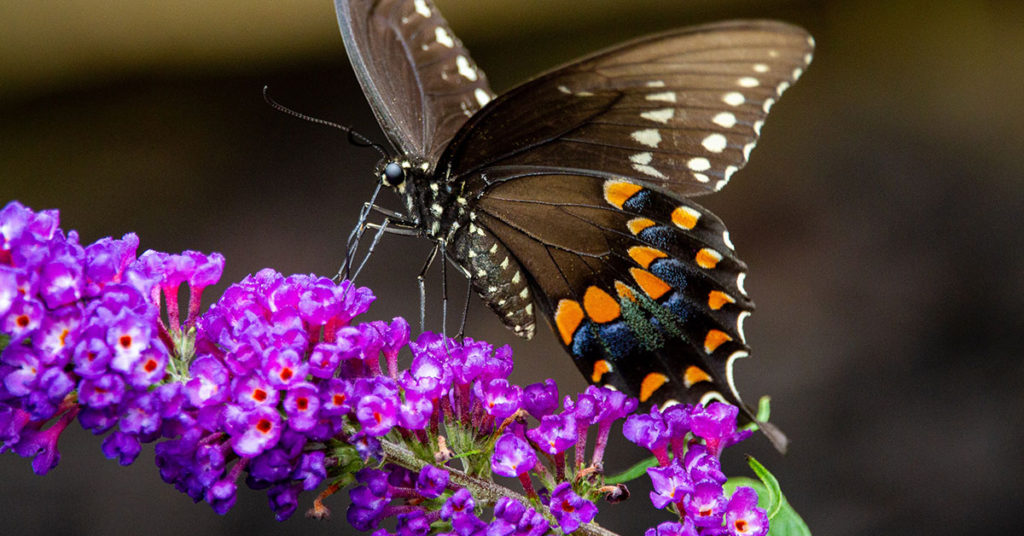
One of the most delightful features of creeping thyme is its ability to attract beneficial pollinators. When in bloom, thyme produces small, delicate flowers that are a magnet for bees, butterflies, and other pollinating insects. I’ve often marveled at the sight of these little creatures buzzing around my thyme carpet, naturally enhancing pollination not only for the thyme but for surrounding plants as well! This influx of pollinators supports a vibrant, interconnected garden ecosystem that benefits all your crops.
Furthermore, the continuous bloom of creeping thyme creates a year-round food source for these vital insects, ensuring that your garden remains lively and balanced. Its role in attracting pollinators helps maintain biodiversity, which in turn supports natural pest control and soil health. The symbiotic relationship between thyme and its pollinators is a wonderful example of nature’s interconnectedness—one that adds both beauty and functionality to your outdoor space!
Enhances Soil Health

Creeping thyme not only beautifies your garden but also contributes significantly to soil health. Its dense growth and continuous leaf shedding provide a steady supply of organic matter that enriches the soil as it decomposes. I love how this natural mulch improves soil structure and promotes the growth of beneficial microorganisms, which are essential for nutrient cycling and overall plant health. The result is a richer, more fertile soil that supports a diverse array of companion plants!
Moreover, the deep, fibrous roots of creeping thyme help improve soil aeration and prevent erosion, ensuring that your garden remains resilient over time. This enhancement of soil quality creates a balanced microhabitat that attracts beneficial invertebrates and supports robust plant growth. By choosing creeping thyme over a traditional grass lawn, you’re investing in a sustainable, eco-friendly foundation that nourishes your entire garden. It’s a subtle yet powerful way to create a thriving, natural environment!
Provides Natural Aromatherapy
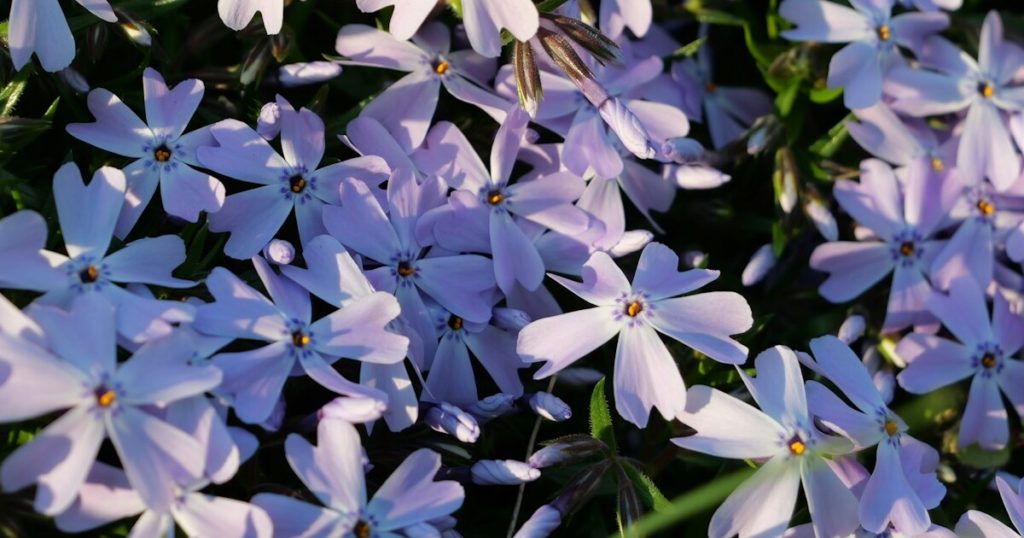
Creeping thyme is renowned not just for its visual appeal but also for its delightful, natural aroma. As you walk through your garden, the gentle, herbaceous scent of thyme creates an atmosphere of calm and relaxation—a natural form of aromatherapy that can lift your spirits on even the busiest days! I always find that the fragrance of thyme adds an extra layer of sensory pleasure to my outdoor space, making it a true oasis of tranquility. Unlike synthetic air fresheners, thyme’s aroma is completely natural and beneficial for both you and your garden’s ecosystem.
The aromatic oils released by thyme not only provide a soothing scent but also play a role in repelling pests. This natural defense mechanism helps protect your garden from harmful insects while simultaneously attracting beneficial pollinators. The synergy between its fragrance and ecological function makes thyme a versatile and invaluable addition to any garden. It’s a living reminder that nature’s own remedies are often the most effective, providing wellness and joy with every breath!
Natural Ground Cover and Erosion Control

One of the standout benefits of creeping thyme is its ability to act as a natural ground cover that stabilizes soil and prevents erosion. Its low, spreading habit creates a dense mat that clings to the ground, reducing water runoff and protecting the soil from the harsh effects of wind and rain. I’ve always been impressed by how thyme, when interplanted with other species, forms a living carpet that not only looks beautiful but also plays a crucial role in preserving soil integrity. This natural ground cover is a far cry from traditional grass lawns, offering a more sustainable and low-maintenance alternative!
In addition to controlling erosion, the thick mat of thyme helps retain soil moisture, which is vital for the health of surrounding plants. Its continual leaf shedding adds organic matter to the soil, enriching it with nutrients and promoting the growth of beneficial microbes. This natural synergy between thyme and its environment results in a balanced, resilient garden that can withstand both drought and heavy rains. It’s a practical, eco-friendly solution that enhances the overall structure and health of your landscape.
Aesthetic Appeal and Versatility
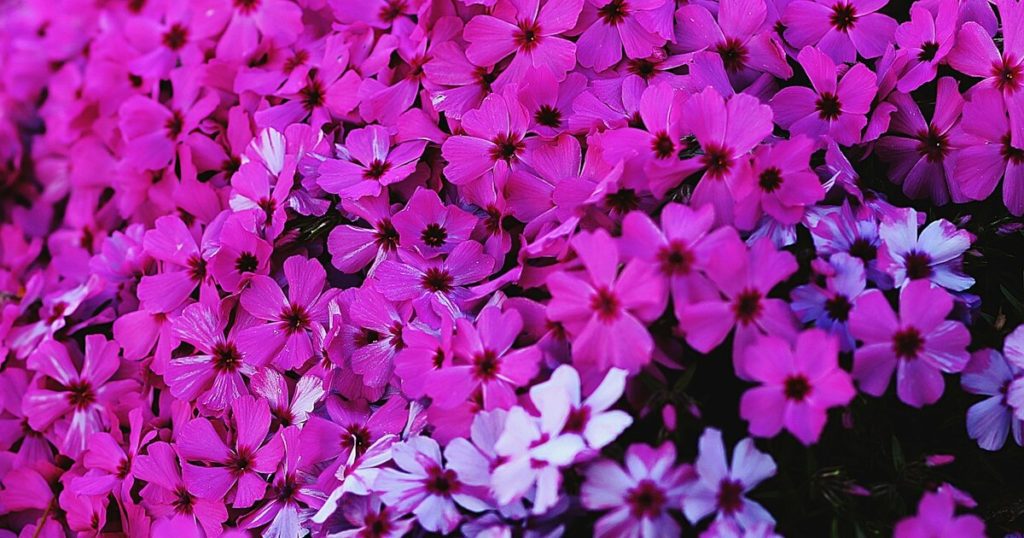
Creeping thyme offers unparalleled aesthetic appeal with its delicate, lush foliage and charming, tiny blooms that add a touch of natural elegance to any garden. Its soft, verdant carpet provides a striking contrast to taller plants and hardscapes, creating a visually pleasing tapestry that draws the eye and invites exploration. I love how versatile thyme is—it can be used to border pathways, fill in gaps between stepping stones, or even as a living mulch in ornamental beds. Its ability to adapt to various garden designs makes it a true favorite for those seeking both beauty and functionality!
Beyond its visual charm, creeping thyme’s versatility extends to its ecological benefits. It seamlessly integrates into a variety of garden settings, attracting beneficial pollinators and supporting natural soil health without dominating the landscape. Whether you’re designing a modern, minimalist garden or a more traditional, cottage-style retreat, thyme adds a refined touch that elevates your outdoor space. Its enduring beauty and adaptability make it a timeless choice that will continue to delight and inspire for years to come!