
Compost is the lifeblood of any thriving garden, yet it can be so frustrating when your pile stays soggy, smells sour, or fails to deliver nutrient‑rich soil! I’ve had my fair share of composting missteps—from slimy layers of kitchen scraps to piles overwhelmed by acidity. That’s when I discovered the magic of wood ashes: the fine, silvery dust left behind after a cozy fireplace or a backyard bonfire. Instead of tossing those ashes, you can harness their power to supercharge your compost and give your plants a nutrient‑dense feast.
Wood ashes are more than just leftover waste; they’re a treasure trove of minerals and pH‑balancing compounds that can transform a lackluster compost heap into a garden goldmine. In this article, I’m thrilled to share eight compelling reasons why adding ashes to your compost routine will have you grinning every time you dig into that dark, crumbly humus. From attracting helpful earthworms to keeping pests at bay, these tips will turn your compost pile into the bustling, fertile ecosystem you’ve been dreaming of!
They Attract Earthworms and Other Beneficial Organisms

It’s such a joy to see wriggling earthworms appear in your compost—they’re the gardener’s best friends, tunneling through the pile, aerating the mix, and breaking down organic matter into rich castings. A light dusting of ashes creates a more hospitable environment for these critters by helping to neutralize overly acidic pockets, which can otherwise drive them away! More worms mean faster decomposition and a looser, fluffier compost structure.
Beyond earthworms, ashes can entice springtails and beneficial microbes that thrive in a slightly alkaline, mineral‑rich habitat. These tiny helpers feast on mold and decaying material, speeding up the composting process. I’ve watched in delight as my piles, once sluggish and wet, teemed with life and transformed into dark, earthy compost in half the time!
They Provide Essential Minerals Like Potassium and Calcium
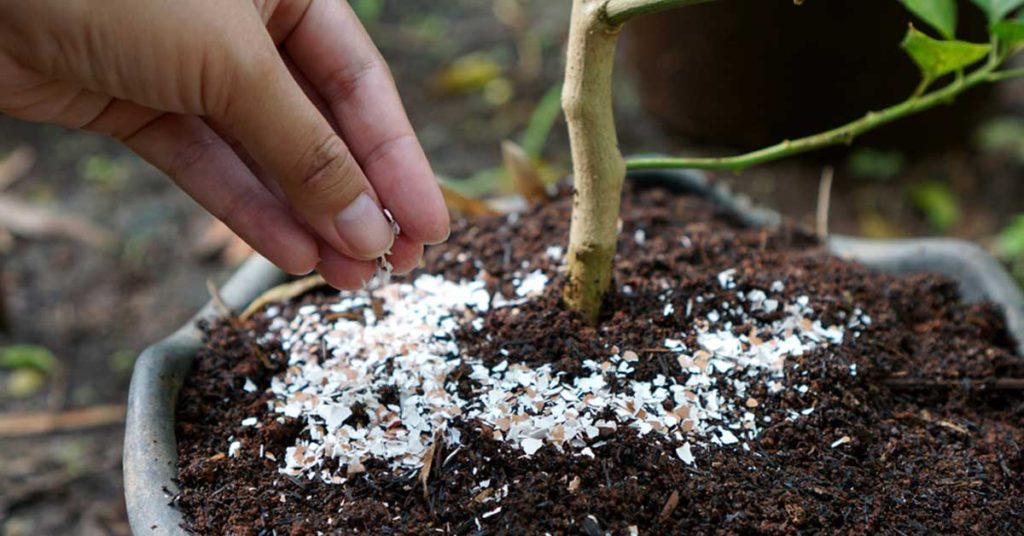
One of my favorite things about wood ashes is their mineral profile—loaded with potassium, calcium, magnesium, and trace elements that plants crave. Mixing ashes into your compost tailors the final blend to be more nutrient‑complete, so your seedlings get off to a vigorous start without needing extra granular fertilizer! These minerals also play key roles in plant functions: potassium regulates water movement, while calcium strengthens cell walls for sturdier stems.
Because these minerals are locked in the ash rather than freely soluble, they release gradually into the compost as it matures, offering a steady feed rather than a sudden nutrient spike. This slow‑release dynamic prevents nutrient burn at planting time and ensures your herbs, vegetables, and flowers benefit from a balanced diet season after season.
They Help Your Compost Retain Moisture

It might seem counterintuitive, but ashes can actually improve moisture retention in your compost pile. The fine, powdery texture helps bind water molecules, reducing rapid evaporation on hot days and preventing soggy, anaerobic pockets that lead to foul odors! I’ve noticed that when I sprinkle ashes evenly between layers, my compost stays at just the right dampness—think of a wrung‑out sponge rather than a puddle.
This balanced moisture level is critical for maintaining the aerobic bacteria that drive decomposition. Instead of flipping the pile every other day to dry it out, a single layer of ashes can keep your compost lively and active, saving you time and effort on maintenance while still producing that rich, crumbly end product we all love to work with.
They Deter Slugs, Snails, and Other Pests

It’s such a bummer when slugs and snails feast on tender seedlings or invade your compost pile! A light barrier of ashes around the base of your heap creates a physical deterrent—these pests dislike crawling over the gritty ash, which can abrade their soft bodies. This eco‑friendly approach spares you from resorting to chemical slug baits and keeps your compost pile pest‑controlled naturally.
Plus, by discouraging these slimy visitors, you also protect the balance of beneficial decomposers like beetles and millipedes that otherwise get outcompeted or eaten. That means your compost ecosystem remains diverse and healthy, breaking down organic matter smoothly without unwanted interruptions.
They Act as a Compost Deodorizer

If your pile ever turns into a stinky mess—reeking of ammonia or sour fermentation—ashes to the rescue! Their alkaline nature helps neutralize foul‑smelling acids produced during early stages of decomposition. I remember one heatwave when my heap took on an unpleasant odor; a generous dusting of ashes had it smelling fresh again within days!
This deodorizing effect also discourages pest flies that are drawn to rotten smells, reducing the need for constant turning or covering. With less rank odor wafting about, you can keep your compost accessible and inviting for all the right garden helpers—earthworms, birds, and beneficial insects alike.
They Boost Microbial Activity

Composting depends on a bustling community of bacteria and fungi, each playing its part in breaking down different types of organic matter. Ashes supply a suite of microelements that fuel these microbes, enhancing their metabolic pathways and speeding up the entire process! When I sprinkle ash between kitchen‑scrap layers, I can almost hear the microbial chorus ramping up as the pile heats and hums with activity.
These microscopic powerhouses not only decompose material faster but also enrich your compost with microbial byproducts—hormones and enzymes that help plants resist stress, pests, and diseases once applied in the garden. It’s like giving your plants a probiotic boost right in the soil!
They Neutralize Acidity and Balance pH

One of the biggest compost headaches is overly acidic material—citrus peels, coffee grounds, and fresh lawn clippings can tip the pH low, slowing microbial action and even burning roots if left unchecked. Wood ashes, rich in calcium carbonate, act as a gentle liming agent, nudging the pH back toward neutral. I always test my pile’s pH with a simple kit and add ashes whenever it dips below 6.0, and the results have been consistently fantastic!
Maintaining a balanced pH keeps the diverse bacterial and fungal communities happy, ensuring no single group dominates or stalls decomposition. The outcome? A well‑rounded, mature compost that supports healthy plant growth across your entire garden, from acid‑loving blueberries to sun‑basking tomatoes.
They Improve Soil Structure Through Calcium Enrichment
Finally, ashes contribute calcium, which plays a pivotal role in soil aggregation. When your finished compost is applied, that calcium helps glue soil particles into stable crumbs—improving aeration, water infiltration, and root penetration. I’ve felt the difference underfoot: once compacted patches that refused to drain well now break apart easily, letting me sink my spade in without effort!
Over time, this enhanced structure fosters robust root systems, deeper drought resilience, and better overall plant health. By using ashes in your compost, you’re not just feeding your garden—you’re engineering a living, breathing soil that sustains vigorous growth year after year!