
Gardening is such a rewarding adventure, but sometimes even the prettiest perennials can turn into absolute headaches! As an enthusiastic gardener who’s seen both the best and worst of nature’s offerings, I understand the heartache of nurturing plants that, despite their breathtaking beauty, end up overrunning your garden and causing endless maintenance. In this article, I’m here to share eight perennial favorites that, while undeniably attractive, have a notorious reputation for being troublesome. Their native origins, unique behaviors, and invasive tendencies make them a double-edged sword—captivating at first glance yet a challenge to keep under control.
I know how frustrating it is when a plant you adore ends up out-competing its neighbors, inviting unwanted pests, or simply taking over your precious garden space. Whether it’s their aggressive spreading habits, persistent self-seeding, or the unintended microhabitats they create for critters that you’d rather not have, these perennials can cause more trouble than they’re worth.
Butterfly Bush (Buddleja davidii)
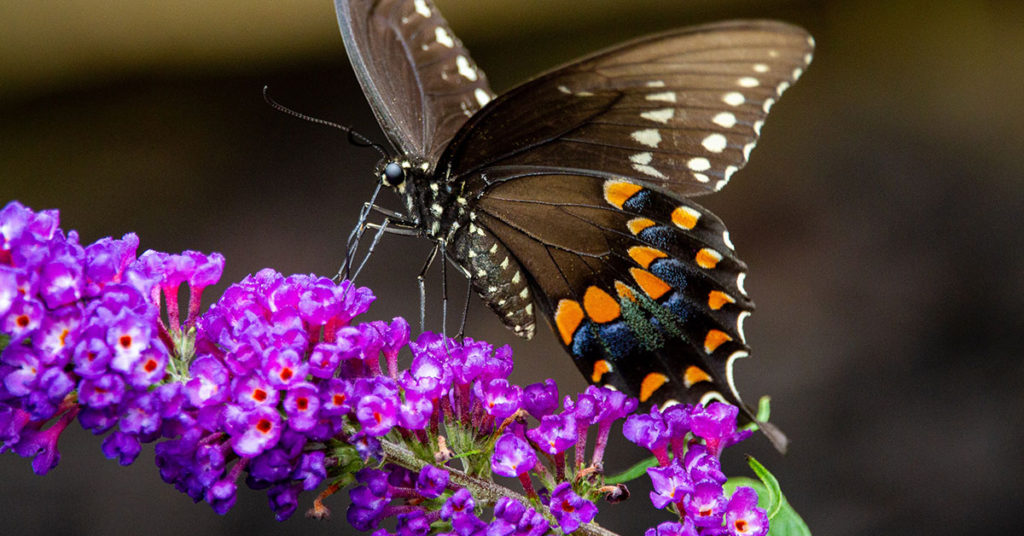
The Butterfly Bush, native to China and India, is famous for its spectacular, fragrant flower clusters that attract a whirlwind of butterflies and hummingbirds. Its flamboyant blossoms in shades of purple, pink, and white are an absolute feast for the eyes, and in the right conditions, it can transform any garden into a buzzing haven of pollinators! I’ve enjoyed watching these little beauties in action, as they lure in not just butterflies but also a range of beneficial insects that sometimes use the dense branching as a temporary nesting ground.
However, this perennial is as notorious as it is lovely. In many regions, Buddleja davidii is considered highly invasive, rapidly spreading beyond its intended borders and out-competing native flora. Its aggressive nature means that once established, it can be a constant struggle to keep under control, often requiring frequent pruning and removal of self-seeded plants. While its visual appeal is undeniable, the maintenance demands and ecological risks make the Butterfly Bush one of those plants I simply advise against planting in your garden!
Japanese Knotweed (Fallopia japonica)

Japanese Knotweed is a plant that, despite having clusters of delicate, creamy-white flowers, is infamous for its relentless, invasive growth. Native to East Asia, this perennial was once admired for its ornamental potential but has since earned a notorious reputation in many parts of the world. I’ve seen firsthand how its rapid, underground rhizome network can spread uncontrollably, causing serious structural damage to nearby foundations and outcompeting nearly every other plant in its path!
This plant’s aggressive behavior is not just a nuisance; it poses real ecological risks by smothering native species and altering habitats. Even though its blossoms might seem charming in spring, Japanese Knotweed is a prime example of a pretty face with a dangerous reputation. It’s best left out of any garden where you value biodiversity and low-maintenance landscaping—an investment in beauty that comes with far too high a price!
Hosta (Hosta spp.)
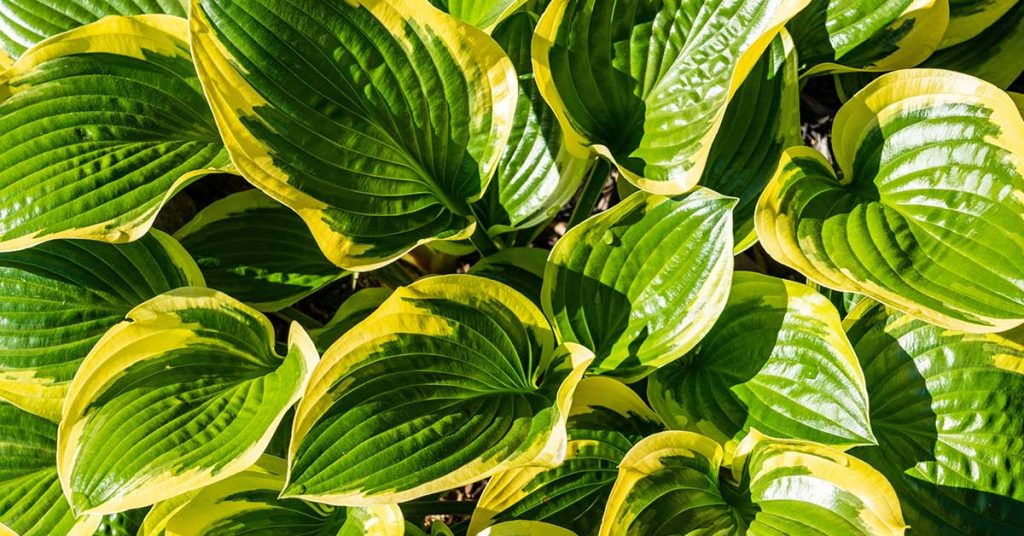
Hostas are beloved for their lush, variegated foliage and soft, graceful flowers that brighten shady garden corners. Native to East Asia, these perennials have long been a favorite for adding a touch of elegance and natural texture to woodland gardens. I’ve enjoyed the serene beauty of Hostas in my own landscape, where their broad leaves create a cool, inviting canopy and even attract beneficial insects that occasionally find refuge in their dense clumps!
Yet, what makes Hostas troublesome is their tendency to spread uncontrollably in the right conditions. In many gardens, they can become overwhelming, crowding out other plants and taking up more space than intended. Additionally, their dense foliage can sometimes harbor pests like slugs and snails, which are a bummer for any gardener trying to maintain a balanced ecosystem. While Hostas are undeniably pretty, their vigorous nature often makes them a challenge to manage effectively over time.
Vinca Minor (Periwinkle)
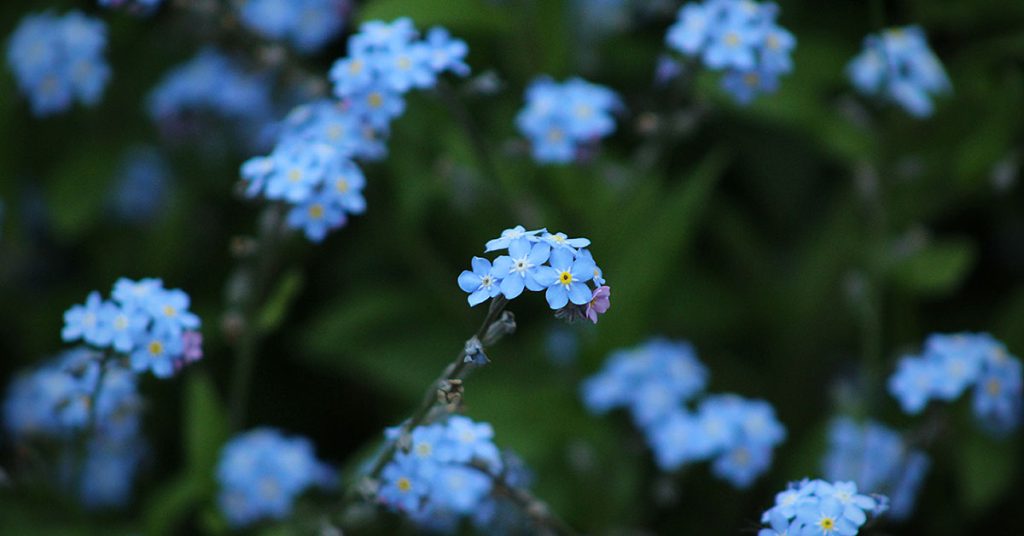
Vinca Minor, or periwinkle, is a charming evergreen perennial native to the Mediterranean region that offers a profusion of starry, blue or violet flowers. Its trailing habit and glossy, dark green leaves create a lovely carpet effect, ideal for brightening up shaded areas and garden borders. I’ve often admired how this plant’s blooms attract a host of small pollinators, including bees and butterflies, which sometimes even use the thick, creeping foliage as a safe spot to nest during cooler months!
However, the very traits that make Vinca Minor appealing also contribute to its problematic nature. This perennial is well-known for its aggressive, creeping growth that can quickly overwhelm other garden plants and invade unintended areas. Once established, it’s notoriously difficult to eradicate and can disrupt the natural balance of your landscape. Despite its beauty, the invasive tendencies of Vinca Minor make it a perennial to avoid if you value a controlled, low-maintenance garden!
St. John’s Wort (Hypericum perforatum)
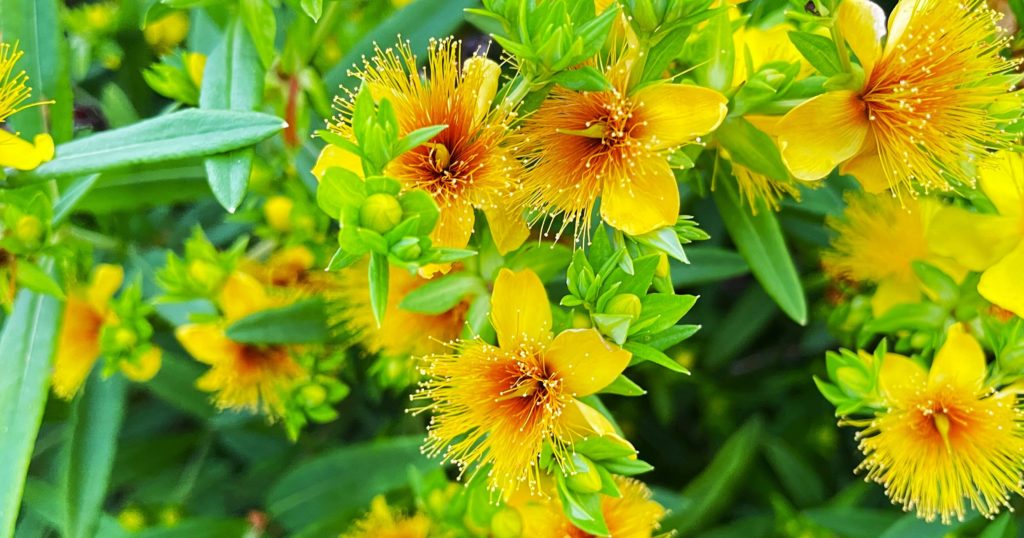
St. John’s Wort is a striking perennial native to Europe and parts of Asia, celebrated for its vivid yellow flowers and delicate, perforated leaves. In its native habitat, it plays a crucial role in supporting local pollinators and even provides modest shelter for small insects looking for a brief nesting spot among its branches. I’ve always been charmed by its cheerful blooms and the way it brings a burst of sunshine to any garden corner, even on overcast days!
Despite its aesthetic appeal, Hypericum perforatum is a plant that quickly earns a reputation as troublesome. It is highly invasive in many parts of the world, spreading aggressively and displacing native species. Its relentless self-seeding habit means that once planted, it can be a constant battle to keep under control—turning a beautiful display into a maintenance nightmare. For these reasons, while St. John’s Wort may look delightful, its invasive nature makes it one of the perennials I’d advise you to skip!
Ajuga reptans (Bugleweed)

Ajuga reptans, commonly known as Bugleweed, is an attractive ground-hugging perennial native to Europe that produces spikes of blue-purple flowers. Its compact, spreading habit makes it popular for covering bare patches in shady gardens, and I’ve seen it attract a variety of beneficial insects that use its dense foliage as a temporary refuge or even a nesting site. Its vibrant flower spikes can add a splash of color and a hint of sophistication to otherwise dull areas!
Yet, this very beauty comes with a downside. Bugleweed is notorious for its aggressive, invasive growth pattern that can smother other plants and quickly take over garden beds. Even though it’s visually appealing, its uncontrolled spread can lead to a lack of diversity in your garden and require constant vigilance and management. For gardeners who prefer a more balanced and easily controlled landscape, Ajuga reptans is one of those perennials best admired from afar rather than planted in abundance!
Canna Lily (Canna spp.)
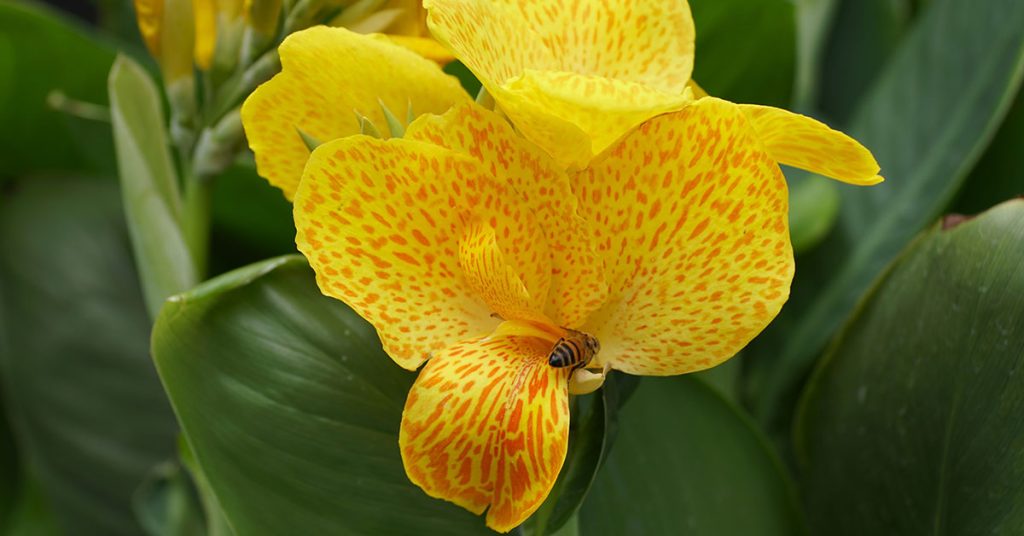
Canna Lilies, with their bold, tropical foliage and flamboyant blooms in shades of red, orange, and yellow, are a true spectacle in any garden. Native to the Americas, these perennials are celebrated for their dramatic presence and ability to create instant visual impact. I’ve often been drawn to their lush, architectural form, which not only attracts vibrant pollinators such as hummingbirds and butterflies but also seems to invite small critters to hide among their large, sword-like leaves!
However, the very qualities that make Canna Lilies so captivating can also render them troublesome. In warm climates, they can self-seed vigorously and spread far beyond their intended area, leading to overcrowded borders and increased maintenance. Their aggressive nature means that without proper containment, these plants can dominate a garden, pushing out more delicate species. Despite their tropical allure, the invasive potential of Canna Lilies makes them a less-than-ideal choice for gardeners seeking a controlled and balanced landscape!
Liriope muscari
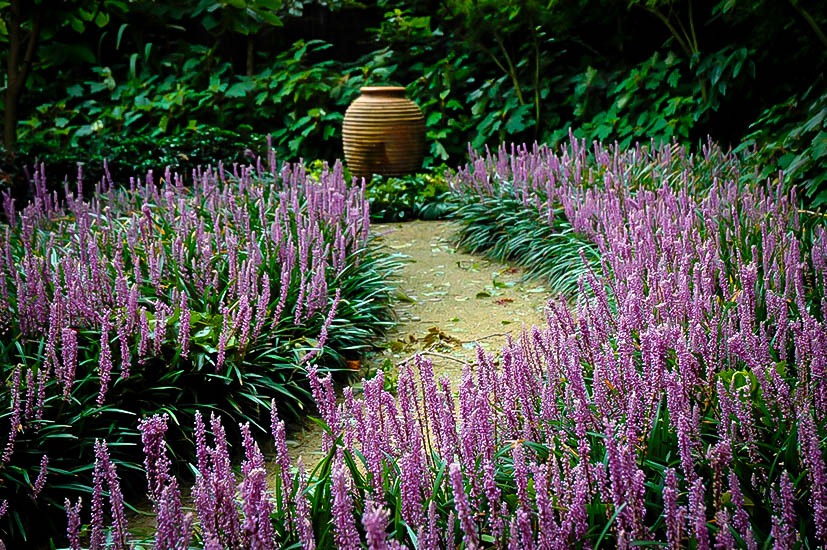
Liriope muscari, often known as lilyturf, is a perennial groundcover native to East Asia that produces graceful, grass-like foliage and modest spikes of purple flowers. Its neat, arching form makes it a popular choice for edging and filling in gaps, and I’ve enjoyed how its blossoms attract small pollinators that use the lush clumps as temporary nesting spots during warm afternoons. The elegant appearance of Liriope lends a refined touch to garden borders, contributing both beauty and a sense of structure to outdoor spaces!
Despite its subtle charm, Liriope can be incredibly persistent and troublesome once established. It has a tendency to spread aggressively, often encroaching on neighboring garden beds and out-competing more delicate plants. This invasive behavior makes it a challenge for gardeners who value a diverse, carefully curated landscape. While Liriope muscari is undoubtedly attractive, its propensity for uncontrolled growth is a major reason why I caution fellow gardeners against planting it in areas where space and balance are at a premium!