

Gardening is a wonderful hobby that connects us with nature, offering beauty, tranquility, and a sense of accomplishment. However, not all plants are as friendly as they appear. Some garden beauties harbor defenses that can cause discomfort or even harm if touched. It’s such a bummer when a lovely plant turns out to be a source of irritation or injury! Whether you’re a seasoned gardener or just starting out, being aware of these potentially harmful plants is essential to ensure a safe and enjoyable gardening experience.
Navigating a garden filled with both stunning and hazardous plants can be challenging. I know how frustrating it is to accidentally come into contact with a plant that causes itching, burning, or more serious reactions. That’s why I’m excited to share with you these eight plants that, while beautiful and beneficial in many ways, can hurt you if you touch them. Understanding their characteristics, native habitats, and behaviors will help you appreciate their beauty while keeping yourself safe. Let’s delve into the intriguing world of these protective plants and learn how to enjoy your garden without unwelcome surprises!
Poison Ivy (Toxicodendron radicans)
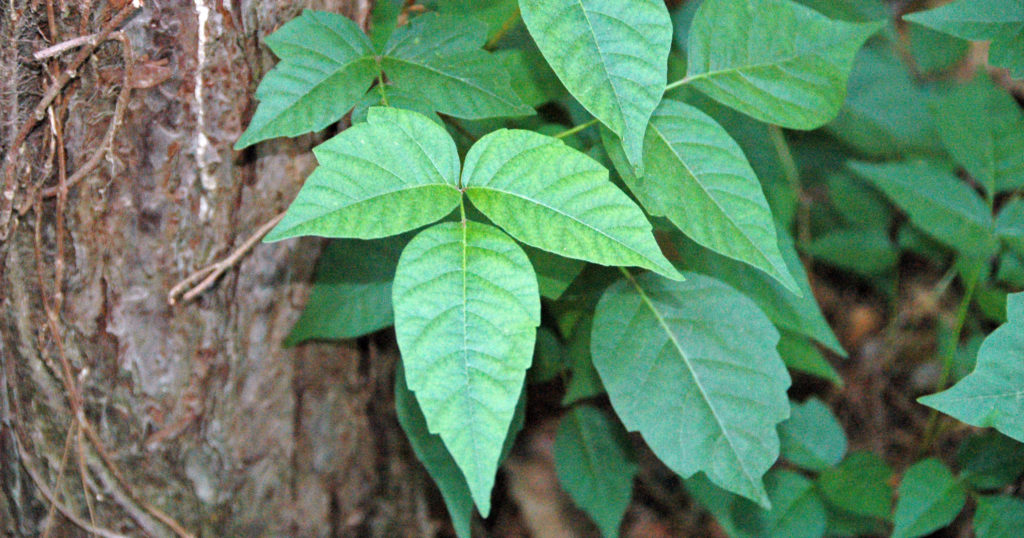
Poison Ivy is infamous for its ability to cause uncomfortable allergic reactions, making it a plant gardeners often approach with caution. Native to North America, poison ivy thrives in a variety of environments, including forests, fields, and even urban areas. It is a hardy perennial that can grow as a vine or shrub, easily spreading through its root system. While not considered invasive, its rapid growth can sometimes overshadow other plants if not kept in check. The plant is easily identifiable by its distinctive leaves, which typically appear in clusters of three with varying shades of green throughout the seasons.
The primary culprit behind poison ivy’s notoriety is urushiol, an oily resin found in all parts of the plant. Contact with urushiol can cause severe itching, redness, and blistering of the skin, making even a brief touch unpleasant. Despite its harmful effects, poison ivy plays a role in supporting wildlife, providing food and habitat for various animals, including birds and insects. Gardeners can manage poison ivy by wearing protective clothing, using barriers, and carefully removing the plant before it spreads. Understanding the risks and taking preventive measures allows you to coexist with this plant while keeping your skin safe from its irritating touch.
Giant Hogweed (Heracleum mantegazzianum)

Giant Hogweed is a striking plant that commands attention with its massive size and impressive umbels of white flowers. Native to the Caucasus region of Eurasia, this invasive species has spread to various parts of North America and Europe, where it often disrupts local ecosystems. Giant Hogweed thrives in moist, fertile soils and can grow up to 15 feet tall, making it a dominant presence in any area it inhabits. Its large, deeply lobed leaves and hollow, green stems adorned with purple blotches are distinctive features that help in its identification.
While Giant Hogweed may be visually stunning, it poses significant health risks due to its sap, which contains toxic compounds called furanocoumarins. These chemicals can cause severe skin irritation, blistering, and increased sensitivity to sunlight, leading to painful burns when exposed to UV rays. Additionally, inhaling the sap’s fumes can result in respiratory issues. Given its invasive nature and harmful effects, it’s crucial to handle Giant Hogweed with extreme caution or avoid it altogether. If you encounter this plant in your garden or community, it’s best to report it to local authorities to prevent its spread and protect both people and native plant species.
Stinging Nettle (Urtica dioica)

Stinging Nettle is a plant that’s both beneficial and bothersome, depending on how you interact with it. Native to Europe, Asia, northern Africa, and western North America, nettle thrives in moist, nitrogen-rich soils and is commonly found along riverbanks, forests, and disturbed areas. This perennial plant can grow up to six feet tall, with serrated, heart-shaped leaves covered in tiny, hair-like structures called trichomes. These trichomes contain irritants that can cause a stinging sensation when touched, making nettle a plant that gardeners often approach with caution.
Despite its painful sting, Stinging Nettle is incredibly nutritious and has been used for centuries in traditional medicine and cooking. Once the leaves are cooked or dried, the stinging hairs are neutralized, allowing them to be safely consumed in soups, teas, and herbal remedies. Nettle is rich in vitamins A, C, and K, as well as minerals like iron and calcium, making it a valuable addition to a balanced diet. Additionally, nettle attracts beneficial insects such as ladybugs and lacewings, which help control pest populations in your garden. By handling nettle carefully and utilizing its many benefits, you can transform this prickly plant into a valuable asset for both your health and your garden’s ecosystem.
Oleander (Nerium oleander)
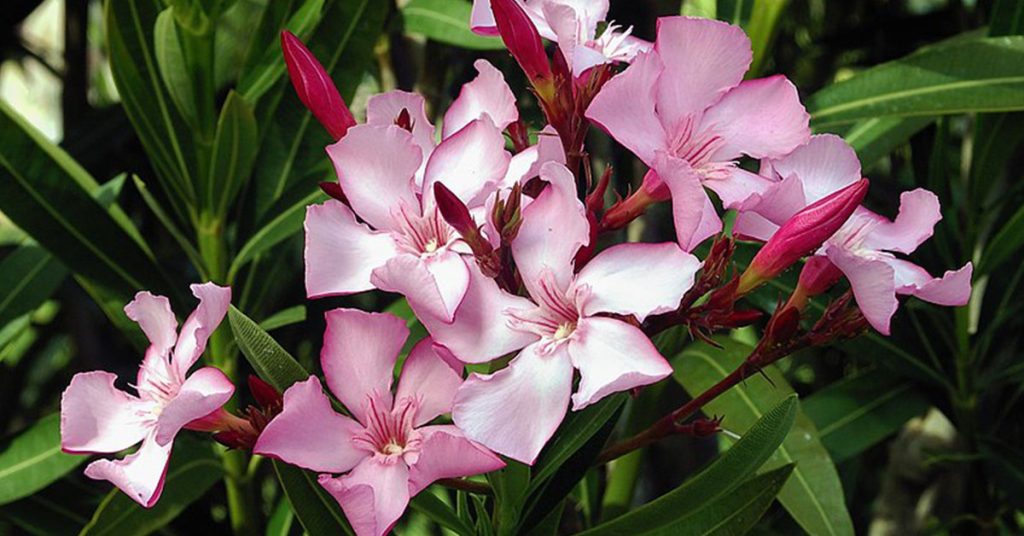
Oleander is a beautiful yet highly toxic shrub that adds vibrant color to gardens but demands respect due to its potent toxicity. Native to the Mediterranean region, oleander thrives in warm climates with plenty of sunlight and well-drained soil. It is widely cultivated for its stunning flowers, which come in shades of pink, red, white, and yellow, and its evergreen foliage that provides year-round beauty. While not typically invasive, oleander can spread if not properly maintained, so regular pruning is recommended to keep it in check.
Every part of the oleander plant contains toxic compounds called cardiac glycosides, which can cause serious health issues if ingested or even touched. Contact with the sap can lead to skin irritation, rashes, and allergic reactions, while ingestion can result in symptoms such as nausea, vomiting, irregular heartbeats, and even death in severe cases. Despite its dangers, oleander has been used in traditional medicine and as a source of natural insecticides. Gardeners who choose to grow oleander should handle it with care, wear protective gloves, and ensure it is planted in areas inaccessible to children and pets. Appreciating oleander’s beauty from a safe distance allows you to enjoy its ornamental appeal without risking your health.
Rosary Pea (Abrus precatorius)

Rosary Pea is a stunningly beautiful plant known for its striking red seeds with a black spot, often used in jewelry and decorative crafts. Native to tropical regions of Asia and Africa, Rosary Pea thrives in warm climates with plenty of sunlight and well-drained soil. While it is valued for its ornamental appeal, Rosary Pea is considered invasive in some areas due to its ability to spread rapidly through its seeds, which are easily dispersed by animals and water. The plant is a climbing or trailing vine, making it an attractive yet potentially troublesome addition to gardens.
The allure of Rosary Pea comes with a significant warning: its seeds contain abrin, a highly toxic compound that is deadly if ingested. Even touching the seeds can cause skin irritation, and accidental ingestion can lead to severe poisoning, affecting the liver, kidneys, and other vital organs. Due to its extreme toxicity, it’s crucial to handle Rosary Pea with great care, ensuring that children and pets do not come into contact with the seeds. While the plant’s beauty is undeniable, gardeners must weigh the risks and take appropriate precautions to prevent accidental exposure, making Rosary Pea a plant that requires both admiration and caution.
Jimsonweed (Datura stramonium)

Jimsonweed, also known as Devil’s Trumpet, is a striking plant that captivates with its large, trumpet-shaped flowers but poses serious health risks. Native to North America, Jimsonweed has spread to other parts of the world, thriving in disturbed soils, roadsides, and abandoned fields. It is not typically considered invasive, but its ability to self-seed and grow rapidly can make it a persistent presence in gardens if not controlled. The plant features large, spiky seed pods and glossy green leaves, making it easily identifiable and a topic of both fascination and caution among gardeners.
Every part of Jimsonweed contains toxic alkaloids such as scopolamine, hyoscyamine, and atropine, which can cause severe poisoning if ingested or even touched. Contact with the plant can lead to skin irritation, while ingestion can result in symptoms like hallucinations, confusion, rapid heartbeat, and potentially life-threatening respiratory issues. Despite its dangers, Jimsonweed has a place in traditional medicine and folklore, often associated with magical and medicinal uses. Gardeners who cultivate Jimsonweed should handle it with extreme care, wear protective clothing, and ensure it is kept away from children and pets. Understanding the risks associated with Jimsonweed allows you to appreciate its beauty while maintaining a safe gardening environment.
Monkshood (Aconitum spp.)

Monkshood, also known as Wolfsbane, is a mesmerizing plant admired for its hood-shaped flowers and vibrant colors, yet it is one of the most toxic plants in the garden. Native to mountainous regions of Europe and Asia, Monkshood thrives in cool, moist environments with well-drained soil and partial shade. It is not considered invasive, making it a manageable addition to gardens when cultivated responsibly. The plant features tall, erect stems adorned with intricate flowers in shades of blue, purple, and white, creating a striking visual impact.
Despite its beauty, Monkshood contains potent alkaloids such as aconitine, which can cause severe poisoning if ingested or even touched. Skin contact can lead to numbness, tingling, and irritation, while ingestion can result in symptoms like vomiting, irregular heartbeats, and paralysis, potentially leading to death. Due to its high toxicity, Monkshood should be handled with extreme caution, wearing gloves and protective clothing to prevent accidental contact. Gardeners who choose to grow Monkshood must ensure it is placed in a secure area, away from children and pets, and be well-informed about its hazardous properties. Appreciating Monkshood’s elegance from a safe distance allows you to enjoy its ornamental value without compromising safety.
Poinsettia (Euphorbia pulcherrima)

Poinsettias are beloved for their vibrant red and green foliage, especially during the holiday season, but they come with a mild level of toxicity that gardeners should be aware of. Native to Mexico and Central America, poinsettias thrive in warm, sunny environments with well-drained soil, making them a popular choice for indoor and outdoor gardens alike. While not considered invasive, poinsettias can spread if not properly maintained, especially in warmer climates where they can grow vigorously.
All parts of the poinsettia plant contain latex sap, which can cause skin irritation and gastrointestinal discomfort if ingested. While poinsettias are often labeled as poisonous, the actual risk is relatively low, with most cases resulting in minor symptoms like skin irritation or mild stomach upset. However, it’s still important to handle the plant with care, especially around children and pets who might be more susceptible to its effects. By placing poinsettias in accessible areas and educating family members about their potential risks, you can safely enjoy their festive beauty without worrying about accidental exposure. Their striking colors and ease of care make poinsettias a delightful yet cautious addition to any garden or home.
Conclusion

Gardening offers a wonderful opportunity to cultivate beauty and connect with nature, but it’s essential to be mindful of the plants that can pose risks to your health. These eight plants—ranging from the infamous Poison Ivy and Giant Hogweed to the stunning yet toxic Monkshood and Poinsettia—highlight the importance of knowledge and caution in the garden. By understanding the characteristics, native habitats, and potential dangers of these plants, you can enjoy their beauty while keeping yourself and your loved ones safe.