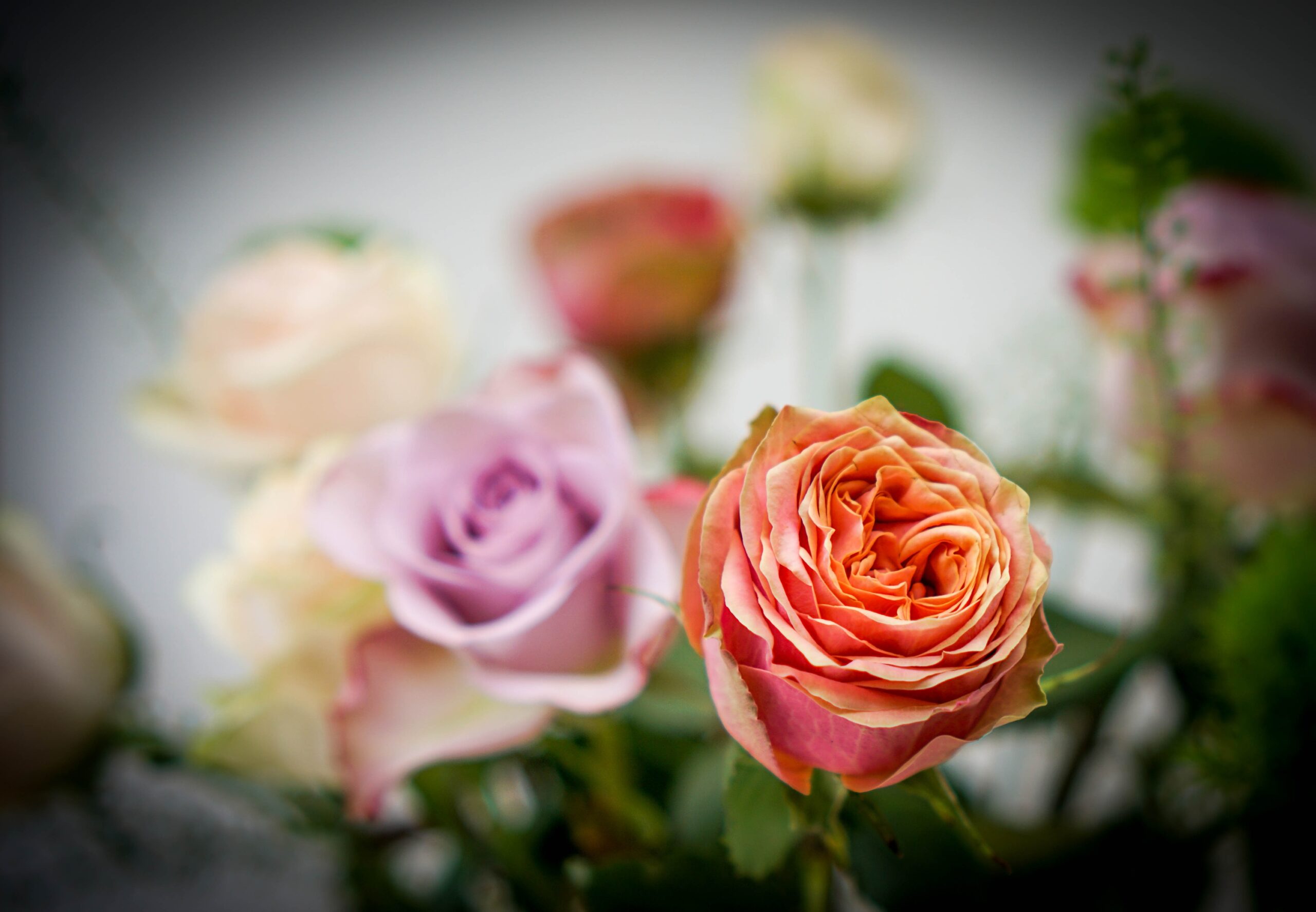

Something quiet but unmistakable has been happening in gardens and flower shops over the past couple of years. Blooms that were once dismissed as outdated, the kind your grandmother grew along a fence or pressed into a scrapbook, are suddenly everywhere again. Social media feeds, wedding florists, and seed catalogs are all telling the same story.
A Monrovia survey found that roughly a third of gardeners said gardening reminded them of simpler times, a four percent increase over 2024. Marshalls Plc separately revealed a one hundred and fifty percent year-on-year increase in searches for “cottagecore garden.” These aren’t random data points. They point to a genuine cultural shift, one where old-fashioned flowers are earning serious commercial and aesthetic value all over again.
1. Peonies: The Undisputed Star of the Revival
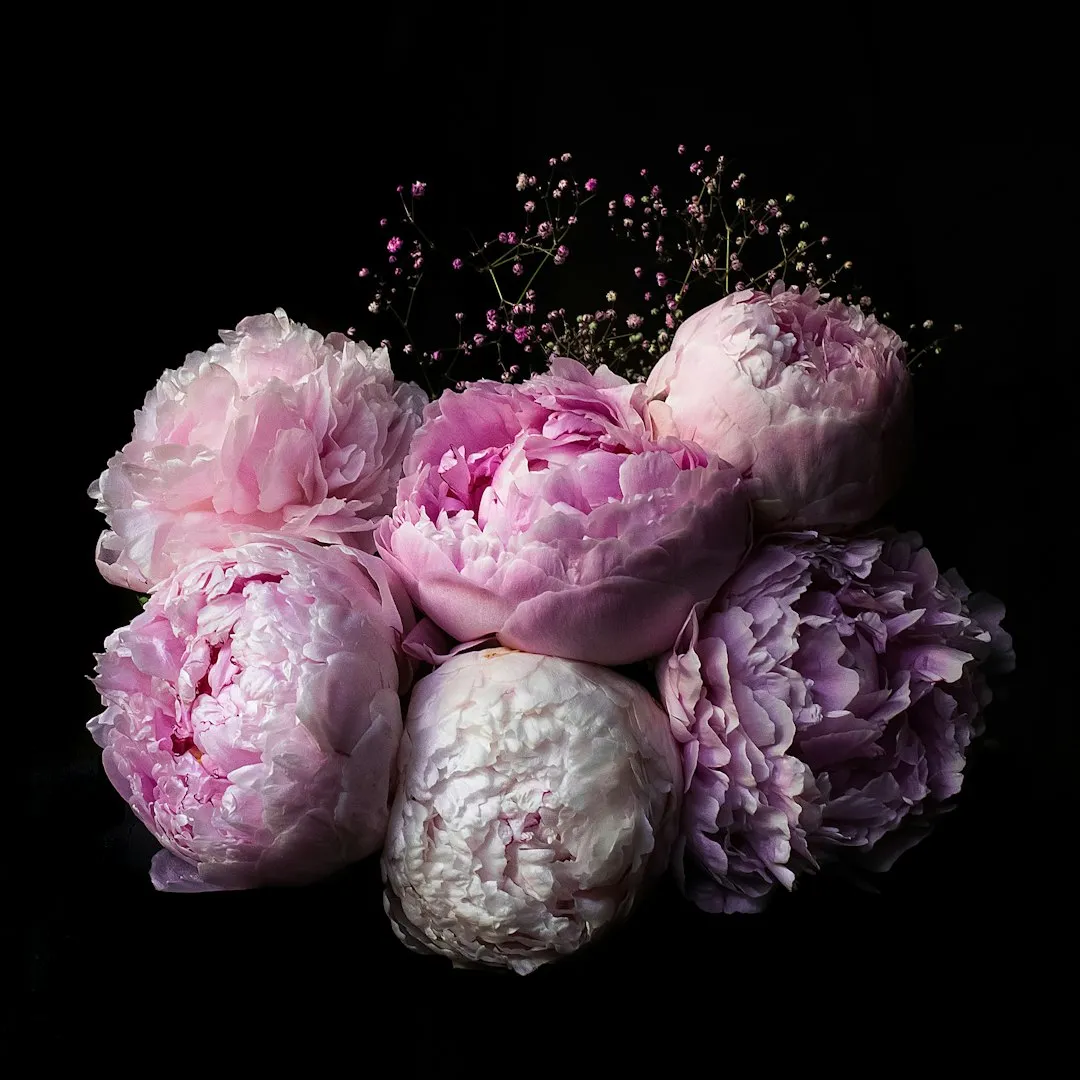
Google search data shows that peonies’ global online searches have shown a one hundred and seventy-five percent increase over the past two years. That’s a remarkable jump for a flower that’s been around for centuries. The peony market was valued at over three hundred million dollars in 2025 and is expected to climb significantly by 2032, growing at a compounded annual rate of three and a half percent.
The peony market is witnessing rapid growth driven by increasing demand for premium ornamental flowers, with over sixty-two percent of floral retailers reporting a surge in peony sales. The growing popularity of sustainable gardening has also boosted demand, and the rise of floriculture for weddings and special events continues to amplify market growth. Few flowers have managed to straddle the line between heirloom charm and modern luxury quite so convincingly.
2. Delphinium: 1-800 Flowers Named It the Flower of the Year 2026
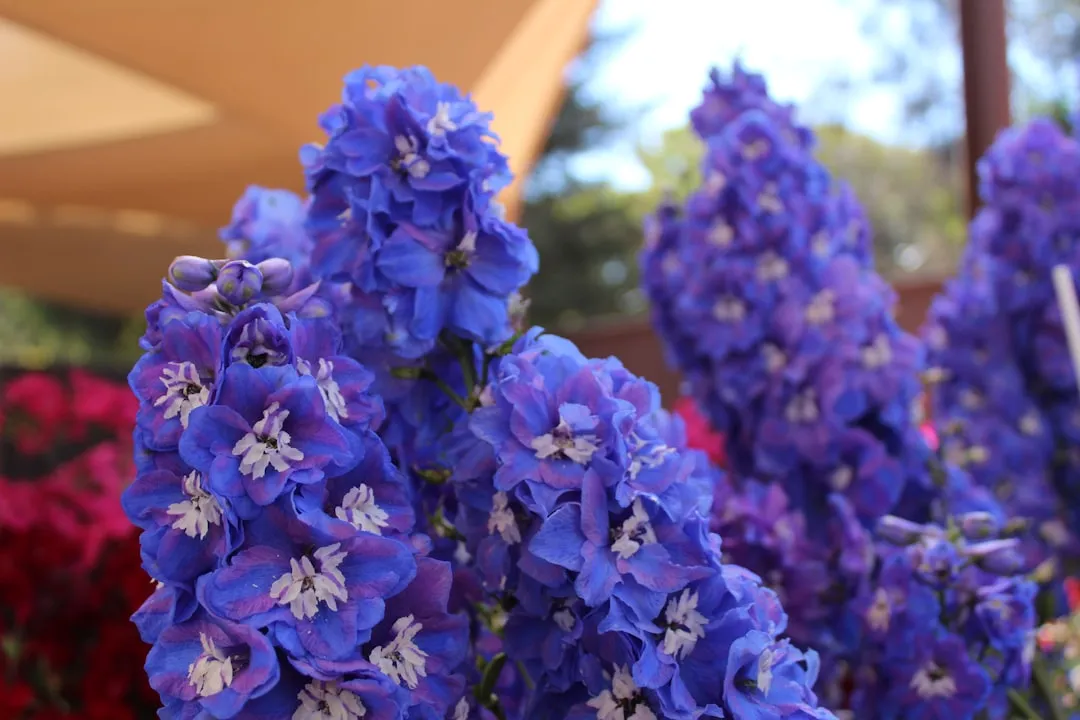
1-800-Flowers.com named the delphinium its 2026 Flower of the Year, with the selection highlighting botanicals that embody themes of elevation and grounding, reflecting cultural mood and design movements expected to define the year. That kind of endorsement from a major commercial retailer carries real weight. The delphinium fits squarely into the “calm luxury” trend, tall and graceful with cool-toned flowers and an architectural structure.
The Philadelphia Horticultural Society noted the use of delphiniums alongside other nostalgic blooms as a standout at the 2025 Philadelphia Flower Show, evoking a sense of nostalgia and joy while making a stylish comeback. The flower’s verticality gives it a presence that most arrangements simply can’t replicate. It’s one of those blooms that makes a garden feel intentional.
3. Sweet Peas: Fragrance Is Back in Fashion
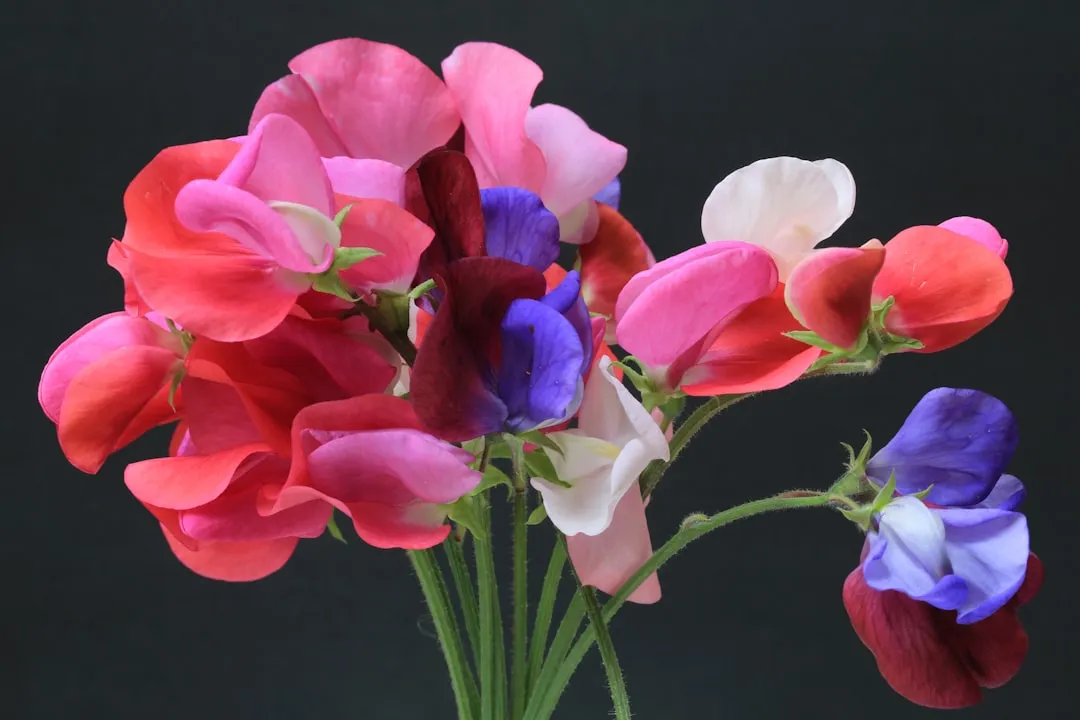
Sweet peas brought cheerful, sentimental flair to many arrangements at the 2025 Philadelphia Flower Show and are making a strong comeback. Part of their appeal is deeply sensory. Their fragrance is something the modern cut-flower industry largely moved away from in the push for longer shelf life, and now consumers are actively seeking it out again.
Small clusters of sweet peas are now appearing in bridal bouquets alongside petite garden roses and hellebore, prized for their intimacy and romance. Social media feeds in 2026 are flooded with sweet peas, foxgloves, and big fluffy peonies, turning what used to be called “doomscrolling” into something gardeners now refer to as “bloomscrolling.” It’s a cultural moment as much as a horticultural one.
4. Dahlias: From Grandma’s Garden to the Wedding Aisle
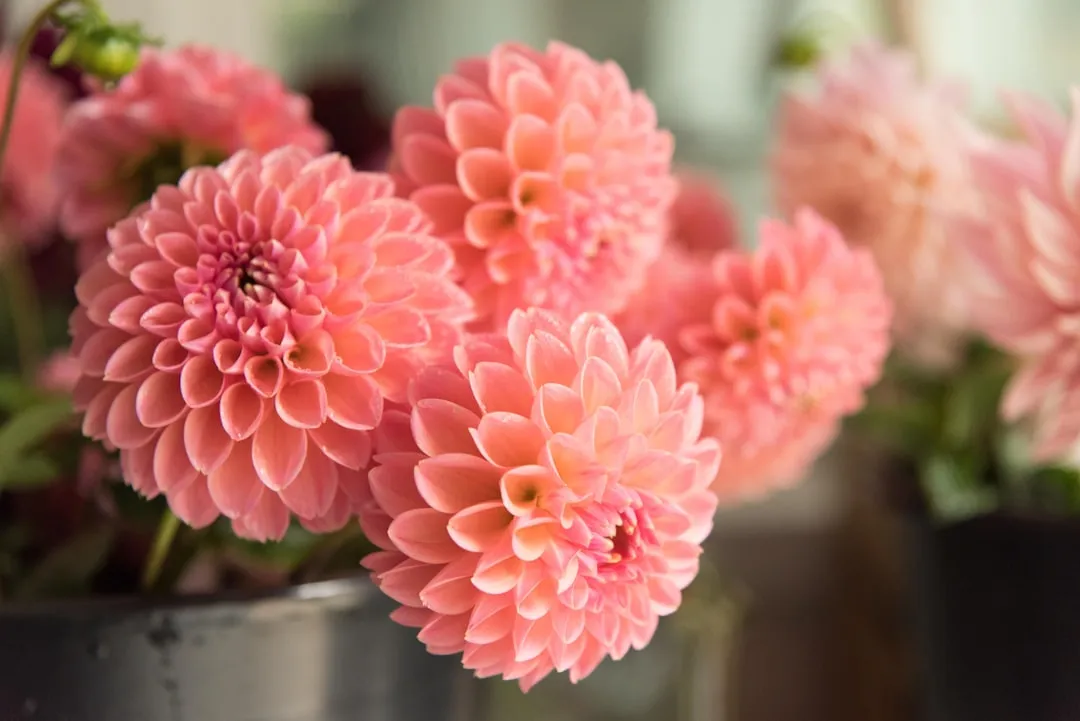
Dahlias had their moment a few years ago, but they really deserve the attention. From dinner-plate varieties the size of a dinner plate to sweet little pompom types, dahlias are endlessly satisfying to grow and absolutely showstopping in a vase. Their range is part of what makes them so commercially durable. Few other flowers offer such variety in scale and form.
In 2026, dinner-plate dahlias are showing up prominently in wedding bouquets alongside other dramatic focal blooms. Dahlias follow distinct seasonal price cycles, with costs fluctuating based on their natural growing periods and availability. That seasonal dynamic actually works in their favor, keeping demand consistently high when supply tightens. Their revival isn’t a blip; it looks sustained.
5. Carnations: The Most Underrated Comeback Story
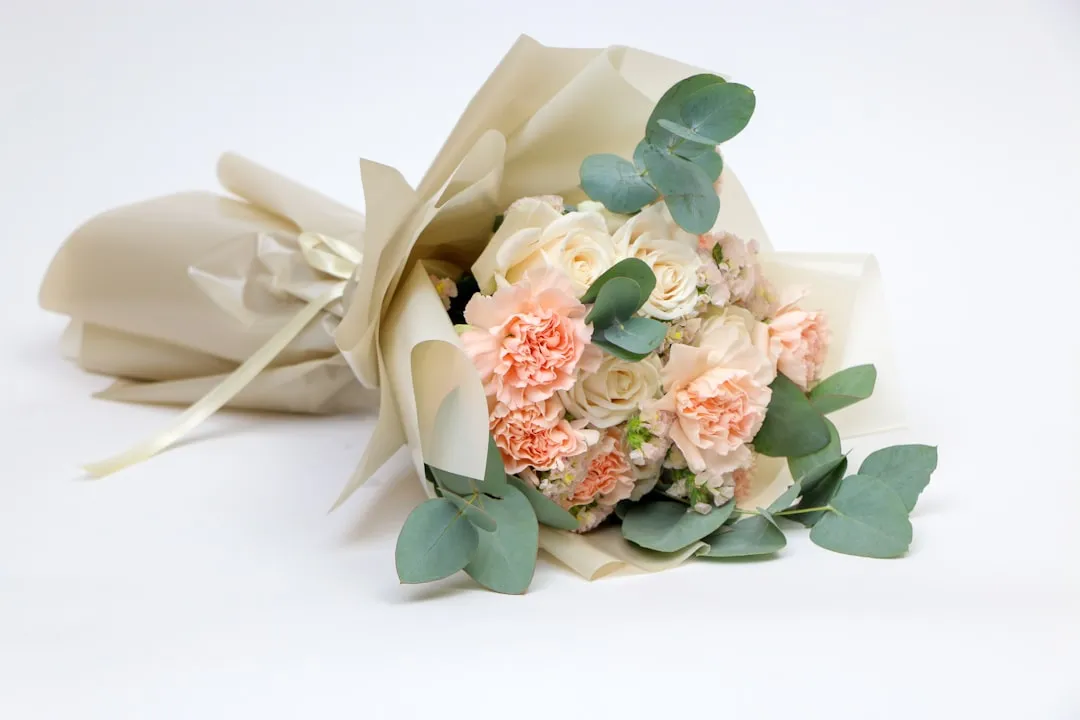
Carnations were highlighted as a retro favorite at the 2025 Philadelphia Flower Show, evoking nostalgia and joy while making a stylish return to mainstream arrangements. For years, carnations were unfairly saddled with a cheap reputation, the default filler flower of gas station bouquets. That image has largely been shed. Carnations are a multifaceted flower with ruffled petals that mimic the fullness of peonies, and they represent an affordable yet beautiful option for creating lush arrangements.
The upgrade of the carnation’s reputation has been driven partly by florists and partly by the farm-to-vase movement, which values local, hardy varieties over imported options. Their resilience and long vase life make them commercially attractive in a market where sustainability is increasingly a selling point.
6. Snapdragons: The Cottagecore Darling Getting Commercial Attention
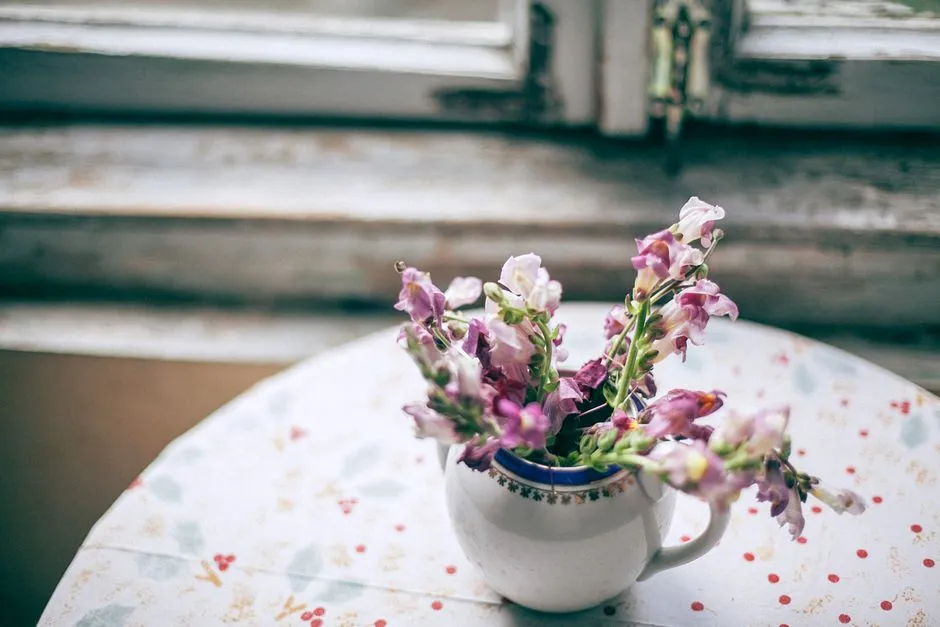
Floral experts at Arena Flowers analyzed two years of Google search data and found that, alongside peonies, the cottagecore obsession has pushed snapdragons to the top of the trending flowers list for 2025. Snapdragons have an old-fashioned verticality that pairs beautifully with loose, romantic arrangements. They’re also one of the more versatile cut flowers available to growers.
Yardzen’s 2025 Trend Report, drawing from over one million users, reported an eighteen percent increase in requests for cottage-style gardens, the kind of planting where snapdragons naturally belong. This shift is being described as “rewilded romanticism,” which embraces cottage-style planting while integrating native and climate-adapted species. Snapdragons fit that description almost perfectly.
7. Hollyhocks: The Architectural Bloom Finding New Admirers
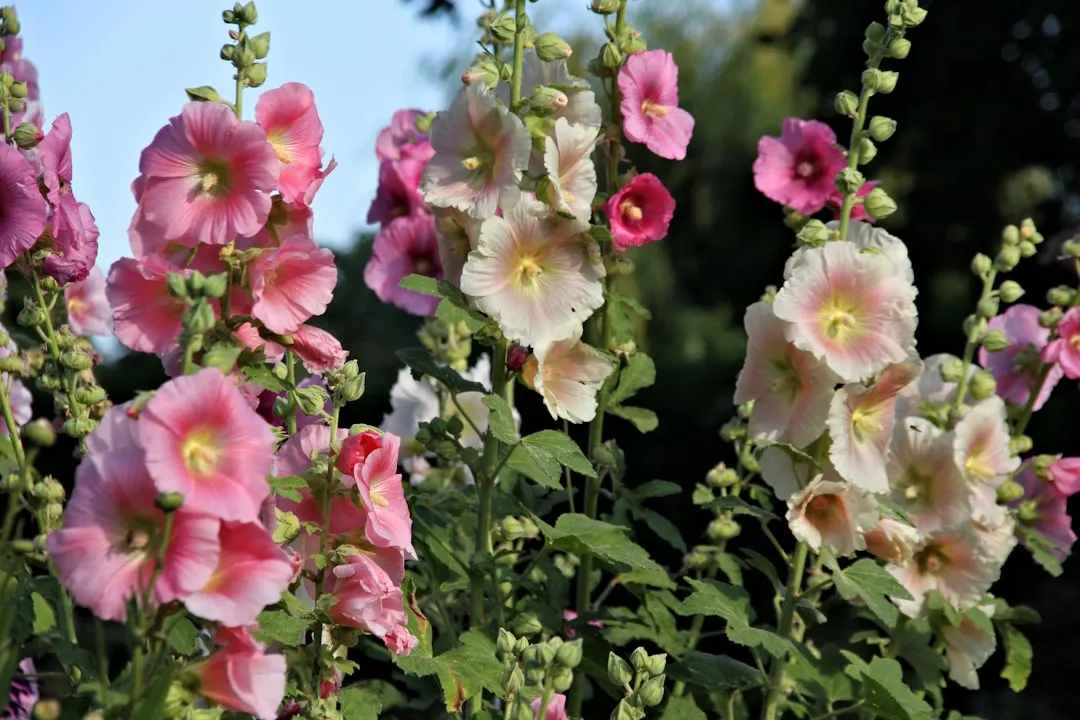
Sweet peas, hollyhocks, and more are having a major moment, with old-fashioned flowers capturing widespread attention in 2026. Hollyhocks in particular stand apart because of their sheer visual drama. Their tall spires against a sun-warmed wall or fence have a quality that no contemporary hybrid has fully managed to replicate. They bring structure to a garden in a way that feels both relaxed and deliberate.
Victorian-style gardens are experiencing a renaissance, featuring cottage garden plants and romantic elements, with these gardens celebrating abundance and seasonal succession planting. Hollyhocks are a natural centerpiece of that aesthetic. Mature climbing plants and established perennial borders add immediate value and character to properties, making hollyhocks an investment that rewards patience with lasting garden equity.
8. Ranunculus: The Premium Bloom with Growing Market Presence
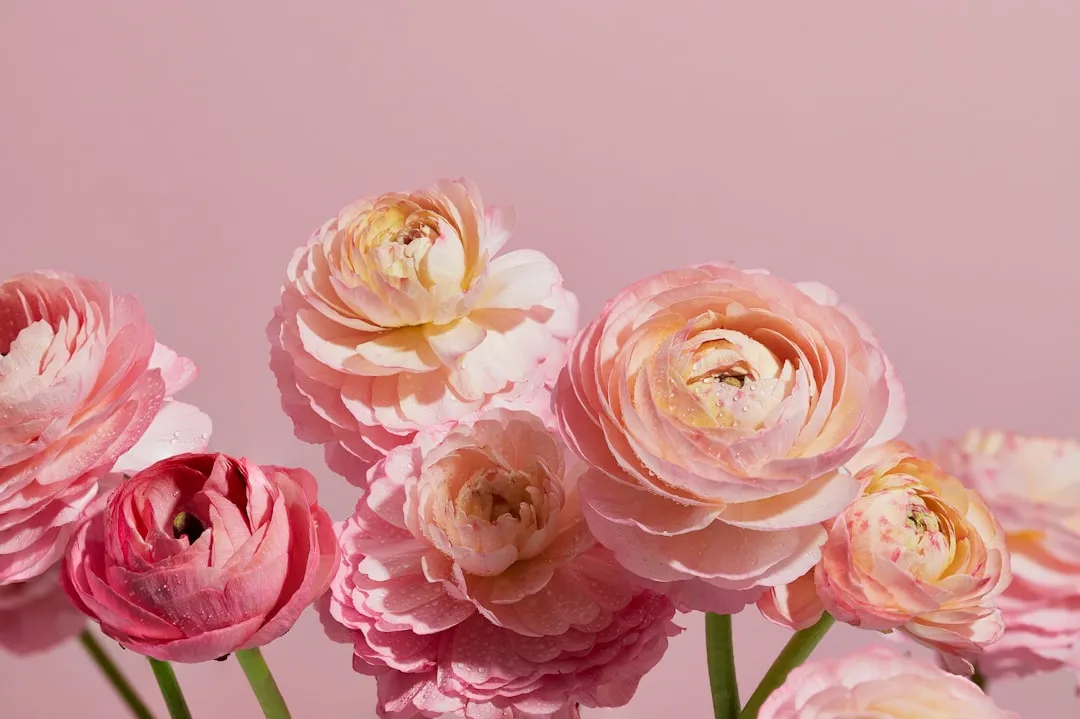
Ranunculus was prominently featured at the 2025 Philadelphia Flower Show, signaling its continued rise in the world of floral design. It may be the most polished of the old-fashioned flower revivals. Its tightly layered petals photograph beautifully, which in the social media era translates directly into demand. Ranunculus are available in a wide variety of colors, including bright yellows, romantic pinks, deep reds, and elegant whites, offering plenty of options for every aesthetic.
Ranunculus follows distinct seasonal cycles alongside dahlias and tulips, with prices fluctuating based on natural growing periods and availability. In 2026, small clusters of ranunculus are appearing in petite bridal bouquets, appreciated for their intimate, romantic quality. At the premium end of the cut-flower market, ranunculus now commands prices that would have surprised growers a decade ago. Its comeback has been less nostalgic and more quietly luxurious.
Why the Nostalgia Economy Is Driving Real Value
The United States floriculture market was estimated at nearly seven billion dollars in 2023 and is expected to grow at roughly eight percent per year from 2024 to 2030. Old-fashioned flowers aren’t just riding a trend; they’re benefiting from a structurally expanding market. Millennials and Generation Z consumers in particular are actively engaging with floriculture, seeking plants that improve their living spaces and connect them to something more grounded.
Around fifty-five percent of American households engage in gardening activities, translating to over one hundred and eighty-five million people. That’s a vast consumer base, and it’s increasingly leaning toward the authentic and the meaningful over the purely fashionable. Studies show plants can reduce stress, improve mood, and increase productivity, and old-fashioned flowers carry an additional emotional layer that purely modern varieties simply don’t.
What This Means for Growers and Gardeners
Growers can capitalize on the nostalgia trend by leaning into new takes on traditional plants. That doesn’t have to mean wholesale reinvention. Sometimes it’s simply about presenting these flowers in a more contemporary context, whether through direct-to-consumer seed sales, farm-fresh subscriptions, or local farmers’ market presence. The demand is genuinely there, backed by search data and sales figures.
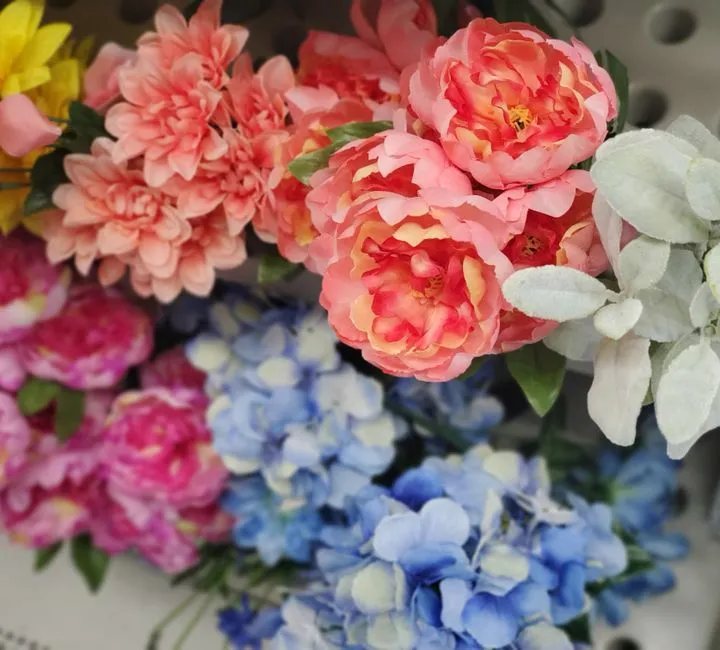
Classic flowers such as hydrangeas, roses, peonies, and other flowering shrubs often thought of as old-fashioned are firmly in demand again. For home gardeners, this moment is an invitation to revisit what was planted by previous generations, not out of sentimentality alone, but because these plants are increasingly proven to offer real beauty, ecological value, and even commercial worth. Classic flowers were never really gone; they were just waiting for us to catch up.
The Takeaway
The revival of these eight flowers isn’t nostalgia for nostalgia’s sake. It’s a measurable market shift driven by changing consumer values, a growing appreciation for fragrance and texture, and a wider cultural turn toward the authentic over the artificial. The data from search trends, market reports, and flower show award winners all point in the same direction.
Peonies climbing to a multi-billion-dollar market. Delphiniums named Flower of the Year for 2026. Snapdragons landing on trend lists drawn from millions of data points. These aren’t coincidences. The flowers your grandmother loved are, it turns out, exactly what the market has been quietly asking for.
AI Disclaimer: This article was created with the assistance of AI tools and reviewed by a human editor.