

There are five places on Earth where people regularly live past 100 without the chronic diseases that cut short lives elsewhere. Researchers call them Blue Zones: Okinawa in Japan, Sardinia in Italy, Nicoya in Costa Rica, Ikaria in Greece, and Loma Linda in California. In the early 2000s, researcher Dan Buettner partnered with National Geographic and longevity scientists to find the places in the world with the highest concentration of people living past 100 in good health, and they identified five regions they called Blue Zones.
What these populations eat daily is not random. More than 150 dietary surveys of the world’s longest-lived people were distilled to uncover the secrets of a longevity diet, and the resulting guidelines reflect how the world’s longest-lived people ate for most of their lives. The foods below appear again and again across every region, backed by real research.
1. Beans and Legumes: The Undisputed Cornerstone
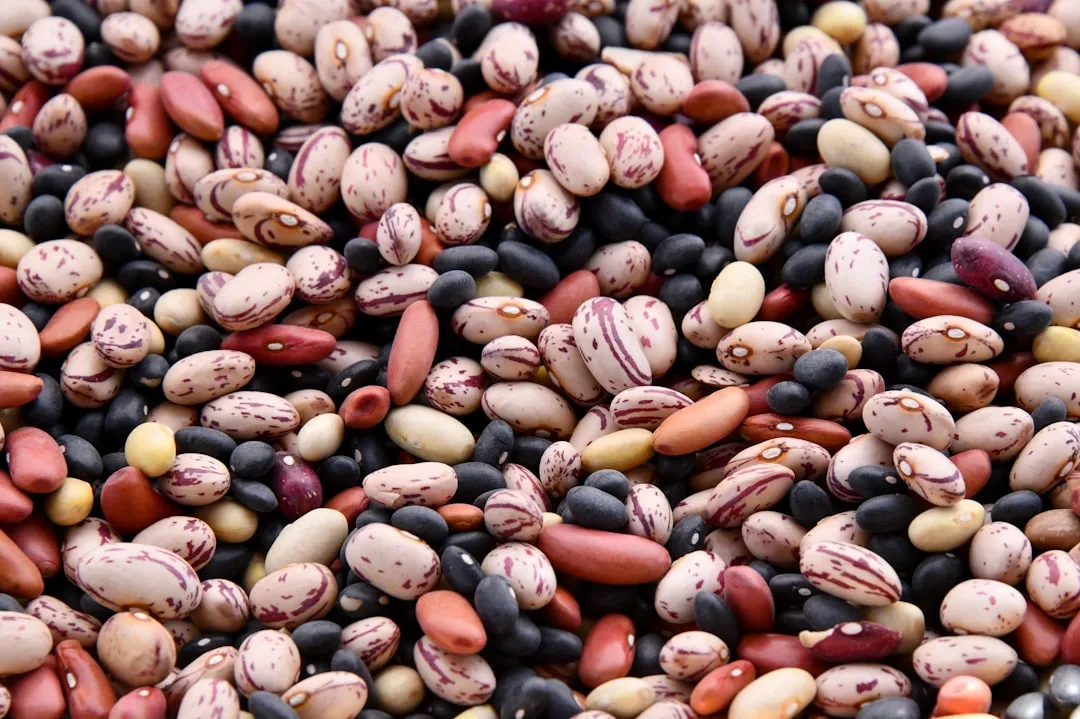
Beans reign supreme in Blue Zones. They are the cornerstone of every longevity diet in the world: black beans in Nicoya; lentils, garbanzo, and white beans in the Mediterranean; and soybeans in Okinawa. That kind of cross-regional consistency is hard to ignore.
Legumes, including beans, lentils, chickpeas, tofu, and peas, appear in every Blue Zone, with most people eating half a cup to a full cup of beans per day. Beans are a near-perfect longevity food: high in fiber, protein, minerals, and resistant starch that feeds good gut bacteria.
People in the Blue Zones eat at least four times as many beans as Americans do on average. On average, beans are made up of roughly one fifth protein and more than three quarters complex carbohydrates, the kind that deliver a slow and steady energy rather than the spike you get from refined carbohydrates like white flour.
2. Leafy Green Vegetables: The Anti-Aging Staple
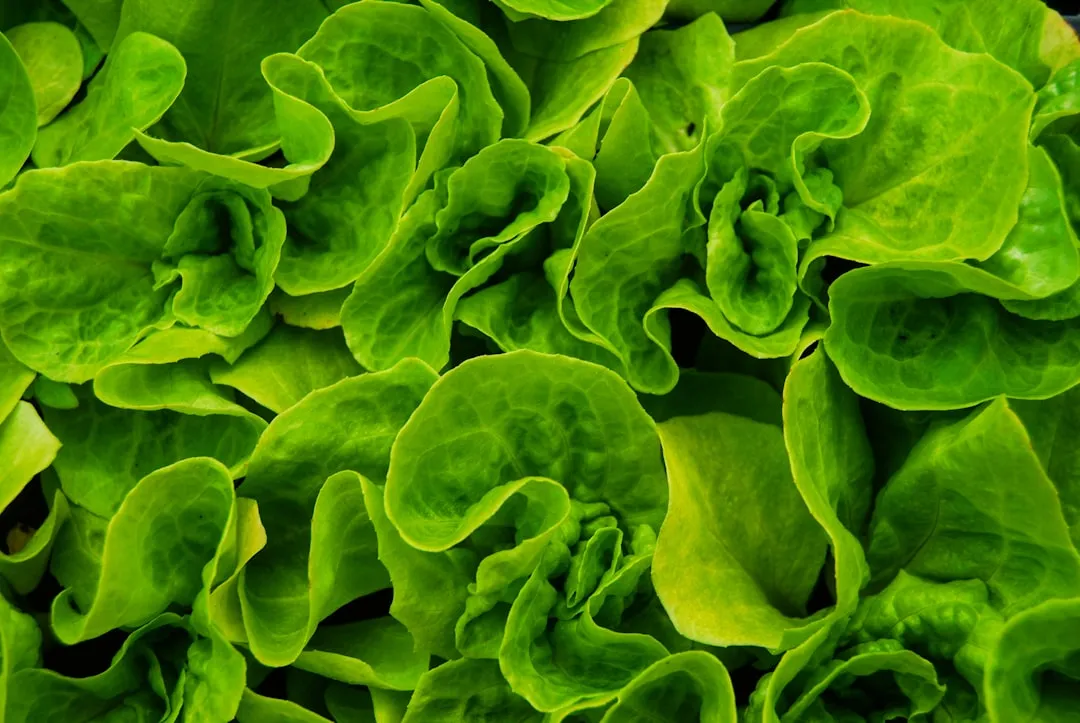
The best of the best longevity foods in the Blue Zones diet are leafy greens such as spinach, kale, beet and turnip tops, chard, and collards. Studies have found that middle-aged people who consumed the equivalent of a cup of cooked greens daily were half as likely to die in the next four years as those who ate no greens. That is a remarkable finding for something so simple.
High intake of leafy vegetables is associated with slower cognitive decline as people age, and the nitrates in greens like arugula and Swiss chard support cardiovascular function and blood pressure regulation. Centenarian diets in Blue Zone communities average 40 to 60 grams of fiber daily, compared to roughly 15 grams in the typical Western diet.
Leafy greens such as spinach, kale, and wild greens provide polyphenols and micronutrients linked with anti-aging benefits. In practical terms, the Blue Zones approach treats greens not as a side dish but as the main event at most meals.
3. Olive Oil: Liquid Gold from the Mediterranean

In Ikaria, Greece, researchers found that middle-aged people who ate about six tablespoons of olive oil daily seemed to reduce their risk of dying by half. Other research has shown that olive oil has a range of benefits thanks to its high levels of antioxidants.
In 2024, a Harvard-led study published in JAMA Network Open analyzed 92,383 participants over 28 years and found that those with the highest olive oil consumption had a significantly lower risk of dying from dementia. The benefit held even after adjusting for overall diet quality, meaning olive oil contributed independently of everything else these people were doing well.
Sardinian centenarians consume olive oil daily as their primary fat source. High-quality extra virgin olive oil is produced locally and consumed as part of a broader Mediterranean diet pattern, and researchers noted that the shift toward Mediterranean eating habits, with olive oil at the center, improved health outcomes in the population.
4. Whole Grains and Sourdough Bread: Slow Energy Done Right
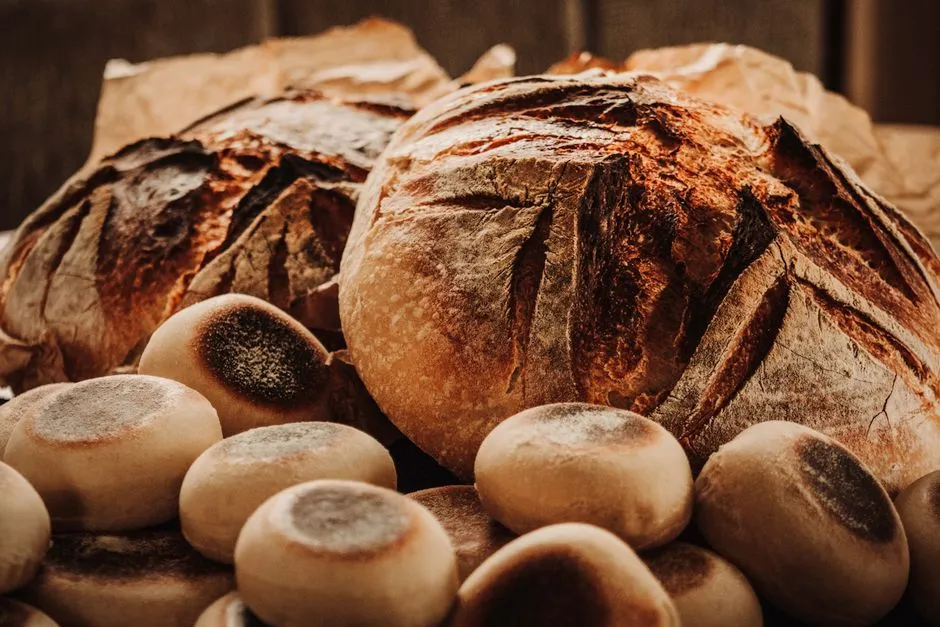
Whole grains represent a key element in the dietary frameworks of Blue Zones, complementing the emphasis on plant-based foods. These dietary staples, including barley, oats, and brown rice, contribute substantially to fiber intake and overall nutrient density.
Meta-analysis reviews have found that consuming whole grains reduces your risk of diseases that shorten your life. One published in the BMJ analyzed 45 studies and concluded that whole grains can help you live longer by cutting your risk of heart disease, cancer, diabetes, respiratory disease, and infectious diseases.
Bread in the Blue Zones is not your typical supermarket loaf. It is either whole grain or naturally fermented sourdough, both of which have a lower glycemic load and higher nutrient content than white bread. In Ikaria and Sardinia, bread is made from whole wheat, rye, or barley, delivering minerals like selenium and magnesium. Traditional sourdough uses lactobacilli bacteria, which pre-digest gluten and starches.
5. Nuts: A Small Handful with Big Returns

A handful of nuts weighs about two ounces, the average amount that Blue Zones centenarians consume, including almonds in Ikaria and Sardinia, pistachios in Nicoya, and all types of nuts among the Adventists. The Adventist Health Study 2 found that nut eaters outlive non-nut eaters by an average of two to three years.
The optimal mix includes almonds, which are high in vitamin E and magnesium; peanuts, which are high in protein and folate; Brazil nuts, high in selenium; cashews, high in magnesium; and walnuts, high in alpha-linoleic acid, the only omega-3 fat found in a plant-based food. Walnuts, peanuts, and almonds are the nuts most likely to lower cholesterol.
Most Blue Zone people eat a small handful of nuts daily, and studies consistently link nut consumption to lower risk of heart disease and longer life. The evidence on this particular food is unusually consistent across multiple long-running studies.
6. Okinawan Sweet Potatoes: A Polyphenol Powerhouse
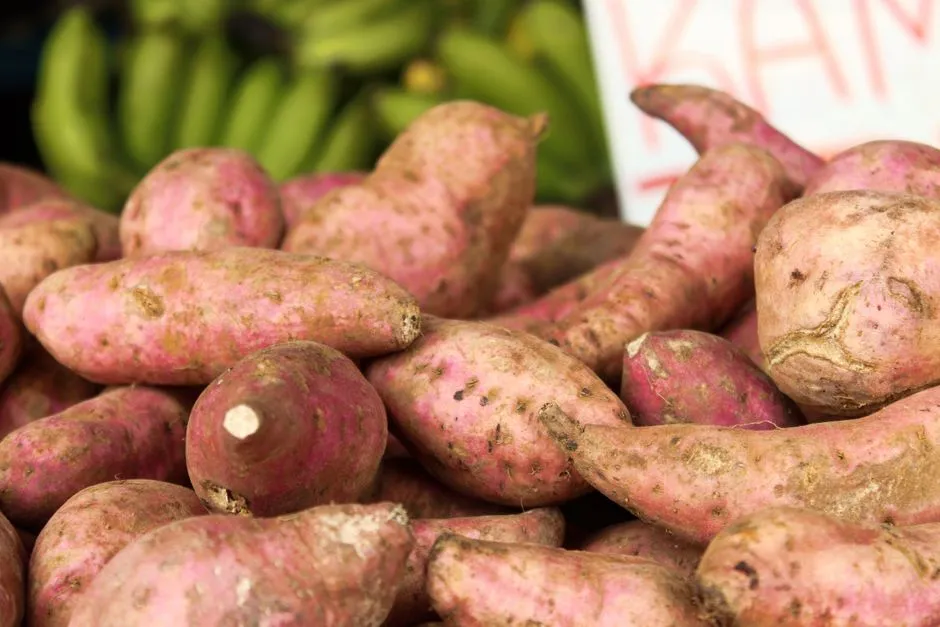
The traditional Okinawan diet is rich in sweet potatoes and supplemented with greens, small fatty fish, and soy products like tofu. Sweet potato, in particular the purple variety commonly consumed in the traditional Okinawan diet, is a fiber source of complex carbohydrates full of polyphenols.
Elevated anthocyanin polyphenol intake from sweet potatoes may serve as one way that the Okinawan diet promotes longevity. Additionally, Okinawans consume substantial amounts of soy-based foods like tofu and miso soup.
The Okinawa diet is primarily plant-based, featuring sweet potatoes, leafy greens, and soy, while the Sardinia and Ikaria diets are variations of the Mediterranean diet, with a focus on fruits, vegetables, olive oil, and moderate intakes of fish and dairy. The sweet potato was historically so central to the Okinawan diet that it effectively served as the main calorie source for centuries.
7. Soy Foods and Tofu: Isoflavones for Cellular Health
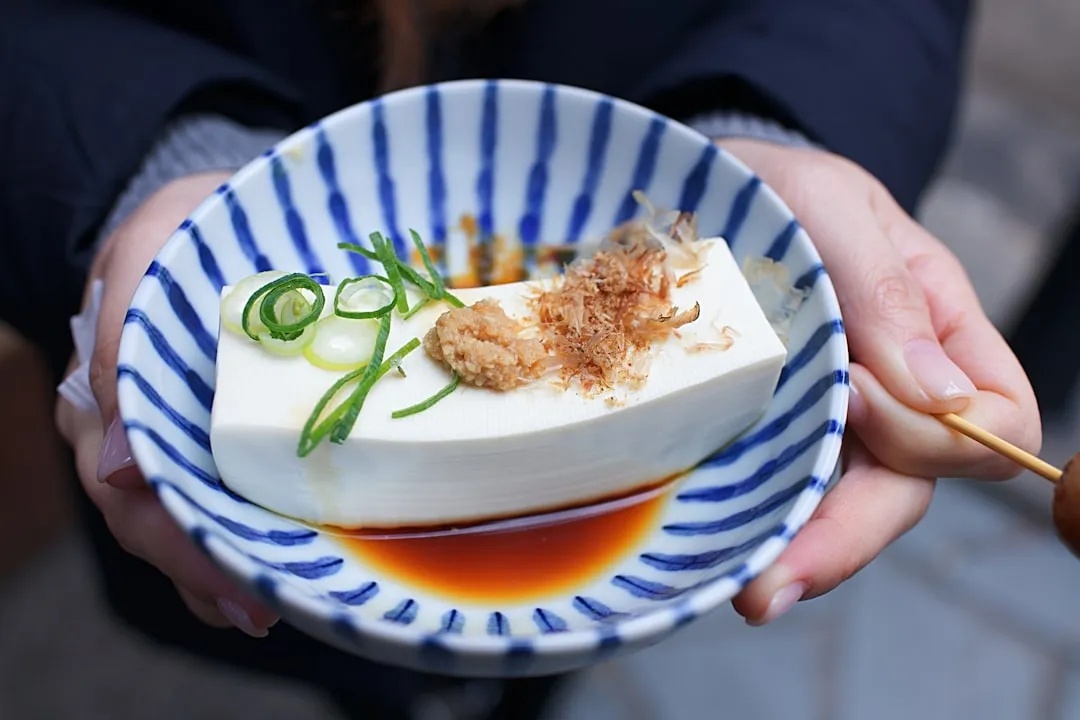
Okinawans consume substantial amounts of soy-based foods like tofu and miso soup. Soy foods are rich in isoflavones, a type of polyphenol that modulates the activity of a longevity-associated protein called FOXO3. Human trials have also associated soy-derived isoflavone polyphenols with enhanced cognition, a reduced risk of cardiovascular disease, and osteoporosis prevention.
Blue Zone diets are predominantly plant-based, emphasising whole grains, legumes, fruits, and vegetables, with moderate consumption of meat and milk products. Fermented foods, rich in probiotics, are commonly consumed and play a role in reducing inflammation.
Fermented soy products like miso and natto represent a distinct category within the Blue Zone food framework. Fermentation, an ancient way to make nutrients bioavailable, is used in tofu, sourdough bread, wine, and pickled vegetables that Blue Zone centenarians eat.
8. Turmeric: The Spice with Deep Roots in Longevity Science
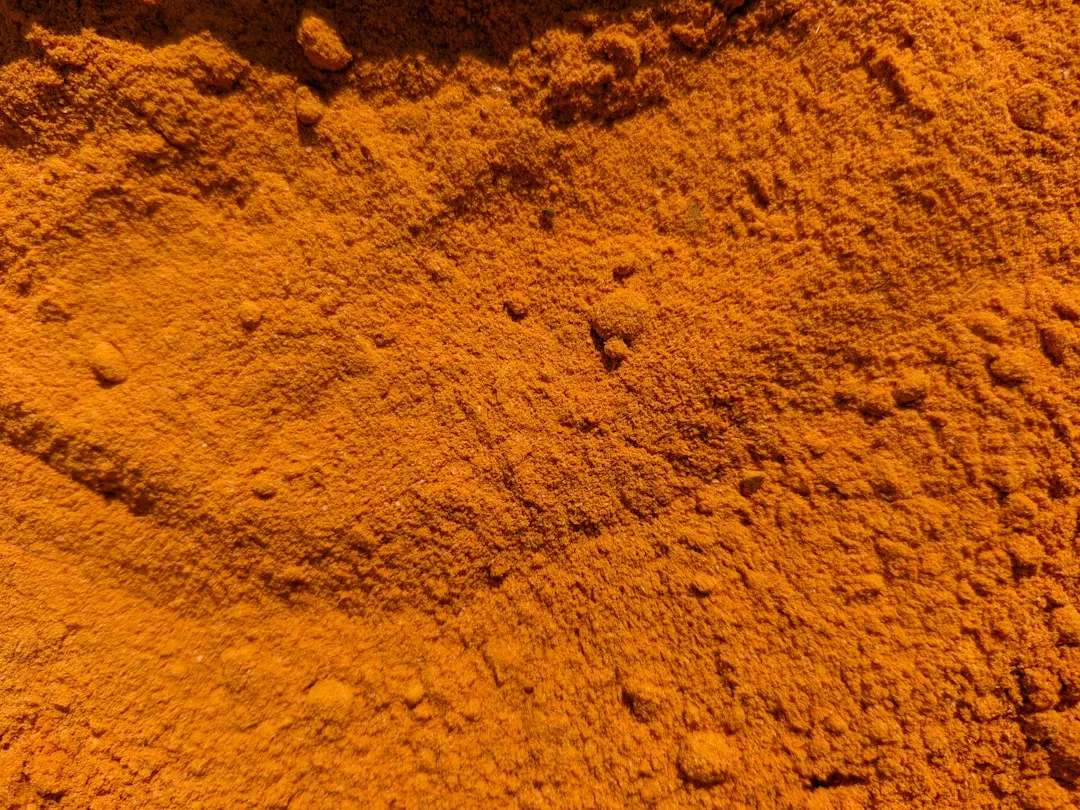
Another key ingredient in the Okinawan diet is turmeric, which contains the polyphenol curcumin and which Okinawans often add to soups or consume as tea. Curcumin is a polyphenol with antioxidant, anti-inflammatory, and anticancer properties.
Research suggests that curcumin helps alleviate hallmarks of aging like epigenetic alterations, mitochondrial dysfunction, inflammation, and dysbiosis. Consuming more curcumin from the spice turmeric, as Okinawans do, may help against certain hallmarks of aging.
Research has revealed that turmeric, used in teas and soups in Okinawa, is a powerful antioxidant and anticancer agent. What makes turmeric’s role in the Blue Zone story compelling is that it is not a supplement or a trend. It is simply an everyday kitchen ingredient woven into centuries of cooking tradition.
What Ties These 8 Foods Together
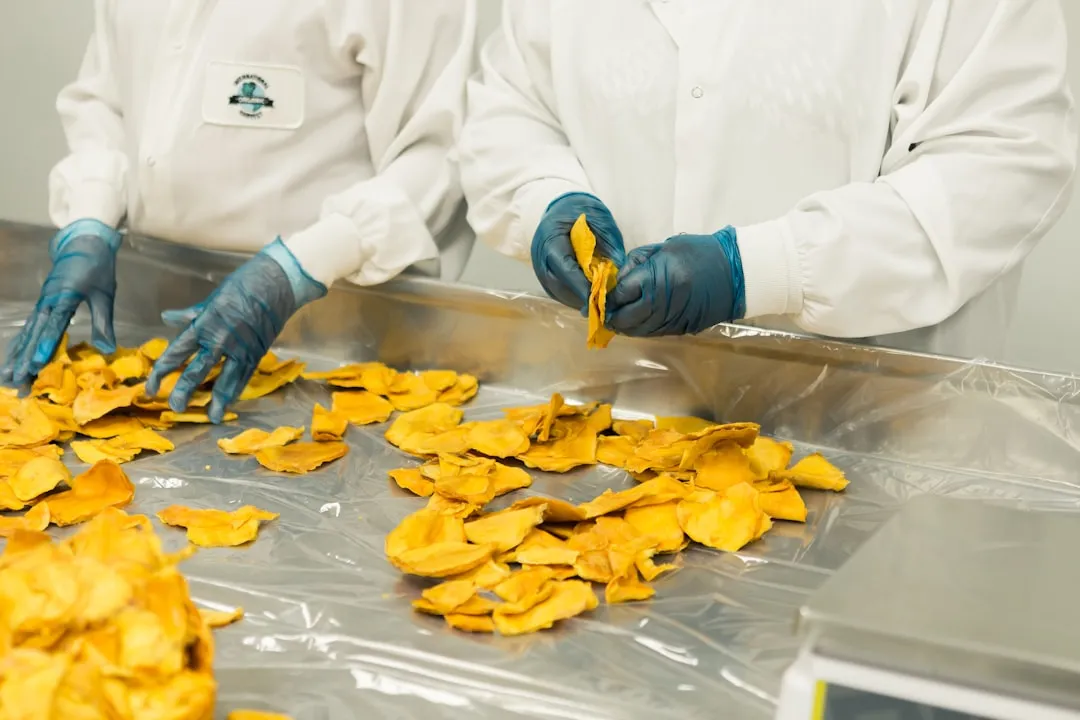
A 2024 cross-sectional study using data from the UK Biobank found that higher consumption of ultra-processed foods was linked to shorter telomeres, indicating accelerated biological aging. This finding contrasts with the dietary patterns observed in Blue Zones, where processed foods are largely absent, further supporting the role of whole, minimally processed foods in promoting longevity.
Research, including systematic reviews and cross-sectional studies, links Blue Zones dietary patterns, which are high in plants, antioxidants, and low in ultra-processed foods, to longer telomere length, reduced inflammation, and lower chronic disease rates. Telomere length is one of the clearest biological markers of how fast a person is aging at the cellular level.
In Blue Zones, staples like beans, leafy greens, and nuts contribute to reduced inflammation and improved vascular function. Additionally, the complex carbohydrates and fiber in plant-based diets support gut microbiome diversity, further enhancing systemic health and longevity. Across all five regions, the pattern is the same: simple foods, eaten daily, close to how they were grown.
The Takeaway

Looking carefully at the data to find exactly what people in the Blue Zones ate reveals five pillars of every longevity diet: whole grains, vegetables in season, tubers, nuts, and beans. Dan Buettner has argued that the cornerstone of a longevity diet is beans. The eight foods in this list fit naturally within that framework.
None of them are exotic. None require a special diet label or an expensive supplement aisle. The world’s longest-lived people do not follow diet trends. What they actually eat follows simple patterns that show up in every Blue Zone, notably the absence of processed food, sugary drinks, and excessive meat.
The most honest lesson from Blue Zone research is not that any one food is magic. It is that eating real, plant-centered food consistently over a lifetime creates conditions in which the body can do what it is designed to do: age slowly and stay well. That is a far less exciting headline than a miracle cure, but it is considerably more useful.
AI Disclaimer: This article was created with the assistance of AI tools and reviewed by a human editor.