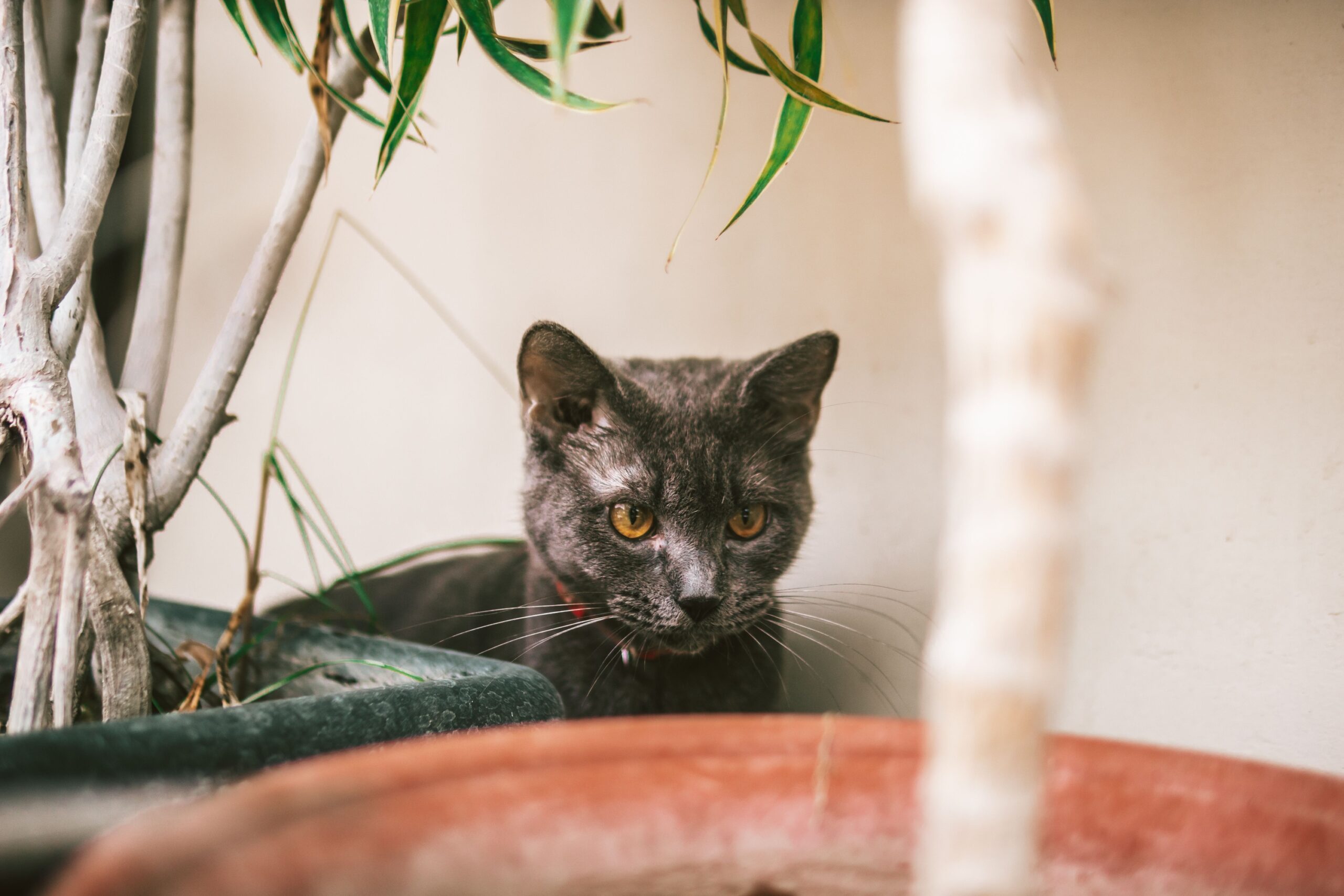

Bringing plants into a home shared with cats and dogs isn’t as straightforward as picking what looks good at a garden center. Some of the most popular houseplants – pothos, snake plants, peace lilies – are genuinely toxic to pets. The stakes are real. In 2024, the ASPCA Animal Poison Control Center responded to more than 451,000 calls related to toxic substance exposures in animals, representing a nearly four percent increase compared to the previous year. Plants and fungi accounted for more than eight percent of those exposures, and both indoor and outdoor plants can pose a threat to dogs and cats.
The good news is that the choice doesn’t have to be either a beautiful home or a safe one. Over 700 species are classified as non-toxic by the ASPCA, including spider plants, Boston ferns, parlor palms, and calatheas. These eight plants are all ASPCA-verified, genuinely attractive, and well-suited to real homes with real animals in them.
1. Spider Plant (Chlorophytum comosum)
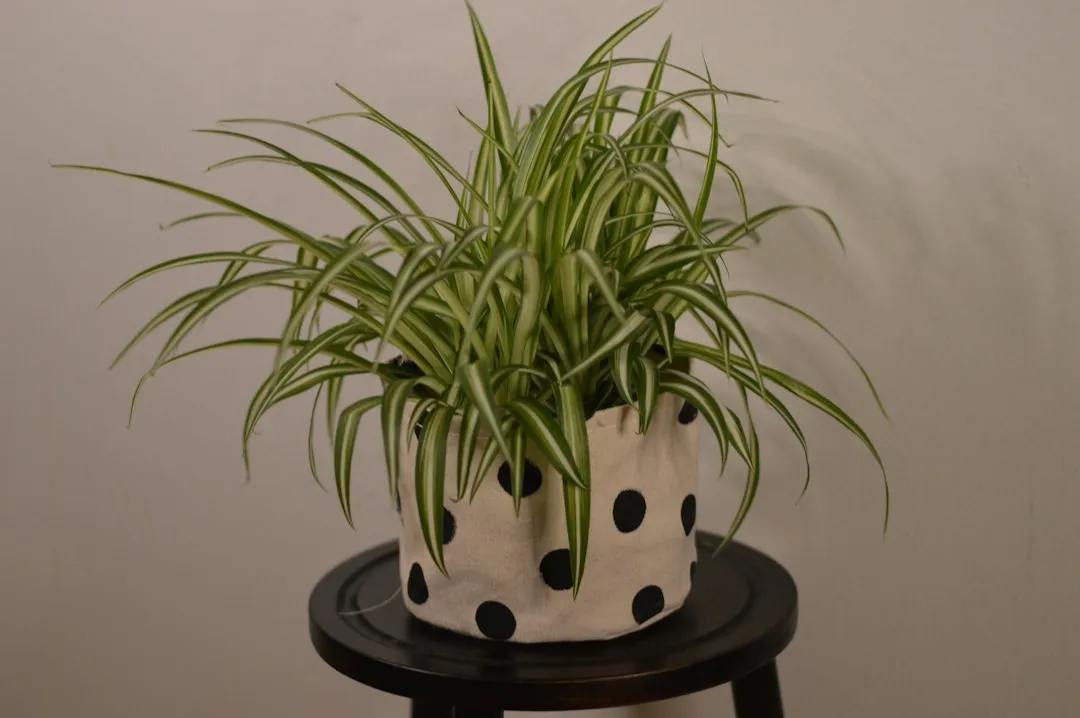
One of the most forgiving and adaptable houseplants in existence, the spider plant is also one of the most thoroughly studied for pet safety. The ASPCA lists it as non-toxic to both cats and dogs. Cats are particularly attracted to the spider plant because it resembles long grass, which cats sometimes eat to settle their stomachs. That instinct doesn’t make it dangerous here – the leaves won’t cause serious harm if nibbled.
Spider plants improve air quality in the home by removing benzene, xylene, formaldehyde, and carbon monoxide from the air. They trail beautifully from hanging baskets, which also serves the practical purpose of keeping them slightly out of reach from persistent chewers. This one genuinely earns its reputation as the go-to starter plant for pet owners.
2. Boston Fern (Nephrolepis exaltata)
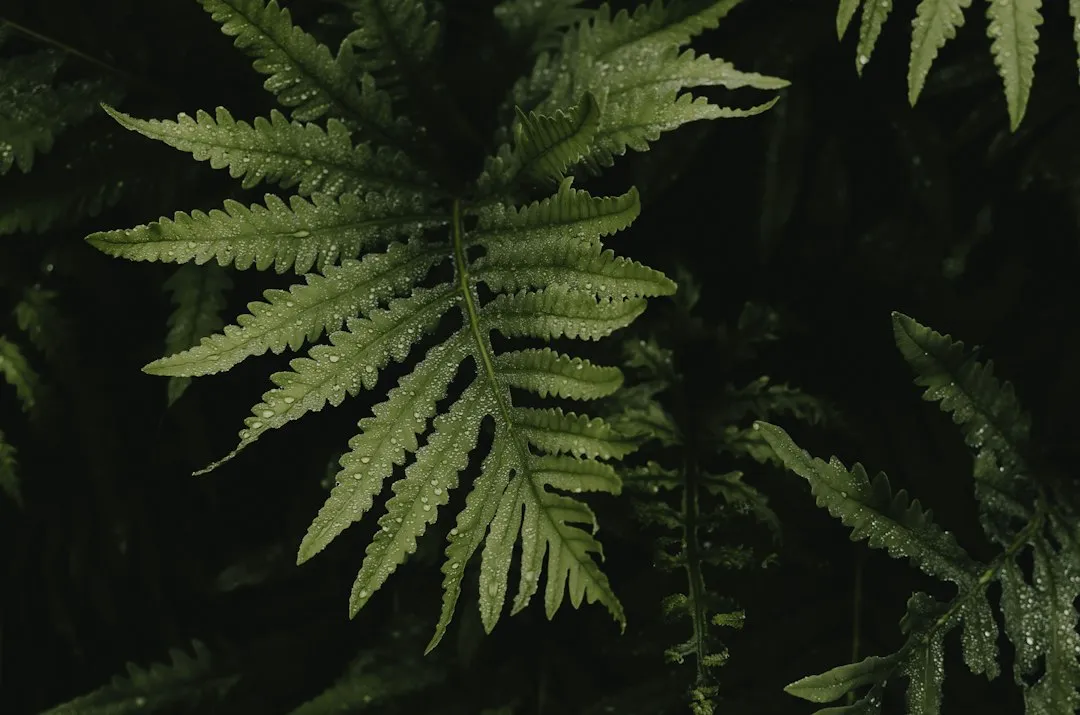
Boston ferns are lush, full-bodied, and reliably non-toxic to both cats and dogs. Their arching fronds make them excellent choices for hanging baskets, which doubles as a practical strategy for keeping curious paws at a safe distance. They prefer humid environments and indirect light; a bathroom with a window or a sunlit kitchen suits them well.
Boston ferns have long been a beloved indoor plant, and pets may be tempted to chew on them due to their hairy fronds. It’s fine to add these lush plants to a guest room or bathroom because the foliage is safe for cats and dogs. They have non-toxic foliage that shoots straight up from the center and arches as the frond grows longer. Few plants add as much texture and softness to a room.
3. Parlor Palm (Chamaedorea elegans)
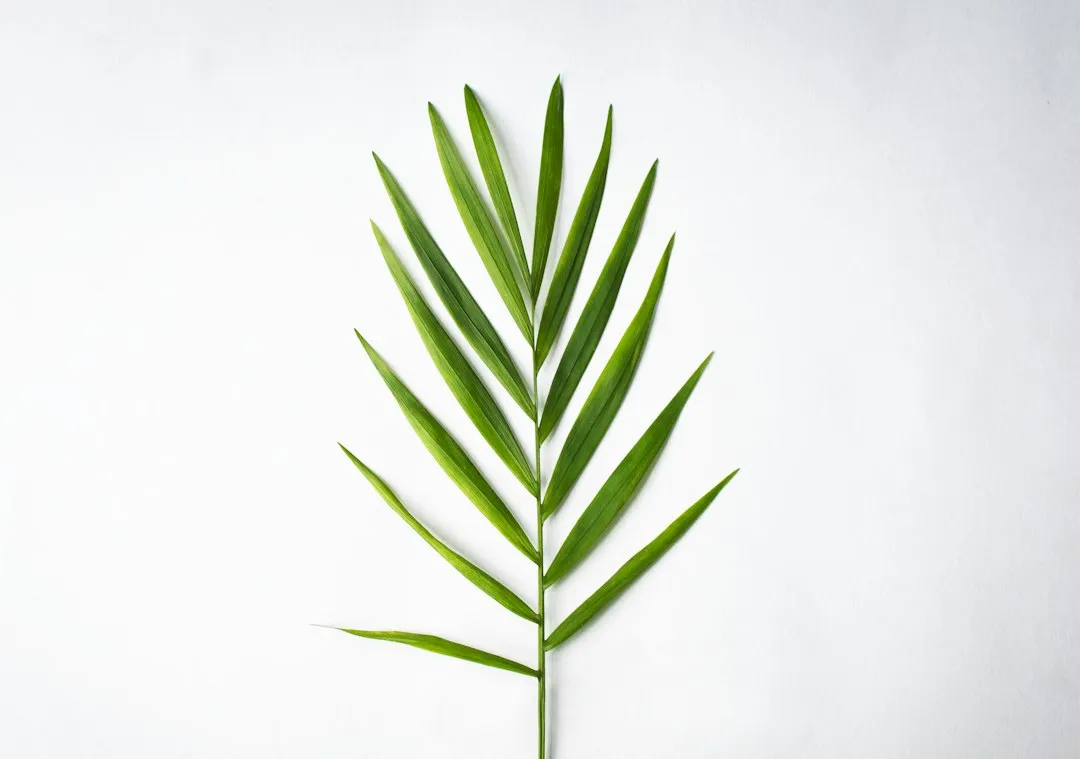
Parlor palms are the compact palm of choice for households with pets. Non-toxic to both cats and dogs, they grow slowly to three or four feet, tolerate low light remarkably well, and have none of the sharp spines of larger palms. They prefer consistently moist but not waterlogged soil and do well in indirect light.
Spider plants, Boston ferns, parlor palms, areca palms, and calatheas are among the most effective studied options that are also confirmed non-toxic. The parlor palm works especially well in corners or rooms that don’t get much natural light – a situation many apartment dwellers know well. It grows slowly, which means it won’t take over a shelf anytime soon.
4. Areca Palm (Dypsis lutescens)
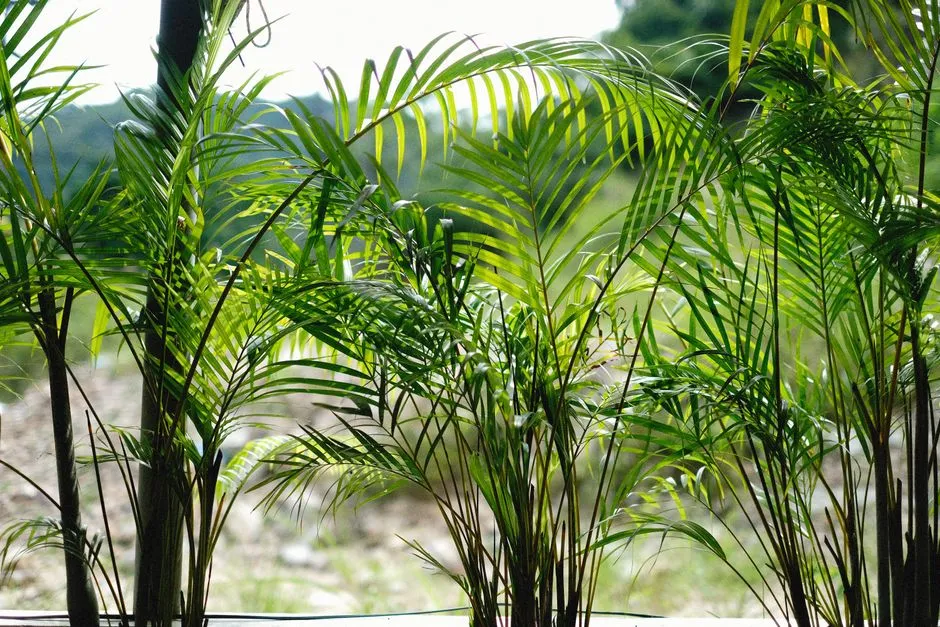
For a larger tropical statement, the areca palm delivers dramatic height – often reaching six feet indoors – without toxicity risk. The ASPCA classifies it as non-toxic to both cats and dogs. Areca palms prefer bright indirect light and slightly drier conditions between waterings than parlor palms.
The areca palm is an elegant tropical palm and is also noted for its air-purifying qualities. If you want that statement floor plant that fills an empty living room corner without the anxiety of having something toxic around a curious dog or cat, this is a very solid option. The feathery, arching fronds are visually striking and hold up well indoors.
5. Peperomia (Peperomia spp.)
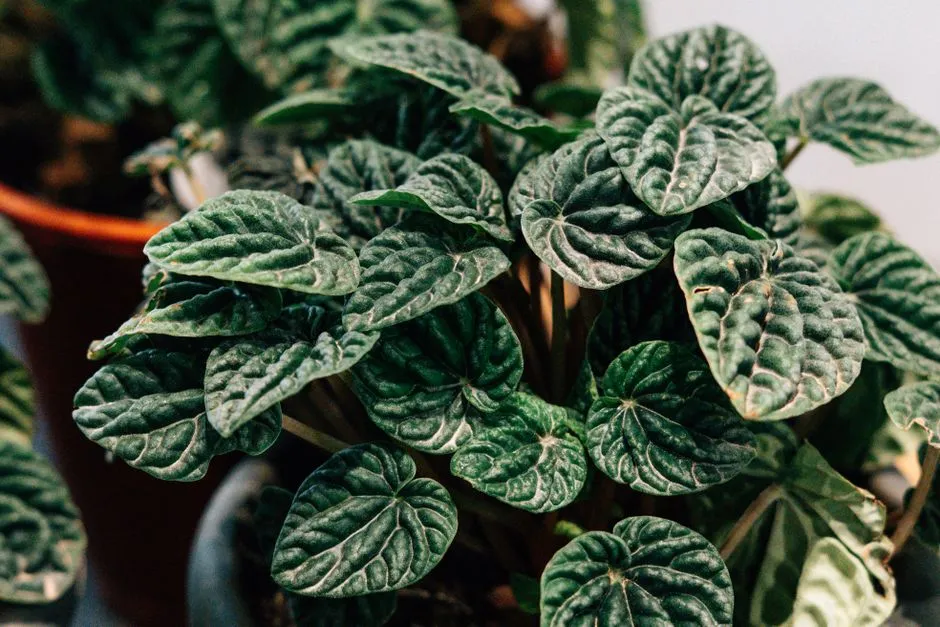
The entire Peperomia genus is considered non-toxic to cats and dogs by the ASPCA. This makes peperomias one of the most reliably safe plant families for pet-owning households. With over 1,000 species ranging from trailing vines to compact rosettes, there is a peperomia suited to nearly every space and light condition.
The peperomia species are kept on the shortlist of well-liked houseplants due to the variety of colors and textures found in them. They look excellent in hanging baskets, are safe for cats and dogs, and don’t mind if you periodically forget to water them. The diversity and colors of peperomia make them a popular houseplant, and they make a wonderful alternative to most philodendrons, all of which are highly toxic to pets.
6. African Violet (Saintpaulia ionantha)
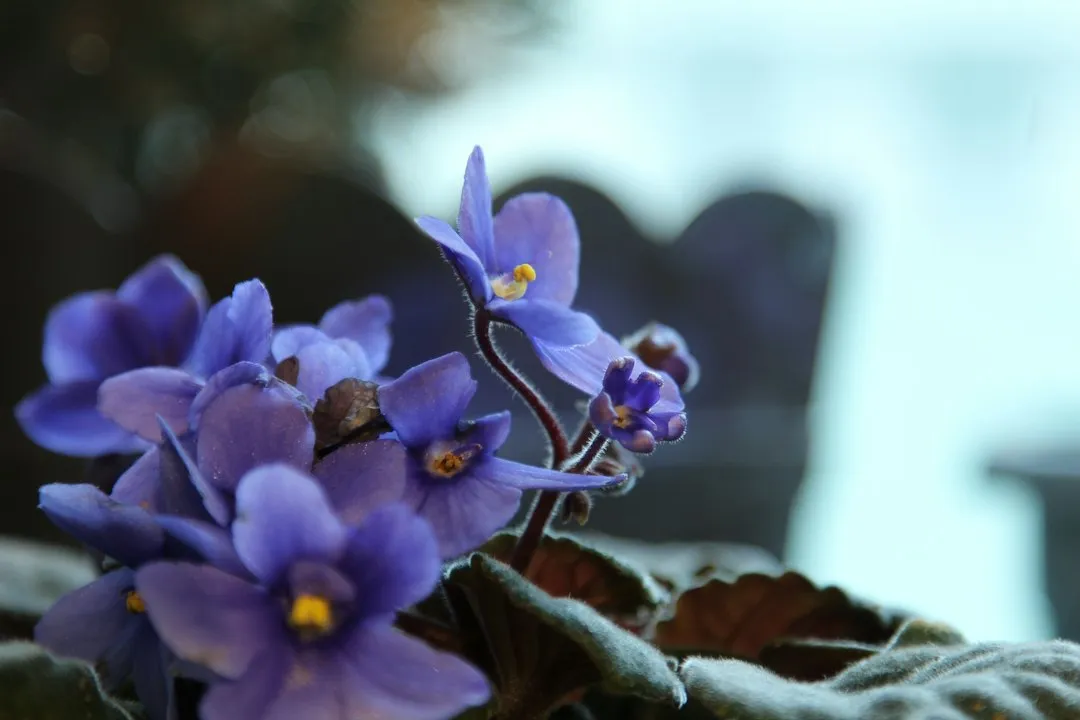
African violets are compact, flower prolifically throughout the year, and are safe for both cats and dogs. They bring color to north- or east-facing windowsills that many houseplants find too dim to thrive in. Water from below – pour into the saucer and let the plant absorb upward – to prevent leaf spotting.
African violets are non-toxic to both cats and dogs, and these plants are known for their vibrant blooms in shades of purple, pink, and white, adding a pop of color to any space. They’re also genuinely compact, making them well-suited to shelves, desks, and narrow windowsills where bigger plants don’t fit. For pet owners who want a flowering plant without worrying, this is arguably the most reliable choice available.
7. Money Tree (Pachira aquatica)
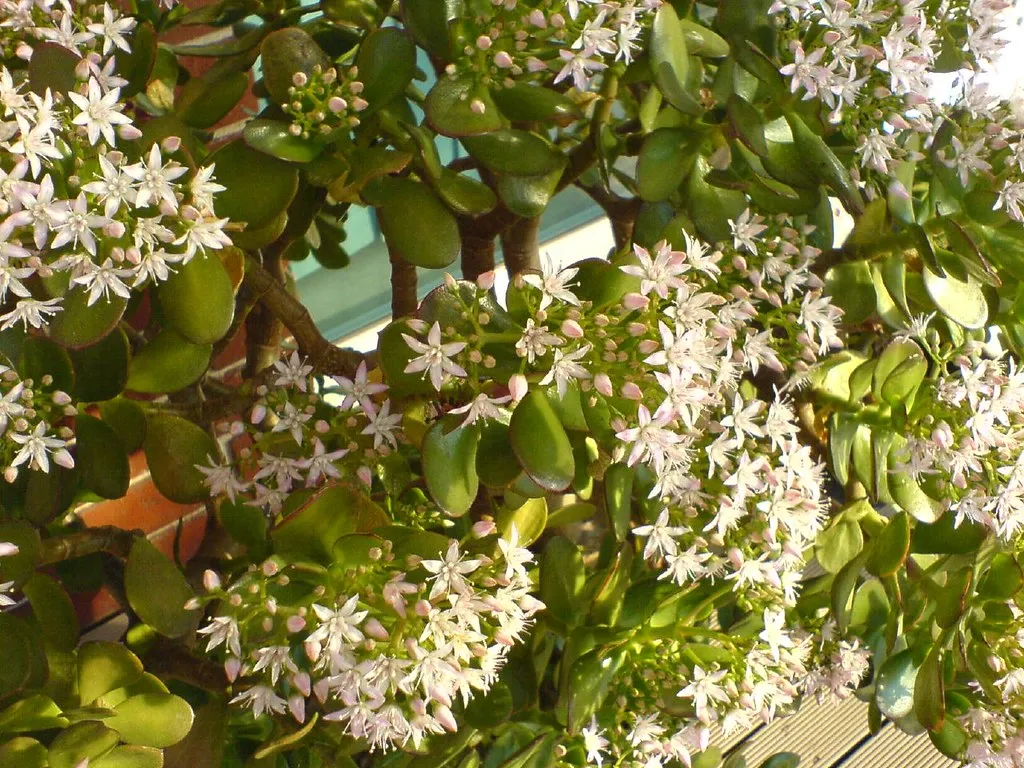
The money tree is a popular feng shui plant with a braided trunk, palm-like leaves, and good safety credentials: the ASPCA lists it as non-toxic to dogs and cats. Money trees prefer bright indirect light and weekly watering, allowing the top inch of soil to dry between waterings.
While the ASPCA confirms money trees are non-toxic to cats and dogs, they do recommend keeping them somewhat out of reach, as their leaves have been known to cause gastrointestinal upset if eaten frequently. That’s a reasonable precaution for any plant, regardless of toxicity status. No plant is entirely risk-free if chewed excessively or contaminated with pesticides. Kept on a slightly elevated surface, the money tree is a very manageable choice.
8. Haworthia (Haworthia spp.)
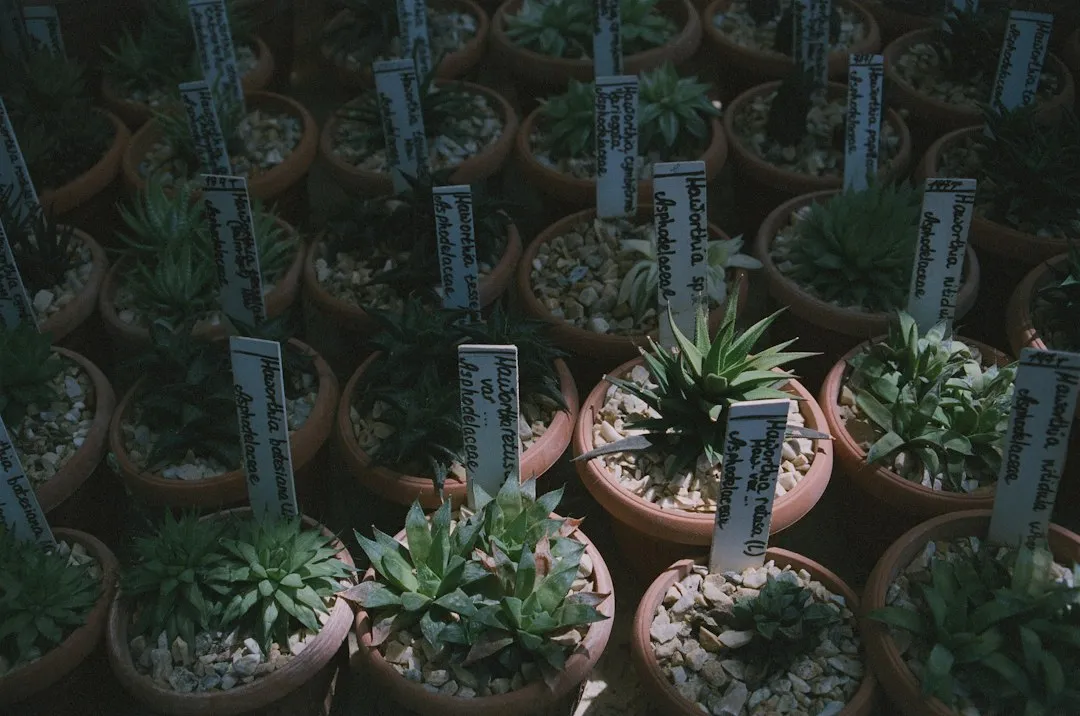
Haworthia looks like aloe but is non-toxic – making it a perfect safe substitute. Aloe vera plants can be mildly toxic to pets, so the visual similarity between the two can catch people off guard. Haworthia gives you that same sculptural, succulent look without the risk. All species of the sizable Haworthia genus are safe for cats and dogs, unlike other plants with an aloe-like appearance.
Some succulents are ASPCA-verified non-toxic to cats and dogs and others are not. Haworthia is non-toxic and one of the safest succulent options for pet-owning households. It thrives in bright light, needs very infrequent watering, and stays small enough for a windowsill or bookshelf. For anyone who loves the look of succulents but has felt nervous about placing them around pets, haworthia resolves that tension cleanly.
A Note on General Pet Safety Around Plants
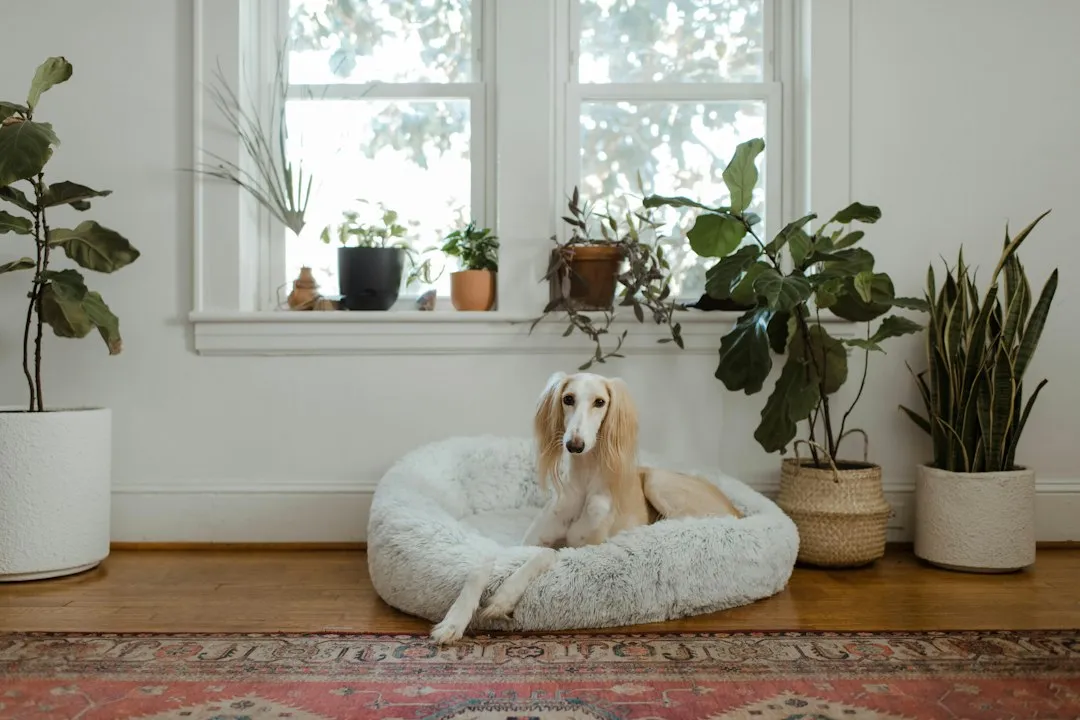
Plants and fungi remained the sixth most common category of pet toxin exposures in 2025, covering nearly eight percent of cases. The number of overall plant exposures continues to drop, but it’s important to still be cautious. Both indoor and outdoor plants can pose a threat, so checking the ASPCA’s list of toxic and non-toxic plants before bringing anything new home remains a practical habit.
Pet-safe plants that are non-toxic to both cats and dogs include the parlor palm, Boston fern, staghorn fern, prayer plant, peperomia, and spider plant – though no plant is completely risk-free, and a pet that eats enough of anything can get an upset stomach. Placement matters as much as plant selection. In the majority of ASPCA Poison Control cases, experts determine that the animal can be safely managed at home and that the exposure is not severe. Still, early caution is always the smarter path.
The Takeaway
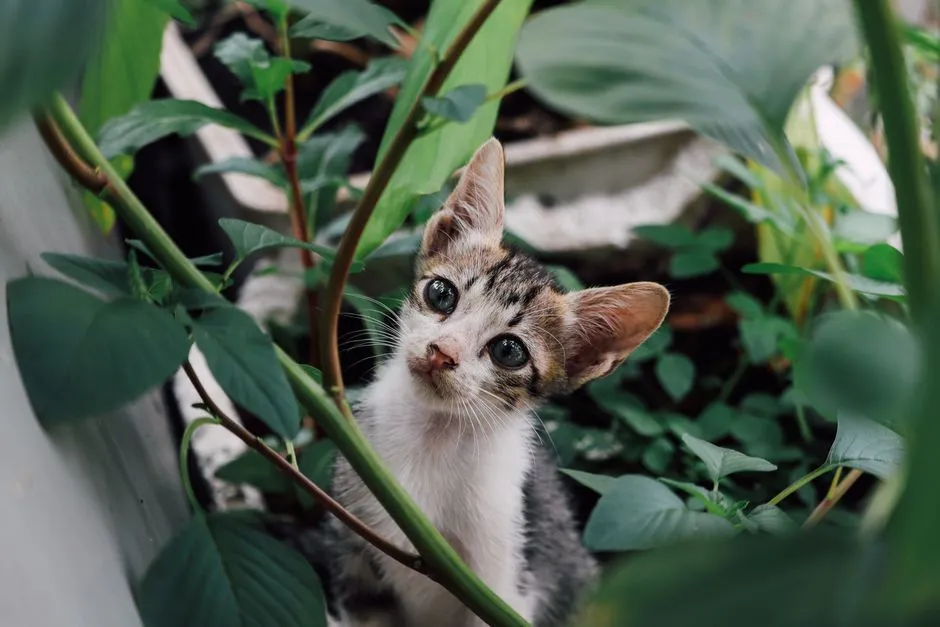
Choosing pet-safe plants isn’t about limiting your options – it’s about knowing which options are actually safe. The eight plants in this gallery cover a wide range of sizes, light requirements, and aesthetics, from compact succulents to statement palms. All are verified by the ASPCA’s Non-Toxic Plants Database, which remains the most authoritative publicly available resource on the topic.
The combination of informed selection and sensible placement takes most of the worry out of indoor gardening with pets. A home can have both thriving plants and healthy animals – it just takes a bit of research upfront, which you’ve now done.
AI Disclaimer: This article was created with the assistance of AI tools and reviewed by a human editor.