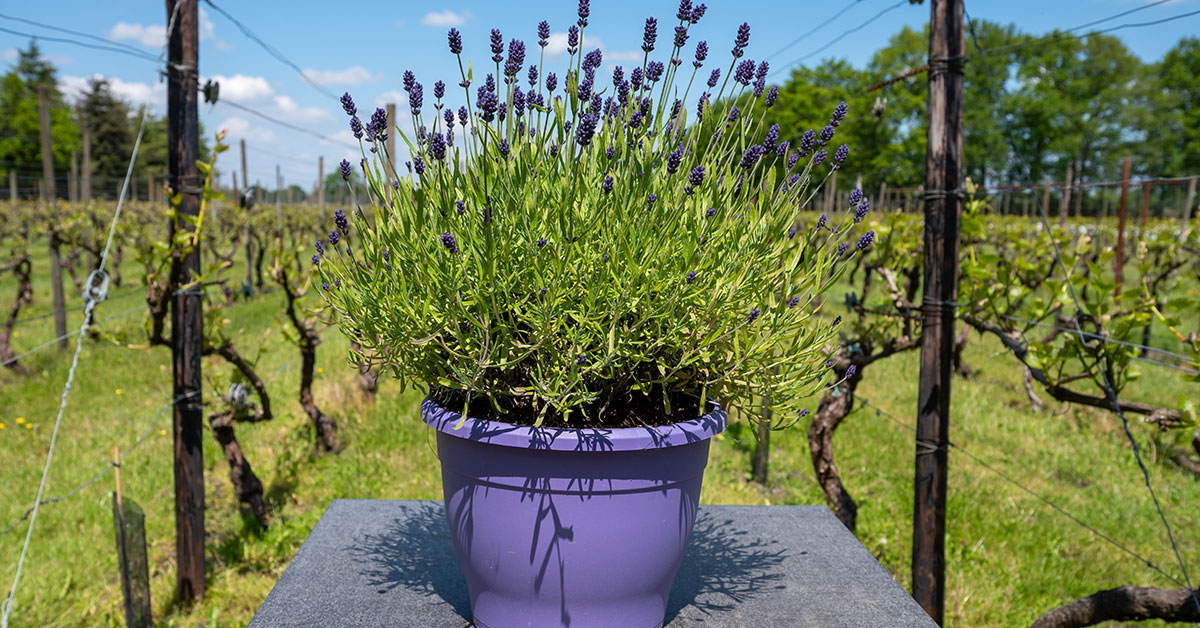

Late summer’s surge of fragrant herbs can feel overwhelming—one minute you’re harvesting sprigs of basil, oregano, and mint for dinner, the next you’re staring at baskets overflowing with foliage! As a gardener who’s battled wilted herbs and empty spice jars alike, I know that sinking feeling when the season’s bounty slips through your fingers. But fear not: with a few tried-and-true preservation methods, you’ll capture those vibrant flavors and aromas for months to come.
I’ve spent many an evening coaxing life from fading stems and experimenting with everything from bundle-drying to oil infusions—sometimes with hilarious (and slightly sticky) results! Whether you dream of bright pesto in February or herbal tea in early spring, these eight tips will help you lock in summer’s essence—and support pollinators, too—so your garden’s last hurrah becomes year-round delight.
Harvest at Peak Flavor
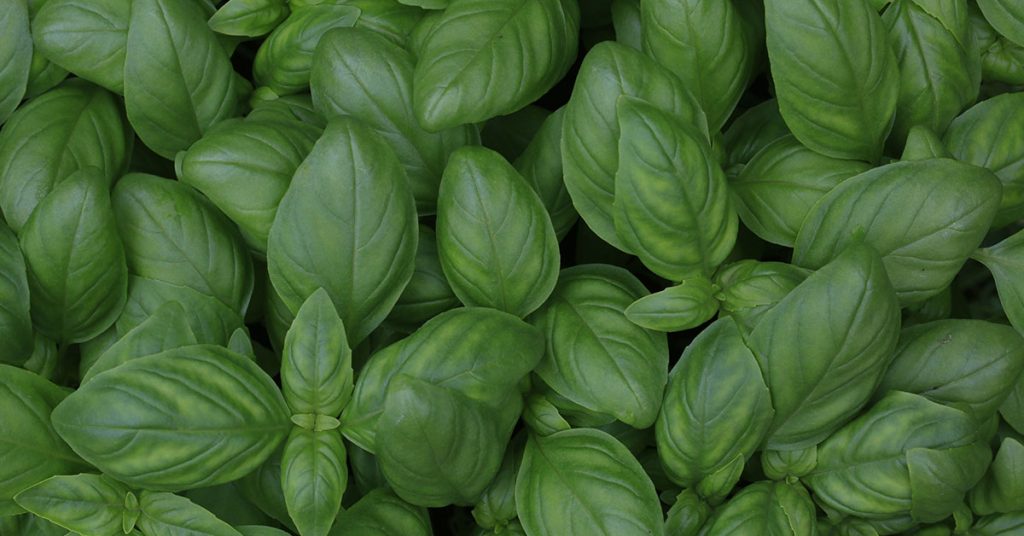
Timing is everything when preserving herbs. Aim to harvest just before flowers open—when basil (native to India) overflows with essential oils or when thyme (native to the Mediterranean) offers its most pungent aroma. Invasive mints like peppermint (Mentha × piperita) can run rampant, so snip heavily before they flower to both capture flavor and keep runners in check!
Harvesting in the cool of morning, after the dew has dried, ensures maximum oil content and minimal wilting. I love sneaking out at dawn with clippers in hand—bees are still settling into their nests nearby, and I get the freshest sprigs without disturbing their morning foraging. Soon, you’ll notice your preserved herbs tasting almost as lively as the fresh ones you harvested!
Air-Dry Bundles for Timeless Texture
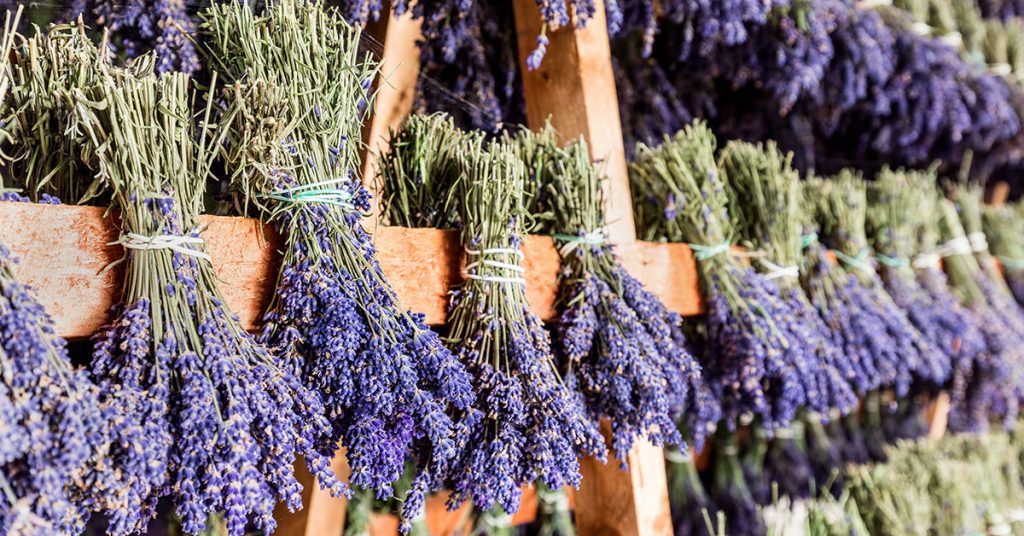
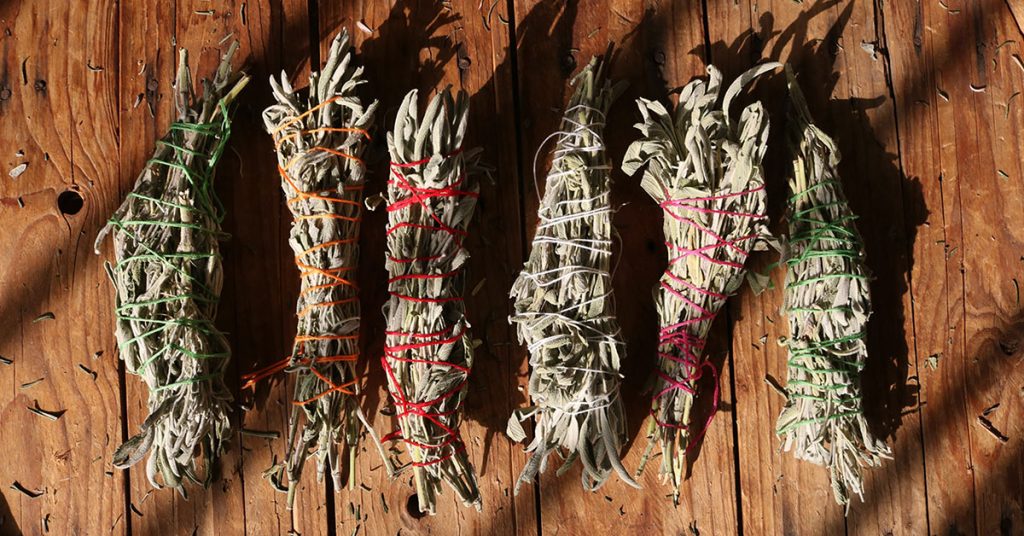
Air-drying remains one of the simplest ways to preserve herbs like rosemary (Rosmarinus officinalis, native to the Mediterranean) and sage (Salvia officinalis, also Mediterranean). Gather small bundles, tie stems with twine, and hang them upside down in a warm, airy spot out of direct sun. Avoid invasive sages such as Salvia nemorosa by keeping them contained!
As the bundles dry over two to three weeks, watch for leaves that crinkle easily between your fingers—an indication they’re ready to strip and store. While drying, solitary bees sometimes explore the hanging bundles, scouting for crevices to nest. I always feel extra connected to my garden when I spot these little engineers at work!
Use a Dehydrator for Crisp Leaves

If humidity’s high or you’re short on space, a dehydrator is a game-changer. Lay single herb leaves—like oregano or marjoram—on dehydrator trays at 95–100°F until they snap cleanly. This method is ideal for non-invasive herbs that don’t mind a little tech assistance!
Dehydrator drying speeds up the process to just 4–6 hours, preserving vibrant color and essential oils. I once left mint leaves in too long and ended up with “herb crisps” that still made a delightful garnish! Bees won’t be around indoors, but you’ll gain perfectly brittle herbs ready for long-term storage.
Freeze in Ice Cube Trays
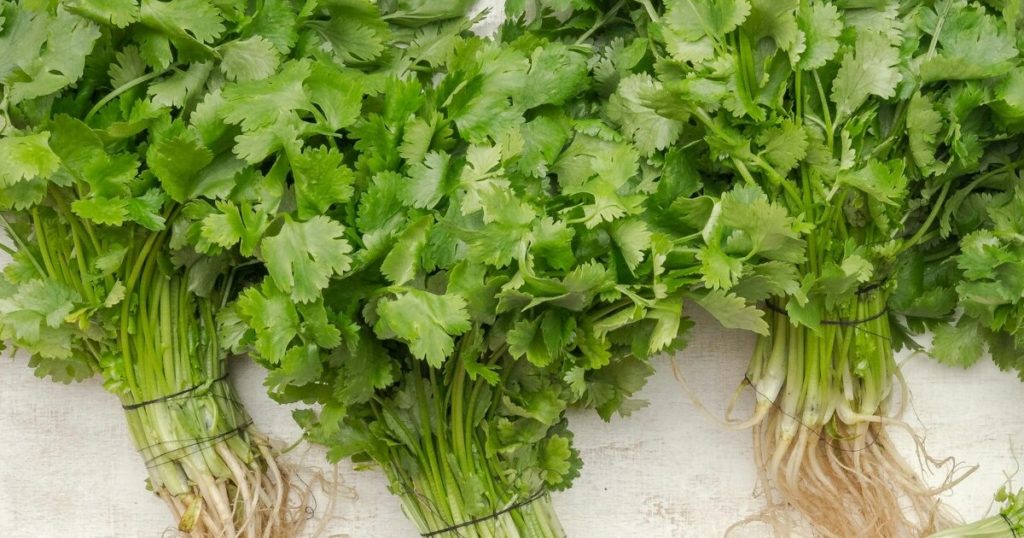
Freezing herbs in ice cube trays with water or oil captures both flavor and form. Chop basil, parsley, or cilantro (Coriandrum sativum, native to regions spanning Southern Europe to Southwestern Asia) and pack into tray compartments. Fill with water for soups or pesto later, or use olive oil for drizzling over roasted veggies!
Each cube freezes into a handy portion, and come winter, you can toss them straight into simmering sauces. I love watching bees buzzing around fresh cilantro before harvest, then smiling as I drop a cilantro-ice cube into a midwinter stew—pure garden magic!
Craft Herb-Infused Oils

Infused oils allow delicate herbs—like lemon balm (Melissa officinalis, native to Europe but slightly invasive via self-seeding)—to lend their essence to cooking oils. Gently bruise leaves, submerge them in olive oil, and warm the mixture at low heat for 30–45 minutes. Strain and bottle for dipping or finishing dishes!
While infused oil can be stored for up to six months, always refrigerate to avoid rancidity. I once found a mason jar bubbling with tiny fruit flies when I skipped refrigeration—lesson learned! Pollinators won’t visit your kitchen creation, but you’ll capture those citrusy and minty notes long after garden visits have ended.
Whip Up Herb-Butter Blends

Turning fresh thyme or chives into compound butter is one of my favorite late-season treats. Finely chop herbs and fold into softened unsalted butter, packing the mixture into logs and freezing. Each slice transforms simple bread or grilled corn into a fragrant feast!
Butter’s fat content protects herbs from freezer burn, ensuring robust flavor months later. Look out for nesting butterflies in your chive patch before harvest—they sometimes pupate in leaf litter! Then celebrate by melting slices of your homemade herb butter over steaming vegetables on a chilly evening.
Create Flavorful Herb Vinegars

Immersing sprigs of tarragon (Artemisia dracunculus, native to Eurasia) or sprigs of rosemary in vinegar yields tangy infusions perfect for dressings. Wash herbs thoroughly, lightly bruise them, then cover with white wine or apple cider vinegar in sterilized jars. Let steep for 2–4 weeks, shaking occasionally!
This method preserves aromatic notes and deters invasive hitchhikers—avoid woody lavender branches that can cloud vinegar. As vinegar matures, you’ll smell those unmistakable herb tones on each shake. While bees won’t sip vinegar, you’ll enjoy garden-brightened salads well into winter.
Salt-Cure for Preserved Intensity
Herb salts—layers of coarse sea salt and chopped rosemary, sage, or thyme—make for a stunning, preservative-free seasoning. Spread a layer of salt, sprinkle herbs, then cover with salt again. Let cure in a cool, dry spot for a week before gently shaking off excess—store in airtight jars!
Salt draws out moisture and locks in flavor, creating a seasoning that will outlast most dried herbs. I’ve noticed solitary wasps investigating curing jars, perhaps seeking moisture—so keep lids sealed! Each pinch of herb salt adds depth to soups, roasted meats, and veggies all year long.