

Walk into any well-stocked potting shed built before 1960 and you’ll likely find tools still doing their job, decades after they were forged. That’s not nostalgia talking. It’s a fact that keeps surfacing among gardeners who’ve tried both eras side by side and noticed something modern manufacturing quietly gave up along the way.
1. Hand-Forged Trowels
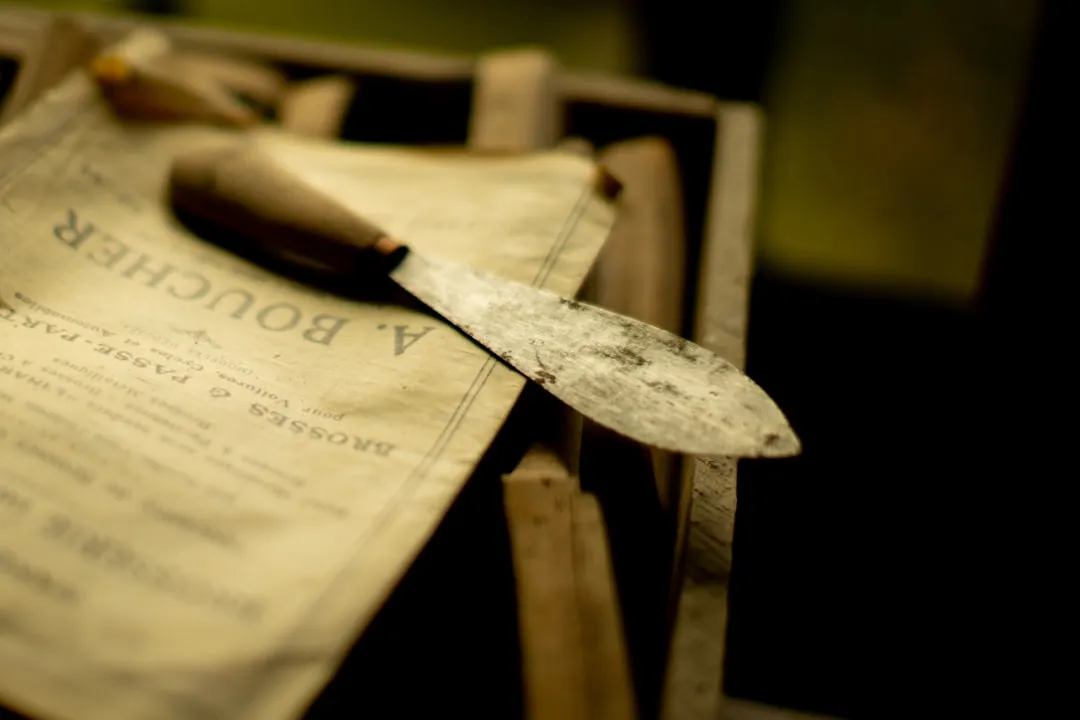
A trowel from the 1950s was typically shaped from a single piece of steel, with the blade and neck forged as one continuous unit rather than bolted or riveted together. A vintage hand trowel is a simple tool that holds a lot of history, often hand-forged and known for its durability. That one-piece construction is exactly why so many of these old trowels never bend at the neck, which remains the most common failure point on cheaper modern versions. Gardeners restoring these tools today often note the same thing collectors have said for years, that despite being overshadowed by mass-produced options, the old trowels are still sought after for the craftsmanship they represent.
2. Push Reel Mowers
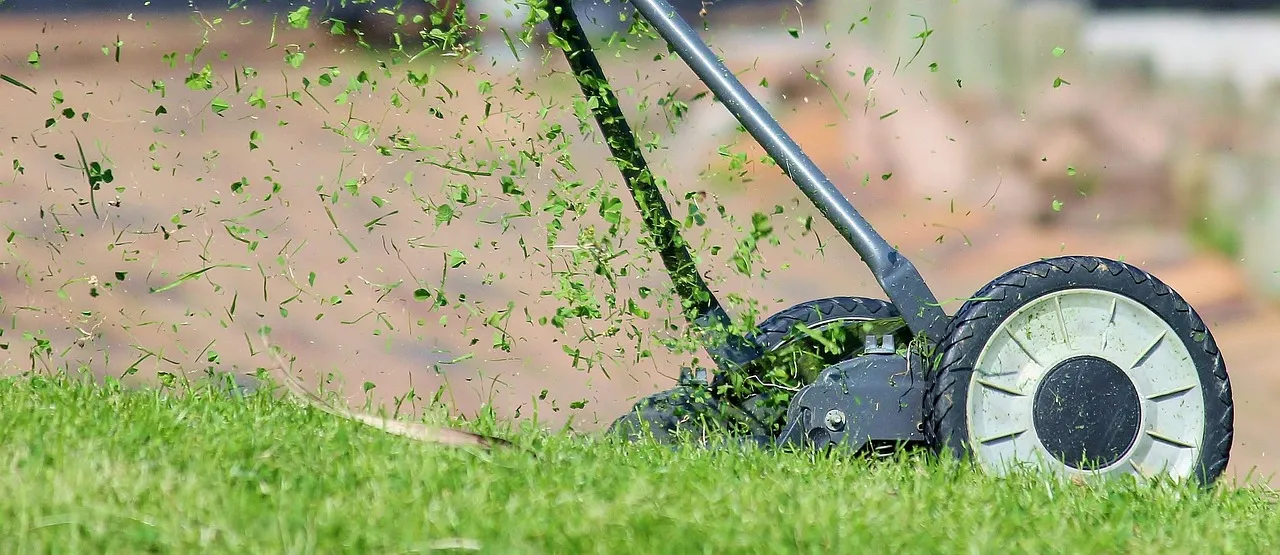
The cylinder mower of the 1950s cut grass with a genuine scissor action between a spinning reel and a fixed bed knife, a design that actually trims each blade of grass rather than tearing it the way a spinning rotary blade can. That mechanical principle hasn’t changed, and it’s a big reason these mowers are having a real moment again. One of the drivers of this manual push mower’s resurgence is its eco-friendliness, with no fuel to store, no fumes, and no pull cord that can cause a struggle. Reel lawn mowers trim grass with a scissor-like cutting action that helps produce a clean and even lawn surface, which is precisely the appeal that made the original 1950s cylinder models a fixture of tidy suburban lawns in the first place.
3. Solid Steel Garden Forks
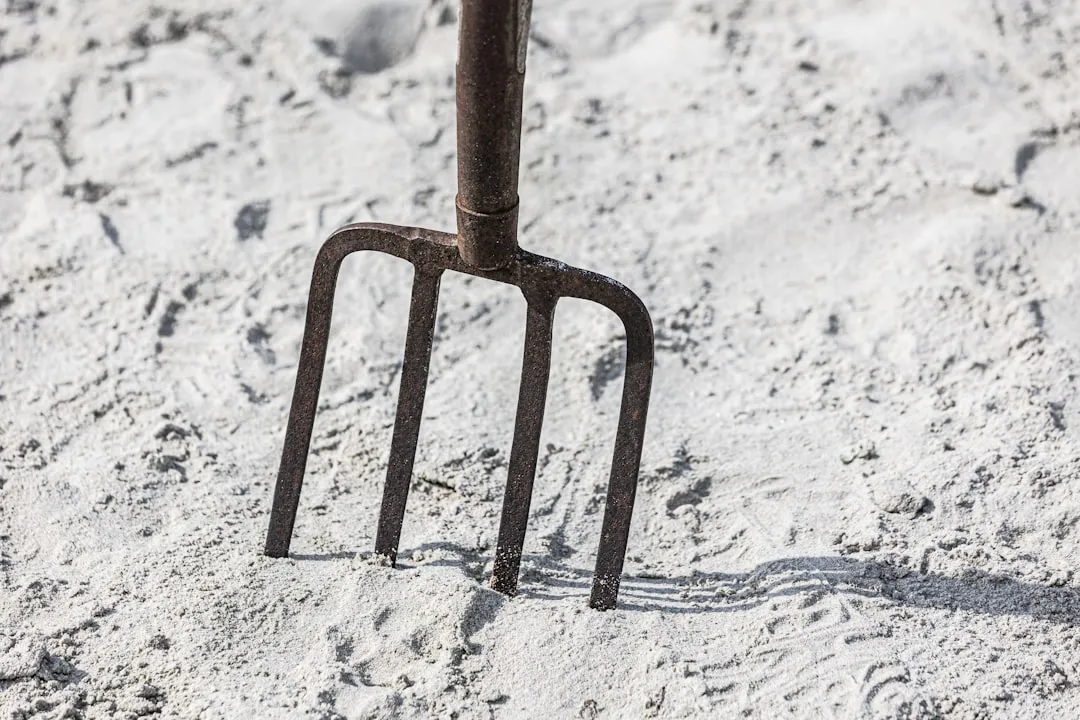
Digging forks from that era were built with thick, solid steel tines and sturdy wooden handles meant to survive decades of clay soil and rocky ground. Antique garden forks were made to last, with sturdy wooden handles and durable steel tines, and despite their age they’re often in excellent condition due to their superior build quality. Modern forks, by contrast, frequently use thinner, stamped metal to cut manufacturing costs, which makes them lighter to ship but far more prone to bending under real digging pressure. Anyone who has snapped a tine on a bargain fork while turning compost understands the difference immediately.
4. Galvanized Steel and Copper Watering Cans
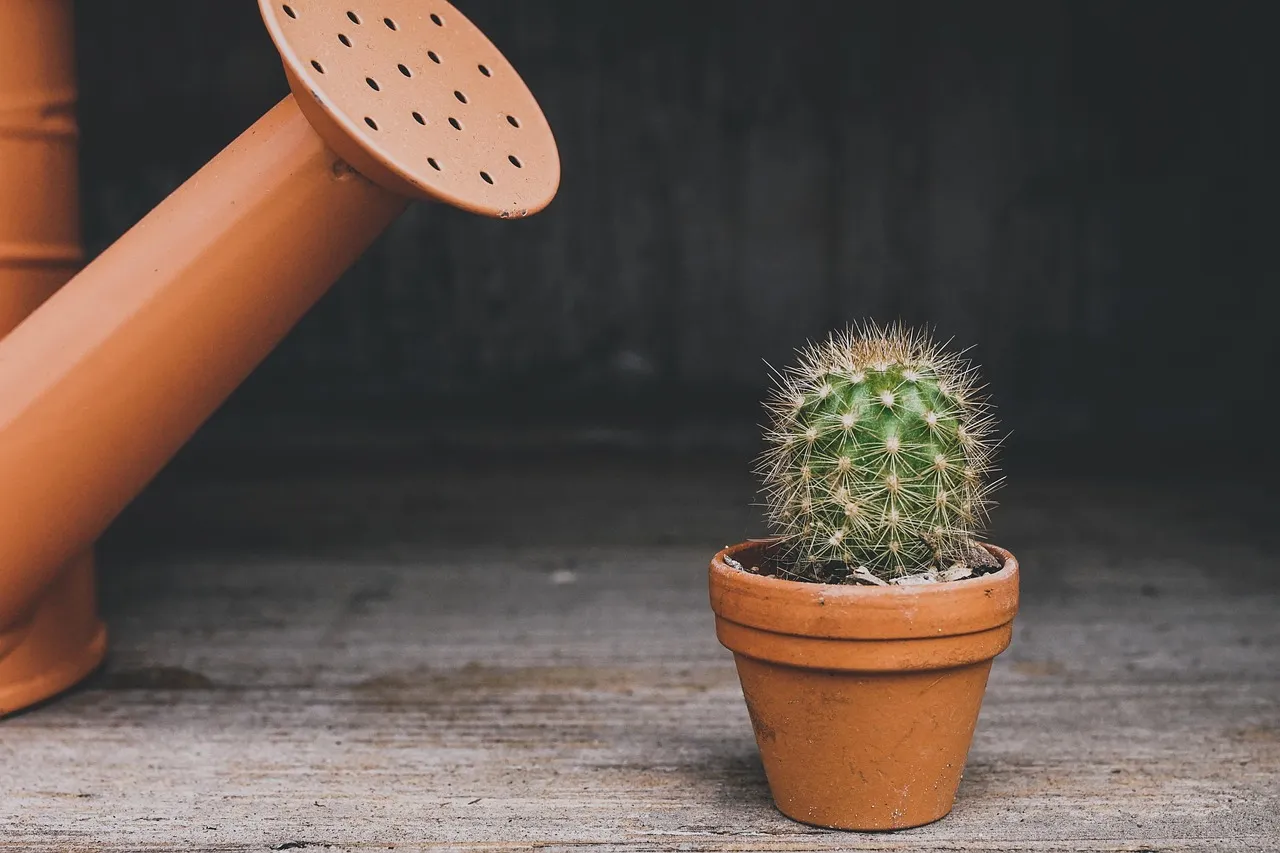
A 1950s watering can was usually made from heavy-gauge galvanized steel or copper, with soldered seams built to handle years of filling and hauling. A vintage watering can is more than just a tool, crafted from materials like copper or galvanized steel that often come with beautiful weathered patinas and unique designs. These cans balance differently than today’s thin plastic versions too, since the weight distribution was designed around how a full can actually feels in the hand. Vintage watering cans are typically made of steel or aluminum, and more expensive copper or brass finished models can sell for a substantial premium among collectors.
5. Forged Digging Spades
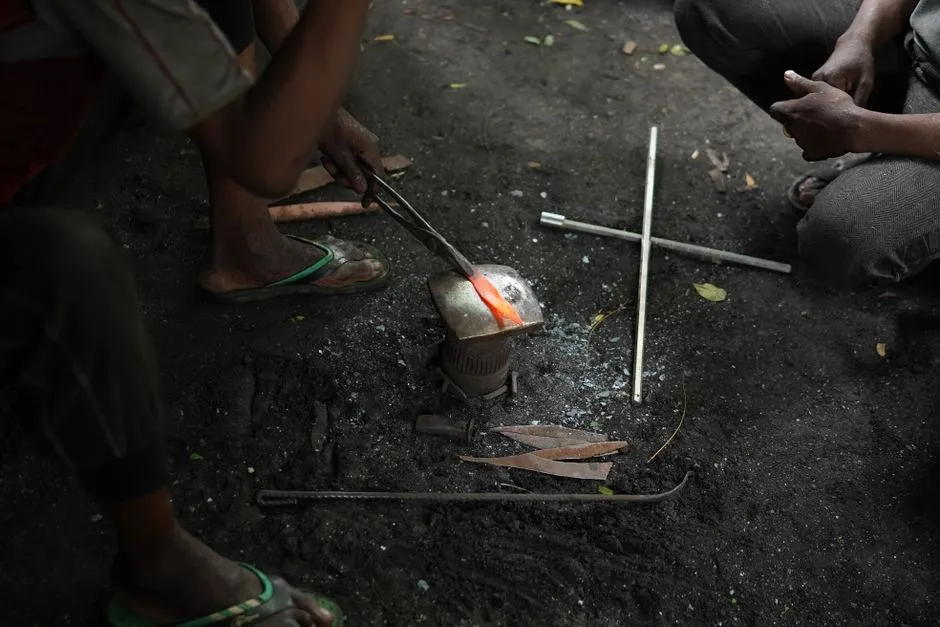
Spades from this period were forged rather than stamped, meaning the blade and the socket that holds the handle came from a single piece of heated and hammered metal. Antique spades typically have a flat, rectangular blade with straight edges, and older pieces show forged construction with the blade and socket made from a single piece of metal. That construction method eliminates the weak seam where cheaper modern spades tend to crack after repeated use on hard or rocky ground. A well-preserved 1950s spade still slices cleanly through turf and root systems that would flex or dent a thinner contemporary blade.
6. Half-Moon Lawn Edging Irons
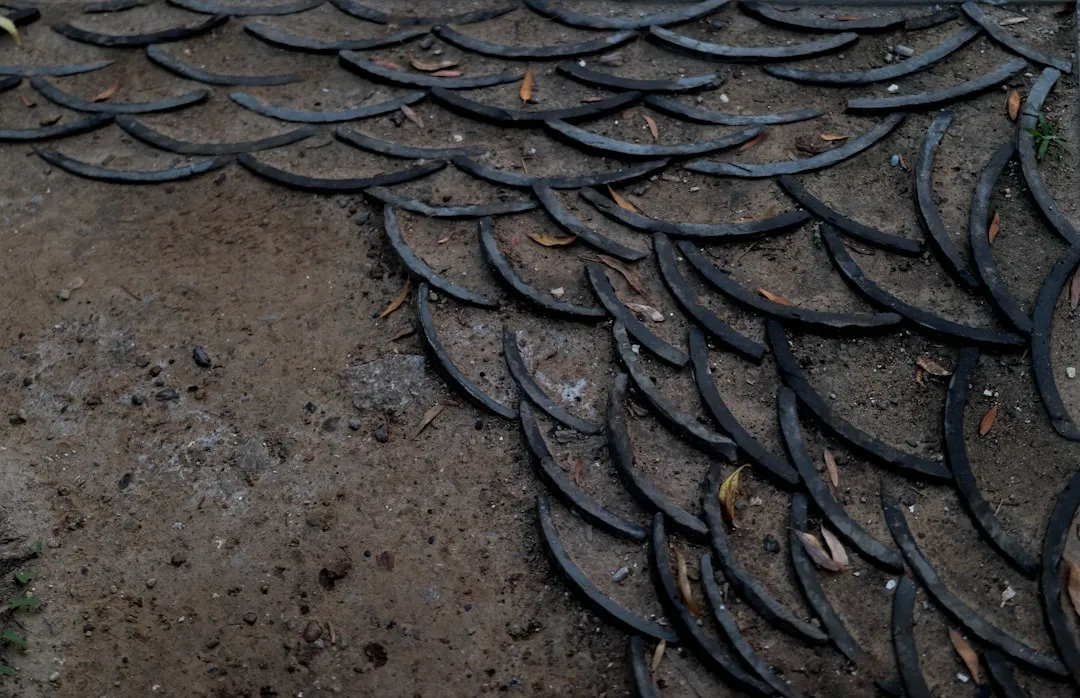
Getting a crisp, defined edge along a lawn used to depend on a simple curved blade called a half-moon edging iron, and the 1950s versions were forged heavy enough to slice through root-bound turf in a single motion. To add a crisp, sharp edge to your immaculate weed-free lawn, the half moon lawn edging iron from the 1950s has long been a must. The weight of the old iron did much of the work for you, letting gravity and momentum carry the blade through soil that a lighter modern edger might just skip over. Many gardeners restoring these tools find the blade geometry barely needs sharpening even after decades of storage.
7. Spring-Loaded Hedge Shears
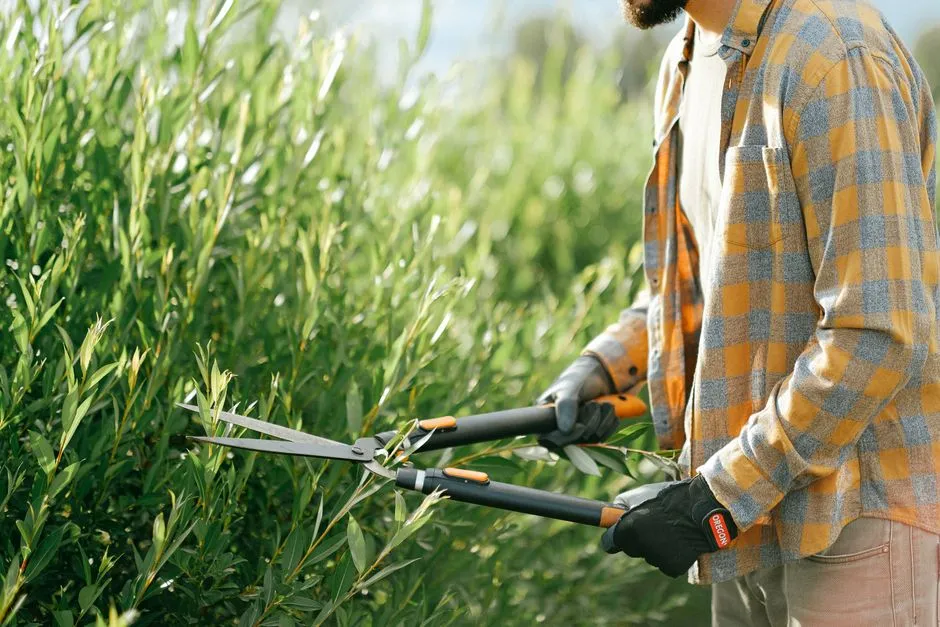
Hedge shears from the mid-century era were forged from high-carbon steel and fitted with a coiled spring that pushed the blades back open after every cut, reducing hand fatigue during long pruning sessions. Traditional hedge shears, such as these from the 1960s, have earned a place in many a well-stocked tool shed and often come up for sale, and many are still perfectly suitable for use today. The steel used in that era holds an edge longer than the softer stainless alloys common in budget shears sold today. Gardeners who’ve restored a pair often describe the cutting action as noticeably crisper, a small but real difference when you’re shaping a long hedge row by hand.
8. Ash-Handled Garden Hoes
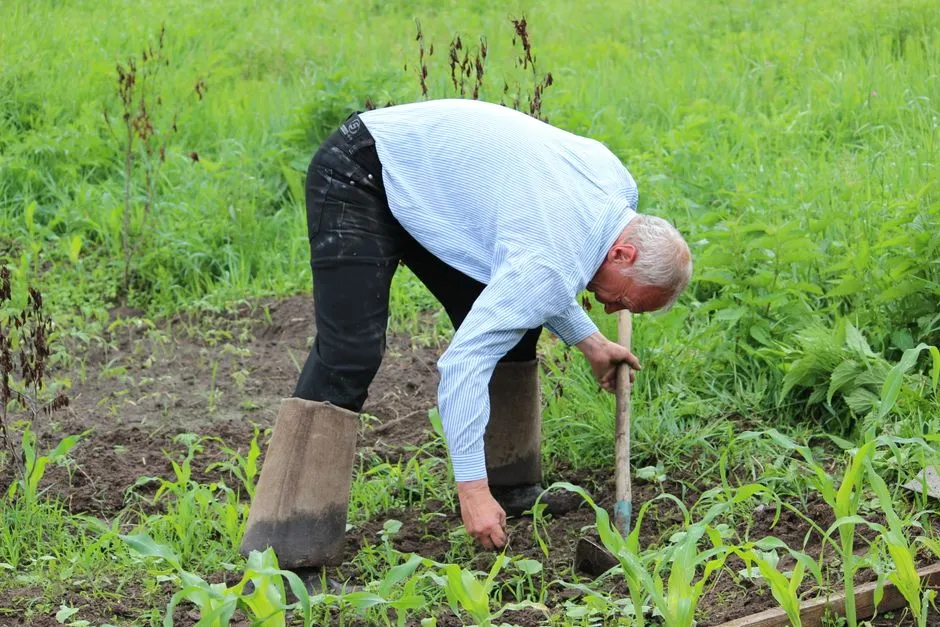
The garden hoe of the 1950s paired a forged steel blade with a solid ash or hickory handle, chosen specifically because that wood absorbs shock and resists splintering under repeated impact. Look for forged steel over stamped metal, since solid ash, hickory, or beech handles resist splintering and absorb vibration far better than modern alternatives. Fiberglass and softwood handles common today are lighter, but they transmit more vibration into the wrist and shoulder over a long weeding session. The blade steel itself also tended to be thicker on these older hoes, letting it slice through compacted soil without the flex you often feel in a modern lightweight version.
Why This Old Steel Still Holds Up
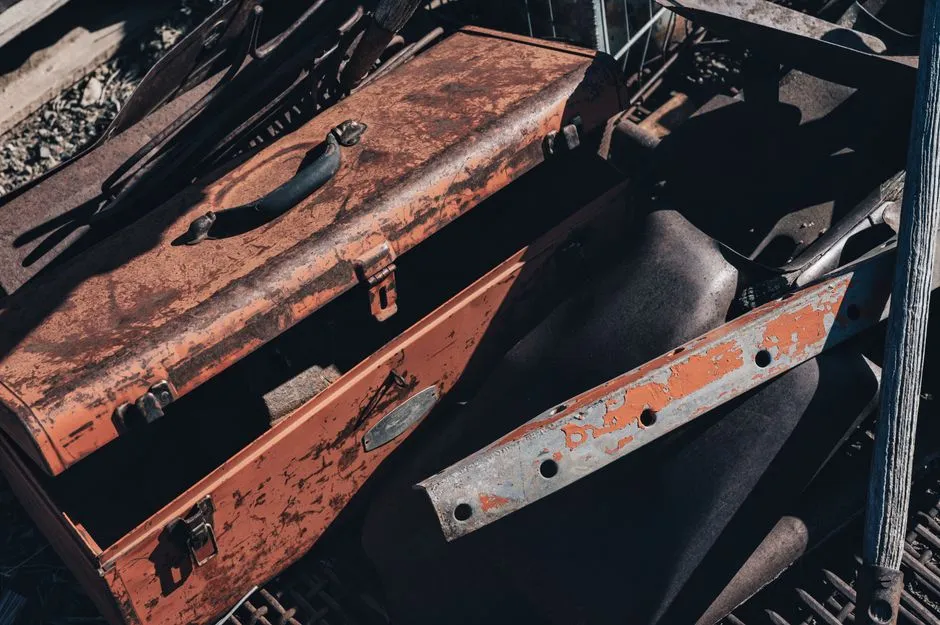
None of this means every vintage tool is automatically better, since condition, rust, and handle integrity vary enormously from piece to piece. A slightly used but fully operational vintage tool often offers far greater utility than a pristine new one, and many gardeners report that older tools feel better in hand, with balanced weight distribution and natural grip comfort absent in newer models. What these eight tools share is a manufacturing philosophy from an era when steel was thicker, joints were forged rather than glued or riveted, and a tool was expected to outlast the person who bought it. That standard hasn’t disappeared entirely, but it’s become the exception rather than the rule, which is exactly why so many of these old pieces are still earning their keep in gardens today.
AI Disclaimer: This article was created with the assistance of AI tools and reviewed by a human editor.