
Growing fruit trees in zone 4 presents a unique set of challenges and rewards for gardeners who embrace the colder climate and are determined to cultivate a thriving orchard. With average minimum winter temperatures ranging from -30°F to -20°F (-34°C to -29°C), zone 4 requires gardeners to carefully select cold-hardy fruit tree varieties, such as certain types of apples, pears, cherries, plums, and apricots.
By providing proper care, protection, and winter preparations, gardeners can enjoy the satisfaction of growing a successful fruit tree orchard in spite of the harsh winters. Additionally, cultivating fruit trees in zone 4 contributes to the creation of beautiful, productive landscapes, instilling a sense of pride and connection to the natural environment.
Fruit trees that grow in zone 4
Zone 4 has a challenging climate with average minimum winter temperatures ranging from -30°F to -20°F (-34°C to -29°C). Despite the colder temperatures, several fruit trees can tolerate these conditions and grow well in zone 4. Some of these fruit trees include:
- Apple trees: Many apple varieties are well-suited for zone 4, such as Honeycrisp, Haralson, and Sweet Sixteen. Choose cultivars that are hardy and resistant to common diseases in your area.
- Pear trees: Cold-hardy European pear varieties like Loma, Parker, and Patten can grow well in zone 4. Some hardy Asian pears like Chojuro and Korean Giant can also be grown in this zone with proper care and protection.
- Cherry trees: Sour cherry trees, like Montmorency and North Star, are more cold-hardy and can grow in zone 4. Sweet cherry varieties that can tolerate colder temperatures, such as Meteor and White Gold, may also be grown in this zone with proper care.
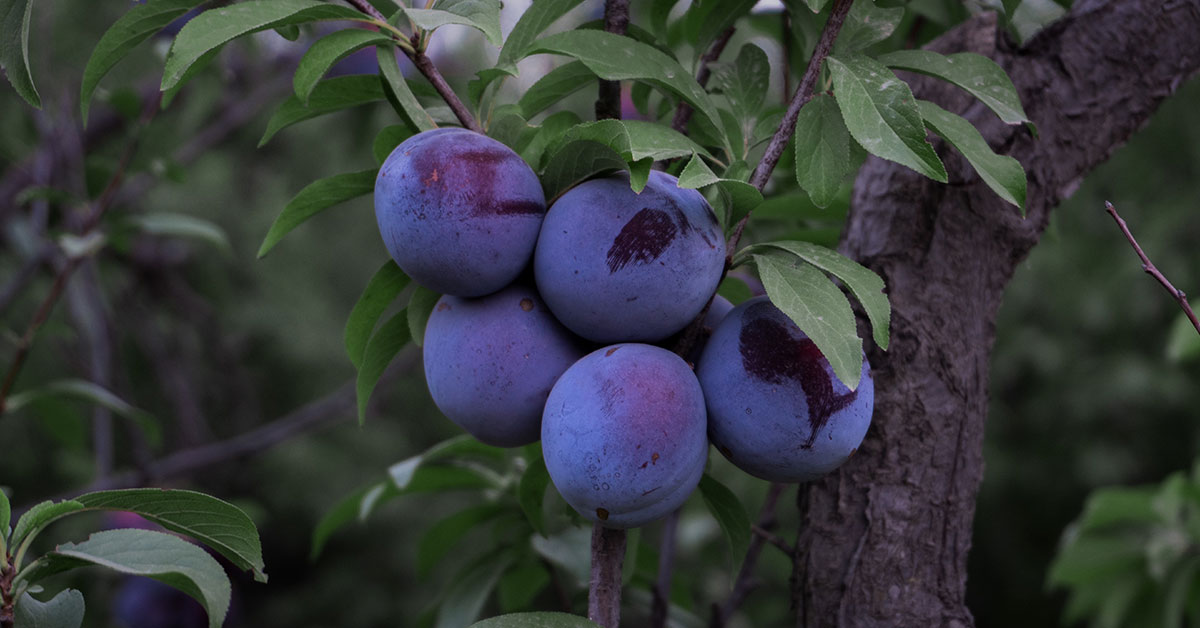
- Plum trees: Some cold-hardy European plum varieties like Mount Royal, Stanley, and Green Gage can be grown in zone 4. Japanese plum varieties are generally less cold-hardy, but some cultivars like Alderman and Toka can tolerate zone 4 conditions with proper care.
- Apricot trees: While apricots can be challenging to grow in colder climates, some hardy varieties like Westcot, Moongold, and Sungold can be grown in zone 4 with proper care and winter protection.
- Hardy kiwi: Although not a tree, the hardy kiwi (Actinidia arguta) is a fruit-bearing vine that can tolerate the cold temperatures of zone 4 and can be a unique addition to your garden.
- Serviceberry trees (also known as Juneberry or Saskatoon): Serviceberry (Amelanchier spp.) is a native North American tree that produces small, sweet, and nutritious berries. They are well-suited to zone 4 and can add ornamental value to the landscape as well.
- Currants and gooseberries: While not trees, currants (Ribes spp.) and gooseberries are fruit-bearing shrubs that can tolerate zone 4 conditions and produce a good harvest of small, flavorful fruits.
When selecting fruit trees for zone 4, it’s essential to choose hardy varieties that can withstand the colder temperatures and are resistant to diseases common in the area. Providing proper care and protection will help ensure a successful and productive fruit tree in zone 4.
Fruit trees that won’t grow in zone 4
Zone 4 has a challenging climate with average minimum winter temperatures ranging from -30°F to -20°F (-34°C to -29°C), which can be too cold for many fruit trees that require warmer conditions. Here are some fruit trees that generally won’t grow in zone 4:
- Citrus trees: Lemon, orange, grapefruit, lime, and other citrus trees are not suitable for zone 4, as they require warmer climates and are sensitive to frost. Citrus trees typically thrive in zones 9 to 11.
- Avocado trees: Avocado trees are not cold-hardy and generally require zones 9 to 11 for optimal growth. They can be damaged or killed by freezing temperatures, making them unsuitable for zone 4.
- Mango trees: Mango trees are tropical fruit trees that require warmer climates for successful growth. They are typically grown in zones 10 to 11 and will not survive the cold temperatures of zone 4.
- Banana trees: Bananas are tropical plants that cannot tolerate frost and require warm temperatures for optimal growth. They are best suited for zones 9 to 11 and will not survive in zone 4.
- Papaya trees: Papaya trees are another tropical fruit tree that is not cold-hardy and requires a warm climate for successful growth. They are best suited for zones 9 to 11 and will not thrive in zone 4.
- Pineapple plants: Pineapple plants are tropical and require warm temperatures to grow well. They are best suited for zones 10 to 11 and will not survive the cold temperatures in zone 4.
- Lychee trees: Lychee trees are subtropical fruit trees that require a warmer climate for successful growth. They are typically grown in zones 10 to 11 and will not tolerate the cold temperatures of zone 4.
- Fig trees: While some hardy fig tree varieties can be grown in zone 6 with proper care and winter protection, the majority of fig varieties are better suited for zones 7 to 11, where temperatures are milder.
It is important to choose fruit trees that are well-suited to your specific climate and hardiness zone to ensure the best chances of successful growth and fruit production. In zone 4, focus on selecting cold-hardy fruit trees that can tolerate the colder winter temperatures.
Fruit tree planting & care tips
Planting and growing fruit trees in zone 4 can be a rewarding experience if you follow these tips to ensure the health and productivity of your trees:
Choose suitable varieties
Select fruit trees that are cold-hardy and well-adapted to zone 4. Opt for cultivars that are resistant to common diseases and pests in your area. Some fruit trees suitable for zone 4 include apples, pears, cherries, plums, peaches, apricots, nectarines, persimmons, and pawpaws.
Plant at the right time
The best time to plant fruit trees in zone 4 is in early spring, after the risk of severe frost has passed but before the trees break dormancy. Fall planting can also be successful if done early enough to allow the trees to establish their root systems before winter.
Choose a suitable location
Fruit trees require full sun for optimal growth and fruit production. Select a location that receives at least 6-8 hours of direct sunlight per day. Ensure that the planting site has well-draining soil to prevent root rot and other issues associated with waterlogged soil.
Prepare the planting hole
Dig a hole at least twice as wide and slightly deeper than the root system of your fruit tree. Loosen the soil at the bottom and sides of the hole to encourage root growth. Amend the soil with organic matter, such as compost or well-rotted manure, to improve fertility and soil structure.
Plant the tree
Position the tree in the planting hole so that the graft union (if present) is 2-4 inches above the soil level. Spread the roots out evenly and backfill the hole with the amended soil, gently firming it down to eliminate air pockets. Water the tree thoroughly after planting to settle the soil and establish good root-to-soil contact.
Mulch and water
Apply a layer of organic mulch, such as wood chips or shredded leaves, around the base of the tree to help conserve moisture, suppress weeds, and regulate soil temperature. Water your fruit tree regularly, especially during the first year, to ensure that the soil remains consistently moist but not waterlogged.
Prune and train
Prune your fruit tree to maintain a strong structure and encourage optimal fruit production. Begin training and pruning in the first year, shaping the tree according to its natural growth habit and desired form. Continue to prune annually, removing dead, diseased, or crossing branches and encouraging the growth of fruiting wood.
Pest and disease management
Monitor your fruit trees for signs of pests and diseases, and take prompt action to address any issues. Employ integrated pest management strategies, such as encouraging beneficial insects, using organic or chemical controls when necessary, and maintaining good sanitation practices in the orchard.
Fertilize appropriately
Fruit trees have specific nutrient requirements that vary depending on the tree’s age, size, and fruiting habits. Apply a balanced, slow-release fertilizer in early spring and late fall, following the manufacturer’s recommendations. Adjust the fertilizer application based on soil tests and the tree’s overall health and growth.
Provide winter protection
In zone 4, cold temperatures and harsh winter conditions can damage some fruit trees. Protect young or tender trees by wrapping the trunk with tree wrap or burlap and applying a thick layer of organic mulch around the base of the tree to insulate the roots.
By following these tips and adjusting your gardening practices to suit the specific climate and conditions of zone 4, you can successfully grow a variety of fruit trees and enjoy the rewards of a bountiful harvest.