

is the most common mental health condition in the world. It affects roughly seven percent of the global population, and those numbers have only grown more visible in recent years. Medications and therapy remain the cornerstones of treatment, but researchers have increasingly turned their attention to something far more accessible: what we eat every day.
A study published in a 2024 issue of the BMJ found that people who consume high amounts of ultra-processed foods have a nearly fifty percent increased risk of and a twenty-two percent increased risk of depression. That finding alone is a compelling reason to look at food more seriously. The eight items below are among the most well-researched when it comes to dietary support for a calmer mind.
1. Salmon
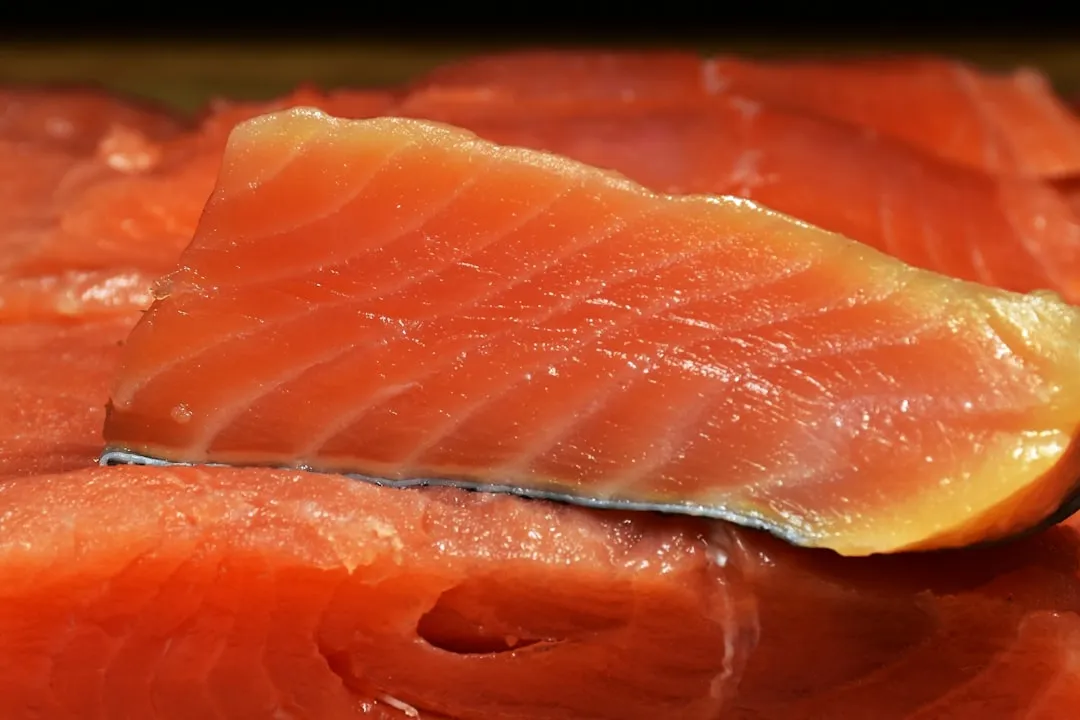
Salmon contains key nutrients that promote brain health, including vitamin D and the omega-3 fatty acids EPA and DHA, both of which can help regulate the neurotransmitters dopamine and serotonin, which carry calming and relaxing properties. These are not minor chemical players. Serotonin and dopamine directly shape how the brain processes stress and fear.
Studies show that EPA and DHA can reduce inflammation and prevent damage to brain cells linked to mental disorders such as anxiety, while also increasing the brain’s ability to adapt to changes, allowing it to better manage the stressors that trigger anxiety symptoms. A 2024 systematic review and meta-analysis published in BMC Psychiatry reinforced this picture. Covering twenty-three trials with more than two thousand participants, the review found that each additional gram per day of omega-3 supplementation resulted in a moderate decrease in anxiety symptoms.
For the most benefit, try adding salmon to your diet two to three times per week. Mackerel, sardines, and herring offer similar omega-3 profiles if salmon isn’t a staple in your kitchen.
2. Blueberries
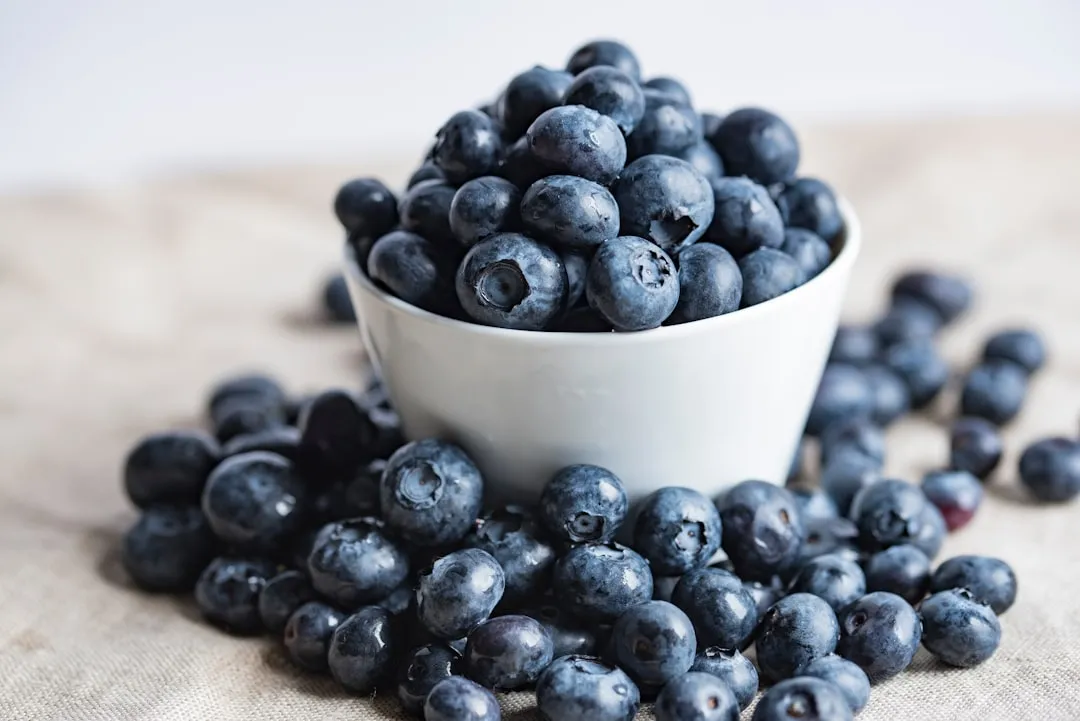
Blueberries are a standout nutraceutical due to their high levels of polyphenols and anthocyanins, compounds that can improve mood, cognition, and health, meaning blueberry consumption can potentially benefit those coping with anxiety. This has moved well beyond folklore. There is now clinical trial data to back it up.
Researchers at Louisiana State University found that daily blueberry supplementation may help reduce symptoms of depression and anxiety in adults, through a twelve-week, double-blind, randomized clinical trial involving participants diagnosed with major depressive disorder, generalized anxiety disorder, or both. Blueberries significantly reduced symptoms of depression and anxiety compared to placebo in that study, published in the journal Nutrients in early 2026.
The study suggests that eating the equivalent of one cup of blueberries a day could help reduce symptoms of depression and anxiety. The biological mechanisms are still being explored, but the results are promising enough to take seriously.
3. Dark Chocolate
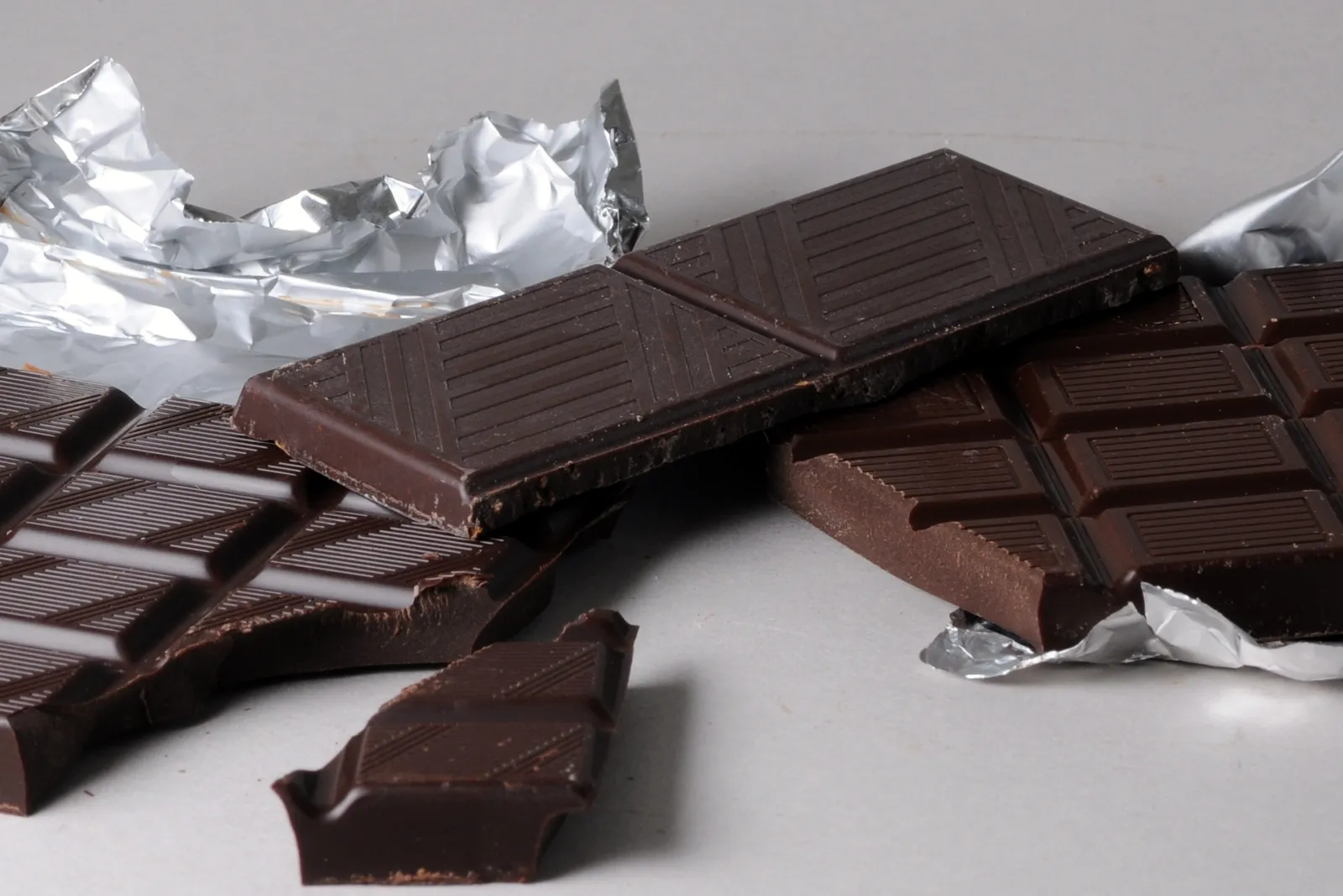
Dark chocolate contains flavonols that may benefit brain function, have neuroprotective effects, and help you adjust better to stressful situations that can lead to anxiety and other mood disorders. It’s also one of the more enjoyable dietary interventions on this list, which probably helps with adherence.
In a 2024 triple-blind clinical trial, sixty menopausal women who ate twelve grams of 78% dark chocolate daily for eight weeks had a modest but significant reduction in depression scores versus milk chocolate. Dark chocolate also contains high amounts of magnesium, and studies are starting to show that magnesium may be one of the few nutrients that has a noticeable effect on anxiety.
When choosing dark chocolate, aim for 70% cacao or more, and keep portions to a small serving of one to three grams at a time. The benefits are real, though not dramatic. Think of it as one useful piece of a broader dietary pattern, not a standalone fix.
4. Green Tea
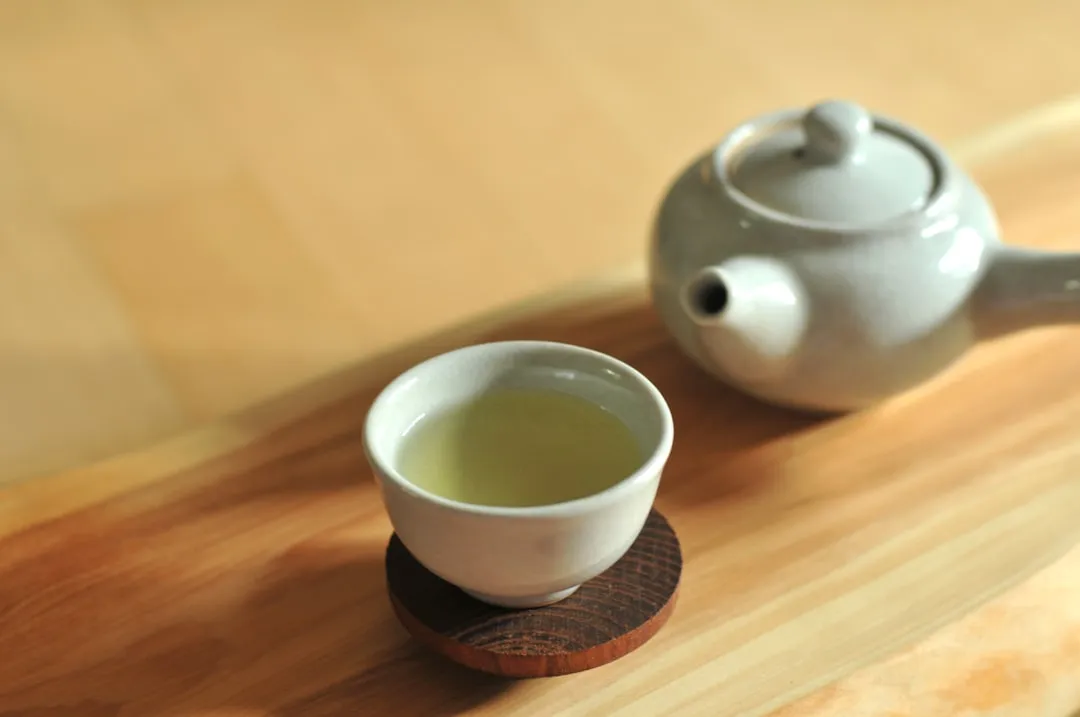
Green tea contains L-theanine, an amino acid shown to have positive effects on brain health and anxiety by potentially preventing nerves from becoming overexcited and increasing calming neurotransmitters like GABA, dopamine, and serotonin. That’s quite a range of action for a single compound found in a cup of tea.
Research suggests that supplementation of 200 to 400 mg per day of L-theanine may assist in the reduction of stress and anxiety in people exposed to stressful conditions. Some studies also suggest L-theanine may increase alpha waves in the brain, which are associated with relaxation and selective attention. Alpha waves are essentially the brain’s “resting but alert” state.
Green tea is an excellent source of L-theanine, though it also contains caffeine, which could be counterproductive for some people managing anxiety. If caffeine is a concern, decaffeinated green tea or matcha in small amounts are worth considering instead.
5. Fermented Foods
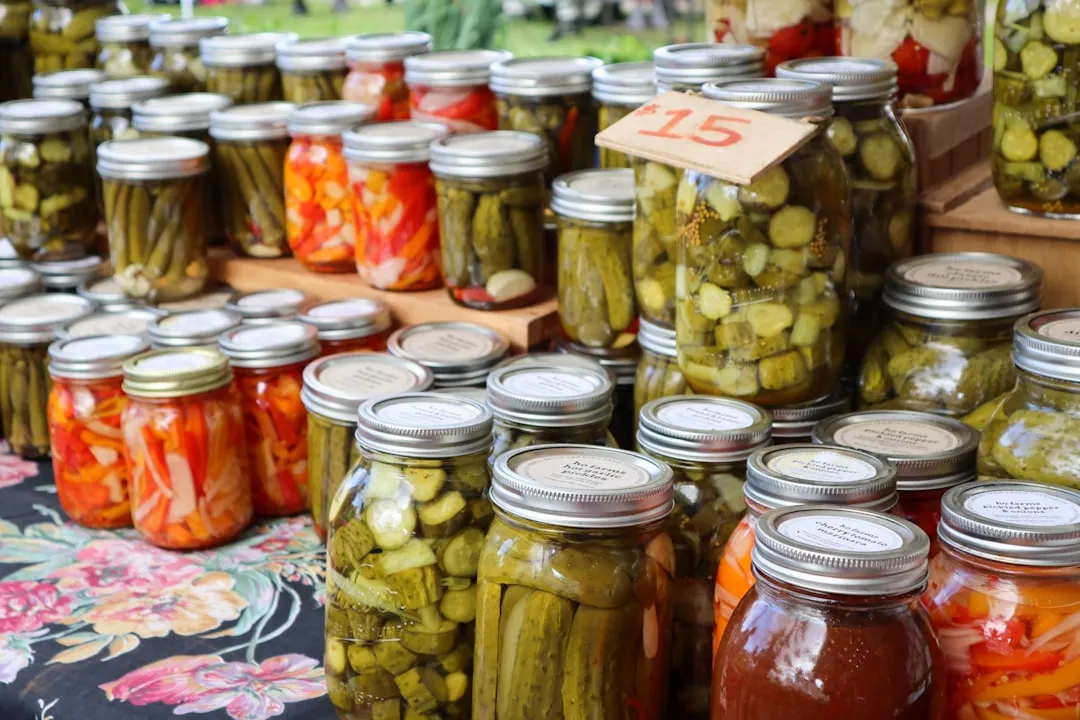
Fermented foods contain probiotics that balance the bacteria in your gut, and the gut-brain connection is real. These foods directly impact the enteroendocrine system, affecting hormones like ghrelin and serotonin. The gut is increasingly understood as a kind of second brain, producing a substantial share of the body’s serotonin.
Research shows that Lactobacillus bacteria found in yogurt may help prevent depression and anxiety by tuning the immune system, and scientists have discovered how these helpful bacteria maintain levels of interferon gamma that regulates your stress response. Kimchi, kefir, sauerkraut, and kombucha work along similar lines.
Probiotic-rich foods like yogurt, kefir, sauerkraut, and kimchi can support gut health, which is directly linked to mental health. Including a variety of fermented foods across the week, rather than relying on just one source, tends to give the gut microbiome a broader range of beneficial bacteria to work with.
6. Whole Grains
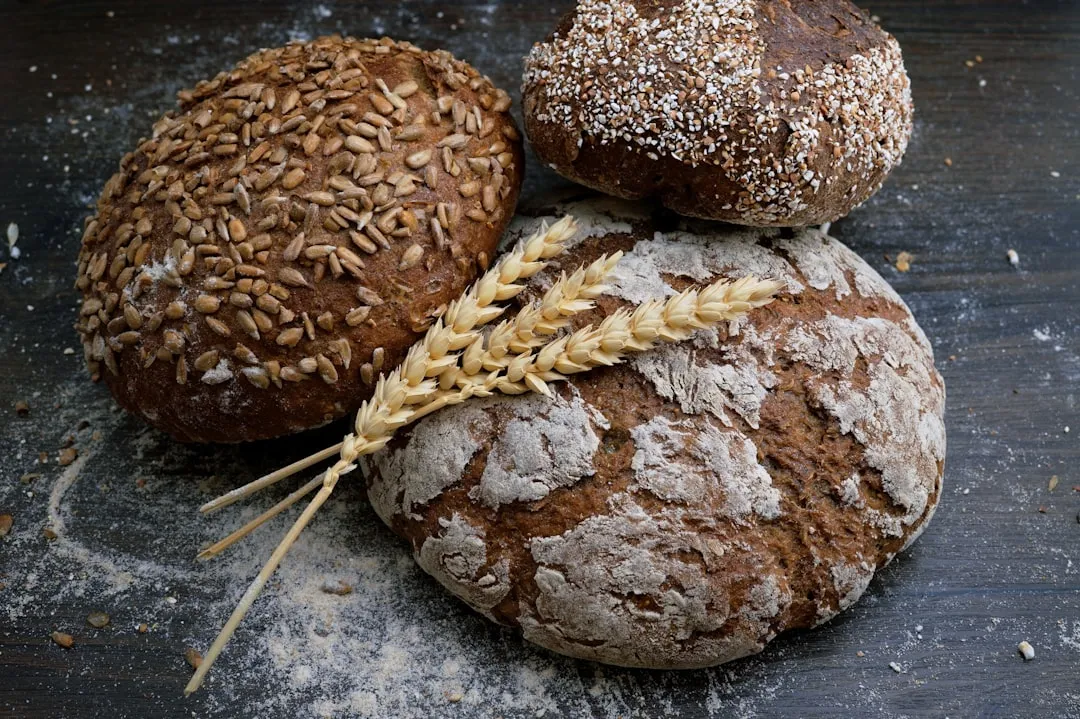
Whole grains, vegetables, and fruits are higher in complex carbohydrates and fiber that help to slow digestion, thereby avoiding significant shifts in blood sugar levels that can contribute to feeling more anxious. This is a more direct connection than many people realize. Blood sugar crashes and anxiety feel remarkably similar.
Whole grains such as oats, buckwheat, and quinoa provide steady energy that helps reduce anxiety symptoms. Unlike refined grains that cause blood sugar spikes and crashes, whole grains keep you balanced. Research also suggests that eating more whole grains is linked to improved mood and anxiety-related scores.
The shift from refined carbohydrates to whole grain alternatives is one of the most impactful changes a person can make for general mental wellbeing. It doesn’t require exotic ingredients or expensive supplements, just a swap in what’s already in the cupboard.
7. Brazil Nuts
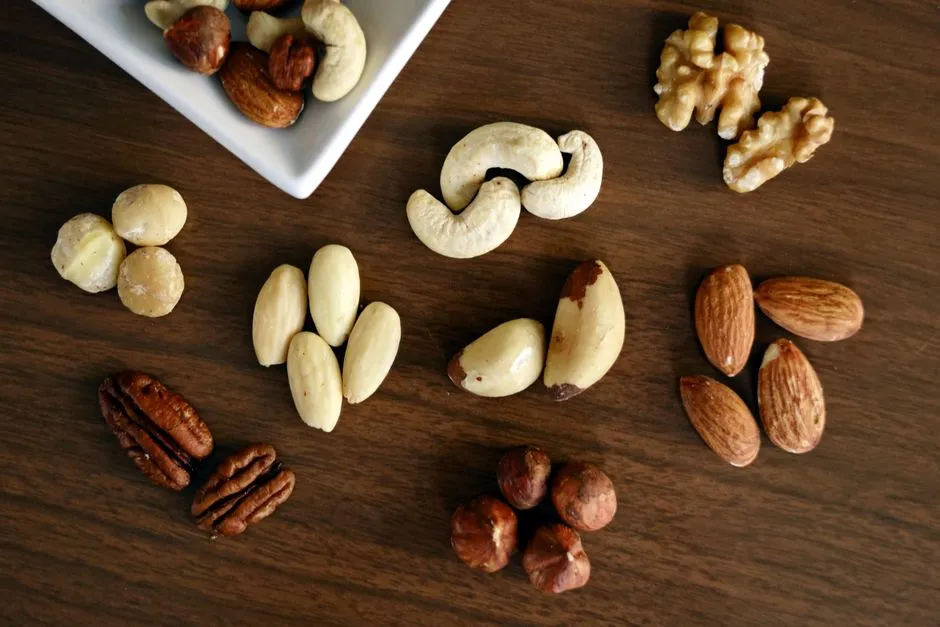
Brazil nuts are particularly noteworthy, with just one nut providing nearly 175% of the selenium needed daily. Zinc, magnesium, and selenium deficiencies have been linked to increased anxiety symptoms, and these minerals support proper brain function and neurotransmitter balance, helping people feel calmer naturally.
Foods rich in magnesium, such as leafy greens, legumes, nuts, seeds, and whole grains, may help a person feel calmer, and dietary zinc found in cashews, beef, and egg yolks may be linked to lower anxiety. Brazil nuts are one of the most concentrated single food sources of selenium available, making them unusually efficient for their size.
One or two Brazil nuts a day is enough to meet selenium needs. Going beyond that regularly is not recommended, since selenium can accumulate. A small handful of mixed nuts, including Brazil nuts, covers several of these mineral bases at once.
8. Chamomile
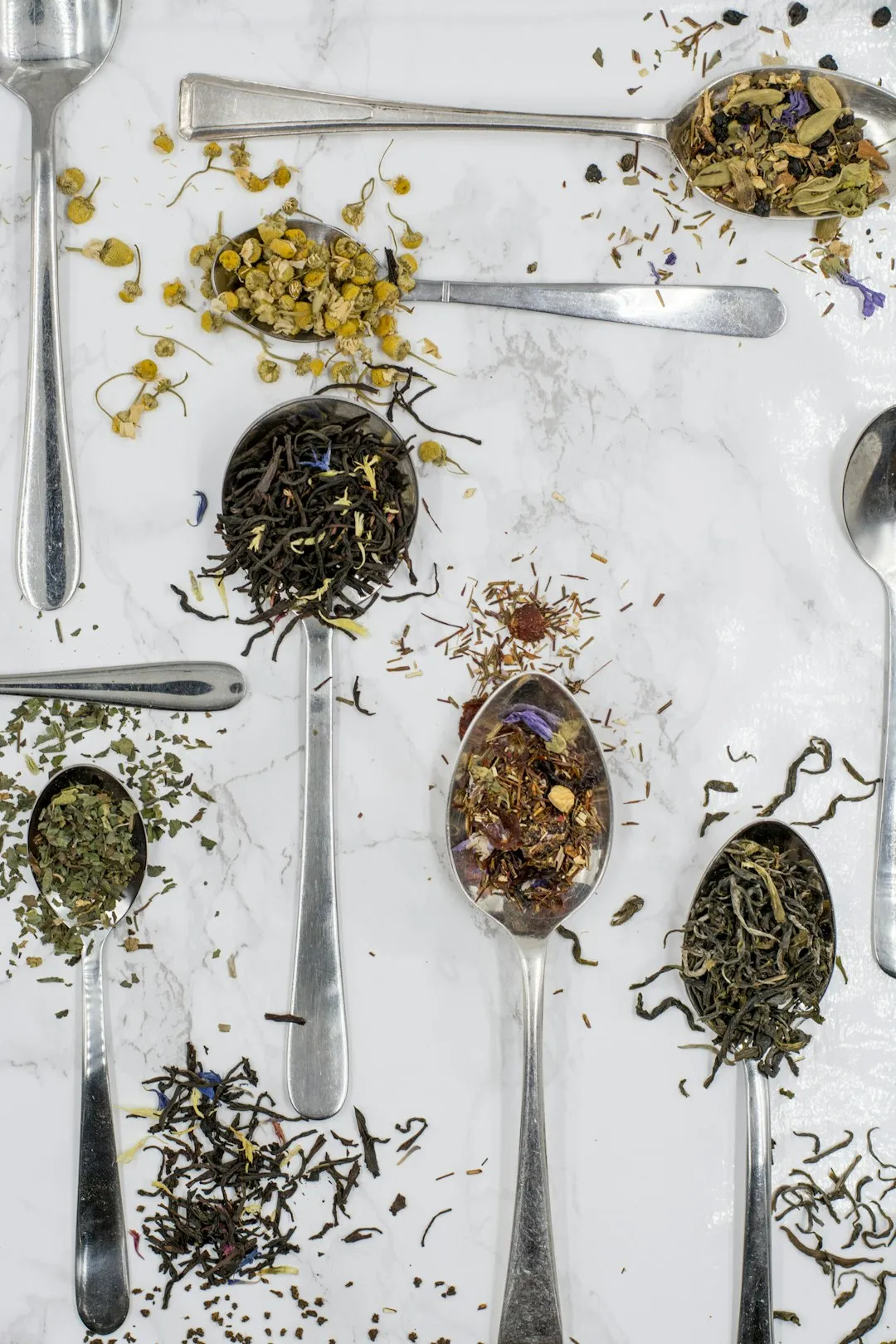
Chamomile is an herb that may help reduce anxiety. It contains both antioxidant and anti-inflammatory properties, which may help lower inflammation associated with anxiety. It’s been used as a calming remedy for centuries, and modern research has started to catch up with the traditional reputation.
Chamomile contains antioxidant and anti-inflammatory properties that may help regulate neurotransmitters related to mood. A study with 179 people with generalized anxiety disorder found significantly reduced symptoms after consuming 1,500 mg of chamomile extract daily. That’s a much higher concentration than a typical tea bag delivers, though regular tea still contributes meaningfully to overall intake.
Researchers believe chamomile may help regulate neurotransmitters related to mood, and it may also help regulate the hypothalamic-pituitary-adrenocortical (HPA) axis, a central part of the body’s stress response. As an evening ritual, a warm cup of chamomile tea is a low-effort, evidence-supported way to wind down.
The Bigger Picture: Diet and Anxiety Together
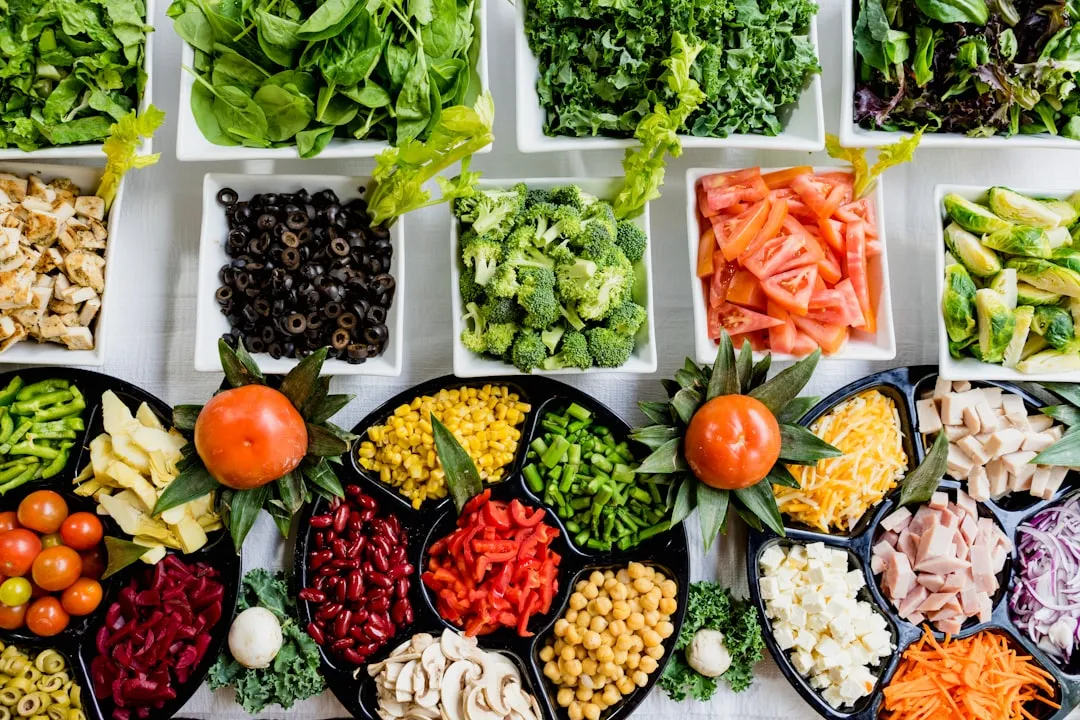
A review of thirteen studies, published in the February 2025 issue of Nutrition Reviews, found that the Mediterranean diet could reduce the risks of depression, anxiety, and ADHD among children and teenagers. The individual foods on this list tend to appear together in that dietary pattern, which suggests the benefit comes from the overall approach, not just any single food.
In a study of more than seven thousand adults, researchers found that those who eat more legumes, other vegetables, fruits, yogurt, fish and seafood, milk, and fruit juice have lower levels of perceived stress. None of these findings suggest that food alone replaces professional care. While more research is needed to study the relationship between food, mood, and anxiety, it may be worth giving healthy eating a try in addition to any medications or therapies a doctor has prescribed.
Final Thoughts

What we eat shapes more than our waistline. The connection between diet and mental health is no longer a fringe idea. It’s backed by peer-reviewed journals, randomized trials, and a growing body of evidence that points in a consistent direction: whole, unprocessed foods support a calmer, more resilient nervous system.
None of the eight foods listed here are miracle cures, and that’s worth saying plainly. They work best as part of a wider commitment to eating well, sleeping enough, staying active, and seeking support when it’s needed. Still, the fact that something as simple as salmon, blueberries, or a cup of chamomile tea may take the edge off daily anxiety is a genuinely useful piece of knowledge. Small, consistent choices add up more than most people expect.
AI Disclaimer: This article was created with the assistance of AI tools and reviewed by a human editor.