

Summers keep getting harder on gardens. Recent droughts increasingly occur alongside heatwaves, forcing plants to withstand two simultaneous environmental stresses at once. That combination separates the truly tough from the merely decorative. Most ornamental plants look great in a nursery display but wilt within days once the ground dries out and temperatures climb.
Drought-tolerant plants have special adaptations that help them survive dry conditions, including deep roots, small or waxy leaves, silver or fuzzy foliage, and the ability to go semi-dormant during extreme heat. Knowing which specific plants carry those traits, and why they work, makes a real difference in planning a garden that holds up rather than surrenders.
1. Lavender (Lavandula angustifolia)
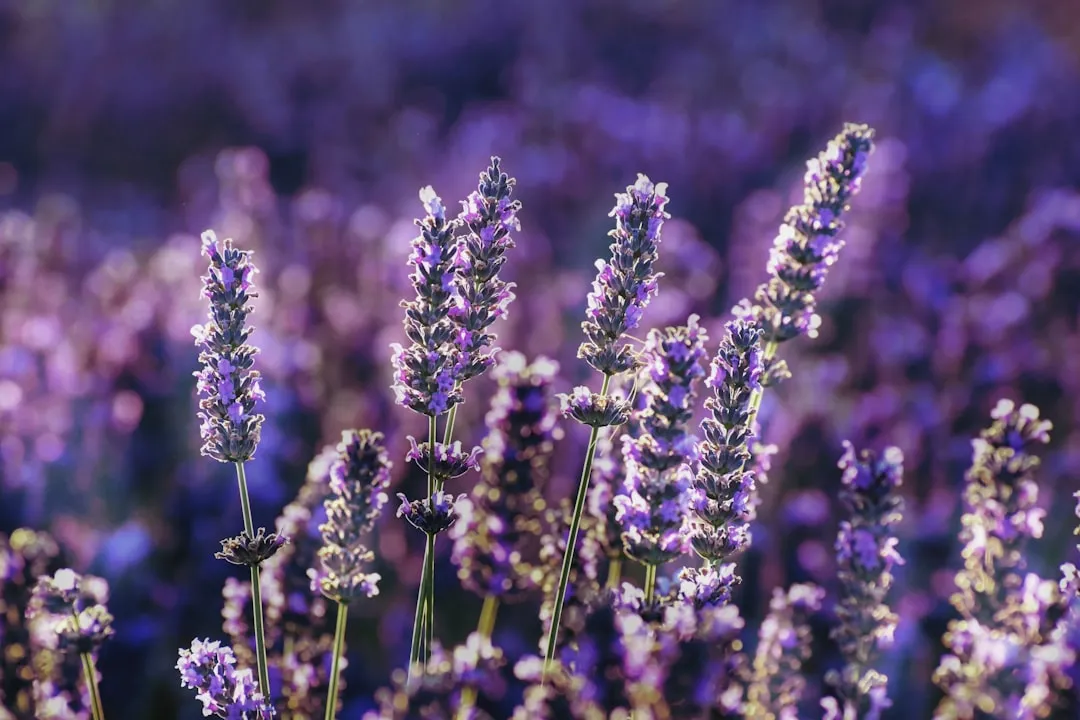
Native to the sun-baked hillsides of the Mediterranean, lavender demands full sun, excellent drainage, and lean soil. Give it those conditions and it genuinely thrives through extended dry spells without much intervention at all. Its fragrant foliage, purple flowers, and ability to thrive in dry conditions make it a favorite for drought-tolerant landscapes, performing best in full sun and well-draining soil.
A true classic, this hardy, fragrant, evergreen shrub is the perfect match for hot, dry gardens, and once mature, warm summer days will help intensify the lavender fragrance while encouraging pollinators. One practical note worth knowing: experienced growers recommend pruning it hard after bloom each year, or it will go woody and stop flowering within a few seasons.
2. Sedum / Stonecrop (Sedum spp.)
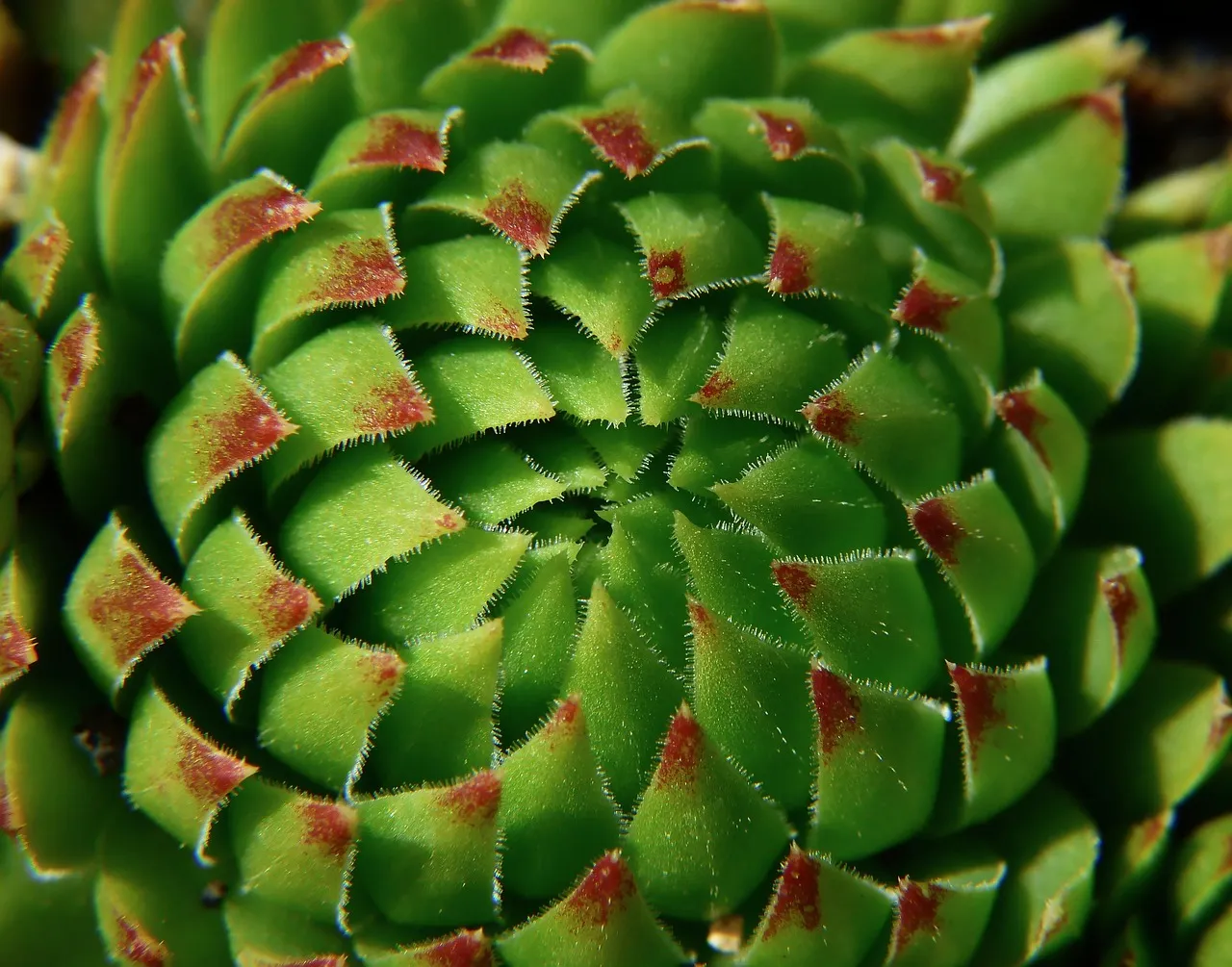
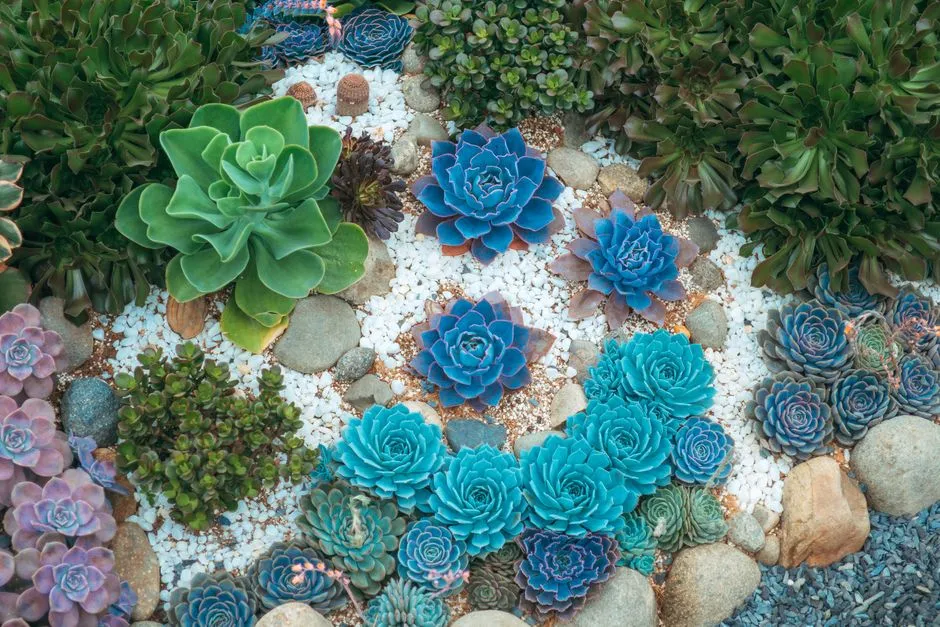
Sedum possesses one of nature’s best survival strategies for hot weather. Its thick, succulent leaves store moisture, allowing the plant to endure long periods without rain. Stonecrop plants all share one useful trait: their fleshy, succulent leaves store water, and many sedums thrive in sunny spots where other flowers struggle, even in shallow, rocky soil where almost nothing else would take hold.
Sedum is a whole category of plants with a remarkable range. Low-growing varieties like ‘Dragon’s Blood’ function as dense, weed-suppressing groundcovers, while upright varieties like the classic ‘Autumn Joy’ anchor mid-border compositions, shifting from soft pink to deep russet as autumn arrives. Sedum rarely suffers from serious pest or disease problems, and its compact growth habit helps suppress weeds while maintaining a tidy appearance.
3. Coneflower (Echinacea purpurea)
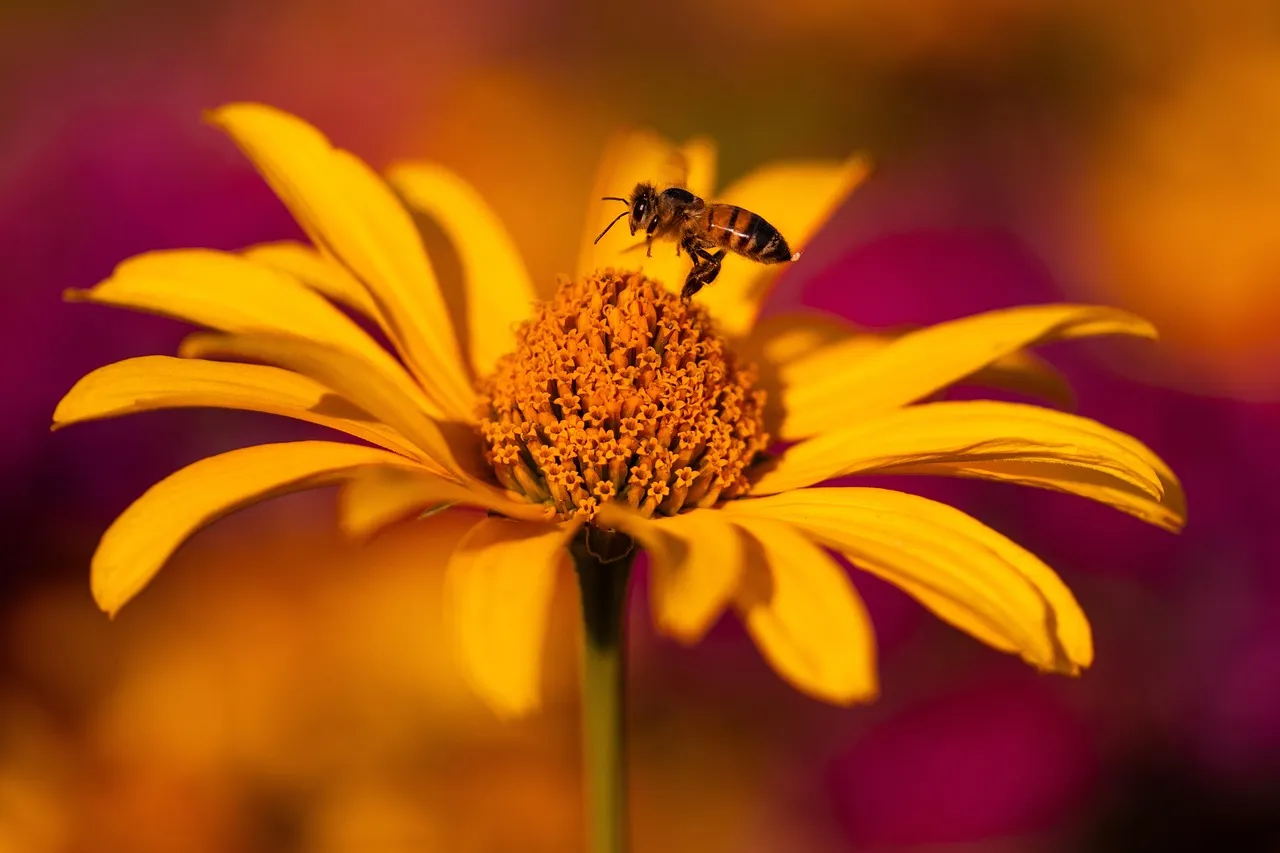
Coneflowers are beloved for their daisy-like blooms and are incredibly tough, drought-resistant plants. They thrive in full sun and well-drained soil, making them excellent for dry, hot summers, and they attract pollinators such as butterflies and bees. These native North American plants are both heat-tolerant and drought-resistant, offering reliable performance season after season.
Echinacea, or coneflowers, have had a meteoric rise in the last few decades, with dozens, if not hundreds, of varieties now available in every color of the rainbow, from pom-pom peaches to delicate pale lilac blooms to sturdy, vibrant oranges and reds. Beyond their visual appeal, coneflowers offer impressive longevity, returning year after year without demanding constant division or special treatment.
4. Russian Sage (Perovskia atriplicifolia)
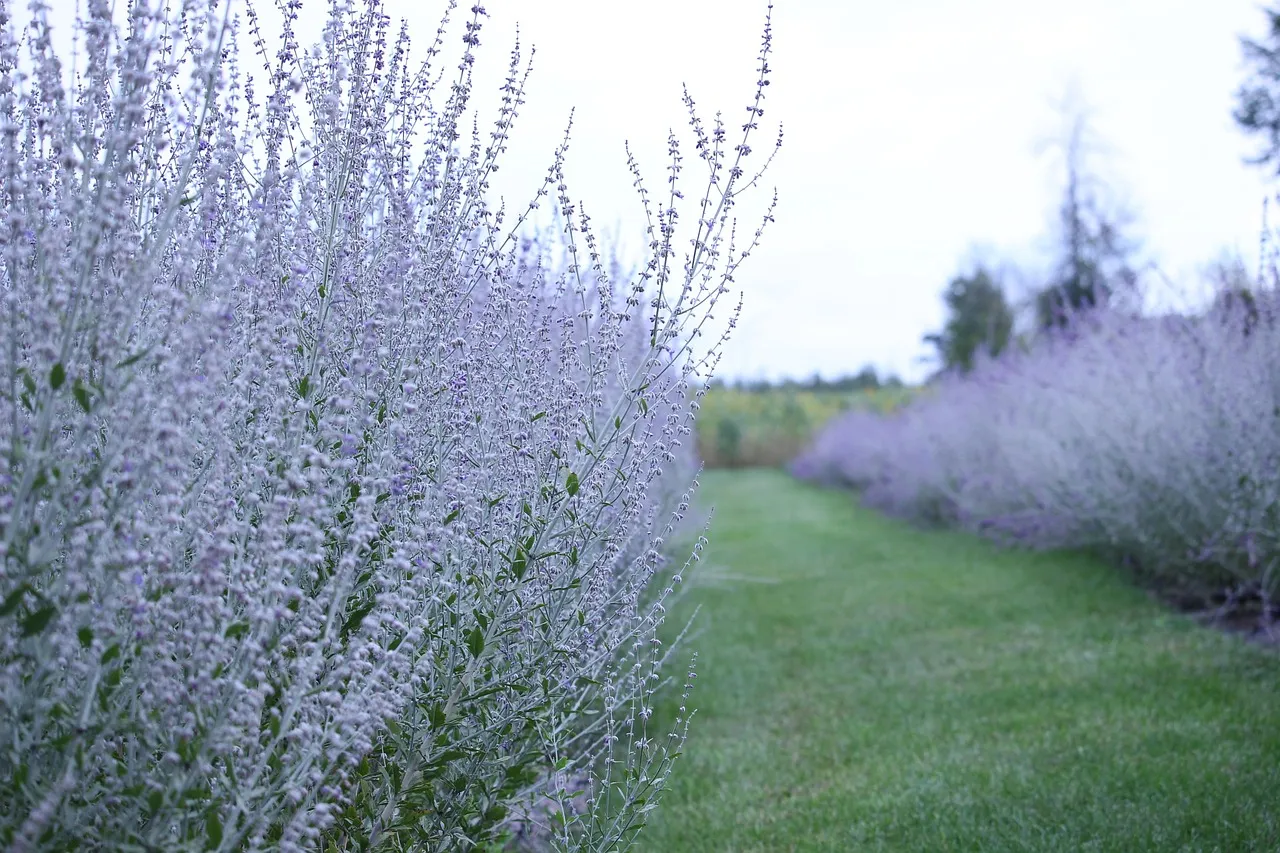
Russian sage seems built specifically for hot, dry climates. Silvery foliage creates visual interest even before the plant begins flowering, and during summer, airy spikes of lavender-blue blooms cover the plant and provide weeks of color. Russian sage’s long branches are covered with sprays of small, blue flowers in mid- to late summer, and it provides a beautiful background for other drought-tolerant plants.
The aromatic foliage also discourages many browsing animals, including deer, and intense sunlight only seems to improve its performance. These plants can grow to about five feet tall but become woody with age, benefiting from being cut back hard in spring. For small spaces, dwarf ‘Little Spire’ grows 18 to 24 inches tall.
5. Agave (Agave spp.)

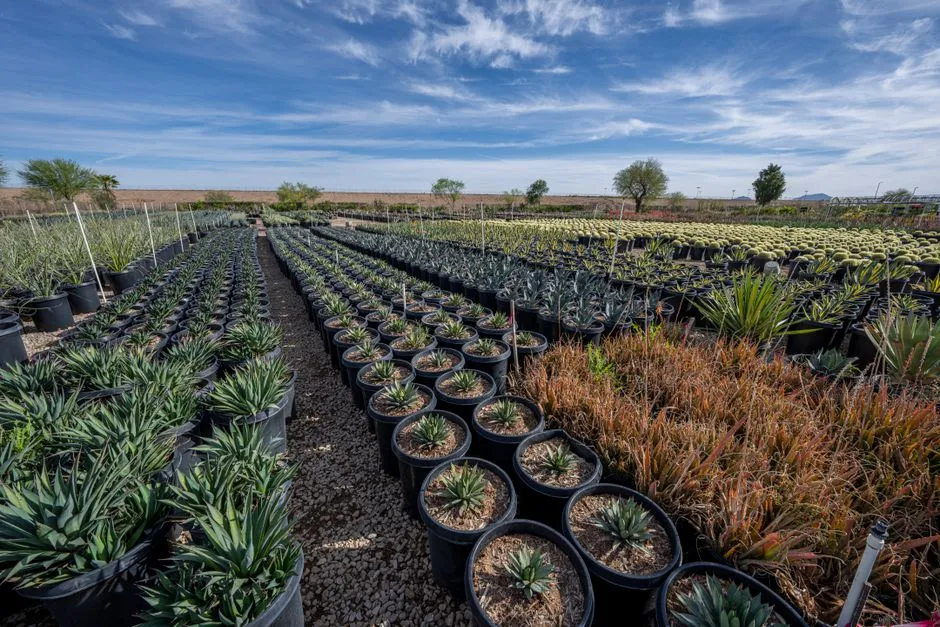
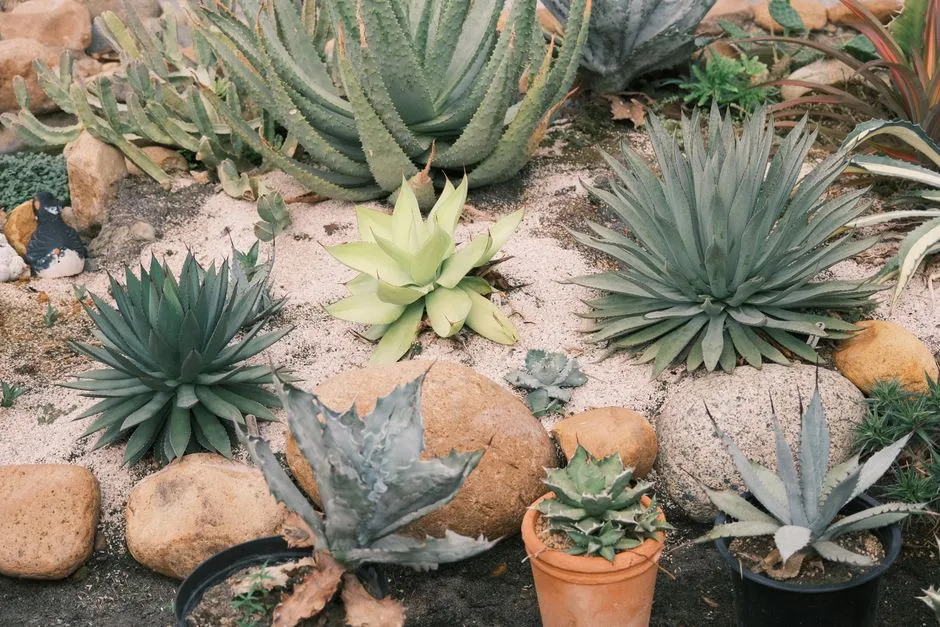
Agaves are dramatic, low-maintenance succulents that store water in their thick leaves, making them ideal for arid climates or xeriscapes. These striking plants are incredibly drought-tolerant, often requiring even less water than other succulents, and their rosette of thick, fleshy leaves not only stores water but also adds dramatic flair to any outdoor space.
In the Southwest, particularly in zones 8 to 10, agave is one of the top recommendations precisely because it loves intense heat and full sun. The key to keeping agave healthy is simple: plant it in well-drained soil and resist the urge to water it frequently. High heat tolerance and avoidance of damaging leaf temperatures in tough specimens are supported by traits including low leaf osmotic potential and high leaf mass per area, meaning thick, dense leaves.
6. Yarrow (Achillea millefolium)
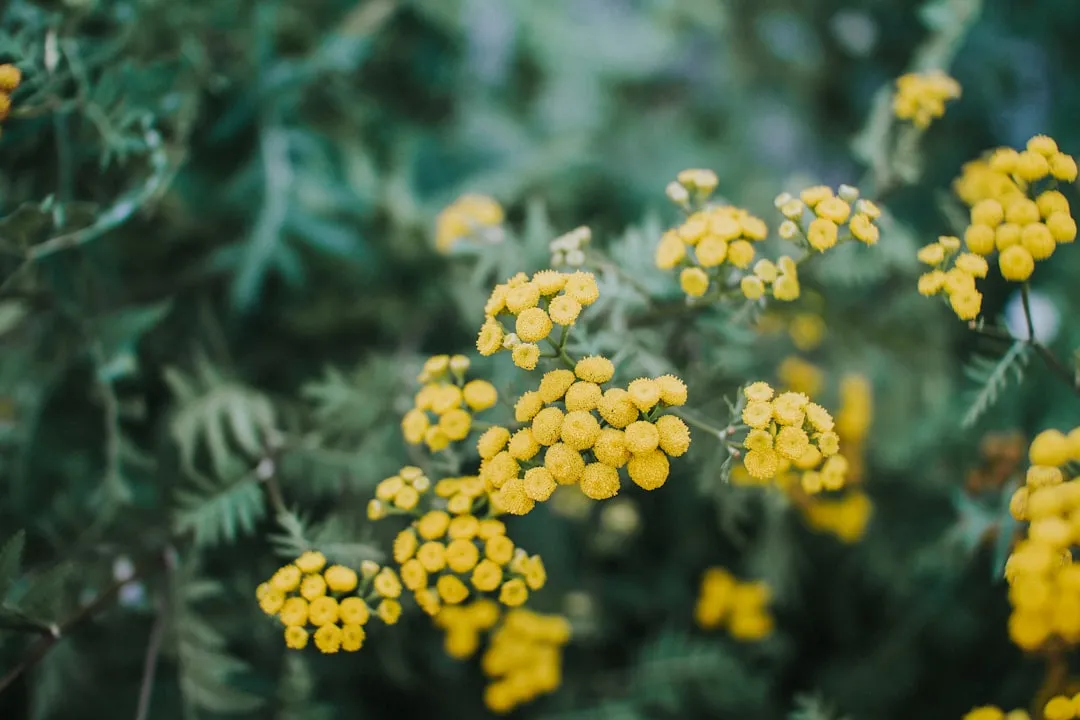
Flat-topped flower clusters in yellow, white, pink, and red sit above ferny, aromatic foliage from early summer through fall. Yarrow tolerates drought and poor soil, spreads reliably to fill gaps, and is one of the best plants available for attracting beneficial insects. The silver-leaved woolly yarrow variety provides visual interest even when it is not in bloom.
Achillea come in a spectacular array of color and form, and they are drought-tolerant specialists, rooting deep into the soil to gather nutrients and smaller traces of moisture. Yarrow’s feathery foliage and flat-topped flowers are heat- and drought-resistant, and it naturalizes well, making it a great pollinator-friendly addition to almost any sunny garden.
7. Black-Eyed Susan (Rudbeckia hirta)
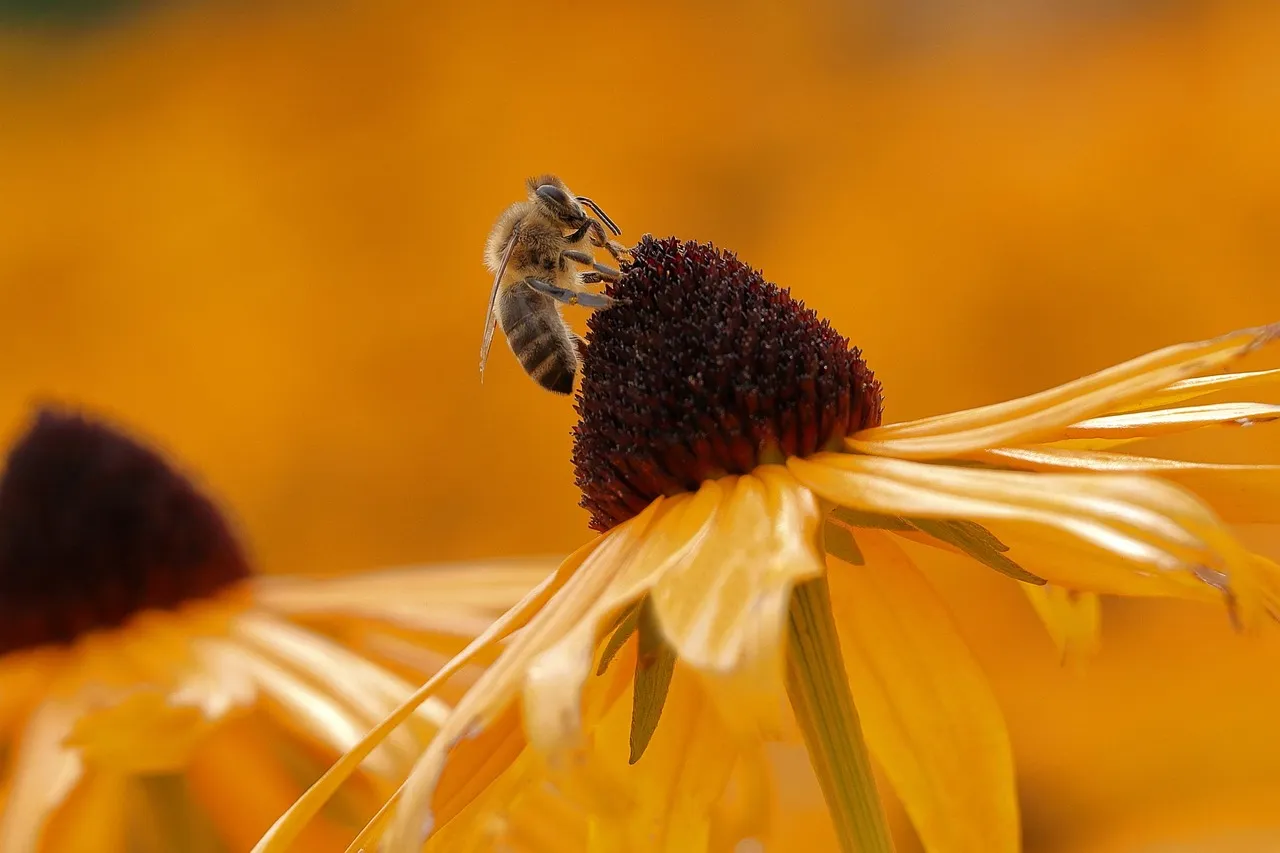
Native to North American prairies, black-eyed Susan is adapted to extreme heat and cold, lean soil, and prolonged periods of drought. The rough hairy leaves reduce water evaporation, making it genuinely well-suited to sustained dry periods. Black-eyed Susans are a natural fit for hot, dry settings, and as a top choice for mass plantings, mini meadows, and xeriscapes, they need very little extra water once established.
Coneflowers and black-eyed Susans excel in blazing sun and poor soils, providing reliable color through the hottest months. Leaving the spent blooms in place at the end of the season also pays dividends: allowing the golden blooms to go to seed in autumn can attract birds to the garden. Few plants give back as much as they take.
8. Lantana (Lantana camara)
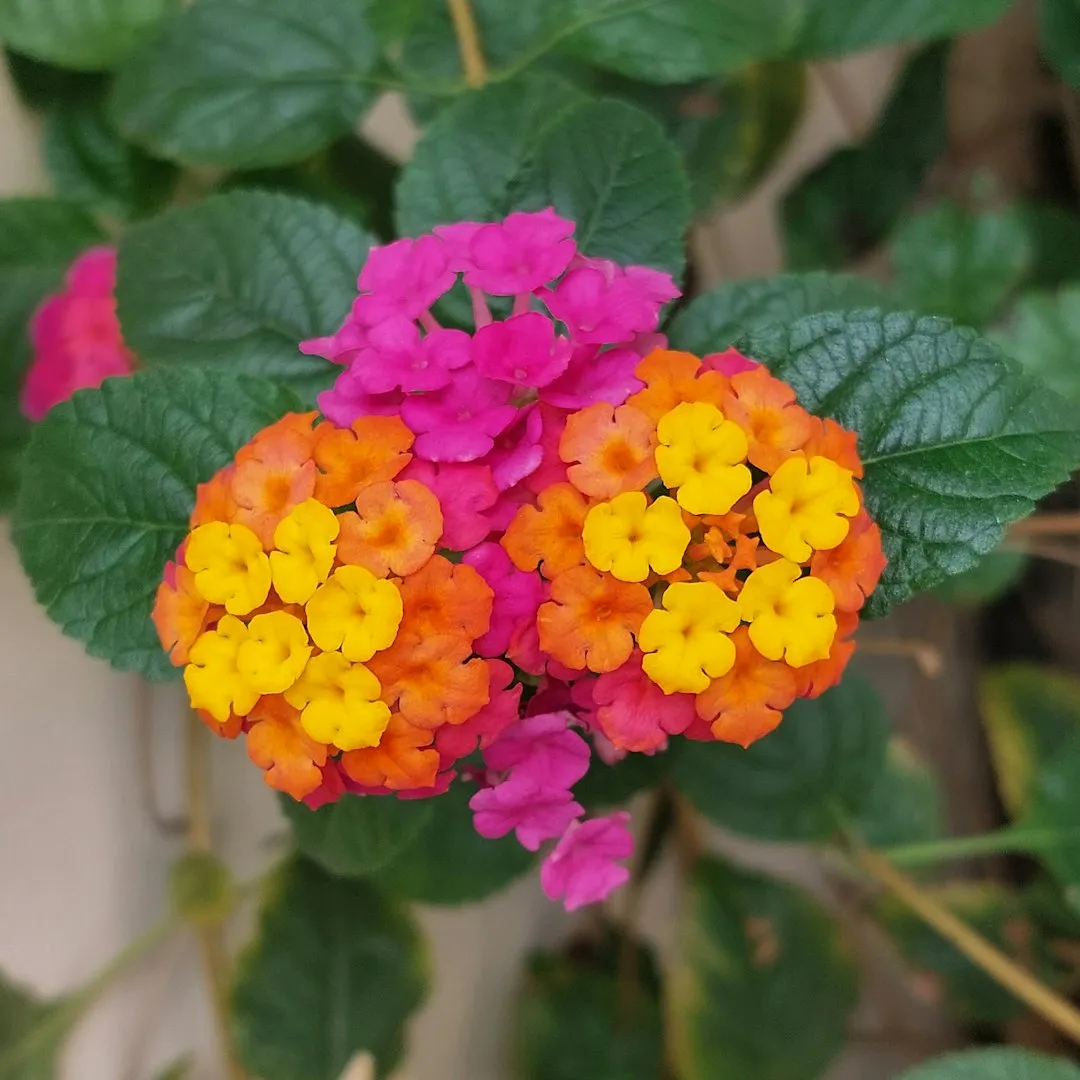
Lantana blooms two-inch-wide discs of individual tubular florets in yellow, orange, white, red, or purple from summer to fall, and it is both drought and deer resistant, thriving in the summer’s heat and doing very well in containers. Even during stretches of triple-digit temperatures, lantana often continues producing vibrant blooms.
This tough performer works well in containers, borders, and landscape beds, and garden centers frequently carry compact varieties for small spaces. Lantana rarely demands daily attention, making it ideal for homeowners with packed schedules, and a deep watering during extended droughts usually provides all the support it needs. Few flowering plants are quite as forgiving when the temperature climbs.
Why These Plants Succeed Where Others Fail
Several mechanisms contribute to high heat tolerance: small leaf size, low leaf osmotic potential, high leaf mass per area (meaning thick, dense leaves), high transpirational capacity, and access to water. The plants in this list rely on at least one, and often several, of these strategies simultaneously. That combination is what separates them from plants that simply look tough.
Aromatic oils in herbs like salvia, thyme, and rosemary reduce water loss and heat stress, while some plants slow growth or go summer dormant to ride out extreme heat entirely. Understanding these mechanisms helps gardeners make smarter selections rather than relying on guesswork or marketing labels alone.
The Water-Saving Case for Drought-Tolerant Gardening
According to research cited in National Geographic, switching to a water-wise landscape can cut outdoor water use by 50 to 75 percent. In some communities, that translates to roughly 120 fewer gallons of water per household per day. That is a meaningful number, not just for water bills but for the broader strain on local water systems during dry summers.
It’s no secret that summers are getting hotter and drier, and heat waves and drought-like conditions are only expected to become more common in the coming years, especially in parts of the Southeastern and Western United States. By growing drought-tolerant plants and taking simple steps to conserve moisture in the soil, gardeners can create outdoor spaces that remain attractive even when rainfall is limited, and water-wise gardens can also support pollinators and other wildlife that rely on flowers and vegetation for food and shelter.
Practical Tips for Establishing Drought-Tolerant Plants
Most drought-tolerant plants need regular deep watering for the first four to six weeks after planting. Once their roots grow deep, they can thrive on rainfall or very occasional soaks. Getting that establishment phase right is actually the most important work a gardener can do, because it sets the root structure the plant will rely on for years.
Heat-loving plants thrive in well-draining soil amended with a few inches of compost worked into the top several inches of native soil. Adding a three to four inch layer of organic mulch around plants helps retain moisture and keep roots cool during summer temperatures that can regularly exceed 90 degrees Fahrenheit. Planting in spring or early fall, when temperatures are milder, gives roots time to establish before peak summer heat arrives.
Conclusion
Building a garden that genuinely handles extreme summer heat is less about heroic effort and more about starting with the right plants. The eight species covered here have earned their reputations through real biological adaptations, not just clever branding. They have been tested in hot climates, validated in research, and relied upon by gardeners across USDA hardiness zones for many years.
The broader point is worth sitting with: as heatwaves become longer and more intense, choosing the right plants is no longer purely an aesthetic decision. It is a practical one. A garden full of drought-tolerant species quietly handles stress that would wipe out a conventional planting, often while looking better for it. That kind of quiet resilience is, in its own way, worth growing toward.
AI Disclaimer: This article was created with the assistance of AI tools and reviewed by a human editor.