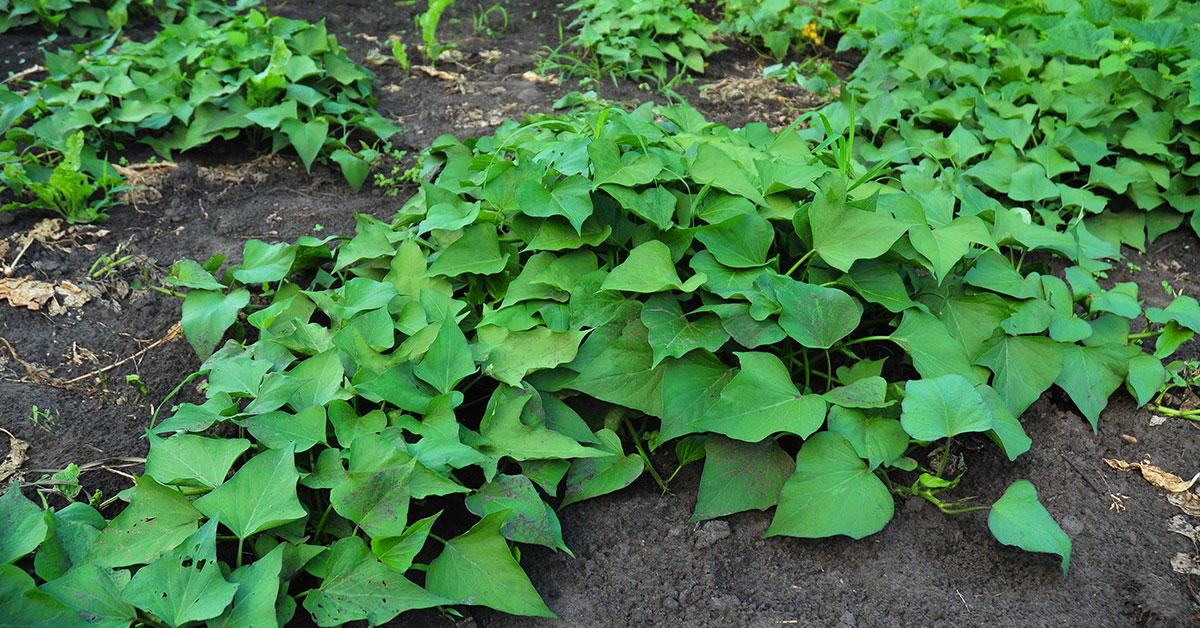

Sweet potatoes are a versatile crop that can be grown indoors or outdoors in the garden. They require special care and attention to thrive, and one of the best ways to ensure their success is with companion planting. Companion planting is the practice of growing two or more different types of plants together to benefit from their growth and development. By planting certain plants near sweet potatoes, you can help them to grow better, faster, and more efficiently. In this article, we will discuss some of the best companion plants for sweet potatoes and how to get the most out of them.
The best companion plants for sweet potatoes
Growing these companion plants in the vicinity of sweet potatoes can help enhance their growth and protect them from pests. If you’re looking for good sweet potato companion plants, consider selecting some of these:
Dill
Dill is an awesome companion plant for sweet potatoes! It can help to deter insect pests like aphids, spider mites, and cabbage loopers, while also attracting beneficial insects such as hoverflies and ladybugs. The strong aroma of the dill plant also helps to mask the scent of the sweet potatoes, which can attract pests. Dill also provides a nice contrast to the bright orange of the sweet potatoes, adding visual interest to the garden. Planting dill near sweet potatoes is a great way to ensure a healthy harvest of the tubers.
Oregano
Oregano helps to keep pests and diseases away from sweet potatoes and can even help to improve the flavor. Oregano can also help to improve the texture of sweet potatoes, making them more flavorful and enjoyable. Oregano can also help to improve the overall health of the plant, making it more productive and helping to increase yields. A great way to ensure that sweet potatoes and oregano can benefit each other is to plant them together in the same bed or in containers. This will provide both plants with the nutrients they need and will help them to thrive.
Thyme
Thyme is a great companion plant for sweet potatoes because it helps to repel pests and can also improve the flavor of sweet potatoes. Thyme can be planted around the base of the sweet potato plants, as well as interplanted between the rows. Its fragrant aroma also helps to deter pests, and its deep root system helps to improve soil structure and promote drainage. Thyme also helps to attract beneficial insects such as bees, which can help to pollinate the sweet potato flowers. It’s an easy-to-care-for plant, needing minimal attention and water, making it a great addition to any sweet potato garden.
Potatoes
Regular potatoes make great companion plants for sweet potatoes – they are both part of the same family, so they are compatible in terms of growing conditions and soil requirements. They also help to protect each other from diseases and pests, as the presence of one can act as a deterrent for the other. Additionally, the potatoes can provide shade for the delicate sweet potatoes, and the sweet potatoes can help to protect the potatoes from frost. As a result, these two plants can be a great pair to grow in a garden.
Beans
Beans help to provide nitrogen-rich soil, which helps sweet potatoes grow and thrive. Beans also provide support for the sweet potato plants and help prevent weeds. Additionally, the foliage of beans provides a ground cover that shades the soil and helps to keep it moist. This reduces the risk of disease and insect damage to sweet potatoes. Furthermore, beans are a great source of protein for people and animals, making them an ideal crop to grow alongside sweet potatoes.
Parsnips
Parsnips are an excellent companion plant for sweet potatoes. Not only do they provide a variety of nutrients to the soil, but they also help to repel harmful pests from sweet potatoes. Parsnips have a strong scent that is disliked by many of the pests that attack sweet potatoes. Furthermore, parsnips can be planted close to sweet potatoes, encouraging them to grow in a healthier manner and increasing yields. In addition, the roots of the parsnips can be harvested for human consumption, providing an additional benefit to growers. Overall, parsnips are a great companion plant for sweet potatoes and are an excellent addition to any garden.
Beets
Beets and sweet potatoes are both members of the same family, the Chenopodiaceae, making them naturally compatible with one another. Beets help to repel pests that are attracted to sweet potatoes, and they also provide vital nutrients to the soil, such as nitrogen and potassium, that sweet potatoes need to thrive. Furthermore, beets can even improve the taste of sweet potatoes when planted nearby. Beets are an easy-to-grow and beneficial addition to any sweet potato garden.
Chives
Chives help to repel pests, such as aphids and Japanese beetles, that can damage sweet potatoes. This plant can also provide beneficial habitats for beneficial insects, such as ladybugs, which can help protect sweet potatoes from pests. Finally, chives can provide a mild onion flavor that pairs well with the sweet flavor of sweet potatoes, making them a welcome addition to any garden. With their easy-to-grow nature, chives make a great companion plant for any sweet potato patch.