

Most gardeners have been conditioned to reach for the spray bottle the moment they see something moving on their plants. It’s an understandable reaction. But that instinct can actually work against you. Contrary to popular belief, there are more good bugs than bad ones in the landscape, and only about one percent of all insect species are considered to be serious plant pests.
A diverse population of insects is crucial for the health and productivity of vegetable and ornamental gardens. The eight insects below are ones you genuinely want patrolling your beds. Learn to recognize them, and you’ll start to see your garden very differently.
1. Ladybug (Ladybird Beetle)
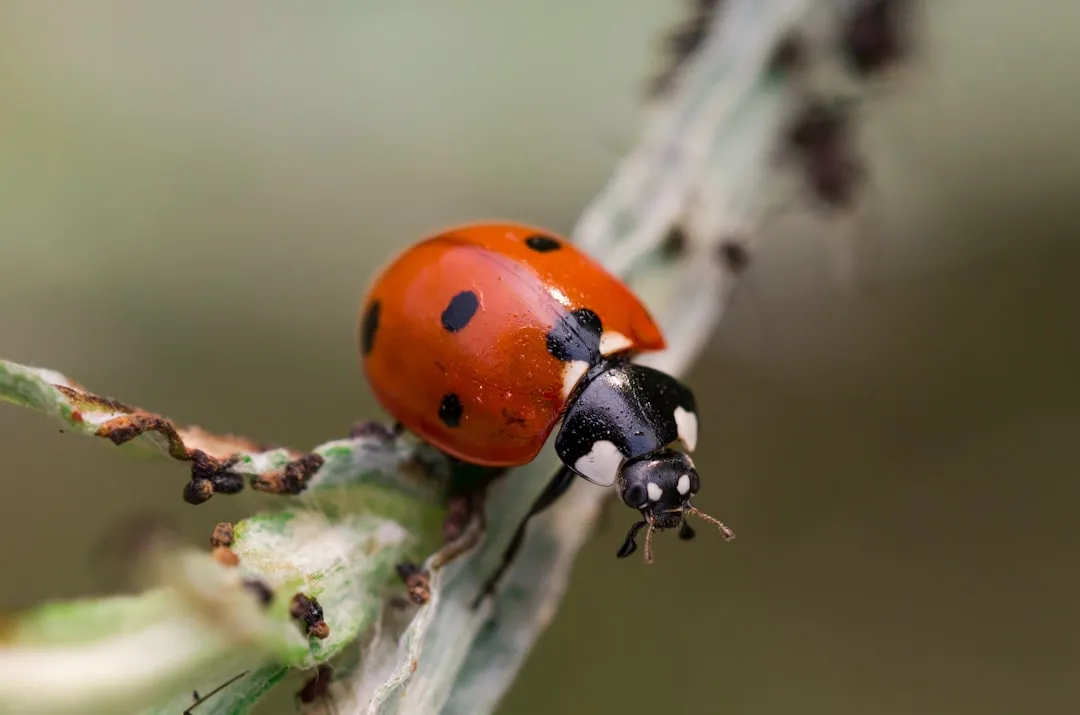
The ladybug is probably the most recognized beneficial insect on the planet, and for good reason. Ladybugs are capable of consuming up to 50 to 60 aphids per day, but will also eat a variety of other insects and larvae including scales, mealybugs, leafhoppers, mites, and various types of soft-bodied insects. That’s a lot of pest control packed into a very small body.
While it’s true that adult ladybugs can feast on two dozen or more aphids in a day, it’s during the larval stage that their appetite truly shines – ladybug larvae consume the most aphids, devouring roughly ten times more than their mature counterparts. Most people don’t even recognize the larvae, which look nothing like the familiar spotted adult.
Over one ladybug’s entire lifetime, it can eat up to 5,000 aphids. You can invite ladybugs to your garden by using pollinating flowers like alyssum, fennel, and marigolds, since ladybugs eat both insects and pollen, and planting their food will naturally attract them.
2. Green Lacewing
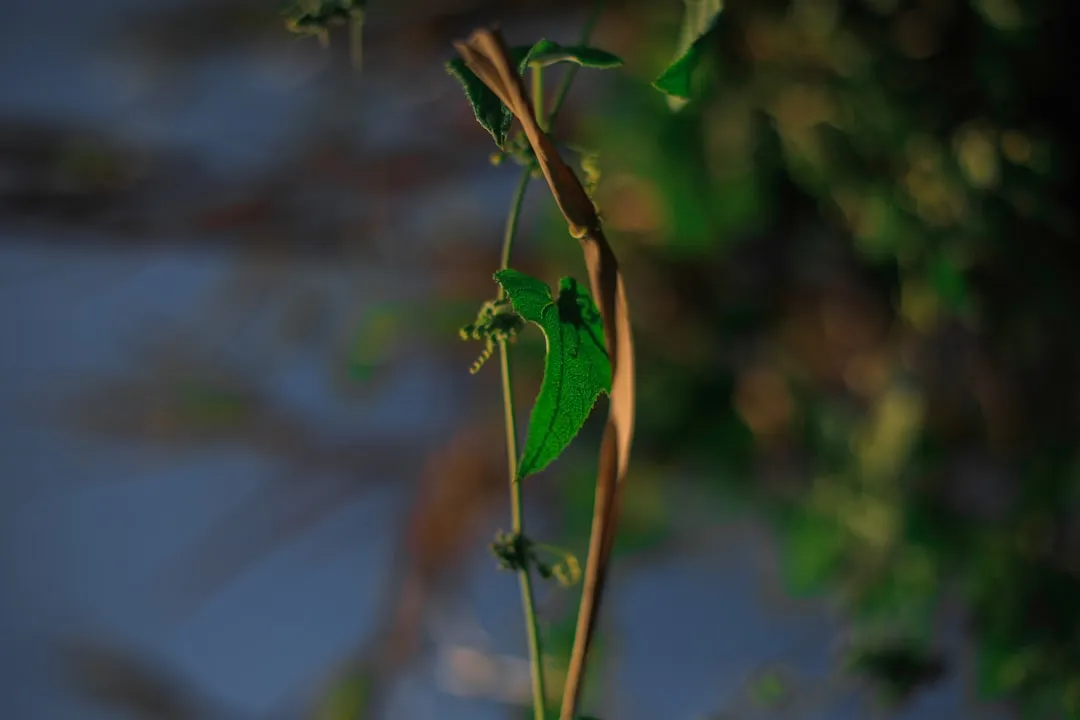
Green lacewings are beneficial and interesting insects with attractive green wings. Their larvae prey on many garden pests such as aphids, mites, mealybugs, and scales – in fact, the larvae are so voracious that they are known as “aphid lions.” That nickname alone should tell you how useful they are.
Adult green lacewings are nocturnal insects, with some species feeding primarily on nectar and pollen while others are predators themselves. Each female lacewing lays her eggs in small groups, with each individual egg placed at the tip of a delicate stalk. This elevated placement helps protect the eggs from their hungry siblings as they hatch.
Delicate and efficient, lacewing larvae target common garden pests like mealybugs and aphids, making them critical in integrated pest management. If you see their slender, pale green adults fluttering near your beds at dusk, that’s a sign your garden ecosystem is in good shape.
3. Ground Beetle
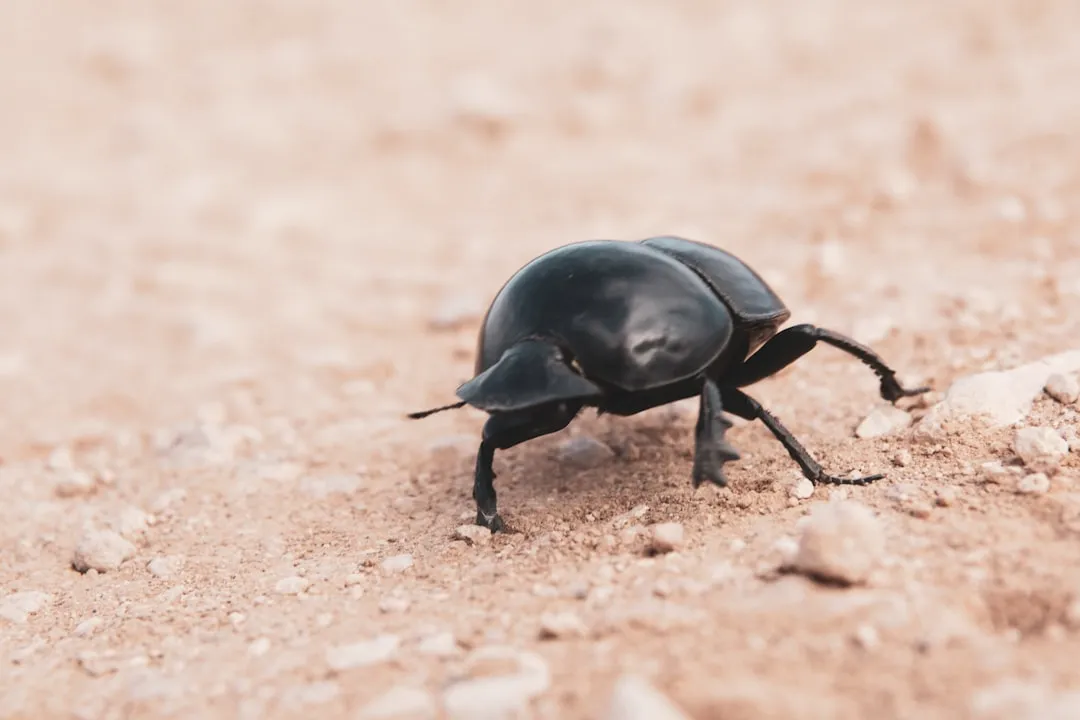
Ground beetles are a group of mainly nocturnal predators that feed on many insects and slugs in the garden at night. During the day, they remain hidden in nearby vegetation, beneath rocks, or in soil crevices. Their stealthy nature means most gardeners never see them working.
They enjoy a varied diet of grasshoppers, slugs, aphids, caterpillars, cutworms, ants, other beetles, small larvae, and insect eggs. There are thousands of ground beetle species, and both larvae and adults eat their body weight in prey each day. Larvae often kill more prey than they can even consume, making them an outstanding asset in reducing soil-dwelling pest populations.
Their larvae are also beneficial by preying on pests at or below the soil surface, and some species may live for two to three years, requiring sheltered overwintering sites such as perennial plants or clumps of grasses. Leaving some leaf litter and rough patches in your garden will help them stick around season after season.
4. Parasitic Wasp
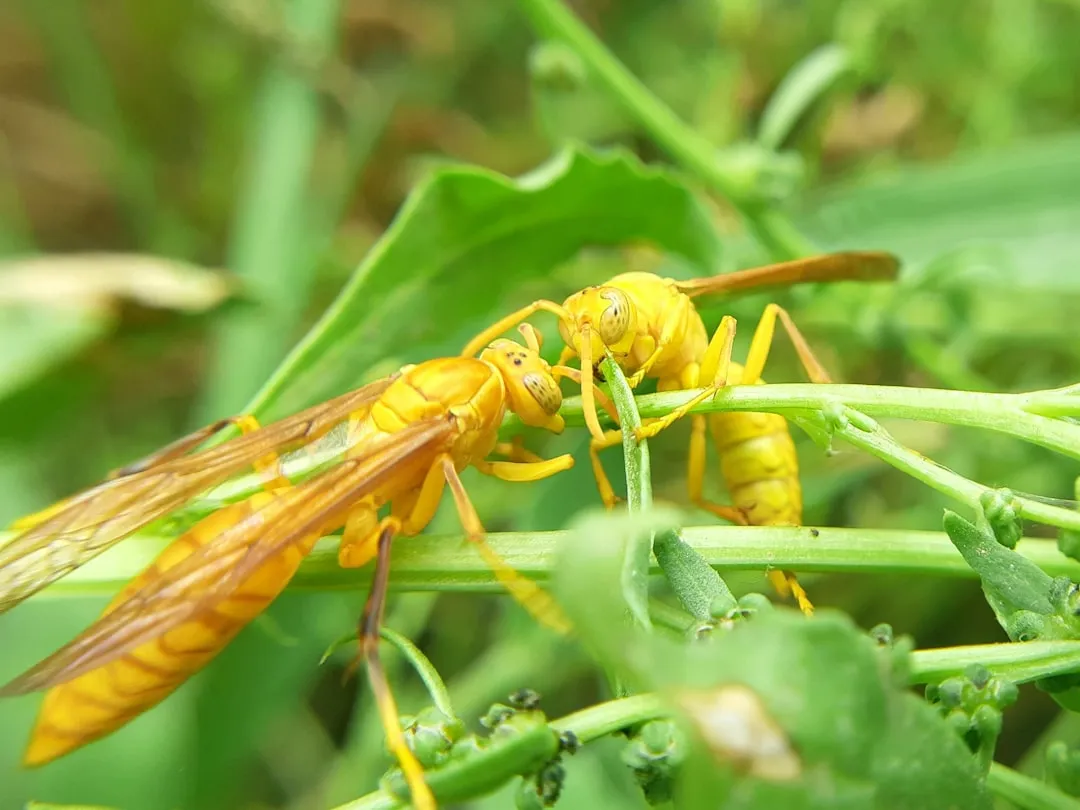
Parasitic wasps are very tiny, so you probably won’t see them at work – however, they are very effective in pest control. Their small size is deceptive. They do more heavy lifting in the vegetable garden than most people realize.
The female wasp typically lays her eggs into host insects such as caterpillars, beetle larvae, and aphids. The young then develop on or near the host insect, killing it. Braconid wasps, for example, lay their eggs on the backs of tomato hornworms and other caterpillars, forming those white cocoons you sometimes see attached to the caterpillar’s body.
Adult parasitic wasps prefer plants in the carrot family such as caraway, cilantro, dill, fennel, and Queen Anne’s lace. Including these plants in your yard or nearby beds is one of the most effective ways to attract and keep these insects working for you. If you spot a hornworm covered in white fuzz, resist the urge to remove it – let the wasps finish their work.
5. Hoverfly (Syrphid Fly)
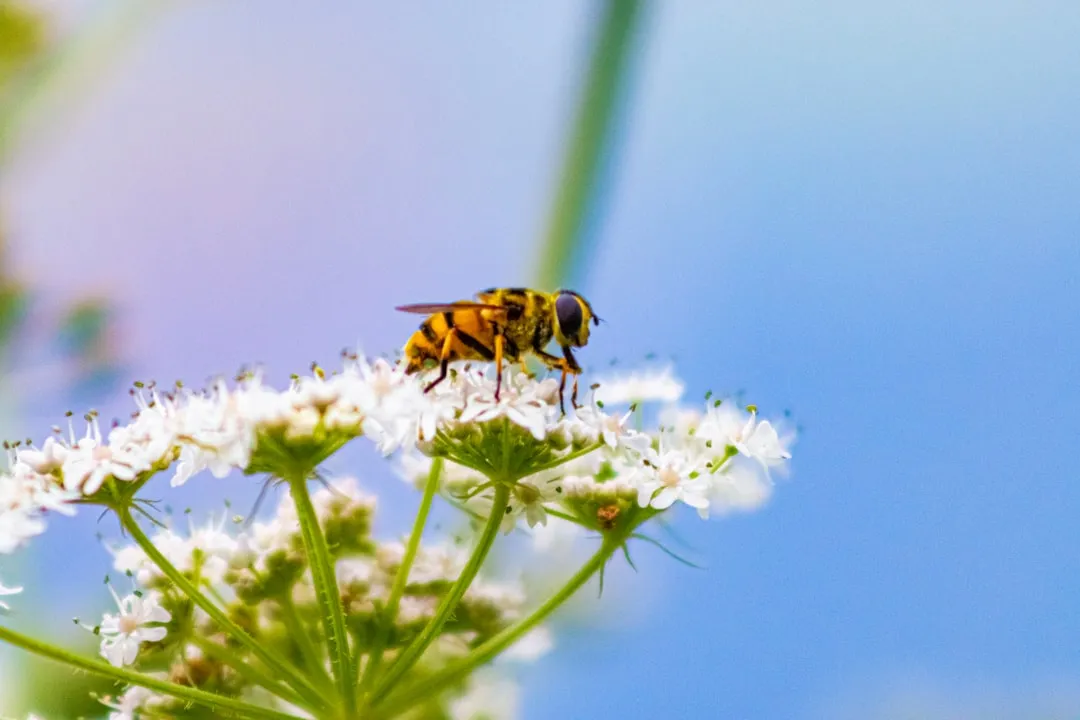
Often mistaken for bees, hoverflies are prolific pollinators, and their larvae are voracious consumers of aphids, making them doubly beneficial in gardens and fields. That dual role, pollinator and pest predator, makes them one of the most quietly valuable insects you can have around your vegetable beds.
The hoverfly looks like a tiny yellow jacket without a stinger. Adults feed on pollen and nectar and are crucial pollinators, while their larvae are voracious predators, killing aphids, beetles, caterpillars, and thrips by sucking the juice from their victims.
Syrphid flies must feed on pollen or nectar to mature their eggs. Many other insects use pollen and nectar to sustain themselves, often allowing them to survive longer, produce more offspring, and provide an overall higher level of biological pest control. Planting flowers among your vegetables isn’t just decorative – it’s strategic.
6. Assassin Bug
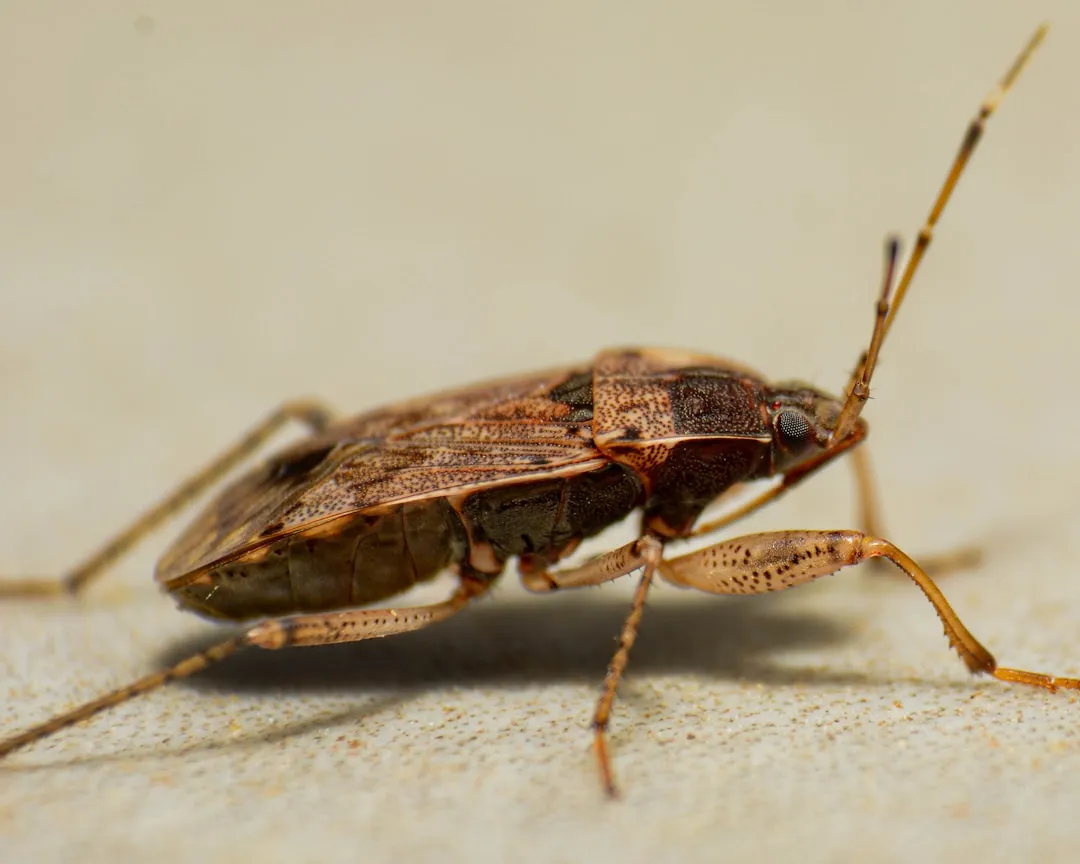
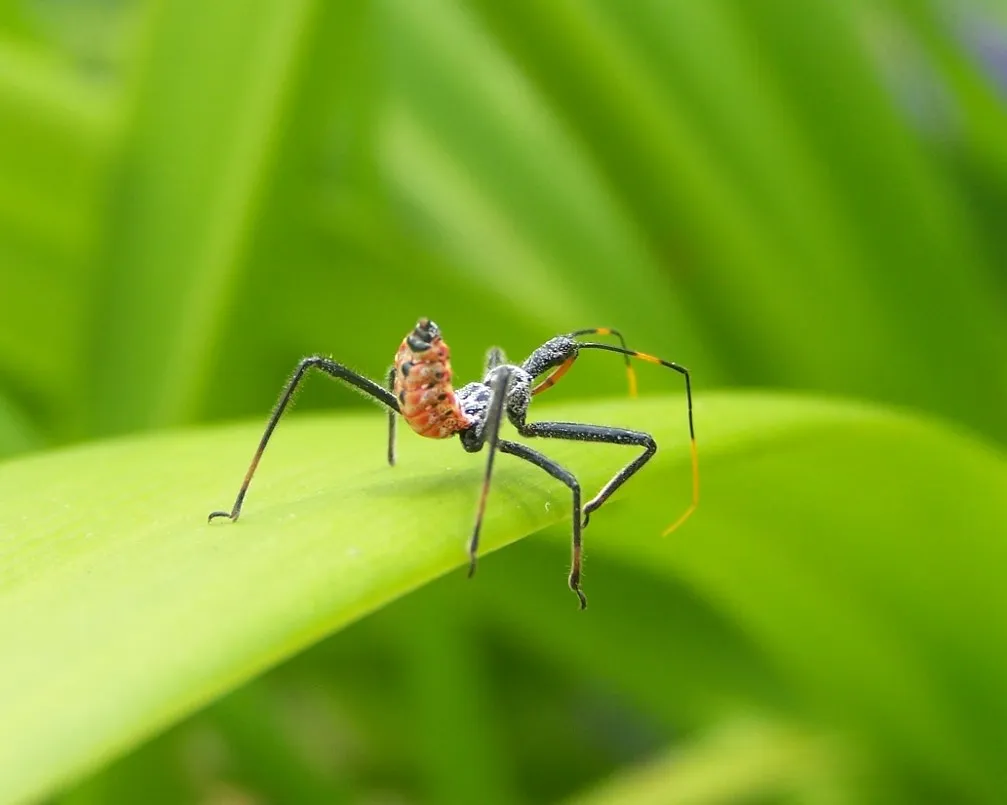
Assassin bugs are true to their name. Both nymphs and adults possess a long, sharp beak-like mouth with which they impale their prey. Through this beak they inject enzymes into the insect victim, liquefying its body contents, which are then sucked back up. On their menu are garden pests such as aphids, leafhoppers, caterpillars, and Japanese beetles.
Assassin bugs can grow to between two-fifths and four-fifths of an inch long, with elongated features. Many are black or brown, while some are brightly colored. Some 200 species are native to North America. Given that diversity, there’s a good chance at least one species already patrols your region.
This long-lived predatory insect consumes a large number of pests during its lifetime, feeding on a variety of insects including aphids, beetles, caterpillars, flies, and leafhoppers by piercing the victim with its curved, dagger-like beak and sucking out bodily fluids. Striking to look at and ruthlessly effective, the assassin bug earns its name every single day.
7. Praying Mantis
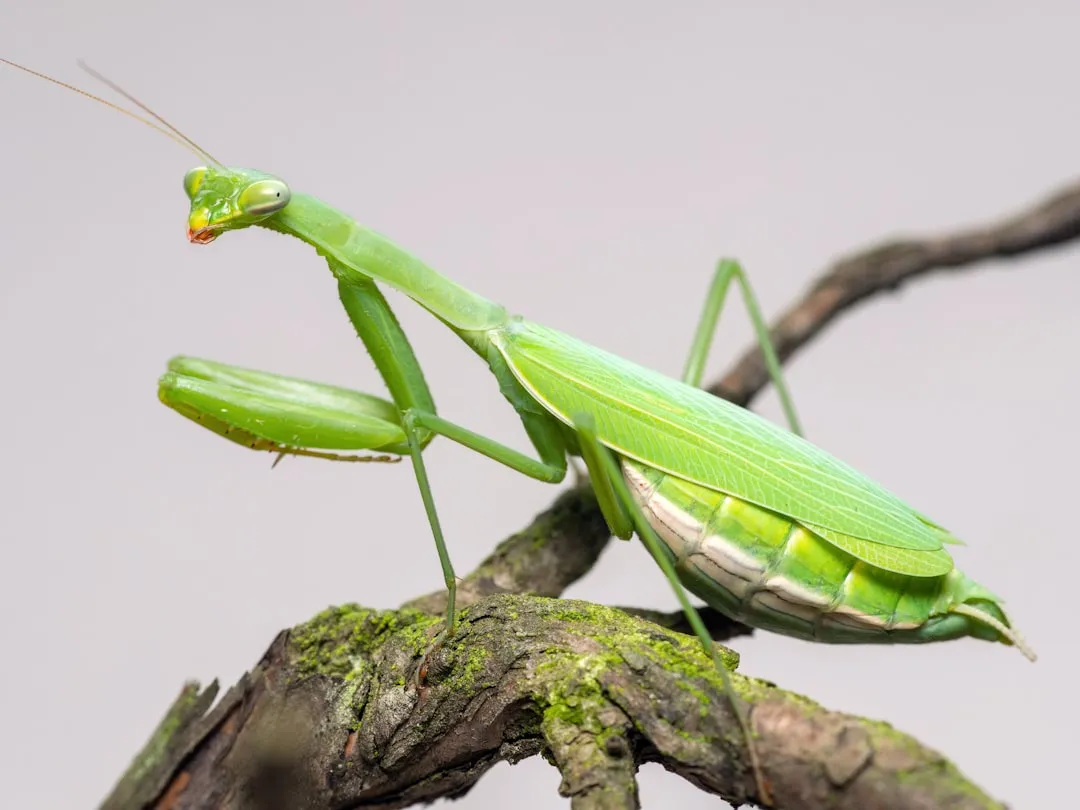
With front legs folded in what looks like prayer, these large-bodied insects are fun to look at and hard to miss. Their unusual behavior, like cocking their heads sideways and hunting prey big and small, makes praying mantises some of the fiercest and most fascinating bugs in the garden. Well over a thousand mantid species exist across the globe, though only a handful live in North America.
Praying mantises are generalist predators, feeding on a variety of insects including caterpillars, beetles, and flies. Note, however, that praying mantids are ruthless and will also eat other beneficial creatures like butterflies and bees, and even each other. They’re effective, but not selective.
Praying mantids are very efficient and deadly predators that capture and eat a wide variety of insects and other small prey. However, their overall value as a biocontrol agent is relatively small compared to lady beetles and green lacewings, due to their cannibalistic nature, which limits the number of mantids that can coexist in any one area. Think of them as bonus pest control rather than a primary strategy.
8. Minute Pirate Bug
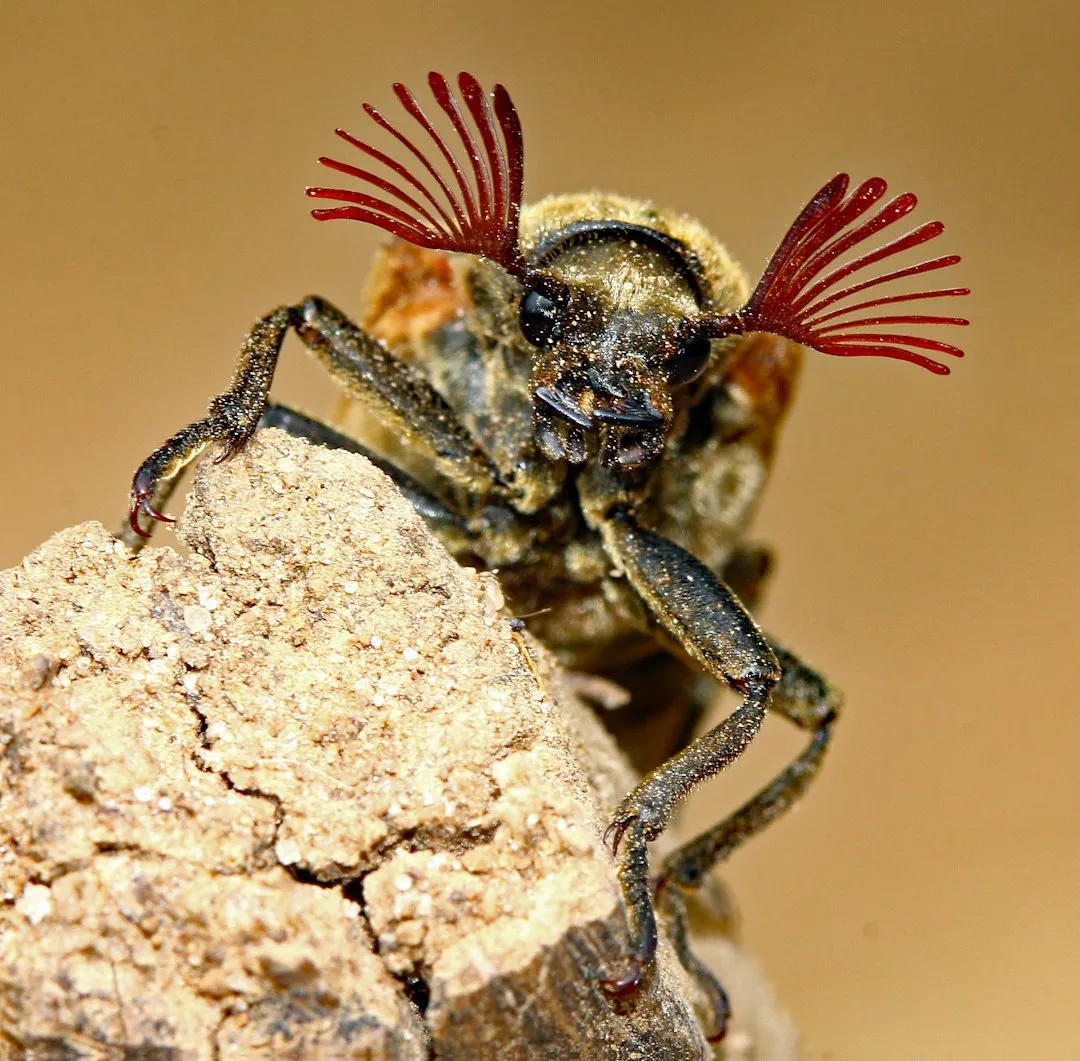
Minute pirate bugs, also known as flower bugs or Orius, are common predators in gardens. They belong to the order Hemiptera and feed on aphids, armyworms, thrips, spider mites, whiteflies, and other pests. For such a tiny insect, the range of prey they tackle is genuinely impressive.
Big-eyed bugs, a close relative in the same pest-fighting guild, feed on more than 60 species of insects and insect eggs and are found in lawns, vegetables, and ornamental plantings. They can sustain some nourishment from plants when pest insect numbers are low, which enables them to remain in a garden system even when there are fewer pests around. That staying power is what makes them especially valuable.
Commonly encountered natural enemies in vegetable gardens include ladybird beetles, lacewings, big-eyed bugs, minute pirate bugs, flower flies, predatory gall midges, ants, parasitic wasps, parasitic flies, and predatory mites – and the minute pirate bug belongs firmly in that company. Small in stature, serious in impact.
Why Most Bugs in Your Garden Are Actually on Your Side
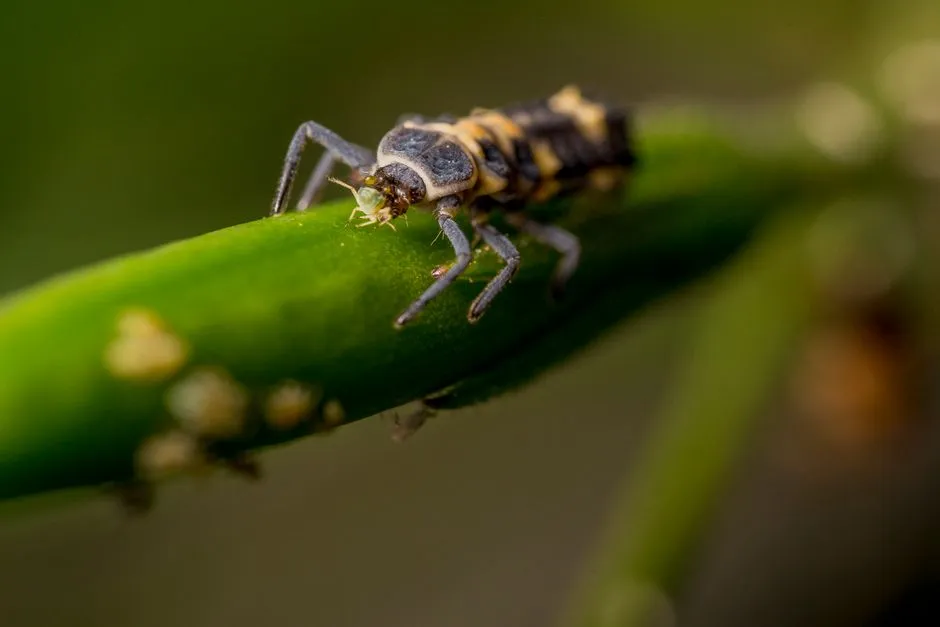
Good bugs are often referred to as beneficial since they help gardeners keep plant pests under control. A healthy garden maintains a balance between pests and beneficial species. Disrupting that balance, usually through broad pesticide use, is one of the most common and counterproductive mistakes home gardeners make.
Only a small percentage of insects are considered to be pests. The use of insecticides to kill insect pests will also kill beneficial insect species that are providing free and natural pest control. Awareness of the unintended toxicity of pesticides to other forms of wildlife should always be considered.
The University of California Extension has done extensive research on the role of beneficial insects, showing that planting hedgerows of diverse plant populations around farms helps reduce insect pest pressure because these plants attract, feed, and shelter insect parasites and predators of pest insects. The principle works at garden scale too. Plant diversity invites insect diversity, and insect diversity does a lot of your pest management for free.
How to Make Your Beds More Welcoming to Beneficial Insects
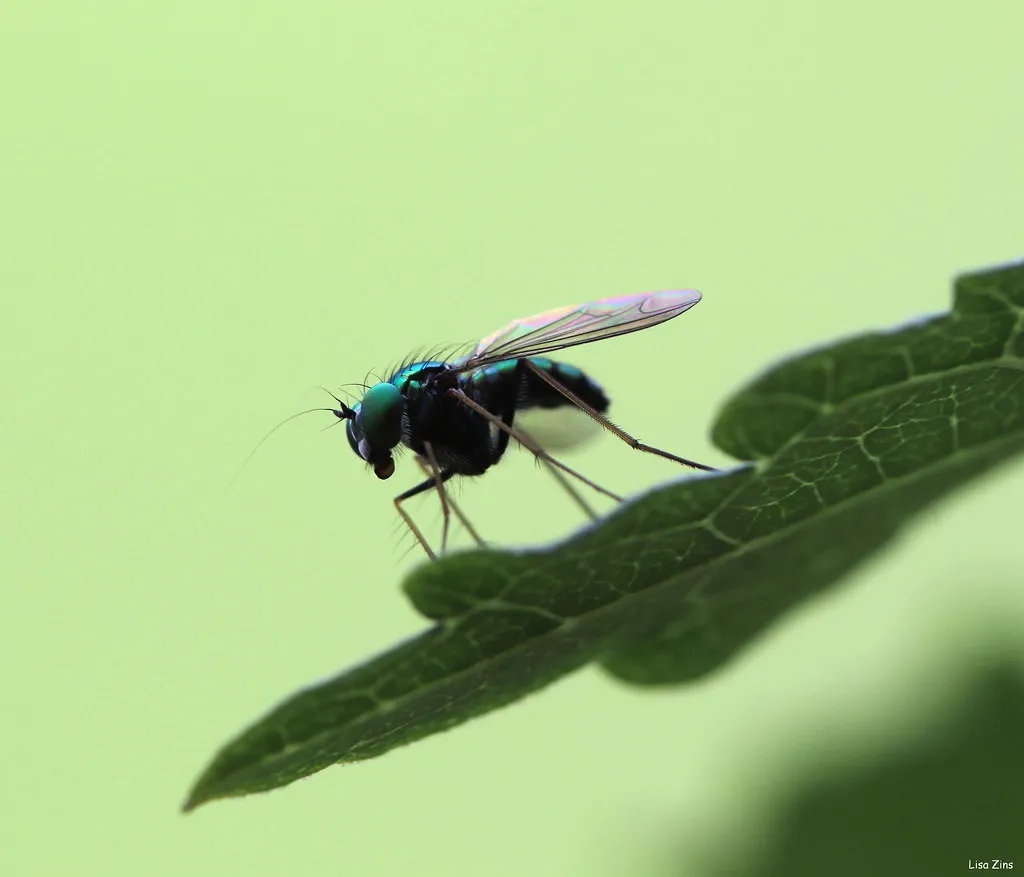
To prevent beneficial insects from flying away from gardens, different plant species with varying blooming times should be planted to provide alternative food sources such as pollen and nectar. Pesticide application should also be avoided. Those two steps alone can dramatically shift the insect balance in your favor.
You don’t need to order beneficials from a garden catalog – most are already present in your garden. The real work is in creating conditions where they want to stay. Lady beetles, green lacewings, and parasitic wasps are among the natural insect enemies that utilize nectar and pollen, and the availability of flowering plants that provide these supplementary foods can increase the beneficial activities of these natural enemies.
A diverse population of insects is crucial for the health and productivity of vegetable and ornamental gardens, and you can help these beneficial insects find their way to your garden by planting their favorite native pollinator plants, which attract insects by producing nectar and pollen. It’s a straightforward trade – give them food and shelter, and they’ll take care of your pest problem in return.
A Final Thought
The most effective vegetable garden isn’t a sterile one. It’s a busy one, full of activity at every level – on the leaves, in the soil, along the stems. The insects described here aren’t invaders. They’re workers. Once you start recognizing them, you stop seeing the garden as something to defend against nature, and start seeing it as something you manage alongside it.
Patience matters here. Beneficial insect populations take time to establish, and a garden that tolerates a little imperfection tends to attract more of the good guys. The goal isn’t zero bugs. It’s the right bugs, in the right balance.
AI Disclaimer: This article was created with the assistance of AI tools and reviewed by a human editor.